After the excellent offerings from J.M it would be a blasphemy not to recognize Homère Clément, the godfather of Rhum Agricole on Martinique. In 1917 Homère started his distillery on the domaine he acquired in 1887. With the death 0f Homère in 1923, the property with its distillery is taken over by Charles Clément. Charles started making Rhum under the Clément Brand in 1940. The Cléments were already making Rhum for about ten years but under the brand name of the domaine itself: Rhum du Domaine d’Acajou. Charles died in 1973 and the next generation Clément is taking over. It is the generation of George and Jean-Louis-José Clément who saved J.M from bankruptcy but don’t interfere with its Rhum making and management. Investing in the property and distillery, to allow the people behind J.M to make the best Rhum possible.
From Clément’s prestige range comes this single barrel. This “100% Canne Bleue”, non filtré is the first of two single barrel releases. Canne bleue is a cane variety that, apart for its blue color, is known to be the best sugar cane variety for producing Rhum Agricole. Not so long ago a second version in this series saw the light of day, called “Vanille Intense”. Not to be mistaken for a spiced Rhum. No vanilla and/or vanillin was added. Only casks were selected that had the natural potential of releasing slightly more than usual amounts of vanillin from the American oak, as opposed to European oak, which tends to release more tannins.
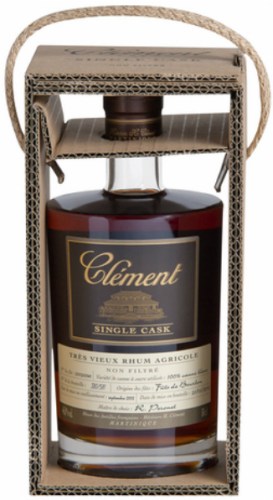 Color: Dark orange brown.
Nose: Fresh and smells of new wood. Also a leafy, plant-like quality. Caramel. Big, hefty aroma, sometimes a whiff of this reminds me of Jamaican high ester Rum, although the whole profile is quite different from that. In the distance even a red fruity aroma. Mostly berries. Burnt sugar with hints of spicy White Wine. Gewürztraminer. Sweet spices. Oregano and to a lesser extent thyme. Toned down vanilla ice-cream.
Taste: A very nice subdued sweetness. It’s like the sweetness has depth in part because its burnt sugar. Milk chocolate, some vanilla and a hint of a paper-like quality, cardboard, cola and lots of cask toast. Just like a great wine, this Rhum Agricole has perfect balance between the sweetness and acidity. The sweet is obvious, the acidity is from the oak. Just like the nose it has this great woody flavour, without it being too sappy or bitter, although the bitterness that is there stays on well into the finish, and even the hoppy aftertaste. The finish is long and has a tiny amount of soapiness to it as well as a bit of red berries and the burnt sugar. The burnt sugar retreats and lets a more creamy and toffeed layer take over for the aftertaste.
It’s really amazing how much color this Rhum Agricole got from only nine years in a Bourbon barrel. It looks like a stunning dark brown Rhum. That must have been very active casks. This is good stuff. Big aroma, big body, long finish. For some a bit too much of the burnt wood and sugar notes, but it comes with the territory. Good ‘un this is. Usually more is more, but I somehow do like the 50 cl size of this. It’s easier that way to get another “100% Canne Bleue” single cask, from a different cask naturally, for comparison. This is a big one. The J.M 2002 shouldn’t be tasted right after this.
Points: 87
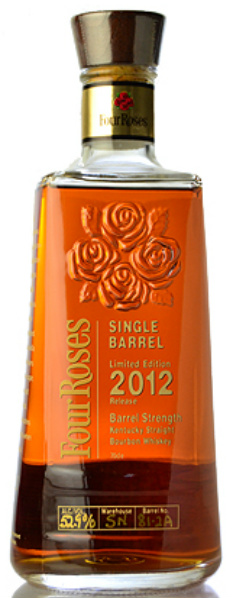 Color: Dark gold copper, marginally darker than the 50% ABV expression.
 Color: Gold.
 I almost missed it, but this is already the 500th post on masterquill.com. Three and a half years have passed since the moment I wanted to see with my own eyes how a blog was made, so I never intended to continue after the first few reviews. The next few months no new posts were written, but after a while I picked it up again, never to let it go again. It’s too much fun to do, and it still is. It is a never-ending quest for the nicest of drinks that are available on the planet. So much more to discover.
 Time for the 500th post then. I had to pick something special, so why not a nice and old Bunnahabhain. Islay is hot, and so are the picks of Jürgen Vromans. Our beloved Belgian independent bottler. Nothing wrong with his nose, so I have high hopes for this 35yo Bunna. Cheers!
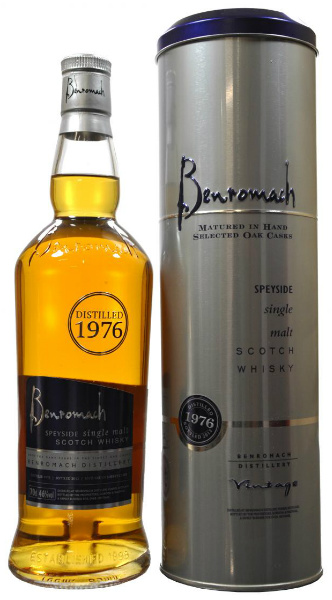 Color: Gold with a slight reddish glow.
 Color: Light gold, vibrant.
 Jürgen’s version was quite strong and with a cask picked by John McDougall I again have some high hopes for this Dailuaine. Let’s see if this light Dailuaine packs some punch, and does it also have some cannabis I picked up in several other Dailuaines?
 Third Macduff on these pages and just like the other two, this is again an oldie. The oldest one was from the sixties,
 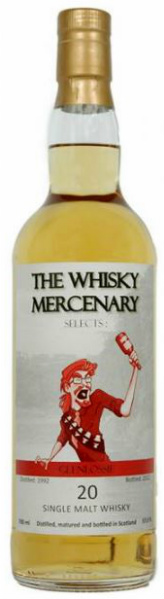 Color: Bright light gold.
 Master Quill