 And now for a completely different beer. This time something from the oldest brewer in Britain. Sheperd Neame from Faversham, Kent founded in 1698. Spitfire is a cask conditioned bitter that came onto the market in 1990 to commemorate the Battle of Britain. This bottle of britain is named for the famous fighter aircraft from the second world war. The beer also has a different
  kind of advertising than we are used to of which I only give you a few, but there’s a lot more. Let’s move on to the beer, shall we?
Color: Copper, Amber, not a lot of foam.
 Nose: Fresh, it almost has no scent at first, certainly malt but after that we’re in the twilight zone. Hard to tell what else there is.
 Taste: Thin (probably the low ABV). Fresh, summery ánd bitter. This bitterness once tasted, never leaves and dominates even the finish. The body is light, hoppy and malty. The middle and the finish make this less summery, although I guess this will do well as a thirst quencher on a terrace looking at people passing by.
 In the end I found this to be very easy, not to say very simple. For me even though it isn’t very bitter, still the bitterness dominates the light palate. Maybe that’s why they call this a bitter.
Points: 68
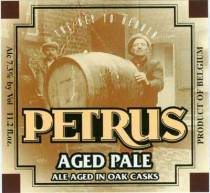
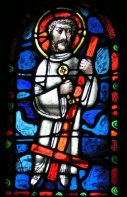 Still nice weather and too hot for writing blogs, so hereby I apologize to my readers that it took a few days for a new review. This time a review of beer brewed by Bavik in Belgium called Petrus Aged Pale. This beer was initially intended only for the US market, hence the typical warnings on the label, even though I bought this bottle in
 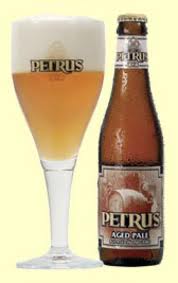 Color: Gold
 this simple beer let’s you know it has a lot more going for it. It awards you with a lot more complexity than you would say at first. It is close to a Rodenbach but in my opinion, better balanced and way more complex. You just have to work it a bit. For me this is better than the classic Rodenbach, but I’ll have to give the Rodenbach Grand Cru a go. This Petrus could be an acquired taste, but one I like a lot.
 Here’s something else to put in your mouth!
 Rodenbach Original or Classic is blended from aged (1/4) and young beers (3/4) and married for two years. There is also a Rodenbach “Grand Cru” (6%) wich also is blended from aged (2/3) and young beers (1/3). Besides these two, some less known special editions are released. The vintage 2009 springs to mind.
 This one is all right and could be savoured any time. It’s probably at its best on a terrace in the summertime. Really refreshing, thirst quenching. It has its place, and in comparison with other Belgian beers it shure is unique, but if you like more depth and more…well everything, you should go for the Grand Cru. This still is pretty decent and fresh, classic Rodenbach.
 Master Quill