Worthy Park 7yo (61.2%, Rum Nation, Limited Edition, Cask Strength, Pot Still, 3.000 bottles, 2018, L18-134, Jamaica)

This is the slightly younger, yet taller brother of Rum Nation’s 8yo Oloroso finished Worthy Park bottled at 50% ABV in 2015. Taller because it’s higher in ABV. A brother from another mother was reviewed on these pages earlier, being the Rum Nation Limited Edition Cask Strength offering from Réunion, which was very good in my book. There is also a version from Guyana. Although the name of the Distillery isn’t anywhere on the label nobody seems to be wondering if this is anything other than Worthy Park.

Color: Copper gold.

Nose: laid back leather, nice fresh oak notes and distant Jamaican funk. It is definitely not as funky as one might expect from a Jamaican Rum. Even though it’s not on the label, it is easily recognisable as a Worthy Park. Quite similar to their own bottlings like the ones reviewed earlier; the Single Estate Reserve, the Oloroso and the Quatre Vins. So wood is a main aroma, supposedly all American oak barrels, but its not big on vanilla one might expect from American oak. So wood, dust, dry earthen floor it is. Not a lot of fruit aroma’s. Sometimes a whiff of mint or peppermint passes through. Slightly meaty. Very well made and overall a classic nose. Close your eyes when smelling this and you’re transported to another place (a warehouse) in another time. As said earlier, not very funky, so don’t look for overripe bananas in this one. There is a whiff of Sinaspril going one, remember that? (Headache medicine for children, with a artificial orange aroma). The whole is simple and maybe not complex, nor funky, yet this still is a very nice nose to smell, or smell to nose. Tiny hints of wax and almonds with hints of acidic and slightly sweet red fruits coming in late into the fold. After sipping, these red fruits turn into hard raspberry candy and soft black licorice candy as well. Remember keeping either of them in your mouth for as long as you could? Maybe simple, (is it?), yet quite amazing.

Taste: On entry, slightly sweeter than expected, although here as well the wood is quite dominant. Slightly prickly wood, as if it was carbonated. The sweet onset is quickly swept under the mat by dry oak. Somewhat floral, vegetal and fragrant. When was the last time you had a taste of a perfume ‘eh? And if so, I hope this is what it tasted like. Initially also fruitier than the nose, but also…yes you guessed it, swept under the mat by oak. Warming going down. No surprise there at this ABV. An acidic oaky edge has the most staying power and dominates the taste. After a while the wax and almonds from the nose present themselves well into the realm where normally the funky Jamaican style would be. Also a slightly burnt as well as a slightly plastic-y note pops up. Next an unexpected farmy note and some unlit tobacco and soft licorice. Taste wise there seems to be enough happening right now. We already know I guess, but this dominance of this nice wood, could only come forth with full term tropical ageing. If I would have tasted this “blind” and on a “bad” day I probably wouldn’t have said this is Jamaican. On a “good” day, it does show a lot of Worthy Park traits and when you get to the point of understanding this has been fully matured in the tropics than yes, Jamaican it is. Cardboard in the aftertaste, wow, and a tiny hint of the burnt plastic-y note. Not really a problem though.

Jamaicans like overproof Rum, and this should be no exception, although I wonder how a Jamaican would perceive this lack of funk. Still I like this one very much. It is well balanced and shows a lot of well integrated nice aromas, both on the nose as well as in the taste. Definitely recommended.

Points: 86

Bimber “Pedro Ximenez” 2020 (50.9%, OB, Pedro Ximénez Sherry Cask #41, 335 bottles)

So earlier I reviewed three Bimbers, all matured in American Oak casks, one that previously held Rye, one that previously held Bourbon and one that previously held nothing. In those reviews I already told you that I felt those three types of casks worked best for the Bimber spirit, mostly quite similar but also at the same time quite different. I also mentioned that it would become clear in another review why those type of casks work best. Well here it is, this is that other review. This example was fully matured in an Ex-Pedro Ximenez Sherry Cask. Pedro Ximénez is a (very) sweet fortified Wine made from very ripe grapes of the same name. The grapes dry in the sun to obtain a must with a high concentration of sugar. Pedro Ximénez-casks are also very well known in the Whisky-world. Usually not for full maturation, but more for a finish. People do still feel that an ex-Oloroso Sherry casks works better for Whisky than a Pedro Ximénez cask. I understand the feeling, but this is no always true.

I once brought three Bimbers to a meet of my Whisky club. The Virgin Oak cask I reviewed earlier was somehow accepted, bust this Pedro Ximénez not so much. So proceed with caution. I might think Bimber is great, but that might not be true for you.

Color: Copper gold.

Nose: Very spicy. I know now this is quite common for Bimber. Smells like a pre-war shop selling spices. Hints of Pedro Ximénez, yet not fruity. An old leather bag. The whole is more dark and brooding. Also a thin veneer of lactic acid, acetone and a wee hint of horseradish, distant smoke and petrol. All in minute quantities (I didn’t pick upon these yesterday). Somewhat sweet smelling. Chocolate chip cookie dough. After a while in my glass, the aforementioned shop becomes somewhat more of a candy shop. Cinnamon sticks (lots of it) as well as the pink, raspberry flavoured ones? Still not fruity. The nose is quite raw and dry, like drawing in a breath of ice-cold air, yet the whole seems to be more warming, as can be expected from cookie dough and cinnamon. More of the old shop and an old book show up now as well. To be honest this is an amazing nose, with a small lactic acid fault, but the whole is pretty amazing smelling, amazing and classical. Quite a feat for yet another NAS. How do they do it? Dust and licorice powder, still this aura of sweetness in the smell. Smells like Christmas. Good balance, I like it.

Taste: Sweetish, spicy and woody on entry. Something prickly. Lots of licorice in many guises. The powdered stuff as well as the black bit of Licorice Allsorts. Sweetish and slightly sticky. Sweet wood and some raisins. The dry and the sweet work together well, not exactly cancelling each other out, thus reaching a nice synergy. Every new sip starts with wood, sometimes somewhat harsh maybe, but next comes this ever growing fruity sour note. Although Pedro Ximénez is very sweet, the Wine works well because of the underlying sour notes. Just like Laphroaigh is heavily peated, but quite sweet underneath, that makes it work wonderfully. The acidic fruit note is authentic for a Whisky that was (fully) matured in Pedro Ximénez, yet some might find it off-putting, as I found out the hard way. There is slightly less balance on the palate than there was in the nose. By the way, especially after sipping, the nose becomes even more beautiful, even after the first sip. The taste does show a slightly burnt character. Still pleasing stuff nevertheless. This bottle, more than others, got a lot of slack from some people, but now properly analyzing it, I don’t concur. Sure these are some small issues with it, as there always are (have you ever encountered an perfect Whisky, and if so did you score it a 100 points?). The whole is very tasty, elegant and pleasing. Or is it just me with a liking or fondness of Bimber? So the only faults I could find, if I’m looking for them, are the lactic acid right at the start I mentioned above, and the aftertaste being rather sticky, with sawdust and a slightly burnt note as well. The body of this Whisky is very good.

A lot is happening behind the scenes with Bimber these days, and the stories I hear, one even more crazy than the other. Still I hope they can sort it out and for things to fall into place. It would be a shame to lose Bimber. It’s a young distillery, and a young, well looking brand, yet the whisky, still all NAS is nothing short of amazing. This Pedro Ximénez one is not a casual sipper, but one for an armchair, a good book and a nice warming fire in the fireplace. A winter warmer. I can forgive it the few flaws it has, because the rest is more than making up for it. For a long time I believed that clean American oak was the way to go for Bimber. Bourbon, Rye and virgin oak, but this Pedro Ximénez is working for me as well, even though of the four mentioned it does scores the lowest. Maybe Bimber has such a nice spirit it will work well in anything. No don’t you break out the herring of Tabasco casks just yet, people. We’ll see what the next reviews of Bimber will show, but up ’till now I’m quite happy with Bimber, and I’m looking forward to the next one.

Points: 86

Glen Elgin 11yo 2009/2021 (58.8%, Elixir Distillers, The Single Malts of Scotland, Hogshead #807777, 238 bottles)

Actually, Glen Elgin is one of my favourite lesser known Whiskies. Being somewhat partial to the stuff, mostly from independent bottlers, I’m actually amazed this is only the second review on these pages. The only other review of Glen Elgin I did, was in 2017, being a 19yo Signatory Vintage bottling, that wasn’t as special as I expected, especially for its age. Hmmmm, never mind, I still stand with what I just said. Building started in 1898 just months before the Pattison Crash and it was also the last Distillery designed by Charles Doig (the foremost distillery architect of the time).

After the Pattison Crash, Whisky found itself in a sort of 50 year long slump, that more or less ended in around 1949 when William Delme Evans built the first distillery after Glen Elgin: Tullibardine. Fast forward a bit and cutting this history lesson short; Glen Elgin is now owned by Diageo and mainly used for its White Horse blend and currently is investing heavily in it by rejuvenating it. Back to the Whisky at hand, since this time around we have a bottling from Sukhinder’s outfit Elixir Distillers. Being a independent bottler foremost, I wonder what they actually distil. Elixir distillers is mostly known for their Single Malts of Scotland range of independent bottlings but also for their Port Askaig bottlings of undisclosed Islay bottlings (often Caol Ila).

Color: Pale White Wine.

Nose: Barley and biscuity. Cereal, crackers and bread. Dusty with hints of cardboard. Starts big and in your face. Good and honest Whisky, no frills, no funny business. The next wave is more fruity (dry citrus skins), with the tiniest hint of cask toast and pencil shavings. Warm wind in summer, slightly grassy and vegetal. Hints of rainwater. The third wave adds a more perfumy note as well as grandma’s old soap note, never losing sight of the fruits though. Quite fresh overall due to a slight minty and green nose. Well balanced and straightforward. A very effective and highly drinkable Glen Elgin. It may be somewhat simple, but don’t be fooled by this, since there is quite a lot happening in this one, and as said earlier, its also quite big. It’s layered, so it might be even more complex than I initially thought. I always liked Glen Elgin and this is definitely an example why. The fruity note becomes sweeter, not only ripe fruit sweetness yet also a more honey-like aroma. I know sweetness is something for the palate to discern, but I hope you know what I mean here. In the end this is quite a nice (not modern) nose. I like it a lot.

Taste: On entry half-sweet but easily overpowered by a spicy and woody note. Prickly oak, only ever so slightly bitter and soapy. Maybe an odd red chilli pepper found its way into the cask? Nah. Warming going down. After the first sip, the soapy note on the nose becomes more like cold dishwater. Second sip shows a more complex sweetness, fruity and honeyed. (The nose is now more old-skool and melancholic). Less syrupy than expected. Some peach emerges as well, retaining the relative hotness from the first sip. Lots of paper and cardboard comes next which does get in the way a bit of the fruity notes. Where this is a miss on the palate, the nose, even now, keeps developing further still. Hold on now, after a while it does become slightly more bitter and slightly acidic as well, which in the case of the paper and cardboard do less for the palate than it sometimes can do. It also shows some new make spirit notes now (that fit the colour of this Whisky well if I might say so). Next some sun-tan lotion, you didn’t see that one coming now didn’t you? Although not a biggy, this part of the palate is not the best. By the way, I get some cheese on the nose now, how is that? This turns out to be quite a surprising Glen Elgin. Definitely not boring this one. Still, this one has much nice things going for it, so the score is warranted. Peach yoghurt in the finish as well as a peppery note, some might call hot. The finish as a whole is of medium length and especially the minty bit seems to have some staying power here. It’s alright, it’s good, but the nose was better.

Yes the Mortlach I reviewed just before scores slightly higher, but in comparison this Glen Elgin is slightly more drinkable. Even though this one has a very diverse, unusual and layered nose it is even more accessible than the Mortlach. Mortlach has always been a more anorak-y kind of Whisky anyway. Still, I wouldn’t recommend this one either if you are a novice, just like the 19yo Glen Elgin I reviewed in 2017.

Points: 86

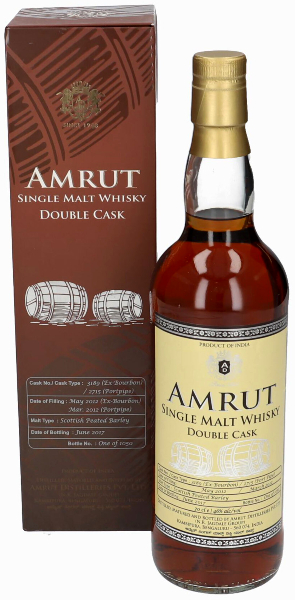
Amrut Double Cask 5yo 2012/2017 (46%, OB, Bourbon Cask #3189, Port Pipe #2716, Scottish Peated Barley, 1050 bottles)

Amrut Double Cask. In this case, Amrut just married two different casks together and reduced them to 46% ABV. In 2010 the first Double cask was released, marrying two Bourbon casks together, ehhhh, where is the fun in that? Later in 2016 and 2017 two more batches (both in two expressions) were released that seem to be a lot more exciting: batch 2, marrying Bourbon with PX (using unpeated Indian barley) and batch 3, marrying Bourbon with Port (using peated Scottish barley, most likely of the Aberdeen kind.), so I expect both later batches to differ quite a bit. I’m quite sad actually, because Double Cask seems to be a concept with many possible permutations, and I thought there would be a lot more batches than only these three. For completists here are the three batches/five expressions of Amrut Double Cask:

  • Batch 1 (2010-02-27): 2002-07-25 (Bourbon #2273) / 2003-02-27 (Bourbon #2874),
    The original Double Cask (7yo), 306 bottles
  • Batch 2 (2016, August): 2009, June (Bourbon #3451) / 2010, May (PX #3802),
    Unpeated Indian Barley (6yo), ??? bottles
  • Batch 2 (2016, August): 2009, June (Bourbon #3452) / 2010, May (PX #3803),
    Unpeated Indian Barley (6yo), 800 bottles
  • Batch 3 (2017, June): 2012, May (Bourbon #3189) / 2012, March (Port Pipe #2716),
    Scottish Peated Barley (5yo), 1050 bottles
  • Batch 3 (2017, June): 2012, May (Bourbon #3190) / 2012, March (Port Pipe #2717),
    Scottish Peated Barley (5yo), 900 bottles

Color: Dark orange brown.

Nose: Starts with peat and iodine. Very big and definitely bold. Animalesk, the acidic note of crushed beetle (don’t ask) and miscellaneous organics. Cola. Maybe too early to say, but I don’t think reduction to 46% ABV hurt this Whisky at all. Clean and tight. Port yes, but very much playing second fiddle behind the peat, adding a dimension and not really upfront or overpowering. Otherwise, as said, very fresh and tight. Definitely a winter type of affair. Because of the lack of Indian Six-row barley, this Amrut really misses its exoticness. If this was done with Indian barley, it would be highly unlikely this Whisky would come across as a winter-Whisky. So in that respect quite an unusual affair (for an Indian Whisky). I guess the other version, the 2016 one, that has been done with PX and unpeated Indian barley will be entirely different, probably back into the exotic realm. Next up some fatty clay and smoke. Scottish autumn at the bank of a river (with clay). Chocolate powder (Droste or Dutch Windmill) and warm plastic. Mocha and the tiniest hint of vanilla. Yeah, but all in all, this is yet another great smelling Amrut. As often with Whiskies that came into contact with Port casks, the nose is somewhat less complex. After the peat subsides a bit over time in my glass, the Port is able to show the fruitiness it is able to give to this Whisky. Good stuff. After a day or two, the empty glass smells of a lot of peat and a wee bit of polyester. I have smelled that before, but not in an Indian Whisky.

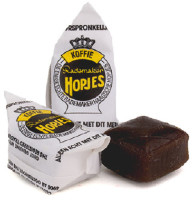
Taste: Starts thin. Where the nose was thick, bold and big, this thin texture comes a bit as a surprise, making me wonder how the unreduced Whisky would have been. Starts with berry like fruits, ripe red fruit and a lot of almonds. Nice. Its like eating unsalted roasted almonds with sweet dried cranberries. The almonds also have a lot of staying-power, and linger for a long time in my mouth. With the fruit comes also a nice sweetness. Just like the nose, not very complex. Cola here again. The cola, the fruits and the almonds put together, remind me of Cherry Coke. Needless to say this tastes highly drinkable. Haagsche Hopjes, a Dutch hard coffee candy. Well isn’t this turning into a treat? Very nice. With a taste like this, who needs complexity? In the end, this one is on the palate still a wee bit too thin. Could have done with slightly more points on the ABV-scale, 50% seems about right, but this is just a minor gripe. I haven’t tasted this at 50%, so I really don’t know if it would have been better. The finish and the aftertaste retain quite a lot of fruity sweetness. To be hones it could have done with slightly less of it. Highly drinkable every time, but not one keep pouring one after the other. If your glass is empty refill it with another Amrut. I’ll finish this like I started, really sad there aren’t any more Amrut Double-casks around. Please Amrut do some more, surprise us. I’ll even forgive you if you keep them at 46% ABV, for continuity purposes.

Well, well, well, Scottish Peated Barley. For me the strength of an Indian Whisky lies in the specialness, the “exoticness” of Indian six row barley, setting it apart from other Whiskies and carving more than only a niche for itself. A type of Whisky I really do like myself, if I may say so. There are already a lot of Amruts and Paul Johns on these pages, and also Indri is knocking at the Indian Whisky door with quite the drum-roll. Up ’till now I tried three expressions of Indri, and all are winners in my book. With this Amrut Double Cask however, don’t expect an Indian Whisky because the whole comes closer to a Scottish peated Whisky than any Indian Whisky. So in fact, what we have here is a Whisky with a bit of an identity crisis, and from now on, don’t underestimate the power and the character of Indian six-row barley.

Points: 86

Ardbeg BizarreBQ (50.9%, OB, Double Charred Casks, Pedro Ximenez Casks & BBQ Casks, 15/2/2023)

The previous post, which was quite long to be honest, was about a somewhat experimental special release Ardbeg called Auriverdes. Auriverdes was released way back in 2014. More recently though, in 2023, Ardbeg released this BizarreBQ, and I thought, hey, why not do another, preferably shorter, review of a special Ardbeg. I’ll even post a minimalist picture of the bottle without the box, (because there isn’t any). The previous post is about Auriverdes alone and this one will be about BizarreBQ obviously, but also a bit of it in comparison to Auriverdes, since both Whiskies have quite some charring going on. I also thought, when selecting all Ardbeg’s on these pages, what a visually appealing look it is, to have all those beautiful green Ardbeg bottles lined up one after the other. This 2023 Ardbeg is most definitely experimental, because BBQ casks, really? What is that? Pssssst. Yes? These casks underwent yet another super-secret char, making the inside of the cask even more akin to the charcoal you’d use for BBQ-ing. Ahhh, OK. Amazing.

Color: Pale orange gold, with an ever so slight pink hue.

Nose: Thick fat peat with lots of smoke and iodine. More upfront and smells way younger than Auriverdes did. We’re definitely in NAS territory all-right, since a lot of the nose smells like a very young Whisky. Earthy, wet and dry tea-leaves, vegetal and even more iodine now (80’s Laphroaig style). Quite spicy and herbal. Warming and very well balanced. I like this nose a lot already, apart from the initial overtly youthful bit. Smoke from burning newspapers, burnt match sticks, mixed with the smell of a crushed beetle. Somewhat sweet smelling, but couldn’t say if this is the PX speaking, since Auriverdes was on the sweeter side as well. If smelled “blind”, I probably wouldn’t have mentioned PX-casks at all. I guess all the charring that was going on defines this nose, and the “sweetness” might be the newly released vanillin from the oak, especially if it’s American oak. After the bold bits wear off, (it is initially quite fresh and sharp), the nose becomes more friendly, Gin-like, with hints of Rye Whisky and yet it still is quite a balanced endeavour altogether. Slightly more wood now with black coal and licorice coming to the forefront, as you get in modern day Ardbeg. The smell reminds me of old steam trains, more than an actual BBQ, with or without meat on it. Based on the nose alone, a very nice Ardbeg indeed, makes me feel a bit melancholic again, yet less so than Auriverdes managed to do, which in comparison has a more classic nose.

Taste: Sweetness, accessible, likeable. Bigger than Auriverdes. Fattier and even sweeter. Like Auriverdes, again somewhat simpler than the nose, but very drinkable indeed, without losing the freshness and sharpness which is present in the nose. I would say, great balance again. Not really a PX sweetness here too, yet more so than the nose showed. This Sweetness, the feel of it might be somewhat closer to a Whisky from a PX-cask, but still not all that much. All good so far. Some sweet licorice, a whiff of polyester and horseradish. After sipping it now, I get the horseradish on the nose as well, as well as the hint of polyester. If you do your own boat-repairs, you know what I mean. By the way, the polyester bit is not as bad as it might sound. Chewy wet wood. After the big bold entry this Whisky has, it also falls short in the finish a bit and not a lot actually remains for the aftertaste. Maybe herein it shows its youth. Lots of upfront stuff because of the charring, but lacking some depth due to age of the Whisky. Alas this has quite a short finish and only some lonely, left behind, licorice in the aftertaste.

I feel the whole of this Whisky is (much) younger than is the case with Auriverdes. But hey, still not a bad Ardbeg again, fetching a decent score. Yet again it is a special release that scores lower than the batches of Corryvreckan and Uigeadail I reviewed. But it does offer another perspective on the Ardbeg theme. Of course there might be some batch variation with Corryvreckan and Uigeadail, since they are released regularly as opposed to the one-offs that are these specials. If you want to spend your money wisely and don’t mind staying with those two expressions alone, you will be fine. If you are more adventurous and are willing to spend a bit more on a variation of the Ardbeg theme, and mostly with a lower ABV as well, than those special releases are for you. Only if you believe, that since you spent a fair bit more money, you are getting a better Whisky, than those mentioned from the core range, you are likely to get disappointed and get a bit salty. That being said, there are obviously also special releases which are definitely better than the core range. Some of which will be reviewed on these pages in the future and by now are or have become quite pricey.

Points: 86

Ledaig 9yo 2005/2015 (56.8%, Signatory Vintage, Cask Strength Collection, 1st Fill Sherry Butt #900146, 664 bottles)

After Caol Ila and two cask strength Laphroaig’s, lets stay with peat for a while (winter is coming) and check out this peated offering from Ledaig. Yes I know, Ledaig isn’t from Islay. Why should it? You can distil with peat anywhere on the planet, or in this case, Scotland. There is already a lot happening on Islay, lots of distilleries, and isn’t Mull more unique? Not a lot of distilleries on Mull. Ledaig as we all know by now, is the peated Whisky made at Tobermory Distillery. You did read all my previous reviews on Ledaig, in preparation to this one, now did you? So you should know by now, yes? Tobermory distillery also releases unpeated Whisky, calling it…well…Tobermory, how did they come up with that! You could fool me sometimes with this statement though. Seems to me some Tobermory’s are peated as well, maybe less so than Ledaig, yet peated. Maybe they’re just not as good at line clearance as they are in making Whisky? Who knows, and who cares if the output can be this good. By the way, not even that long ago Tobermory did have some sort of a wonky reputation concerning the quality of their Whisky.

Earlier I reviewed a fantastic 11yo Cadenheads offering distilled in 2005 which has matured in a Sherry Butt. This time around I went for this 9yo 2005 Signatory Vintage offering, that also matured in a Sherry Butt, expecting and hoping for more of the same and wanting that all 2005’s are somewhat created equal. I just wonder why Cadenheads only managed to draw 450 bottles at cask strength from a Butt and Signatory 664 bottles. That’s quite a considerable difference. By the way, Cadenheads bottled two other casks from 2005, yielding 510 and 516 bottles. Still no 664 bottles though. Different oak with more evaporation or different warehousing conditions? Who knows.

Color: Orange gold.

Nose: Fatty, fragrant and delicious peat. Slightly Sherry sweetness. Full on sweet smoke with some toffee. A little dirty yet sexy. Licorice smoke. Salty and smoked licorice candy. Prickly smoke, with a minty side to it. Smoked menthos. Nom, nom, nom. I have to say, a peated spirit like this, aged in a Sherry butt, what a combination. The start was peat which morphs slowly into smoke. Hints of anise seeds and cumin. In the background dried beef, gravy and salty smoked fish. This has also an underlying fruity side to it, but again, just as in the Caol Ila I just reviewed, this is masked by the usual suspects of peat and smoke. What a wonderful smelling Ledaig again. Utterly amazing smelling Malt and it’s only 9 years old. Glowing embers, warm glowing charred wood. Hot barbecue before anything is put on it, burning off the last spots of fat left behind from the previous session, right before putting something on it again. Or imagine sipping this near the fireplace high up in the mountains. This nose never stops giving. Warm oil emanating from a steam locomotive (a fresh experience from two months ago in Quedlinburg, Germany).

Taste: Starts sweet and peaty, yet also somewhat unbalanced. The peat and the smoke have a bitter edge here right from the start, but also something fresh like a cola has. Nutty and some burnt fat from the barbecue. This note smells better than it tastes, by the way. Very warming and hot going down. Now I do notice quite some dry wood underneath, tucked away neatly between the peat and the smoke. So it might be a bit hidden, but the cask is quite active as well. More towards burning plastic now and again the minty note. The peat note is more bitter and together with the smoke, also less dominant. The Sherry comes trough some more. Dried salty fish. This one needs some time to breathe, but not too much. When standing around in my glass for a long time, the taste deteriorates a bit (the bottle is also nearly empty by the way, so I notice the air did play its part). This will be of no concern with a freshly opened bottle, because then, this Malt still does need a lot of air. Crushed beetle in the finish, and overall still warming. Also some caramel comes forth.

Are all Sherry Butt matured Ledaig’s from 2005 created equal? Nope they aren’t. The Cadenheads rose to the occasion much more than this Signatory initially, but, oh boy, when this got enough time to breathe in an open bottle, yeah man! The nose is up to par with the Cadenheads, alas on the palate, the Signatory falls apart a bit and the Cadenhead is the clear winner. Sure it’s different from the Cadenheads offering as well. That one was tasty from the first poured dram until the last, and this Signatory one did need some time to find its place, which luckily it did, although it never reached those highs of the Cadenheads, and deteriorated a bit when nearly empty. Nevertheless two big peated hits in a row from Tobermory. I’m suspecting an album of greatest hits now, so for the time being, I will be replacing every emptied Ledaig with another one. Can’t wait to open up the next one now. I have to look in my stash for one matured in a Bourbon cask after these two Sherried ones.

Points: 86

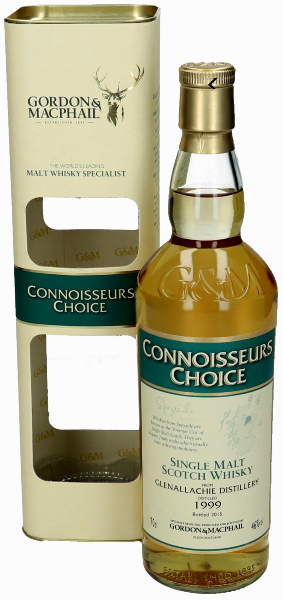
Glenallachie 1999/2015 (46%, Gordon & MacPhail, Connoisseurs Choice, Refill Bourbon Barrels, AE/JJCG, 23/01/2015)

So in earlier reviews I found out that Glenallachie probably isn’t one of my lesser known distilleries that really click with me. Some bottlings I tried were good, some a bit mediocre and some quite forgettable. Up ’till now nothing really stood out. I have a feeling though the newer Whiskies might prove to be better than ever, so Glenallachie might be on the way up again (for me). Nevertheless, Glenallachie is making quite a name for itself the last few years. Lots of official bottlings but also a lot of independent bottlings are coming to the marketplace, with quite a few people who like the output very much, so who am I to argue.

I have already reviewed some independently bottled Glenallachies: Dewar Rattray, Kintra, Beinn a’Cheo, Mo Òr and Cadenhead. Missing from this list is “the biggest and the baddest” of them all: Gordon & MacPhail. Here we have a 1999 distillate reduced to 46% ABV. Alas the only Cask Strength 1999 Gordon & MacPhail ever bottled was sent to Binny’s in the U.S. of A. Not really my neck of the woods. It was bottled way back in 2011. Hard to come across one of those now, since it doesn’t have a lot of collector value, so I can imagine the good people of the U.S. of A. drank most of them, an d rightly so! So without further ado, lets just dig into this reduced one from 2015, shall we?

Color: White Wine

Nose: Wow, very malty and sweet. Cookies, dusty oats and breakfast cereals. Dry grass and hay like. A brekkie Whisky. Sweet smelling cookie dough, with a green note, a fruity note and a cold dishwater note and thus quite appetizing and pleasant. Marzipan and ever so slightly nutty. After a while a tiny hint of licorice. This nuttiness is the closest it gets to wood, because the wood itself is hardly noticeable. It has quite an interesting and appealing perfume to it as well, which emerges somewhat later from my glass. This is real and honest stuff and maybe a bit back to basics, although it isn’t really basic nor simple for that matter. Just a very nice smelling Whisky. Excellent example what a spirit in some “basic and simple” Bourbon barrels can achieve, also proving that the Glenallachie spirit is a good one. Based on the nose alone this could be a very good Whisky, and based on the nose alone I would definitely buy it. Let’s move on.

Taste: Hmmm, quite different here on the palate. Starts fruity, with a surprising and definite bitter note. How strong this bitterness is perceived by the taster depends upon the taster. The first time around, I found this to be more better than the second time around. Runny, thin toffee, wood and thus its bitterness, yet also spicy with some black pepper. Dark chocolate, wood and an alcoholic note you get with those bonbons that contain alcohol. Based on the nose I didn’t expect this bitter note. I expected fruity caramel to be honest. Let’s take another sip. After a while I guess my palate just got used to the bitterness and it isn’t so dominant anymore. It’s hard to put my finger on it, but just like the nose, this palate has something really appealing and interesting which intrigues me. In this case the 46% ABV seems very soft. I may be used to, and prefer cask strength Whiskies to be honest, but this example seems very do-able in the alcohol department. Its neither harsh nor hot.

This will do very well as a daily drinker, or as an aperitif. However, do not make the mistake believing this is merely a simple, entry level Whisky. It is quirky, it is able to surprise you and I definitely like this one (especially after leaving it in my glass for a while to settle some more). Still, this has some bitter notes here and there, so buyer beware. Definitely noticeable is the reduction to 46%, sure quite a high ABV, but it is definitely different from a cask strength offering.

To me this smells and tastes like a classic ex-Bourbon casked Whisky, not modern at all. Would never have thought this was from 1999, which feels like yesterday to me. Maybe today it is a classic Whisky though. Personally I’m shifting my interest in Glenallachie. Where Mr. Walker puts out a lot of different casks, I will be, for the time being, sticking to ex-Bourbon Glenallachie. Again personally: I like this stuff way more than the heavily Sherried 15yo. Yeah, this is a nice surprise, have to find me one now somewhere.

Points: 86

Tormore “Batch 2” (51.4%, That Boutique-y Whisky Company, 103 bottles, 50 cl)

Third Boutique-y bottling on these pages, yet the first one that is not an Arran. Earlier I reviewed Arran batch #3 and Arran batch #4. When writing about batch #3, I completely forgot I earlier had done a review of Batch #4, so when that one popped up whilst scrolling through my own pages, it gave me quite a scare, because both labels are the same. As I mentioned before, I neglected Arran for a long time and especially after tasting batch #3, it brought Arran back for me. This time around however a Boutique-y Tormore. Tormore is a beautiful distillery with a very typical output. The word “metallic” often pops up when people taste Tormore. One of my first encounters with Tormore was a 13yo Cadenheads bottling from 1997 (distilled 1984). It was industrial all right, maybe even metallic, but I also became an immediate fan. It’s quirky and expressive, unique and definitely not for everyone, but I really liked its stand-offish character, so I always look at Tormore with great interest and a smile. In comes this Boutique-y expression I got from an auction site. Love the looks, and 50 cl is a nice volume (unless you really, really like it). The bottle looks cute in my hand. Love the humour and the label, not a fan of the lack of information though.

Colour: White Wine, pale gold.

Nose: Very funky, malty, grassy and fatty American oak. Waxy and also quite sweet smelling, fruity yet at the same time also quite floral. One reads a lot about banana on the nose, which I often don’t get actually, but in this one, there is certainly banana here all right. Very fruity overall, overripe fruit. A lot of peach, but only after the first sip. All the wood influence is quite soft and definitely present. Very waxy now, gravy, very fragrant, it leaps out of my glass. Big one and quite unique alright, that’s Tormore for you! Not aggressive at all though, no, this is actually a friendly and well-balanced Tormore. Excellent American oak, quite active indeed. Vanilla, with dark chocolate, dusty and it smells somewhat organic, almost human, which is quite a surprise after all those “metallic” Tormores. This one smells rather “classic”. Good and unique spirit matured in a good American oak cask. Smells fantastic.

Taste: Same here, very fruity initially and the wax is even slightly more prominent. Some bitterness to the back bone and quite hot going down. Waxy, sweet wood. Green yes, but the mix of herbs are not your favourite most liked herbs and dare I say that some of the overripe fruit may have passed the overripe stage altogether. All of this framed by some bitter wood with quite some staying power. Unique? Yes! Quite nutty with added licorice to the back bone. The licorice-note comes from the wood. Greenish, fresh almonds, yet also some hints of paper and cardboard. Here a more industrial feel pops up which is normal for Tormore, but it doesn’t match the nose entirely. This one strips the throat cavity of any fat, so it is somewhat harsh going down. Not your fatty vanilla, creamy feel when swallowing, so you’d better be prepared for that. The nose is definitely the more likeable of the two. Yet metallic it is not. The bitterness is more prominent in the finish and even more so in the aftertaste.

After the very promising nose, on the palate this is a somewhat more difficult puppy. Definitely not one for casual drinking. Tormore in general is not an easy one. I guess this is one for anoraks as well. But oh boy, is this an unique profile, and if you manage to “click” with it, you’re definitely in for a kick.

Points: 86

Since this is quite an unique offering, I’m sure this is not for everyone. For some of you this might seem to be a high score. For me this is a great trip though. Yet it suits the 50 cl format though.

Torabhaig Allt Gleann (46%, OB, The Legacy Series, First Fill Bourbon & Refill Bourbon Barrels, Batch 001, 2021)

Not too long ago when thinking about Whisky, Skye was Talisker, and Talisker was Skye. Not any more, since a second Distillery came about on the island. Production at Torabhaig started in January 2017 and this particular bottling contains Whisky from the opening year as well as from 2018. The back label is a treasure trove for info: Barleys used for this bottling are Concerto and Laureate. Yeasts used are Pinnacle MG+ and Safspirit M-1. For me a first. I have never seen the yeast being mentioned, nor do I possess any knowledge about yeast strains that are used today. So useful info I’m sure, just not right now. The in-grain phenol content was 77 ppm, off the still, it was around 60 ppm, with a residual peating level of around 17 ppm, so this is then a heavily peated Malt. The Whisky underwent no chill filtration, nor was it coloured. Before the Allt Gleann came the 2017 vintage in the Legacy series, which was also bottled @ 46% ABV. The difference between the two probably the usage of 2018 spirit in the Allt Gleann, and by now there is also a second release of Allt Gleann called Batch 002.

Color: Pale White Wine

Nose: Modern, soft with slightly sweet peat. Very clean, including a breath of fresh air, maybe even slightly Menthos-like minty. Salty smoke (this makes my lips go dry, only by smelling it), tobacco, dust and soft wood (not virgin, yet slightly creamy and vanilla-like). Quite mature actually for such a young Whisky. Nice spicy and green notes. Slightly perfumy. Nicely peated, yet not over the top. Black tea with a slight leather note as well. Distant fruitiness and the smell of baking cookies, an ashtray and cold roasted pork. This is much better smelling than I thought it would be, well made stuff. The smell gets somewhat softer and more malty (and sweeter) after extensive breathing. If this tastes anything like it smells, we have a winner on our hands. Even the Lagavulin 12yo, I recently reviewed, showed more hints towards new make than this. Quite amazing. I only hope the reduction to 46% ABV didn’t harm it in any way.

Taste: Aiii, right from the beginning rather thin. Tastes oily and fatty, but doesn’t have the matching texture. Nice soft peat, wood and some liquid smoke and yes, quite sweet and fruity. Yellow fruits with lots of unforeseen licorice notes. Thin it is yet balanced and tasty. Quite strange and unexpected since the nose is quite big and aromatic. Elements of crushed beetle and maybe some lemonade or cola mixed in with the smoke and the peat. Less salty than the nose predicted. No new make in the taste as well. Not entirely Islay in its approach, but not far from it either. Good stuff, I hope for a bright future for Torabhaig.

I think this is already amazing stuff for a Whisky of three to four years old and definitely better than I though it would be. The quality is there, even at this reduced ABV. I’d like to try a similar product of Torabhaig at cask strength, that should be nice!.

Points: 86

Thanks go out to Auke for his sample.

Aberlour 13yo (58%, OB, First Fill Sherry Butt #34595, 2017)

So what do you do after a few reviews of mostly Ex-Bourbon cask matured Whiskies? Yep, you’ve got it, you try to find a Sherry bomb to review, and as luck would have it, I just have such a thing still waiting on my lectern to be reviewed. Back in the day when one wanted a very good Sherried Whisky, one would turn to the likes of Longmorn, Strathisla and Macallan. After that, I remember Glendronach 15yo, (not the Revival one, no the one before that), was a nice alternative to Macallan 18yo (and the 15yo when it existed in some years). In more recent years, Macallan changed direction somewhat, so, Glendronach, Tamdhu and even more recently Glenallachie seem to be the, more affordable, go to Sherry bombs these days. Glenallachie 15yo seems to be rather popular, although it didn’t really convince me (yet).

Many independent bottlers are coming out with a lot of young first fill Sherry bottlings as well. Parallel to all this Sherry Bomb activity, there has always been Aberlour, especially with their A’Bunadh bottlings, and to a somewhat lesser extent with some single cask bottlings, which are less available and more expensive. Simply because they aren’t flooding the market with those, it’s giving me the feeling that if they do release a single cask bottling, it must be something of an exceptional single cask, a stunner so to speak. So when this was sold locally, I just couldn’t resist the looks of it, and bought it. I’m a sucker for those dumpy bottles, I just had to have it. Now the time has come to find out if this is an exceptional single cask or not, and if #13330 and #4934 are anything to go by, both are first fills as well by the way,…well you’ll understand that expectations run high by now.

Color: Orange-red-brown.

Nose: Sherry alright. Dusty oak and meaty. Cold gravy and animal fat. Quite heavy Sherry and a cellar type smell, yet also vibrant and fresh. Dull dishwater and fresh air, here a wonderful combination. Rhum Agricole from Martinique, not funky enough for Réunion. Very aromatic and again a well balanced nose. The stars seem aligned a bit in my house, since a lot of the previously reviewed Whiskies showed some really good balance as well. Seems a bit syrupy and muddy at times, but not all the time. Quite clean otherwise, due to its freshness and lemony aroma’s. Old dry nuts still in their shell, lying in a bowl on the table, not touched for a while since the nutcracker broke. Still fresh with sometimes a more organic (slightly farty) whiff flying by. Almonds and Sinaspril (an artificial smell of old orange powder). This is a Whisky that needs the warmth of your hand to unlock all the fine aroma’s. So don’t hold your glass by the stem of foot, but just keep it in your hand, moving it around a bit. If anything, this lacks the promise of a wee bit of sweetness or creaminess, although some of this is emerging, (honey notes now), if you keep the glass around for half an hour or so. Only after sipping a tiny hint of spicy sulphur comes forth, mixed in with licorice (Bassett’s, which emerges even later). It’s a bit strict, like teachers used to be. In comes Pink Floyd now…

Taste: Medium syrupy and hot, woody, spicy start. Tarry vanilla powder, somewhat soapy and some artificial cherries, making it less exceptional on entry, but still quite good, don’t get me wrong here. Let’s say right of the bat, that this is not recommended for novices. Next, fruity syrup, some spices and some good old wood. Cinnamon, cola, star anise and a light to medium, (depends on the moment), and soft, woody bitterness, in this case maybe taking away even some more from the exceptionalness (if that’s a word). Still, I have to mention this doesn’t bother me all that much every time around and on some days my perception of this differs from other days. Some hidden sweetness. On entry this might be a bit strange, not exactly perfectly balanced, the body is good though, but the finish shows a sort of fruity acidity which doesn’t fit the Whisky all that much, hurting the balance some more. Maybe the Sherry that was previously in this Butt wasn’t the best? I notice a slight soapy edge (again) on the sides of my tongue some time after swallowing. Medium length finish with some soap to it and this lingers on even longer in a long warming aftertaste. Seems older than 13yo.

This is a bit of a chameleon Malt, on some days I like it more and get something else out of it than on other days, yet another point why this might not be for novices. I wouldn’t even recommend an A’Bunadh for novices though, all of the batches, especially with these kinds of ABV. It definitely has quite a few good sides, but to be honest, when looking at the wonky bits, I’m not entirely sure why this cask was picked out for a single cask bottling, not for the general public I guess. It’s just not exceptional, although it is most definitely a very interesting bottling for anoraks. Sure it has its strange bits, but in a way I do like it, it is another take on Aberlour. Case closed.

Points: 86