The Glenlivet “Founder’s Reserve” I just reviewed, was actually quite simple and a bit disappointing. It is a very, very young Whisky, which in my opinion doesn’t show how good a Glenlivet can be. I rummaged a bit through my personal archive and unearthed another Glenlivet to review. So lets forget about the new one for a moment and let’s see how an old Glenlivet will do. Here we have a Glenlivet that has some 20 years behind its belt. 17 years in Bourbon and Sherry casks and a further 3 years in lightly toasted French Limousin oak casks. Not all casks were used for this bottling (quality control), so only 8.000 bottles were produced. A true limited edition! This review will probably show that this was 20 years well spent, time nobody seems to have these days since demand skyrocketed. We are told not to judge a bottle by its NAS, but in the old days the same people told us we hád to judge the Whisky by its AS (Age Statement) or Vintage. So without further ado, I give you a Glenlivet from their Cellar Collection, a 1983 French Oak Finish bottled in 2003, when age was still a benchmark.
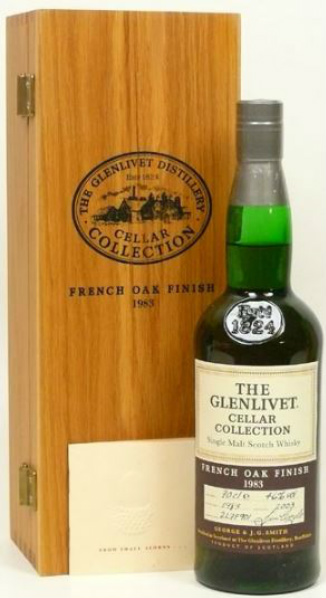 Color: Amber gold.
Nose: Surprisingly fresh but also Sherried and certainly dusty. Elegant with silky wood notes, and some added depth of toasted wood and (partly burnt) caramel and slightly too sweet toffee. Lots of aroma. Flour. Funny enough, and I’m most probably not objective here, there is a silky wood note that seems to lie on top of the nose, not as much integrated as the deeper woody notes. Very nice to nose a Whisky that has several kinds of different wood aroma’s. With the toast comes candied fruits, adding to the depth of the Whisky. Vanilla and Ice-cream notes from American oak, so most definitely a mixture of Bourbon and Sherry casks.
Taste: Creamy Sherry and yes, lots of vanilla. Distant sweet Moscatel Wine. Very smooth. Even though this has seen two or three kinds of wood it is not overpowered by it. Sometimes the wood is hardy noticeable. In the back of your mouth some nice and sweet aroma’s form, but only if the Whisky is tasted with big gulps. Dusty on the palate as well, and alas, alas, a rather short finish.
I’m not sure what the French oak finish brings to the blend of Bourbon and Sherry casked Whisky. Sometimes you do get an un-integrated silky wooden note that lies on top. So maybe it is obvious what the finish did for this Whisky. I’m amazed this turns out to be 46% ABV. It seems more like 40 or 43% ABV. Maybe this should have been bottled with a higher ABV? Good stuff nevertheless. On paper one of the more complex Glenlivet’s from the Cellar Collection, but my mouth tells me otherwise. The aroma’s of this bottling are silky and deep and for some may lack a bit of fruity zest. Highly drinkable though and something you can enjoy properly.
For reasons only science can wholly explain, I followed the Glenlivet up with the Blackadder Lochside I reviewed earlier, and although the Glenlivet is also good, the Lochside blows it right out of the water, so when spending money at auctions I would know what to do!
Points: 86
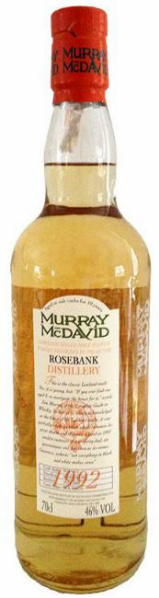 Color: White wine.
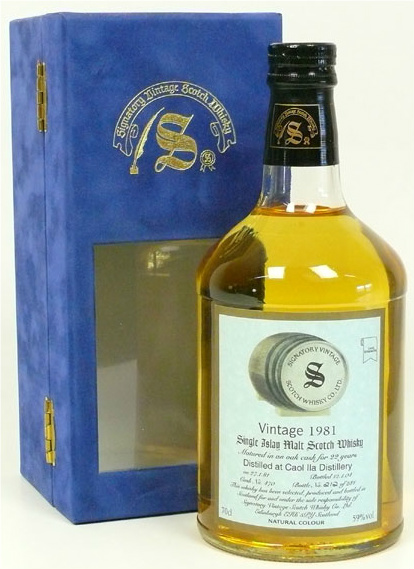 Color: Light gold. The color of this one is ever so slightly lighter than cask #467.
 Color: Copper orange.
 Unlike Benrinnes, Dailuaine has been featured a few times already on Master Quill, the last one just a month ago, so it doesn’t need a big introduction, nor does
  Color: Gold
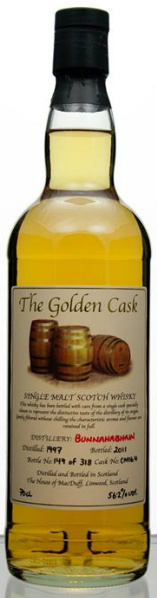 Another House of MacDuff bottling and yes, another Bunnahabhain from this independent bottler. The one I reviewed earlier was distilled in 1972 and bottled at 40 years of age! This again is a fairly light-colored malt, so it seems like a not so active cask. Still, knowing who picks the casks I still have high hopes for this one. It can’t be bad. It seems to me that Bunnahabhain is a very popular distillery for this independent bottler since they have managed to bottle already five Bunnhabhains, this one from 1997 was their first.
 And here is yet another Cooley Whiskey with another brand name. I started with The Tyrconnell Single Malt which was acquired Cooley in 1988. Tyrconnell was mothballed already in 1925. The second Cooley Whiskey was Kilbeggan, a Blended Whiskey and here is the third one: Connemara. Connemara is the brand used by Cooley, for their peated double distilled Single Malt Whiskey. There is a fourth one and that is Greenore, a Single Grain Whiskey made from corn exclusively.
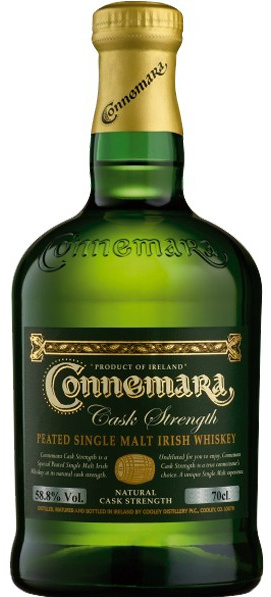 Color: White wine
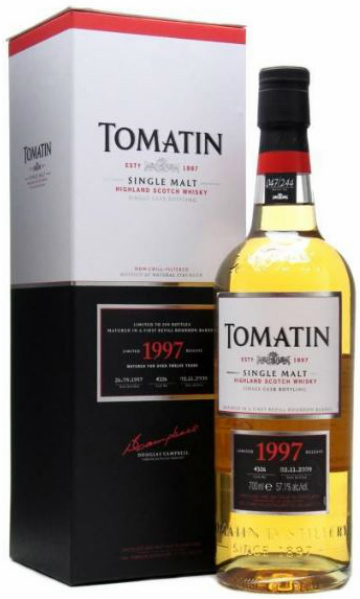 Color: White wine.
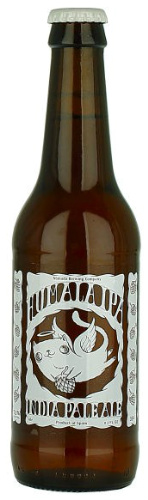 Color: Orange yellow, with heaps of shiny Sugar foam (peach yoghurt in color).
 Color: Light gold.
 Master Quill