Long time no Rosebank. It has been a long time since I reviewed a 1990 Rosebank, bottled by indie giants Gordon & MacPhail. That one was pretty good, it scored a healthy 88 points. Time for another go at Rosebank. This time a 1992 from Murray McDavid, remember them? By the way Murray McDavid bottled two different Rosebanks, both registered as MM1413. (The other one is a 1989, called Mission V). This 1992 is something of a farewell dram since Diageo decided, in it infinite wisdom, to mothball the distillery in 1993, never to work again…
Rosebank was founded in 1798, although some sources mention other years like 1840 and 1773. In the end, Rosebank was sadly mothballed in 1993 by Diageo which preferred Glenkinchie for its Classic Malts portfolio. And why not, nothing wrong with Glenkinchie I say. I’ve tried some very good Glenkinchies, and even reviewed a very good one, a 1987 bottled by Signatory. But why did Rosebank have to go? From an anoraks point of view, bad move since Rosebank distilled some pretty good spirit that turned into some pretty good Whisky if you ask me. Eternal shame.
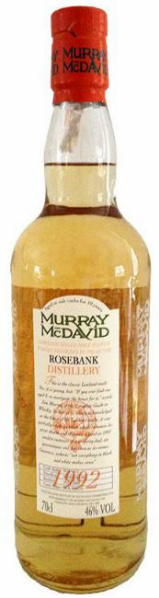 Color: White wine.
Nose: Softly buttery and citrussy. Full aroma and nicely fresh. Nice acidity and sure some barley. Quite clean. If this isn’t your typical Lowland style, than nothing will be. Highly aromatic with soft wood and a nice grassy feel to it. Good spirit and even though the cask seems not that active (due to the lack of color), the spirit is decent and gentile, and the cask did enough to preserve that, and adding some vanilla and cold creamy butter to it. Lurking in the distance is actually some hints of new make spirit. Nice elegant (cedar) wood with milk chocolate and coffee with creamy notes (or coffee pudding). Nice vegetal notes as well. Easily recognizable as a triple distilled lowlander. The big aroma is Rosebank from a good cask. Just compare this to the 1979 Rare Malts version (which I know is much higher in strength, but that would be missing the point).
Taste: Slightly toasted wood and creamy again. This starts with a bitterish and sappy oak attack (with some cardboard and malted barley), but that dissipates quite quickly to show it’s even more malty and grassy side. Also coffee and milk chocolate return here. A tad drier than expected and the body is more about new make spirit than the nose. Still not much though. And yes on the palate we can find the vegetal side. The bitterness of the wood stays on throughout. The whole is very nice, and don’t forget about the refreshing citrussy note!
Classic lowland and even though a fairly young Rosebank from a Bourbon Cask, this is clean and such a typical example of Lowland and Rosebank especially. Even this simple Rosebank shows what a mistake it must have been (looking at quality) to close this distillery down. Thank you very much. This particular expression reminds me of some Bladnochs, so I hope that distillery will be saved before it’s too late and someone turns it into their summer home of some sorts.
Points: 86
 Color: Copper gold
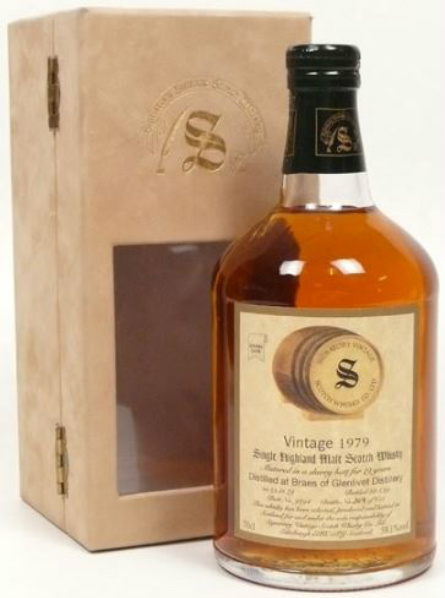 Color: Copper Gold.
 Color: Gold.
 Color: Amber gold.
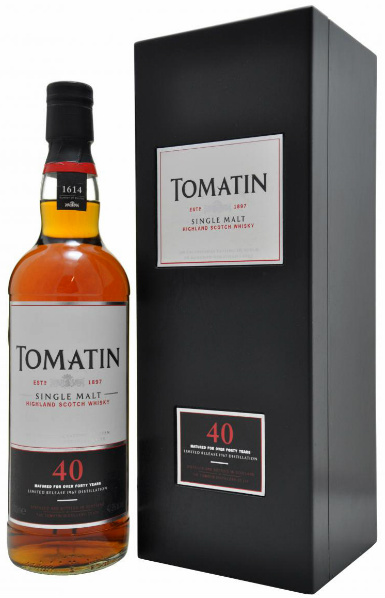 Color: Copper brown gold.
 In 2004 Macallan officially released two Sherried 18yo’s. The one on the right, we know very well, that was the one with the old labels that have been used for decades. (For reasons science cannot wholly explain…). Around 2004 Macallan also started to release a new bottle design we all know from the Fine Oak series and later bottlings. Here we’ll review the 2004 18yo with the new design. The label states that this is Whisky distilled in 1986 and earlier years. We know the “other 18yo” to be very good, now lets see if this is any better or maybe it’s the same stuff…
 Color: Orange gold.
 Color: Copper gold. Not extremely dark.
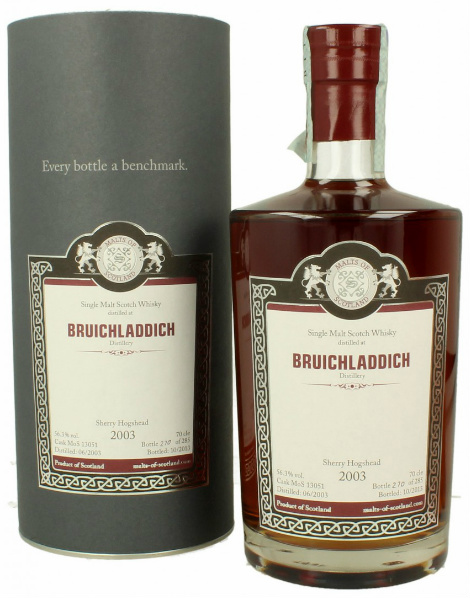 Color: Orange brown.
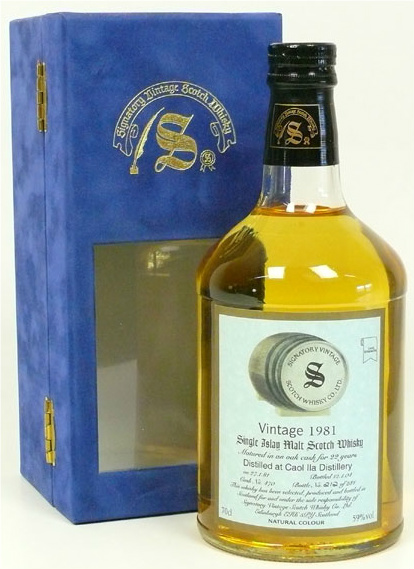 Color: Light gold. The color of this one is ever so slightly lighter than cask #467.
