Villa Antinori Toscana IGT 2007

The history of the Antinori family dates af far back as the 12th Century, when Rinuccio di Antinoro produces wine at the Castello di Combiate near Croci di Calenzano, outside of Florence. The particular wine I’m reviewing today, Villa Antinori, was first made in 1928 and at that time it was a Chianti, but a Chianti that could be further aged. Much later, in 2001, Piero Antinori, reworked this wine into a Tuscan IGT. The wine itself is a Super Tuscan blend: with 5% Syrah, 25% Cabernet Sauvignon, 15% Merlot and of course 55% Sangiovese. After the malolactic fermentation the wine was aged in French, Hungarian, and American oak barrels for one year. ABV is 13.5%.
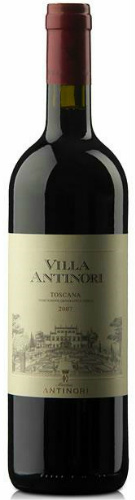
Villa Antinori Toscana IGT 2007Color: Dark ruby-red

Nose: Spicy and fresh, seems young although it does have some ageing under its belt. Some warm very aromatic Tuscan soil, nice! It has its roots firmly in the ground. Warm summer wind late in the evening. Nice red fruits, cherries, blueberries and slightly herbal with a little bit of wood to give it some more character. Nicely balanced wine. Lovely wine with sometimes some whiffs of field flowers.

Taste: Very supple and extremely easily drinkable and delicious. Again some terroir, but not as much as the nose had. Well integrated blend, everything seems to fall in place. Nice depth. Not very tannic, though there is some drying sensation on the tongue and it’s only slightly acidic, but the acidity increases after some more breathing. Breathing also gives the wine something of a bite, bitterness that is, from the wood. The finish is all right and half-long.

This first accompanied food and when that became to spicy, it easily overpowered this wine. The wine itself seems quite light at first, but it did pick up after more breathing. Recommended drinking window for this wine is said untill 2014, so if you have this lying around it’s now probably at it’s best, but I feel still can handle another couple of years…

Points: 83
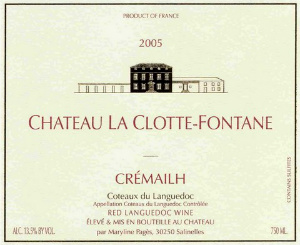
Château La Clotte-Fontane Crémailh 2007

After quite some Beers, time for another Red Wine in what turns out to be my 250th post. I’ve noticed that a lot more Whites got a chance on these pages than reds. Yet after this Château La Clotte-Fontane the next Wine will probably be a White (again) from one of my favorite regions, but more about that later. Let’s not get ahead of ourselves and have a look at his Red Wine from Languedoc. Languedoc is a Wine region in the southernmost part of France. It probably is the region that is the fastest growing in popularity by improving itself annually. Not so long ago, it was probably known only by the vast amounts of Wine produced and not especially for its quality. But as said before, that is rapidly changing.

The domaine is situated near Salinelles, between Nimes and Montpellier and spreads over 130 ha and has two types of soils. One, on the sunny eastern side, contains large pebbles. The second is rather flat and is made up of clay and limestone.
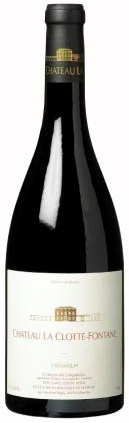
Château La Clotte-Fontane Cuvée Crémailh AOC Coteaux du Languedoc is a Red Wine with an ABV of 13.5%. It is made with two grape varieties: 60% Syrah and 40% Grenache. The Wine ages for 12 months in new French oak barrels in an underground cellar. Next to this Crémailh, the domaine also produces two other reds: Mouton La Clotte and Mathierou, but also one Rosé and one White.

Color: Intense deep red, almost black. Lets only sunlight through.

Nose: Deep and brooding, dry earth, from the clay and limestone soil. Quite modern, stylish. It presents itself as heavy, with its almost black color, but it really isn’t. Some hints of cacao and vanilla. Some fresh oak. It is almost like sharpening a pencil. The fruits are deep and sugared (not meaning sweet), plums come to mind, dried ones too. Excellent.

Taste: Full but not intense. It will probably accompany a red meat dinner perfectly, but drinking this on its own will most certainly do. Not heavy on the tannins, slightly acidic and warming. On the back of my tongue some hints of black pepper ánd clove, which gives the wine a nice ‘effect’. Fruits are more the usual reds: raspberry and essence of cherry.

After this Crémailh I’m definitively interested in the other two reds La Clotte-Fontane produces. This Crémailh is very tasty and well made. The added bonus is in the complexity (not overly complex, but there is a lot happening here) and the detail of the wine. Well done. Drink it now, it’s at it best.

Points: 87

Santa Cristina Toscana IGT 2009

This is a widely available inexpensive blended wine from Cortona (an Etruscan settlement) in Tuscany, Italy. The first bottle of Santa Cristina saw the light of day in 1946 right after the second world war. The wine then was made by Marquis Niccolò Antinori. In 2006 a new winery was opened.

The wine is made of 60% Sangiovese, 40% Cabernet Sauvignon, Merlot and Syrah. 13% ABV. The various grape varieties of the blend are fermented separately and aged partly in oak and partly in stainless steel. Harvesting of the grapes takes place in September and October, Merlot being harvested first. Ageing takes place from the end of winter through spring and by the end of spring the wine was bottled.

Color: Dark ruby-red.

Nose: Creamy, with notes of hot dry earth. Soft notes of raspberries and other ripe red fruits. Ripe because it comes across as soft, and doesn’t have a lot of sourness to it. Lots of strawberry jam.

Taste: Again the strawberry jam and it does have some acidity. Nicely blended to a balance. It’s quite light and lively, but on the other hand nothing really pops out, and it does have a short finish. As I said, easily drinkable, but also easily forgotten. Still I like this, just don’t expect too much. Nicely priced also.

It’s blended to a soft wine, that is very easy drinkable, and will go with anything. Just stay off game. The nose is light and balanced, but very nice, you can imagine the surroundings in summer, where the grapes are grown. It certainly shows where it comes from. The taste however is a bit more anonymous. It’s well made, and it will not repel anyone, as there are no obvious faults. The only thing that disappointed me a little was the finish, it breaks down a little, and is quite short and again anonymous. One to have a lot of fun though and it isn’t going to break the bank. good with food and for carelessly sipping away on the couch.

Points: 80

Château Les Tresquots Médoc 2003

Very typical Bordeaux blend. This one comprises of 70% Merlot and 30% Cabernet Sauvignon. The ABV is 13.5%. The grapes were harvested by hand and the wine was put on oak casks for one year.  The grapes that grow on vines are 30 to 40 years old. grow in the heart of the Médoc region near Bégadan, where the D3 crosses the D103 (for those who were there). Saint Estèphe is just up river.

For what I read, people weren’t too happy about this one when is was younger, so it was no problem to let this lie for a couple of years. I left it for almost 10 years, but now it was time to have a look how it is doing.

2003 was a very special year for the region. The 2002 harvest was very dry and the winter that followed was cool and wet. In march it was already warm (and dry) so growth started early. The following period stayed dry which means low yields. The summer, well, heat wave! So in June, July and August, the grapes got roasted.

Color: Very dark, with deep sparkling red. Almost doesn’t let light through.

Nose: It might be heavy, according to the text above, but for me this is quite lively. Grape skin, hot earth, dry but with a lot of depth. Elderberries with some acidity. Yeast and a little hint of sterile wood. Altogether very balanced. I might be biased by now, but this oozes hot weather.

Taste: Deep, this has some tannins. Thick grape skins and plums. Lots of ripe cherries. Not the red ones but the sweetish black ones. It’s not bitter nor woody, but it does dry the mouth quite a bit. The fun is to be had taking big gulps and the effect this has on the palate. Finish is quite short and a bit anonymous. This is very much recommended with food (meat).

In the end not very complex, but with a lovely nose. And I like the shift toward the black cherries. Especially the taste is ‘simple’ but it doesn’t overpower you, nor does it have any other flaws, apart from the tannins that dry your mouth extensively. Considering early report about this wine, I can say that ageing this is a good idea.

Points: 81

Fontanafredda Torremora Langhe Dolcetto 2006

Langhe is a hilly area to the south-east of the Tanaro river in the Cuneo province in Piedmont, northern Italy. The black grapes used for this wine is the Dolcetto grape that is widely used in this region, where wineries favour Nebbiolo or Barbera. These wines need a long time ripening. Dolcetto on the other hand is one that doesn’t require a long time ageing, two years will suffice.

Fontanafredda was founded in 1878. The total size of the domain 250 ha. which is spread over several areas located in the villages Serralunga d’Alba, Barolo and Diano d’Alba at a height of 200 to 400 metres. Not all wines are made with grapes from their own vineyards. Fontanafredda also buy grapes from other wine makers. For generations, it cooperates with some 500 smaller wine makers in Piedmont. The origin and the quality of these bought grapes is strictly monitored. The Torremora tasted here has an ABV of 13%.

Color: Dark ruby-red.

Nose: Meaty, mouldy, fresh plum and warm plum confiture. Boiling potatoes and wet earth. A hint of glue and something fishy. Bicycle inner tube tyre. This all may seem strange but I can assure you, it is very nice.

Taste: Fruity, but not super fruity and light in a sence that it doesn’t have a lot of tannins, enough for an easy wine. Cherries and prunes with a slight bitter edge. Just the right amount of acidity. It finishes a little bit bitter, nutty and dry. Almonds, or maybe better, the skins that you can find in walnuts.

Based on the nose and the color I expected a more heavy wine (in taste), but it’s not. It’s quite young too. I aged this a little longer than was advised (three years extra), but this didn’t do the wine no harm. On the other hand, it didn’t help the wine forward either. Still it has a great balance. The strange composition of the palate fortunately goes great together. Easy drinkable and very nice. It has a dry or woody edge to it and it has some tannins. Great with lots of typical (not to heavy) Italian foods. I wouldn’t match this up with meat though, for this it is too light. Obviously spaghetti and pizza will do quite nicely. Not overly complex and very agreeable. Nice.

Points: 84

Chateau Saint-Paul 2005 Haut-Médoc

I used to drink a lot of reds and for the last six years or so I love to drink a lot of whites. Alsace was probably what set that off. But as you might have guessed, being the frequent reader you are, I drink foremost Scottish Single Malts nowadays. But it’s not all Scotch that lights our world, so I’ll definitely have to try some different things here too. This time the first red wine on Master Quill.

Haut-Médoc is the large southern part of the Médoc district of Bordeaux in the south-west of France. The famous wines from this region are Margaux, Pauillac, Saint-Estephe and Saint-Julien. You might have heard of those.

The wine of choice for today is Chateau Saint-Paul of the 2005 vintage. Saint-Paul is a Cru Bourgeois from the Haut-Médoc (St. Seurin de Cadourne). 2005 was a good year for Haut-Médoc, as it was for the whole of the Bordeaux region. The soil is mostly gravel, chalk and clay. The wine is made of 50% Cabernet Sauvignon, 48% Merlot and 5% Cabernet Franc. ABV is 13%.

Color: Ruby red.

Nose: Meaty and sour. Red and dark fruits, berries, black currants and blackberries. Plums maybe? Dust and moist dirt. Floral. In fact it tasted quite thick and sweet (raisins), which it probably is not, still it reminds me a bit of sniffing a ruby port.

Taste: It has depth and is a little sour and powdery. Definitely some wood in here too. Wet leaves, but not earthy. Elderberries, but not bitter. Good tannins which do not take over the wine, still you’ll know from your tongue. It isn’t overly complex, but is has good balance and is a very nice wine to drink. Medium body and medium to long finish.

This one is at it’s best decanted for an hour or so, maybe two. When I tasted this from the just opened bottle, it was quite closed, but a few hours later it showed a lot more. So age this maybe a little longer, decant it properly, then this will be at it’s best.

Points: 85