Bimber “France Edition” 2021 (58.9%, OB, Port Cask #30, for La Maison Du Whisky, 290 bottles)

This is the fifth review of Bimber on these pages, After cask #194 (Rye cask), cask #224 (Bourbon cask), cask #94 (virgin oak cask) and cask #41 (Pedro Ximénez cask), we now turn our attention to cask #30, which was a cask that previously held Port. This is another chance to see yet another side of Bimber. Until now the scores ranged between 86 and 88, which is quite a narrow range of scores, well see if this Port expression will broaden this narrow range somewhat, although I suspect it might not, and is so, not by a lot anyway, since the quality has been there all the time. A score lower than 86 is probably unlikely, especially since, for the time being, the Spirit seems to work well in any cask, and on the other hand, the Whisky might be just too young to propel the score way past 88 Points, but hey, you never know and if the Whisky turns out stellar, it will definitely score higher than 88, and if the Whisky is (badly) flawed it will definitely score lower than 86.

Color: Orange Brown, no red hue.

Nose: Warming, elegant. Spicy, one of the markers that many Bimbers have is cinnamon. It’s a signature aroma. Vanillin, raisins, licorice, leather, dust and old mahogany. Lots happening right from the beginning. The wood especially smells really good, very classy. Hints of Rhum Agricole and an old hardened out floral bar of soap. I said: hints, so this nose is not particularly soapy. No, cinnamon, licorice and wood are the main markers, other than that, this smells quite fresh and lively. It has some fruity acidity to it, as well as a breath of fresh air. Apple pie and cookie dough. This one ticks a lot of nice boxes. Toffee. Not very red-fruity though. In the Whisky business Port is Port, they really don’t seem to care a lot that there are a lot of different kinds of Port in existence. So I wonder what kind of Port was in the cask before the Bimber spirit, assuming it is a first fill. Again a very pleasant nose. The Bourbon, Rye, Virgin, Pedro Ximénez and now this Port are all very good on the nose, yet this one especially. This Port version smells really really good, it might not be the most complex of the ones I have smelled and tasted until now, but very good nevertheless. The aged spirit already smells nice, but the Port definitely adds another layer.

Taste: Definitely leather first this time. Hints of black coal and old style red fruits, initially like a Whisky from the seventies in a good Sherry cask. This old-style effect only shows itself now that the Whisky had some time to breathe in the bottle as well as in my glass. The freshly opened bottle didn’t have this. Some toffee and sweet fruity Wine notes at first. Cinnamon propels it forward. Again a very elegant taste. Wood, cinnamon and leather. Slightly burnt sugar and hits of tarry licorice. A tad of woody bitterness as well now. Sweetish with again the hints of red fruit we know from Old Bowmores and good old Redbreasts. Sweet and fruity not unlike strawberry jam. Next some vanilla powder seems to be mixed into the cinnamon. More typical fresh oak, with a neat little bitter edge, giving it some more backbone. Pencil shavings adds another wood-note. This is also the moment, the initial sweetness wears off. On the palate it even has more traits of Rhum Agricole than the nose had. I even pick up on some cola now. Tasty. This is a very balanced Bimber. Initially I thought Bimber works best with Bourbon, Rye and Virgin oak casks, and I might have mentioned that earlier, in hindsight, I guess it will work in almost everything, since the Pedro Ximénez turned out better than I thought and this Port also works very, very well for me. With 86 Points, the Pedro Ximénez version is the lowest scoring Bimber, and my least favorite of the lot. But come on, 86 points, that’s quite impressive for the worst Bimber on these pages. Taste-wise this Port version might not be the most complex of the lot, yet comes close though. It does have a better drinkability than the Pedro Ximénez version I just reviewed, still not one for casual sipping though, but if you do, you’ll be alright nevertheless. I totally get why La Maison Du Whisky (LMDW) picked this particular cask, excellent choice!

This one has a lot to offer. After all the Bimbers I’ve tasted, not all have been reviewed though, I’m sure the beauty lies in the details and therefore Bimber still needs to have my full attention. This one is not a casual sipper. If you give it the time it rightfully deserves, you’ll definitely will get rewarded big time. Personally, Bimber is maybe my favorite of all the new distilleries. High quality and very mature for the age of the liquid.

Points: 89

The window of scores did become a little bit wider now with 89 Points. Very good Bimber once again. If the Sweetness would have more staying power towards the finish and into the aftertaste, this would have scored 90 points.

Bimber “Pedro Ximenez” 2020 (50.9%, OB, Pedro Ximénez Sherry Cask #41, 335 bottles)

So earlier I reviewed three Bimbers, all matured in American Oak casks, one that previously held Rye, one that previously held Bourbon and one that previously held nothing. In those reviews I already told you that I felt those three types of casks worked best for the Bimber spirit, mostly quite similar but also at the same time quite different. I also mentioned that it would become clear in another review why those type of casks work best. Well here it is, this is that other review. This example was fully matured in an Ex-Pedro Ximenez Sherry Cask. Pedro Ximénez is a (very) sweet fortified Wine made from very ripe grapes of the same name. The grapes dry in the sun to obtain a must with a high concentration of sugar. Pedro Ximénez-casks are also very well known in the Whisky-world. Usually not for full maturation, but more for a finish. People do still feel that an ex-Oloroso Sherry casks works better for Whisky than a Pedro Ximénez cask. I understand the feeling, but this is no always true.

I once brought three Bimbers to a meet of my Whisky club. The Virgin Oak cask I reviewed earlier was somehow accepted, bust this Pedro Ximénez not so much. So proceed with caution. I might think Bimber is great, but that might not be true for you.

Color: Copper gold.

Nose: Very spicy. I know now this is quite common for Bimber. Smells like a pre-war shop selling spices. Hints of Pedro Ximénez, yet not fruity. An old leather bag. The whole is more dark and brooding. Also a thin veneer of lactic acid, acetone and a wee hint of horseradish, distant smoke and petrol. All in minute quantities (I didn’t pick upon these yesterday). Somewhat sweet smelling. Chocolate chip cookie dough. After a while in my glass, the aforementioned shop becomes somewhat more of a candy shop. Cinnamon sticks (lots of it) as well as the pink, raspberry flavoured ones? Still not fruity. The nose is quite raw and dry, like drawing in a breath of ice-cold air, yet the whole seems to be more warming, as can be expected from cookie dough and cinnamon. More of the old shop and an old book show up now as well. To be honest this is an amazing nose, with a small lactic acid fault, but the whole is pretty amazing smelling, amazing and classical. Quite a feat for yet another NAS. How do they do it? Dust and licorice powder, still this aura of sweetness in the smell. Smells like Christmas. Good balance, I like it.

Taste: Sweetish, spicy and woody on entry. Something prickly. Lots of licorice in many guises. The powdered stuff as well as the black bit of Licorice Allsorts. Sweetish and slightly sticky. Sweet wood and some raisins. The dry and the sweet work together well, not exactly cancelling each other out, thus reaching a nice synergy. Every new sip starts with wood, sometimes somewhat harsh maybe, but next comes this ever growing fruity sour note. Although Pedro Ximénez is very sweet, the Wine works well because of the underlying sour notes. Just like Laphroaigh is heavily peated, but quite sweet underneath, that makes it work wonderfully. The acidic fruit note is authentic for a Whisky that was (fully) matured in Pedro Ximénez, yet some might find it off-putting, as I found out the hard way. There is slightly less balance on the palate than there was in the nose. By the way, especially after sipping, the nose becomes even more beautiful, even after the first sip. The taste does show a slightly burnt character. Still pleasing stuff nevertheless. This bottle, more than others, got a lot of slack from some people, but now properly analyzing it, I don’t concur. Sure these are some small issues with it, as there always are (have you ever encountered an perfect Whisky, and if so did you score it a 100 points?). The whole is very tasty, elegant and pleasing. Or is it just me with a liking or fondness of Bimber? So the only faults I could find, if I’m looking for them, are the lactic acid right at the start I mentioned above, and the aftertaste being rather sticky, with sawdust and a slightly burnt note as well. The body of this Whisky is very good.

A lot is happening behind the scenes with Bimber these days, and the stories I hear, one even more crazy than the other. Still I hope they can sort it out and for things to fall into place. It would be a shame to lose Bimber. It’s a young distillery, and a young, well looking brand, yet the whisky, still all NAS is nothing short of amazing. This Pedro Ximénez one is not a casual sipper, but one for an armchair, a good book and a nice warming fire in the fireplace. A winter warmer. I can forgive it the few flaws it has, because the rest is more than making up for it. For a long time I believed that clean American oak was the way to go for Bimber. Bourbon, Rye and virgin oak, but this Pedro Ximénez is working for me as well, even though of the four mentioned it does scores the lowest. Maybe Bimber has such a nice spirit it will work well in anything. No don’t you break out the herring of Tabasco casks just yet, people. We’ll see what the next reviews of Bimber will show, but up ’till now I’m quite happy with Bimber, and I’m looking forward to the next one.

Points: 86

Bimber “Virgin Cask” 2020 (57.4%, OB, American Virgin Oak Cask #94, 263 bottles)

Earlier we reviewed two Bimbers matured in American oak casks that previously held another Whiskey. One Bourbon and one Rye. Both, together with American oak casks that previously held a Tennessee Whiskey, (like Jack Daniel’s and George Dickel), should be the type of casks that showcases the Bimber spirit best, especially when they are refill casks. This will become even more clear in my next Bimber review. That review is not yet planned, but I promise, you won’t have to wait all to long for it, just not right after this one. Just bear with me on this one.

But wait a minute, what about an American oak cask that previously held nothing more than air and maybe some water? What about a freshly made American oak cask, that has only been toasted, as they all are? Yes virgin oak. Using a new cask is not very popular in the Whisky world, and for a long time it was quite unheard of. Sure there were Whiskies made that in part used new cask, but not a lot per batch. When looking at Bimber, I was quite surprised virgin oak cask editions perform really well in the secondary market. Especially in the home (UK) market people seem to dish out some serious amounts of dough for a virgin oak Bimber. Well, since Master Quill is based in mainland Europe, the secondary market for virgin oak Bimbers has not yet reached the levels like that of the UK, so, as usual I snapped some up at a German auction. Yes I did pay somewhat more than for both the Belgium and The Netherlands editions, but nowhere near the current UK prices.

Color: Full gold, almost orange.

Nose: Creamy, buttery (Werther’s Original), with Bimbers marker: Cinnamon. Very fragrant stuff this is, slightly perfumy. Early on some hints of apple aroma close to Calvados, these are gone or overpowered lateron. Bigger and fatter than the Ex-Bourbon and the Ex-Rye reviewed earlier. Very fresh, pleasant and well balanced. Wood and sawdust. Vanilla ice-cream with a leafy and green note to it. Old cardboard and some pencil shavings. Even when smelling, the Whisky becomes less fatty. It’s dryer now. Less “big”. Still some dust, more cinnamon and some indistinct wood related spices which are easy to spot yet hard to identify. To me this one seems somewhat less complex and layered than both the Ex-Bourbon and the Ex-Rye. It is almost like the fruit wants to come out, but doesn’t manage to make it through the creamy cloak, (the vanilla, the butter and the ice-cream), that stretches over it. So this a pretty straight forward expression. Good again, yet a bit simpler. Sniffing this deeply, beautiful abundant wood notes and in no way does it smell of alcohol, similar with the other two. This is wood perfume (hints of vegetal oil and an old bar of soap). Hints of sandalwood, just less intrusive than the sandalwood coming off some men’s eau de toilette. The nose develops over time, becoming more complex with added notes of licorice combined with fresh butter. So all is good. Whereas in a tasting session with both others, the complexity just seems less, it does show multiple personalities over different sessions, so maybe this is a different way of complexity after all, or is it just me that is different?

Taste: Fruity onset, somewhat sweet. Wood, wax and some bitterness cloaked by the fruit and creaminess. The slight bitter note is paired with some licorice. Next the char and some masked (fruity) sweetness. Hints of cola? I expected it to be more creamy though, but the wood does dominate. Next some cookie dough, with a (fruity?), acidic note on top. Here I notice again that the nose seems more refined and developed after taking the first sip. Strange combination of sappy oak, sweet mint candy and carbon powder (the charred oak). A dishwater like bitterness. Usually it is the florality of dishwater that can be smelled/tasted, here it is the bitterness of soap. Just a hint, just making the whole more interesting rather than disgusting, because really, dishwater? Definitely less creamy and fatty than I’ve come to expect from the nose alone yet still bigger than “the other two”. By now the nose does evolve a lot, and again becoming more than just good.

Virgin oak casks are made of charred American oak, and since no other liquid has been interacting with the (charred) wood, a cask like this will always properly colour the Whisky. Virgin oak is often looked at with some concern, and thus it was never a common practice when it came to producing Single Malt Whisky. But after the Wine casks, the Port casks, the Rum casks and so on, it was just a matter of time to broaden the wood palette, and start experimenting with virgin oak. Why not? The market demands it, it wants choice! It is yet another marriage between spirit and “a wood” which is essentially what Whisky is. Is it better than the others, no it’s not, it’s different and it is yet another take, and often the results are mediocre at best, just like the early Wine casked Whiskies. Sgtill a lot to learn here I guess. For Bimber though, virgin oak seems to work pretty well, the quality and the character of the liquid just work with the virgin oak. Bimber aficionado’s know this, as I said earlier, because virgin oak Bimbers do very well in the secondary market, much better than its Bourbon and Rye counterparts. Is it better than those, no it is not, I say it again, but it is a welcome variant, but for a lot less you can purchase an Ex-Bourbon Bimber or an Ex-Rye one which are also much less scarce and offer at least the same amount of quality, just with a different overall feel.

Final remark. I’ve come to find that to get all out of a Bimber, you need to give it peace and quiet and also give it some time. Comparing the three: Virgin has the more straightforward nose, yet very chewy and likeable. Rye is the most complex, distinct and fragile. The Bourbon is somewhere in between the two, less fragile but much closer to the Rye than the virgin oak, so no surprises there really. The Virgin oak is actually a different puppy, and a big puppy at that. Based on the taste, the Virgin is again a different puppy, way more creamy and sweeter, and more about the cask than the other two, which show more of the (quality of the) spirit. And tasting all three back and forth, it seems to me the Rye seems to have the best balance of the three, as well as its delicate complexity. So If I had to buy just one: The Rye. If I could pick two: The Rye + The Virgin. They are not created equal, where the Rye and the Bourbon almost are. If I could only get the Bourbon, no problem whatsoever. Both the Bourbon and the Rye are quite similar, with enough to set them apart in the details, today I prefer the Rye, but tomorrow might be different. The virgin, however, is a welcome “distraction” or better: a variation on the Bimber theme. Especially after trying the Bourbon and the Rye back an forth to pick a favourite (emptying both bottles in the process), and actually, the Virgin is also a very good dram. All three are definitely worthy of their spot under the sun, and on my lectern.

Points: 87

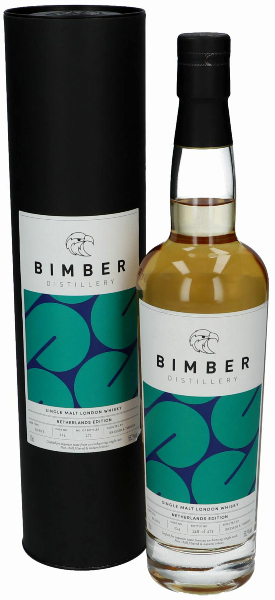
Bimber “Netherlands Edition” 2021 (58.2%, OB, Rye Cask #224, for Bresser & Timmer, 271 bottles)

Geographically, the transit from The Netherlands to Belgium is a short one. The Belgians, when compared to the Dutch, are known to be more into the taste and smell of food and drink, and thus spend more money on it. So, as the human I am, (I’m no T-1000, although I do love my liquids, nudge nudge, wink wink), I would say, and I know this is a big assumption now, that the Belgian version should be better than the Netherlands one. Also, one doesn’t hear a lot about ex-Rye Whisky casks. However, I do know that in general the Whisky industry in general doesn’t discern between casks that previously held a Bourbon or those that held a Tennessee Whiskey. All are called ex-Bourbon casks, since the two are common in the US of A. I guess the same maybe true for casks that previously held a Rye Whiskey. All three forms of Whiskey are different especially the Rye Whiskey and now we have a chance to find out if Bimber from an ex-Bourbon cask is different from one that matured in an ex-Rye Whiskey cask.

Color: Pale White Wine

Nose: Floral, perfumy. Old worn out dried flower pouch, pot-pourri would be to much, to describe the florality. Maybe it’s even slightly soapy, like an old bar of grandma’s soap in a closet full of linen. Malty and soft. Smells also ever so slightly sweet combined with some pencil shavings and cinnamon. Again a wonderful, friendly nose. Fresh and zesty now. Sometimes slightly farmy yet also clean. Warm mocha and creamy, with a hint of peanut and almonds. occasional whiff (a mere hint) of tea tree oil. Candied warm apple and a mixture of soft kitchen spices. Great balance again. Smells very tasty. Rye Whisky itself is in general more floral than Bourbon, and the same is applicable here as well. All of a sudden a whiff of fresher, almost virgin, oak. Again, when this gets some time to breathe, this one has a killer nose as well. It is slightly closed at first, so it does need some air. I pick up on some licorice notes out of the freshly emptied glass. The nose of the Bourbon expression is bigger, yet this one is similarly complex and wonderful as well, Even with this one being “thinner” it is equally as good. Again here we have yet another example of a Malt that needs to breathe. When it gets this time, it is an amazing nose. The nose of both belong to Whiskies that score in the 90 points range, an amazing feat for such a young Malt.

Taste: Short sweet onset, somewhat thin texture. Less sweet and creamy than the Bourbon expression for Belgium. Right out of the gate this seems to have been a less active cask, somewhat introvert so to speak. It gets leafy, green, paper-like and woody quickly. A bit dryer, spicier and more raw than the Bourbon expression, yet the fruity sweet bit clings on for dear life as well. After the first sip (quite hot going down), the nose shows a lot more cinnamon. Mocha as well, which pairs nicely with the cinnamon notes. After trying quite a few Bimbers over the last year, cinnamon seems to be a marker you can recognize it with. After the wood, fruity lemonade pops up. I’m sure that the nice play on wood masks the fruit a bit, but is it quite fruity (underneath). Even if the Bourbon-expression for Belgium turns out to be “better” than this Netherlands one, I feel this one is more unique. I welcome the different experience the Rye expression offers, and I’m having al lot of fun with this one as well. The finish is yet again a bit thin yet ever so slightly better balanced than the Bourbon one, and it is of medium length. The aftertaste is somewhat sweet and lacks a bit of staying power. No off notes, no bitterness.

I know Hans (Bresser) and Auke (Timmer) and these guys wouldn’t accept a “lesser” cask for a Whisky in their name. But I also know these guys enjoy their live better than the average Belgian, who most definitely enjoy the good things in life better than the average Dutch. Even though initially I found the Bourbon version to be slightly better, this Rye version differs a bit and as such is also a bit more adventurous. The Bourbon is more creamy, the Rye more floral and slightly more special if you ask me. It is nice though to have the two side by side and compare the two. Never ever did I regret to have them both open at the same time. It was definitely worth it. Now that they are nearly gone, I find myself leaning a bit more towards the Rye, yet on other occasions more to the Bourbon. Go figure. Both are actually equally good, so they get the same score. It was a good thing to have them both open at the same time, easier to pick up on the difference. Good stuff.

Points: 88

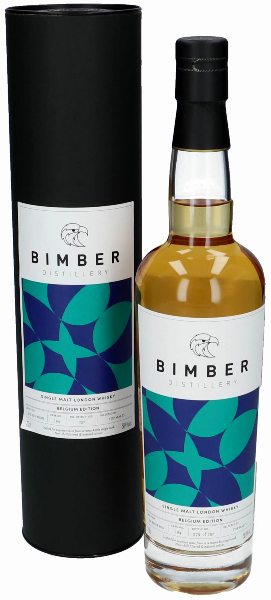
Bimber “Belgium Edition” 2021 (58.4%, OB, Bourbon Cask #194, for Top Malts, 257 bottles)

Bimber means Moonshine in Polish. You know, alcohol distilled by amateurs under amateuristic conditions. Home distilling is not a strange thing in (rural) Poland, and most distillates are fruit-based. The founders of Bimber, Darius and Ewelina, moved from Poland to London and started distilling. The first casks with Whisky were filled on the 26th of May, 2016. The apple often doesn’t fall far from the tree, so no surprise here that somewhere down Darius’ family tree there were men distilling alcohol under amateuristic conditions. Bimber tries to do as much as they can themselves, with traditional methods and always with the highest quality in mind. They have an on-site cooperage and they have their own yeast. Apart from that, they have a seven day fermentation period which is much longer than is usually the case. This long fermentation produces a light and fruity spirit.

As with any Whisky, I feel you get to know it best when it’s matured in an ex-Bourbon cask, preferably a refill one. So no surprise here that the first Bimber on these pages is matured in a cask like that. I only don’t know if this is from a first fill or a refill cask, although the amount of bottles produced seem to suggest it came from a hogshead, which makes it a refill cask. When the first cask has been filled in 2016 and this was bottled in 2021, this can be no more than five years old, and probably less than that. I came across Bimber for the first time at the Whisky Show in London and liked it very much, and after that, the first purchases, (five in total), were just a formality. This Belgium one is one of those first five.

Color: Pale White Wine

Nose: Holy moly what a wonderful nose. Soft, spicy (also soft), mineral and creamy. Slightly farmy with fresh rain water or water in a fast running stream. Barley, barley sugar, sweet fruits (in candy form) and more cream, clotted cream, powdered pudding. Candied cinnamon, fresh almonds, soft sawdust and somewhat leafy. It’s like being in a dusty mill where spices are being ground on a sunny day. Potent and light at the same time. Full on aroma’s. Hard candy raspberry stick, the ones you buy at a fun fair. More soft spices. Greenish and leafy again, almost like candied sawdust this time around (that’s a first). Sometimes hints of creamy horseradish (Chrzan cremowy). Already this Malt oozes utter quality. What a perfectly balanced blend of aroma’s, and at this age! Nothing short of amazing. I’m an instant fan of Bimber after Whiskies like this. Look, I believe this can’t be more than four years old and it has already nothing to do with new make spirit. Well sparsely the smell of Gin, but we do like the smell of Gin now don’t we? However, when sipping this, I often don’t smell the Gin to be honest, but sometimes I do. Today even Lagavulin, and for some years, some other bottlings from other distilleries in Diageo’s special releases, like the ever so popular smoky Cragganmore, still taste a bit of milky new make. What is that? And why do different Diageo distillates show the same markers. Markers I’m not really fond of, by the way. Point is, that this young Bimber seems to be more mature than some other Whiskies more than twice its age.

Taste: The onset is sweet, but already there are some nice amounts of sweetish wood spices and cardboard to be found. A minty and cola-like sparkle. So some wood, ever so slightly bitter and quite fruity, as well as some acidic lemony notes, which makes the whole more vibrant and less heavy (as in syrupy peaches). Mind you, it isn’t a really sweet Whisky this, but the sweetness does play its role. Mocha with brownie dough. Instant coffee granules. Taste-wise the youth of this Malt is easier to pick up on, because of the lack of complexity when compared to the wonderful nose. Even at this strength this is highly drinkable. I should try it before its gone, but I never found the urge to add water to this. Finally, in the finish some woody bitterness arrives, which, in moderate amounts, is needed by a Whisky, since it is aged in wood, so we want to notice the wood. We don’t like the bitterness to be overpowering though, and here it certainly isn’t. Nevertheless, the nose is better than the taste, but the whole is really good. I wonder what will happen when this becomes of age, I’m not even sure right now if that is going to be a good thing, since this youngster managed to pick up already quite a bit from the cask it was in. We’ll see.

Points: 88

Cotswolds Single Malt Whisky “Inaugural Release” 2014/2017 (46%, OB, First Fill Bourbon Barrels, 4000 bottles)

Every year our team attends the Whisky Show in London, and every year we come across something that surprises us. Usually it is a particular distiller. One time it was the range of Tomatin, and more recently we really liked the stuff of Indian Distiller Paul John. For example, last year, the only bottle I bought was a single cask Paul John. This year we found that the crux of the festival seemed not to be a particular distiller or brand, rather than the high quality of young Whiskies and/or new distilleries. Sure, there was a plethora of amazing old Whiskies on the Gordon & MacPhail stand and there is always nice super-premium stuff at the Diageo stand, but for us this year was about very nice young Whiskies. And guess what, they all came with age statements! Yes, it can be done! Funny enough, also young Whiskies coming from distilleries, people, (including me), tend to ignore. So, this year, I returned home with an 8 year old Tamnavulin, an 8 year old Glen Moray, a 10 year old Glenlivet and finally a 12 year old Tormore. All young, age stated, single casks and all from independent bottlers. Highly affordable as well. Before I forget, equally amazing was the Ailsa Bay and the man behind it. Today we are going to look at another young Whisky. The first release of an English Single Malt Whisky from the Cotswolds.

In my mind when a new distillery opens, it’s the brain child of two blokes who think they can do things better and try to conquer the world. Yes, I’m a romantic. Not true here, the two blokes thing, that is. This Whisky isn’t made in a shed in the Cotswolds. No, the Cotswolds distillery is the brain-child of Daniel Szor. A New York banker from Polish descent. Unfortunately his parents never learned him the language. Believe me, I tried, nope, Cotswolds is definitely not a shed. It’s a full fled distillery with tours and everything and a lot of staff, a lot, so I guess mr. Szor has some big plans, and is here to stay!

Color: Gold.

Nose: Floral, zesty, young and very perfumy. Big aroma. Cinnamon, cinnamon (again), more cinnamon and bread, cereal, sawdust and lots of notes from first fill Bourbon casks. Vanilla pods and Sinaspril pills. So yes, a nice acidic note as well. Insence sticks. No off-notes whatsoever and hardly any trace of new-made spirit. Nice wood, beautiful wood actually. Dry leaves and toasted toffee. Hints of candied yellow fruits in the distance. Spicy like an Indian Malt. Not sure this comes from the wood or are they using indian six-row barley at Cotswolds? The florality reminds me of Indian Whisky as well. Very appetizing. Well balanced and again a very big nose. Wonderful aroma’s coming together nicely. Still young and it already shows a lot of potential, which doesn’t mean this inaugural release isn’t worth it, because it is! Well done team!

Taste: On entry a wee bit thinner than expected and after that, an elegant and mouth coating young Malt emerges. Slightly sweet, slightly bitter, with toffee and caramel notes, and a lot of aromas coming from the first fill Bourbon casks. Making the body “bigger” than the entry was. Not as sweet as the nose promised. Already some nice yellow fruits though, as well as a hint of latex paint and machine oil? Wow. A desert in itself. Sweetish. Vanilla with a spicy note added to it. Just like the nose, quite Indian in style. Very appetizing stuff. The wood is almost virgin now, with a sharp spicy edge to it. Oats and crackers. Cigarette ash and toasted oak mixed with light fruity acidity. Again, lots of balance for such a young malt from a new distillery. Nice aftertaste.

Amazing inaugural release of Cotswolds. I’m told this is three years old plus one day, (some mentioned four days, but who is counting days in Whisky?). Amazing Indian style nose reminding me of some Paul John releases but foremost of this Amrut.

As mentioned in the introduction. Distilleries these days, are able to put out some very nice young Whiskies, even the ugly ducklings of yesteryear, you know, those anonimous distilleries distilling for blends only, like the aforementioned Tamnavulin. Amazing stuff, but on the other hand, we the consumer, we also had some time, by way of NAS-Whiskies, to get used to the taste of younger Whiskies. Maybe we just needed some time to adjust, and accept the times they are a-changing? Really old Whiskies these days cost the same amount of money as a new car, and something a bit younger still costs about the same as a nice vacation. So yes, we did get used to the taste of younger Whiskies, but nevertheless, there is much good stuff going around, just different from the stuff we bought 10 or 20 years ago…

Points: 84

The English Whisky Co. 3yo 2007/2010 “Chapter 6” (46%, OB, American Standard Barrel #001-011)

Next stop is in Roudham, Norfolk, UK. Although close to the source, from a Scottish perspective, this is a World Whisky. The English Whisky Co. is the brand name and the distillery is called St. George’s Distillery. Founded by James and Andrew Nelstrop, its location was chosen because of clean and pure water, and well Barley and Norfolk, need I say more? Initially they wanted to build a micro distillery, but customs and excise wouldn’t have it, they wanted a big distillery, otherwise they wouldn’t bother giving off a licence. In december 2006, distilling commenced under the supervision of Laphroaigs one and only Iain Henderson. 29 barrels were filled. This particular Whisky was distilled two months after opening by Iain, aged for three years so it is barely legal…

The English Whisky Co. 3yo 20072010 Chapter 6 (46%, OB, First Fill American Bourbon Casks #001-011)Color: Light gold.

Nose: Extremely malty, and noses like new make spirit. White bread used for sandwiches dumped in water. I guess the eleven casks used weren’t very active. Grassy, lemongrass and sugar. Hay and all sorts of grass plants. Citrussy. It will remain the new make spirit it essentially is. Malt, bread and Vodka. That’s it. Sure, noses like this are part of the Whisky industry as a whole, so you “gotta love it”. But I don’t like it when I buy a bottle of a finished product. I’m not nosing this and enjoying myself, to be honest.

Taste: Soft and sweet. At least the taste shows some potential. Well rounded, and just the right amount of sweetness. Taste wise no off notes whatsoever, just plain young and massively un-complex. Enjoyable? Very! Toffee and vanilla. light and sunny. You get my drift.

Nosing this stuff I really asked myself why would anyone bottle this when it is clearly not ready. This is why they came up with the rule that Whisky must be three years old. Well, if you make stuff like this in a cold climate with inactive casks (first fill, really?) and it reaches three years of age, then it hardly meets requirement doesn’t it. Tasting it is a different story completely. Good potential, and I’ll be watching this Whisky grow. I hope they will succeed. Good luck!

Points: 75

Shepherd Neame Spitfire (4.5%, 500 ml)

And now for a completely different beer. This time something from the oldest brewer in Britain. Sheperd Neame from Faversham, Kent founded in 1698. Spitfire is a cask conditioned bitter that came onto the market in 1990 to commemorate the Battle of Britain. This bottle of britain is named for the famous fighter aircraft from the second world war. The beer also has a different kind of advertising than we are used to of which I only give you a few, but there’s a lot more. Let’s move on to the beer, shall we?

Color: Copper, Amber, not a lot of foam.

Nose: Fresh, it almost has no scent at first, certainly malt but after that we’re in the twilight zone. Hard to tell what else there is.

Taste: Thin (probably the low ABV). Fresh, summery ánd bitter. This bitterness once tasted, never leaves and dominates even the finish. The body is light, hoppy and malty. The middle and the finish make this less summery, although I guess this will do well as a thirst quencher on a terrace looking at people passing by.

In the end I found this to be very easy, not to say very simple. For me even though it isn’t very bitter, still the bitterness dominates the light palate. Maybe that’s why they call this a bitter.

Points: 68