This is a 1976 Benromach, bottled in 2012. So it’s either 35 or 36 years old. Said to be from First fill and refill Sherry hogsheads. Just compare it to the 1969 vintage, which is from refill Sherry hogsheads only. The 1969 is much darker in color. So what kind of Sherry was this from? Sherries exist in lots of different styles, and just like a “normal” wine, Sherry has lots of different colors, and aroma’s, too.
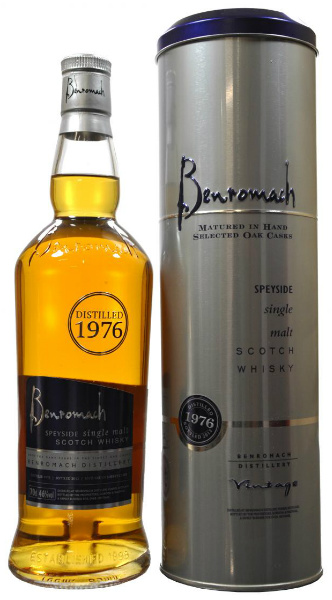 Color: Gold with a slight reddish glow.
Nose: Oak and vanilla. Spicy, dry and vegetal. The smell you get when you break a fresh twig. Slightly burnt wood and a tiny hint of peppermint. It smells younger than it actually is and despite the 100% Sherry statement it is not far away from an older Bourbon matured Whisky (at first). The isolated oak flavour is there, but when this is not from American oak, there is less vanilla to go around. That seems to be the case. So European oak it is. Lovely wood notes, elegant and fine. The wood seems to hold some bitter orange skins in its aroma. Also noticeable is a slight (white) winey note, but also some nuttiness which leads me to believe these casks also held some Fino’s and/or oxidized white Sherries. Not a lot of fruitiness which sets it apart from the famous Tomatin’s from the same vintage.
Taste: Well hello there. This starts with the fruits the nose lacks, but also the wood plays a nice role in here too. Even at 46% ABV, this is quite hot and peppery. Dark chocolate. Nice. The initial fruits quickly disperse which leaves more room for the wood. Not a lot of sweetness, and the wood brings a slight bitterness that suits this exercise in wood (and the nuttiness of dry white Sherries) well. The finish carries hidden notes of flor. This one needs lots of air to settle and to get the balance right (Depeche Mode), but when it does, it shows you its high quality. Still not an easy one and this one will only reward you if you keep an open mind and work at it a bit.
The contrast between this lighter Sherry bottling and the darker 1969 Sherry bottling probably isn’t a coincidence. They go together like the Glengoyne Summer (dark) and Winter (light). Sure this is high quality stuff, and you have moments in your life when you really need a Whisky like this. The aforementioned Glengoyne Winter is a similar Whisky. (The only differences being that the Winter is more funky and less elegant, but slightly sweeter and much higher in ABV). Having said that, in my case, there just aren’t a lot of days like that, so a Whisky like this lasts very long. Every time I need it, I thoroughly enjoy it, but when I have it at the wrong moment, it’s a difficult Whisky. So choose wisely, first when you buy it, it’s quite expensive, and second when to sip it. One thing for sure, or actually two, its great stuff and it will last long.
Points: 87
 Penultimate day of Master Quill’s Laphroaig week and just as yesterday, another Douglas Laing Laphroaig. Seeing a pattern here? So which one will finish this series off tomorrow?
 Color: Copper brown
 Color: Light gold with a pinkish hue. Sherry all right.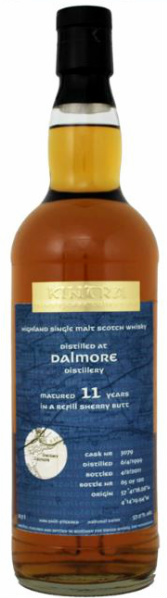
 Unlike Benrinnes, Dailuaine has been featured a few times already on Master Quill, the last one just a month ago, so it doesn’t need a big introduction, nor does
  Color: Gold
 From 1955 through 1956, the distillery is again completely rebuilt, this time because of economics, not disaster. In 1966 the distillery is equipped with six stills, but are not configured in the expected three pairs which a normal double distilling distillery would have. Benrinnes have two groups of three stills which makes for a partial triple distilling configuration (sounds a bit like Springbank doesn’t it?).
 Color: Copper gold.
 Strathmill was founded in 1891 in an old mill, that dates back to 1823. At first is was called Glenisla but when the distillery was sold to W&A Gilbey in 1895 they changed its name to Strathmill. Through some mergers along the way finally Strathmill becomes one of many distilleries in the Diageo portfolio. Strathmill is a big component in the J&B Blended Whisky. Not a lot of Strathmill was officially bottled by its owners. Best known of course, are the 12yo Flora & Fauna bottling, The Managers’ Dram and the Managers’ Choice that was released in 2009. This year Strathmill features in the highly priced annual releases from Diageo. A 25yo was released just recently…
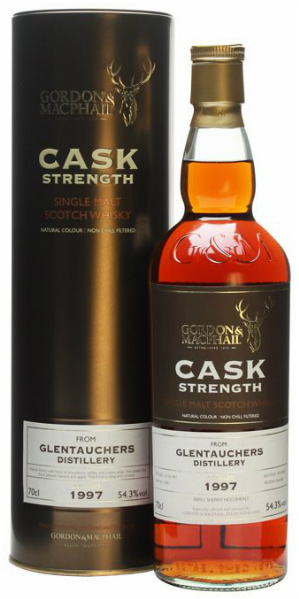 Color: Copper Brown.
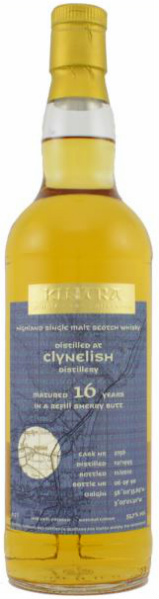 This Clynelish, of which only 90 bottles were released (a Butt shared with others, and Butts are large casks), is marketed by Kintra from the Netherlands. A small outfit, but from a nice guy and with good looks (both the bottle and the guy). As the label states, this is from a Refill Sherry Butt, but even if its from a Fino cask, is doesn’t have a lot of colour. A somewhat inactive Butt?
 Master Quill