Funny how things can go. When I posted the review of Caol Ila #301535 a month ago, I didn’t even have this #301553. I have posted two Tamdhu’s, and I already was well underway with the next tandem of Malts, why not write some reviews in pairs, adding the possibility of comparison one to the other? Nope no spoiler alert needed, you’ll just have to wait and see what comes next. I can only reveal that the next tandem will make for a very interesting comparison. Next, the sound of the doorbell ringing…twice…because the postman always rings twice*, and she brings me my latest auction winnings. One of which is the sister cask of #301535: #301553. So with some further ado, I present you the Caol Ila that went to Luxembourg. Thus, here’s the final ado: Just like the other one, we know the exact distillation date: 21-02-2005 (back label), which is the same day as this one, so the distillate is exactly the same, but, (spoiler alert), the outcome isn’t ! We also know the exact bottling date: 07-08-2017 (printed on the glass), so this Malt is almost 12.5 years old, and aged for almost 25% longer than the previous one. Onwards with the review now Quill, stop your ado-ing!
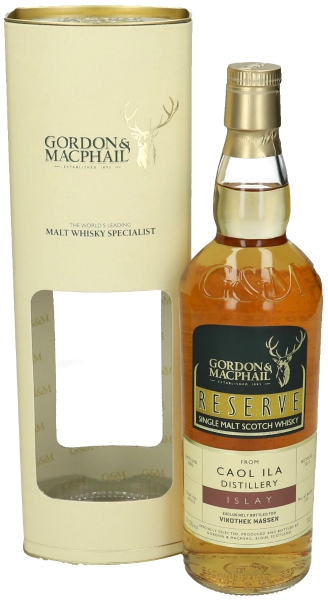 Color: Light gold.
Nose: Soft peat. Very perfumy, distant hint of coffee and plastics (only when freshly poured, the plastics will be gone soon). Big. Wood, mocha and milk chocolate. Warm. Underneath quite fruity and on top a breath of fresh cold air (after the rain). Moderate fatty peat, crushed beetles and some really nice smoky characteristics, almost not Caol Ila-like and to me this smells like an exceptional cask. Everything is in its right place, and it hits all the right spots. It is really wonderful already, complex and already shows some nice development in my glass. Initially quite sharp. Wood, but not your usual oak, but more like wood lying in a forest. Mild yellow fruits with a promise of fruity sweetness. Apples, mint and meat. In this version of Caol Ila there is this soft layer of smoke that always hangs over it, like smoke or clouds in the sky. Well balanced Malt. Smells more adult than the aforementioned sister cask, and that one already had a stunning nose. Since this is exactly the same distillate, did the 2.5 years more make such a difference or is there more to it? As Gordon & MacPhail already tried to tell us earlier, does the wood make the Whisky? I’m smelling this for a while now, without tasting it, and this really develops in my glass big time! If this is as good to taste as the nose is right now, than we’re in for a real treat. I’m giving this one much time, since this is a freshly opened bottle. What a wonderful, well aged nose this is. One might expected this to be from a similar barrel as its sister cask, but it doesn’t have to be. If so, these must have been some well selected staves then. A cooper with a keen eye, knowing what to pick? This one really smells a lot better, it really is remarkable. More details, better defined and better development. Where #301535 dulled down when smelling for a while, and remember, it was a good one to boot, this #301553 just never stops performing. Amazing!
Taste: Wow, initially very soft on entry (the other one was softer and definitely soapier, here most, not all, of the soapy bit is replaced by a sweet fruity bit). Peppery and spicy smoke and strong going down, and then turning soft again, and again sweet. Sweet cardboard and paper notes. White pepper and yellow fruits. Sweetish and cold ashes from the fireplace come first. Nutty and fruity, but as I said, lots of ashes. I have to give it some more time, but it seems to me to be different from its sister cask, it is also a bit different than I expected considering the nose. Surely this must be from another line of Barrels? The middle part is fruity and accessible, but towards the finish more ashes, paper and a wood-bitter note. Although the finish is of medium length. It is warming, somewhat soapy (at times) and leaves for a nice, nutty and woody aftertaste. Much better balanced than its sister cask if you ask me. Benefits from the warmth of your hand when breathing, but never really lives up to the amazing level of the nose, but it is still better than its aforementioned sister cask. Especially if you warm this one up in your hands.
When this was sold in Luxembourg it was quite cheap especially considering the quality this Malt possesses. I paid a bit more than the initial price at auction, but still feel I got a good deal. Later I found out that the quality of this particular example is well known in circles of anoraks and aficionado’s and bids can be even (much) higher than my final bid. First of all, this Luxembourg edition surpasses the already good nose of the Belgium edition. It is quite amazing in fact, look how the nose changes and even unlocks another dimension after a few sips. In the taste Luxembourg seems a bit sharper and more complex, less soapy with even more ripe fruits. After #301535, I was not sure about getting a similar bottling, 84 points is good, but not that good. I read somewhere, this one was better and in the end I couldn’t help myself. If given the chance, I bid on two, and that way often securing just one or none even, because one or more of you often overbids me in the last minute, but this time no one did and I got both. In hindsight: Yey!
Amazing how medicinal the empty glass smells the next day. Extreme. The empty glass of the other one smells different. Both seem to have some pine resin, which wasn’t there before. The empty Luxembourg one smells more like a sauna now. How’s that for complexity.
Points: 88 (the nose, if scored by itself, would score well into the 90’s)
* Final ado: I was lying earlier, from where I’m sitting, I can’t even hear the doorbell, the sound is too soft.
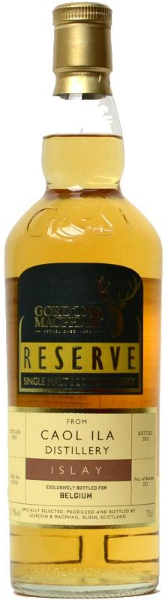 Color: White wine, a bit pale though, for a first fill after 10 years.
 Color: Full gold, with some orange.
 Yet another Calvados in this Calvados Week, but this time it is something different. Lemorton comes from the Domfront region. For this AOC, at least 30% pears must be used in the distillate, but often this number is much higher. Single Distillation is done in a column still.
 Color: Red brown.
 Color: White wine.
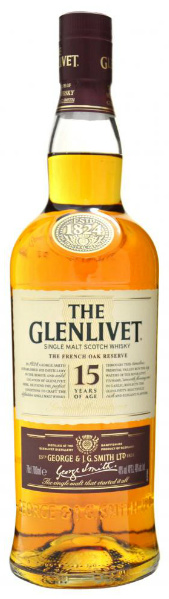 Color: (Light) gold, slightly pink?
 Just in time for Christmas, or should I say, just in time for last-minute Christmas shopping, another Kopke Port. The Tawny Kopke I reviewed last, turned out to be quite good, and doesn’t break the bank, so why not try another Kopke, but this time a Ruby. They call this a ‘Reserve’ to distinguish it from more generic rubies, and considering this is for a special, festive occasion, this (young) Ruby should be quite good also, and again this is a pretty inexpensive Kopke. Should you buy this for Christmas?
 Color: Ruby red, with lost of purple near the edges of the glass.
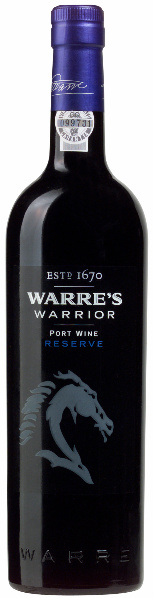
 As with lot’s of Port “houses” it has a long, very long history. Even this Warrior has a long history. Warre themselves claim that: “[Warrior] is the oldest brand of Port in the world, having been shipped continuously since the 1750’s”. The company that became Warre’s was established in 1670, but the first Warre came to the firm in 1729.
 Color: Deep red and thick.
 Yet again we have one of the many 1991 Lochsides, and one of the many that were issued as a Gordon & MacPhail Reserve. This one was picked by Dutch retailer Van Wees. Gordon & MacPhail code for this one is JI/ACAC. The spirit was distilled on September 18th, 1991 and eventually bottled on October 15th, 2009. Picked by Van Wees in July 2009. Those of you that meticulously read this blog probably had a Deja Vu experience. We know this bottle, we know this lay-out. Well yes and no. February 4th 2013, I published a review of quite a similar Lochside, opened by Master Quill’s Apprentice (like this one). That was
  Color: Gold (ever so slightly fuller in color)
 And then there is Glen Keith. Glen Keith lies a stone’s throw away from Strathisla. The spirit from Strathisla was pumped to Glen Keith for filling into casks, but also the boiler at Glen Keith warms water for Glen Keith’s production. Glen Keith’s production started in 1958 with three stills (triple distillation). In 1970 the first two stills in Scotland that are heated by gas were installed. Soon after that, the distillery stopped the triple distillation. In 1983 a sixth still is installed. The distillery is mothballed since 1999, but plans are to restart the distillery next month (April 2013).
 Color: Copper, cloudy.
 This is now my favorite Christmas malt. Just smell that dried Orange in combination with the cloves. It’s not a perfect old bottle though, but it’s so clearly a time capsule. It’s impossible to not love this. I was always a big fan of Strathisla of the sixties and seventies and this Glen Keith is therefore really no surprise at all. Merry Christmas everybody!
 Master Quill