 Next up in our Japanese Whisky Week is one of the two components of the previously reviewed Taketsuru Pure malts. Miyagikyo. Miyagikyo was built by Masataka Taketsuru in 1969. Miyagikyo is also known as the Sendai Distillery and is located in northern Honshu. Quite close to the Fukushima nuclear power plant (30 minutes by car).
Equipped with only one pair of stills in 1969, a second and third pair were installed just six years later. All stills are steam-heated. Miyagikyo also has Coffee stills that were moved here from Nishinomiya distillery in 1999. With these stills Nikka Coffee Malt is made. The coffee malt is made with 100% malted barley.
 Color: Orange gold.
Nose: Fat, muddy, spicier than Taketsuru. Very nice smoke. Meatier too. Almonds, vanilla ice cream, fern and sherry. Perfumy wood. Balanced and clean. Elegant with the spice coming late. Complex and balanced. There’s more to it…
Taste: Thick. Sweet clay. Sherry and it has substance. Vanilla ice cream. Spicy wood. It’s quite woody. Green, cardboardy but still great altogether. (I have to say the nose was slightly better).
I’m a big fan of Miyagikyo. Every time I taste one of its expressions it always ticks all of my boxes. It just clicks with me. Even this ‘standard’, large batch and reduced whisky. This is great stuff! Even though I scored this the same as Taketsuru 21yo. Both do deserve the same score. But if asked to choose, I would choose this. It has just two more points in ABV, and it shows (a little), but I still feel that Japanese whiskies are at their best at cask strength. We should find out if that’s true…
Points: 87
 Color: Full gold, almost copper.
 In 1918 one
  Nose: Musty gravy. Nice slightly burnt wood. Sweetish fruits with pineapple. Sweat ánd men’s cologne. Powdery, almost like sawdust. Greenish. It smells a bit like those hard candies made out of fruity powder pressed into little pills. Sometimes a whiff of soap. All in all, very nice.
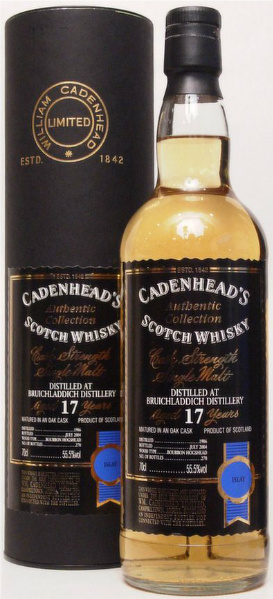 Also from 1986 but several years younger, a 13yo to be precise. Even though it was younger, this bottle showed more character to it. The 13yo was almost empty and maybe these Bruichladdich’s need a lot of air. Let’s have a look in my controlled environment and using my glass of choice, how this Bruichladdich really is. (This bottle, just open).
 The other day, I reviewed a reduced
  that means this Tormore was bottled around the time previous reviewed Tormore was distilled (1996). Both Tormore’s are about the same age too. Let’s see if thís Tormore is any feminine.
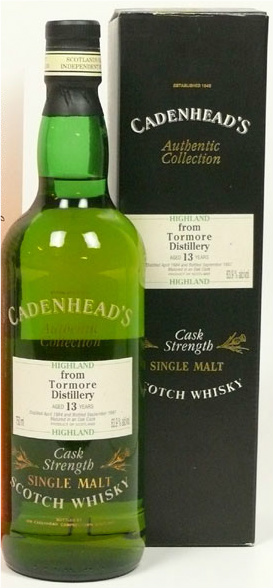 Color: White wine.
 In 1984 the heating system for the stills was converted, so that it could be heated with… woodchips to heat the stills. Officially only a 10yo was released, later replaced by the current 12yo. For a short while also a 5yo and a 15yo existed. So mostly independent bottlers issue Tormore Single Malt today. Still, over the years not a lot was issued this way, nor does it usually score very high. I guess it’s time to have a look into Tormore. First a Tormore bottled by Dutch bottlers
  Color: White wine
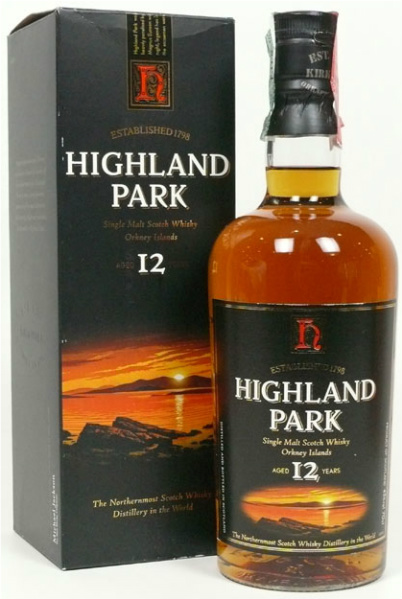 Remember this one? Before this came the nice broad-shouldered bottle with the big knob cork. And somehow they changed it into this. We hated the looks of it back then, but looking at it today it doesn’t look that bad. Well this version of the bottle is also no more and again they changed the looks completely into something that looks oval from above.
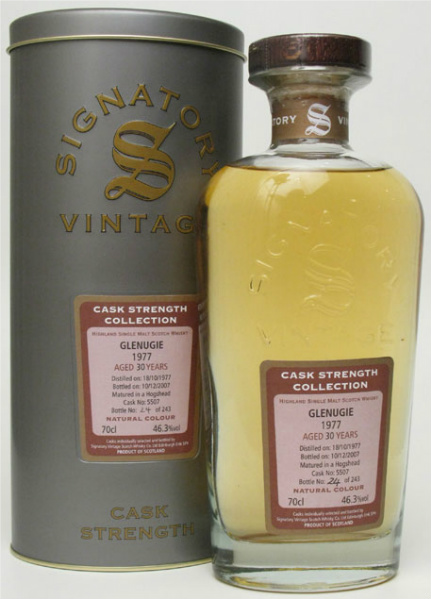 Color: White wine.
 Bunnahabhain is known for being the least peated of the island, still like a lot of others, raising to the occasion by answering the call of the public for more ppm’s. Burn Steward therefore started to bottle a “Moine” expression, with more peat, mimicking pre sixties Bunnahabhain.
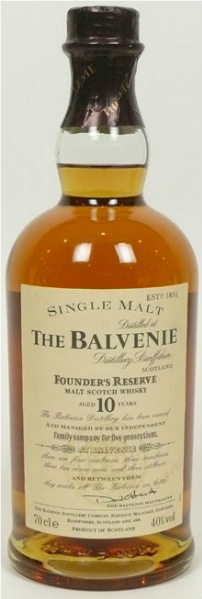 When looking around. and being new to Single Malts I almost fell in love by the shape of the bottle and really liked the way their labels looked. Not a lot to choose then. There was this 10yo (Founders Reserve), a 12yo (Double Wood), a 15yo (Single Cask), a 21yo (Port Wood) and a 25yo (Single Cask). And there was one limited oddity, the 17yo (Islay Cask). Nothing more. Today like with others there is more choice than ever. Lets have a look at the cheapest Balvenie, the 10yo “Founders Reserve”…
