So in earlier reviews I found out that Glenallachie probably isn’t one of my lesser known distilleries that really click with me. Some bottlings I tried were good, some a bit mediocre and some quite forgettable. Up ’till now nothing really stood out. I have a feeling though the newer Whiskies might prove to be better than ever, so Glenallachie might be on the way up again (for me). Nevertheless, Glenallachie is making quite a name for itself the last few years. Lots of official bottlings but also a lot of independent bottlings are coming to the marketplace, with quite a few people who like the output very much, so who am I to argue.
I have already reviewed some independently bottled Glenallachies: Dewar Rattray, Kintra, Beinn a’Cheo, Mo Òr and Cadenhead. Missing from this list is “the biggest and the baddest” of them all: Gordon & MacPhail. Here we have a 1999 distillate reduced to 46% ABV. Alas the only Cask Strength 1999 Gordon & MacPhail ever bottled was sent to Binny’s in the U.S. of A. Not really my neck of the woods. It was bottled way back in 2011. Hard to come across one of those now, since it doesn’t have a lot of collector value, so I can imagine the good people of the U.S. of A. drank most of them, an d rightly so! So without further ado, lets just dig into this reduced one from 2015, shall we?
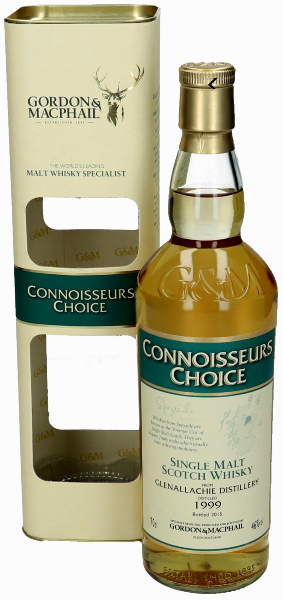 Color: White Wine
Nose: Wow, very malty and sweet. Cookies, dusty oats and breakfast cereals. Dry grass and hay like. A brekkie Whisky. Sweet smelling cookie dough, with a green note, a fruity note and a cold dishwater note and thus quite appetizing and pleasant. Marzipan and ever so slightly nutty. After a while a tiny hint of licorice. This nuttiness is the closest it gets to wood, because the wood itself is hardly noticeable. It has quite an interesting and appealing perfume to it as well, which emerges somewhat later from my glass. This is real and honest stuff and maybe a bit back to basics, although it isn’t really basic nor simple for that matter. Just a very nice smelling Whisky. Excellent example what a spirit in some “basic and simple” Bourbon barrels can achieve, also proving that the Glenallachie spirit is a good one. Based on the nose alone this could be a very good Whisky, and based on the nose alone I would definitely buy it. Let’s move on.
Taste: Hmmm, quite different here on the palate. Starts fruity, with a surprising and definite bitter note. How strong this bitterness is perceived by the taster depends upon the taster. The first time around, I found this to be more better than the second time around. Runny, thin toffee, wood and thus its bitterness, yet also spicy with some black pepper. Dark chocolate, wood and an alcoholic note you get with those bonbons that contain alcohol. Based on the nose I didn’t expect this bitter note. I expected fruity caramel to be honest. Let’s take another sip. After a while I guess my palate just got used to the bitterness and it isn’t so dominant anymore. It’s hard to put my finger on it, but just like the nose, this palate has something really appealing and interesting which intrigues me. In this case the 46% ABV seems very soft. I may be used to, and prefer cask strength Whiskies to be honest, but this example seems very do-able in the alcohol department. Its neither harsh nor hot.
This will do very well as a daily drinker, or as an aperitif. However, do not make the mistake believing this is merely a simple, entry level Whisky. It is quirky, it is able to surprise you and I definitely like this one (especially after leaving it in my glass for a while to settle some more). Still, this has some bitter notes here and there, so buyer beware. Definitely noticeable is the reduction to 46%, sure quite a high ABV, but it is definitely different from a cask strength offering.
To me this smells and tastes like a classic ex-Bourbon casked Whisky, not modern at all. Would never have thought this was from 1999, which feels like yesterday to me. Maybe today it is a classic Whisky though. Personally I’m shifting my interest in Glenallachie. Where Mr. Walker puts out a lot of different casks, I will be, for the time being, sticking to ex-Bourbon Glenallachie. Again personally: I like this stuff way more than the heavily Sherried 15yo. Yeah, this is a nice surprise, have to find me one now somewhere.
Points: 86
 Color: Full gold, almost orange.
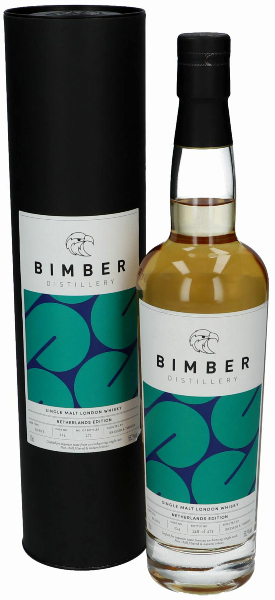 Color: Pale White Wine
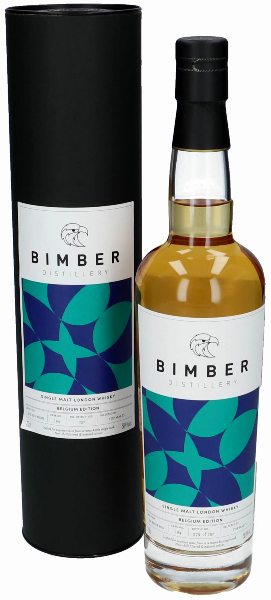 Color: Pale White Wine
 Color: Full Gold (slightly hazy).
 Color: Light orange gold.
 Color: Orange gold.
 Color: Pale gold.
 Colour: White Wine, pale gold.
 Color: White Wine.
 Master Quill