 Early November I started a series to support the drinking of sherry to get more good sherry casks for the whisky industry. For reasons not even science can wholly explain, I picked PX Sherries as a starting point. As mentioned before, PX or Pedro Ximénez is the most syrupy and sweet Sherry around, and is considered an after dinner Sherry or one to accompany a nice (sweet) dessert. Goes well with ice-cream.
 Emilio Lustau was founded in 1896 by Don José Ruiz-Berdejo who was an Almacenista himself. He made Sherries and stored them for a while, after which he sold them off to larger companies, thus adding value. In 1940, his son-in-law and name-giver for the company, Don Emilio Lustau Ortega moved the Bodega to the old quarter of Jerez. Since then the company wanted to be the best and expanded by offering high quality Sherries.
This “San Emilio” PX (17% ABV) is from the Solera Reserva range which has it’s heritage in the original Stocks of Don José Ruiz-Berdejo. His stocks were combined with special Sherries from different “Almacenistas”, small independent wine-producers. Besides this Solera Reserva range, where casks of the same type of Sherries are blended, there is also a very interesting Almacenista range. In this series, Lustau selects small batches of high quality sherries which have been made and matured by small independent producers, or “Almacenistas”, who often make Sherries as a hobby.
Color: Almost black mahogany.
Nose: Very elegant syrupy Sherry which has a nice dry whiff of paper over it. Grassy with cloves. Dried apricot and raisins, also a more spicy element which you get when putting parsley in broth. A hint of yeast and/or flor (Marmite), so not only syrupy and sweet. For me also hints of lavas.
Taste: Sweet (sometimes sugary), but accompanied by a nice acidic touch, which is a great effect on the palate. The acidity reminds me a bit of the lemon part of cola.  Yes the apricots are there and some vibrant freshly made raisins and maybe some dates. Very lively and never dull, heavy or dusty.Very well balanced. Actually, this is blended so well to a nice harmony, that it’s almost hard and not even fair to look for separate markers or hints of it. The sum is so great.
Easily a favourite of mine when looking at PX Sherries. Excellent and an easy recommendation. Oops, another “San Emilio” finished…Next bottle!
Points: 89
 I used to drink a lot of reds and for the last six years or so I love to drink a lot of whites. Alsace was probably what set that off. But as you might have guessed, being the frequent reader you are, I drink foremost Scottish Single Malts nowadays. But it’s not all Scotch that lights our world, so I’ll definitely have to try some different things here too. This time the first red wine on Master Quill.
 Haut-Médoc is the large southern part of the Médoc district of Bordeaux in the south-west of France. The famous wines from this region are Margaux, Pauillac, Saint-Estephe and Saint-Julien. You might have heard of those.
 Here’s an appeal to all. Start drinking Sherry. NOW! Because it may be too late already. Let’s face it people. We love our whisky and we particularly love it when it’s from a good Sherry Cask. But as can be seen, prices are soaring when a nice sherry casked whisky is released these days. I’ll be reviewing some Pedro Ximenez (PX) Sherries the following days, but there is a lot more out there. You might want to try a nice Oloroso (maybe the best performing casks for whisky).
 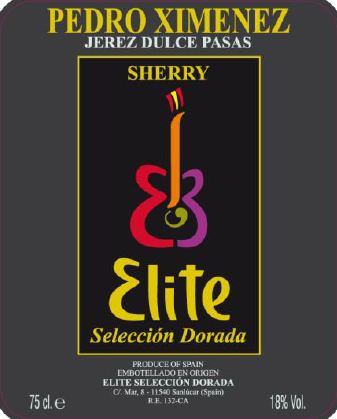 Some of you might like a dry Fino. But there is a lot out there, and a lot of differences in quality too. One thing is sure, when trying out some nice Sherries you won’t break the bank.
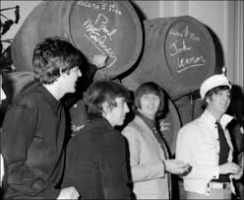 Burned creamy sugar as in the top layer of Creme Brulée. The acidity is a very nice addition to the taste of this PX. It doesn’t seem to be as sweet as the competition, and it is certainly not as thick. The finish therefore, is not the longest in the business.
 The wine is a Bianco di Toscana and is 11,5% ABV from Subbiano Italy. Even the bottling date is on the bottle: 16 november 2011. The grapes for this wine are: 50% Trebbiano Toscano, 20% Pinot Nero, 15% Sauvignon Blanc and 15% Vermentino.
  It’s a white wine with a pink hue over it, that comes from the Pinot Nero and carbonates slightly.
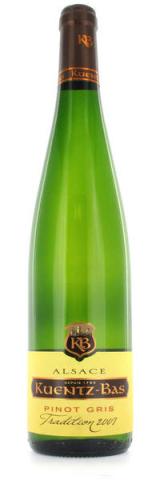 Kuentz-Bas Pinot Gris Tradition 2007, ABV 13%, Husseren Les Châteaux, Alsace
 Caves Klug Gewurztraminer 2009, ABV 13%, Bennwhir, Alsace
 Weingut Harald Konrad Fehres Riesling Classic 2002, ABV 12%, Mosel-Saar-Ruwer
 Again a wine I had with dinner yesterday. This time a copious swiss cheese fondue in classic style. Into the fondue went a very nice Alsatian Vorburger Pinot Gris 2008. The Vorburger is a biological wine with a great combination of acidity (needed for the fondue) and sweetness.
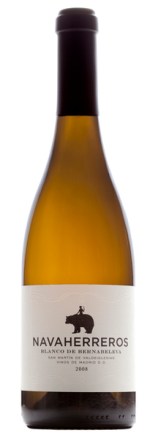 Since it seems I’m starting to review almost everything I put in my mouth, why not one little piece about a wine I enjoyed yesterday. This one accompanied a nice and light fish dinner and boy did this go well with that.
 Master Quill