A Colheita port is, like a Vintage Port, from a single vintage year with the big difference that these ports are matured in oak barrels and filtered before bottling. Maturation takes place for at least eight years, but often longer, which makes it a Tawny Port. Usually the year of bottling is mentioned on the label, as is the vintage year. Because Colheita’s are filtered, not a lot of further ageing happens in the bottle, but still a lot of Colheita’s can be laid down for a while. No decanting necessary.
 Color: Deep ruby-red which just started to fade a bit. High viscosity.
Nose: Sweet candy. Slightly winey, but foremost syrupy and very fruity. A little bit of soap. Lots of cherries and other sweet red fruits like ripe and succulent strawberry. After some breathing some spiciness and a slight hint of wood emerge. It smells young at first and fresh (acidic?). The whole seems to be crafted from the aromas of red wine, sweetness and some barrel ageing. The color is ruby-red too, so not your typical brownish tawny Port. Yes, it does smell very nice and perfumy though. I swear, when I nose this a lot I get some fresh mown grass and warm butter in there too. Easily accessible and definitely a quality wine. Do I detect a little bit of sulphur in the nose after a while in the glass?
Taste: It’s candy! Luckily not overly sweet and in the taste some nice acidity shines through. Good balance, but not very complex. Lacking depth at first. Again, not your typical tawny. It’s very nice, but it plays in another division. Very fruity and oozes summer. It sometime drinks like 5% ABV, but it still packs 20% ABV, which can be tasted in the finish. The finish itself is long, warming and very pleasant, and adds a lot to the complexity of the whole. It has the smallest hint of wood and fresh nuts, walnuts without the bitterness and hazelnuts. A little bit of tannins on the tongue. Very drinkable.
I can imagine drinking this slightly chilled, sitting outside in the sun. Very refreshing due to its toned down sweetness, nice acidity and accessible fruitiness. Although a little bit different, it did remind me of Kopke Special Reserve Tawny (150th Anniversary in Holland), although that one was even more summery, fresh and light, this Warre has more body and a heavier finish.
Points: 84


 Los Statos de Luxe, as you might have guessed from the name, was one of the cheaper brands coming from Cuba. Not a lot is known about the brand. Founded around 1940, and was totally discontinued around 2005. From 1980 on, the brand was no longer hand-made and all the models were machine-made and had a ring size of 40. Three of the five produced models were 140mm long, and the other two were 123 mm long, which makes our Delirios their smallest cigar. Delirios were only sold in a cardboard packaging containing 10 cigars.
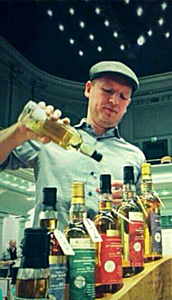 Kintra is no stranger to these pages but up untill now, all Kintra products were Single Malt Whiskies, but this time Erik Molenaar surprises us with a Rum, and not just any Rum, but one form Caroni, a Rum distillery sadly closed for over a decade.
 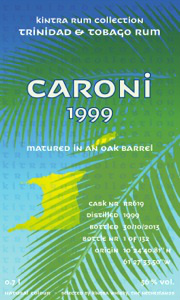 Taste: Again a lot of oak, but as with the nose, this Rum can cope with the wood. The whole is quite dry and very aromatic, but very balanced. yet less complex on the palate. It does resemble Rye Whiskey a lot on the palate. Just cancel out the burnt sugar note and some other slight markers that are typical of Rum… The oakiness is well masked, but it really shows itself on the slightly bitter, waxy and drying finish.
 a few teams were sent out around the world by The Glenlivet Distillery with three potions made by Whisky wizard Alan Winchester. Wizard Alan wanted to know the taste of the world, or should I say, the tastes of the four corners world. Thus three potions were concocted and named as follows:
 Classic: The quality of timelessness and enduring excellence,
 As luck would have it Mr. Al-Kindi, an Iraqi mathematician from the ninth century A.D., planted a seed that would eventually become statistics, and with this statistical knowledge one of the potions was voted the best by all members of all countries that had the opportunity to try all of the potions. The expression called “Exotic” was chosen by 39% of the tasters. Which brings us to today. The exotic-expression mentioned above is now bottled as The Guardians Chapter, and here are my findings…
 Cleaning out the closet, I found some (but not a lot) Beers well beyond their best before dates. Most can be, and should be aged like most Trappist and some Abbey beers. This Piraat (Pirate) is a heavy blonde beer with refermentation in the bottle, isn’t one of them though. Yesterday I poured two beers into the sink, clear examples that you shouldn’t age everything. Those two were Kasteel Blond 11 and Abdij van ‘t Park Blond.
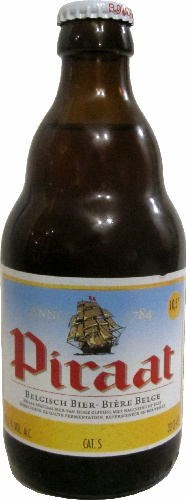 Color: Orange gold with, not a lot of, off-white foam.
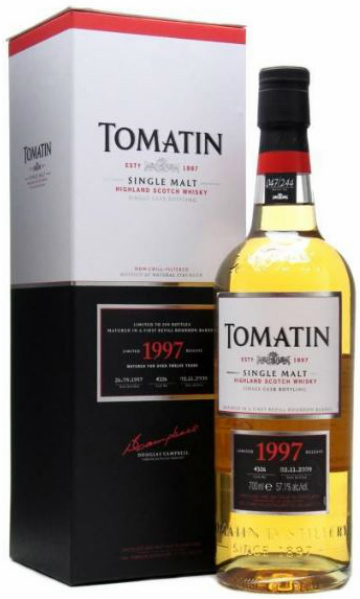 Color: White wine.
 Color: Light gold.
 After Santpoorts Bier, here is another local Beer. Where Santpoorts Bier was linked to Santpoort, this Berghs Bier is linked to Berghem, a town in between Den Bosch and Nijmegen in the Southern part of The Netherlands. The Beer is brewed by Martin Ostendorf in his Muifelbrouwerij in Berghem, so this is the Beer Martin made for his own home town. I have come across some other beers of Martin’s and they usually are pretty good, so expect more Muifel Beers on these pages.
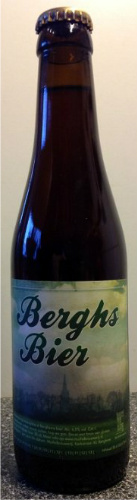 Color: Beautiful dark amber, nice brown and red hue, with a fine dark cream foam (not quite Cappuchino).
 Master Quill