A long time ago, between 2000 and 2004, The Balvenie issued a series of single barrel bottlings similar to the 15yo, these bottlings however were much older, these were matured a further 10 years to become the 25yo single casks. All from 1974 (most of them) or 1978. And all at the convenient strength of 46.9% ABV. Who came up with this number anyway? By the way, I couldn’t find a picture of a Balvenie 25yo Cask #13282, so here is a picture of the similar looking cask #10141, that was bottled two years earlier. Most of these 25yo’s were bottled in 2000.
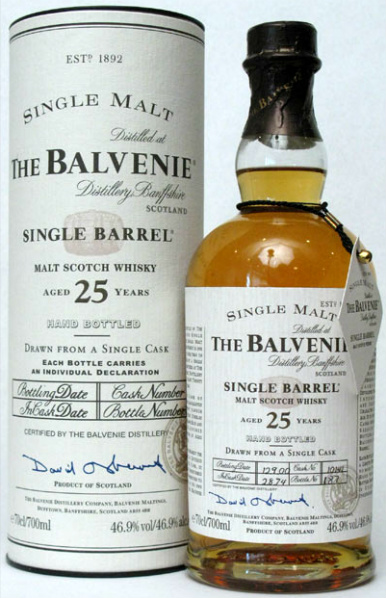 Color: Gold
Nose: Light, buttery, and very accessible. A little old bottle waxiness, but not a lot. Let’s say it’s not a 1972 Caperdonich. Some sugared yellow fruits and hints of banana. Still it does smell like something they don’t make anymore. Also some seaside freshness to this. After some breathing, it does come around a bit, it opens up. More fruit and more dusty ol’ wood. Almost an old Alsatian Gewürztraminer. Nope, this doesn’t lack complexity. Some hints of vanilla (ice-cream). Quite good, but very restraint. This one would have been great to nose at a higher strength. I have to say, that the longer you wait, the better the nose develops and gets more and more character.
Taste: Fruity and old wood again. It has a small initial bite that comes mostly from the oak. Finish is medium body with enough saying power. Vanilla and creamy texture.  The fattiness dissipates quickly and the whisky breaks down in towards the finish. Wood attack! put this in your mouth and you think is pretty good (not great alas), but the vanilla fat is stripped, and you get hit by more bitterness than expected. The palate does lack complexity and balance. Aiii.
This starts out pretty good, great nose (eventually) and a great initial taste, but it all turns on you a bit, when the bitterness hits you, and leaves you with an unbalanced finish. To be frank, let this slip and try to locate an old 15yo (50.4% ABV, you’ll get a better deal).
Points: 84
 Color: Full Gold.
 Leaving Nikka for a while and now visiting Suntory’s Yamazaki. Yamazaki is the oldest working distillery of Japan being founded by Shinjiro Torii in 1923. It lies between Kyoto and Osaka. Shinjiro Torii also founded the Suntory company. As with Nikka founder Masataka Taketsuru, both men were pretty influential in the rise of Japanese whisky. Taketsuru also first worked for Torii as a distillery executive before embarking on his own adventures.
 Taste: Very dry and oaky. Toast and a hint of soap. The soap returns in the texture that otherwise is pretty thin. Sherried. Seems old. Red & black fruits, mocha and coffee. Dry teeth. Unfortunately this has a short slightly burnt, oaky finish. In this case it’s probably a good thing it got reduced, because if this would have been 55% ABV or even higher, with all these thick aroma’s and all that oak, it probably would have been very hard to drink. It’s a syrup (just not in the texture).
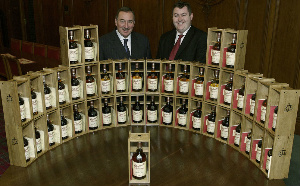 Earlier I reviewed a very old independent
 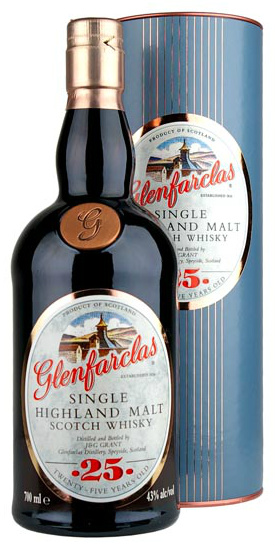 Color: Orange Gold.
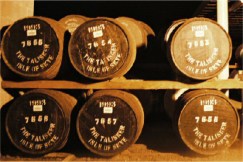 And here is Talisker. Talisker is a favourite of mine, a love affair maybe. It is a unique distillery on a unique island. Talisker is always good. So many big names from the past have slipped, some where good in the 60’s, but not now, some were good in the 70’s, but not now. Talisker isn’t one of them. Just buy any Talisker 10yo and it’s great. Even the worst Taliskers are still good. So the quality is alway delivered. Kudo’s to the people of Talisker. And when Talisker went cheating (Cask sold of to brokers or independent bottlers), Talisker was still very interesting. Just have a look at the different Taliskers issued by Douglas Laing, (as Director’s Tactical). All those casks were probably sold off since they didn’t possess the typical Talisker markers. Peat, pepper and so on. But give these a chance and something extraordinary is revealed to you about the Talisker spirit. And again even the worst Taliskers from them are still good. That’s why I like Talisker very much.
 Strange enough Talisker was never issued as a Rare Malt. But saw the light of day in many forms in a Special Release. As a Normal release we have the 10yo, 18yo and the distillers edition (finished in a Amoroso Sherry cask). And de standard Special releases were the 20yo, 25yo and the 30yo. The 20yo was released in 2002 and 2003, the 25yo was released in 2001 and from 2004-2009. The 30yo was released from 2006 untill 2010. In 2011 there were no Taliskers anymore, just a 34yo from 1975, that cost a pretty penny.
 Taste: Pepper! Animalesk. Sweet and woody (a bit sour). The clay from the nose comes through big time. Ash, almonds and putty. It has some sweetness hidden in the clay, but that disappears quickly. This is some great full-bodied stuff. The finish has some wood in it, slightly bitter and could have been a wee bit more balanced. Water does little for this whisky, so you’d better not.
 And here’s already the second Strathisla by Gordon & MacPhail. This one has bottlecode SC999 and Gordon & MacPhail used these bottles roughly between 1981 and 1987. But if I would have a guess, this seems to be closer to 1981 than 1987. And thus this would be a late fifties distillate! (And the previous 15yo Strathisla, one from the mid seventies). That’s quite a difference and will probably be evident in the taste and smell. Also note that this 25yo is notably darker. Like the 15yo, this bottle was also bought for a
  Just have a go at this standard G&M, 25yo Strathisla, and find yourself a sweater made from those fabulous looking Strathisla sheep!
 Its raining like crazy outside, and I have this Port Ellen on my lectern, so probably no better moment to have a go at this. Seize the day, the moment is now! There may be no tomorrow! Heed the call of the elements!
 Color: White Wine.
 Color: Full Gold with a hint of copper.
 Master Quill