“An Islay Distillery” 9yo 2008/2018 (54.9%, Cadenhead’s, Small Batch, One Bourbon Barrel & One Sherry Hogshead, 330 bottles)

Let’s kick in the open door: this is a Lagavulin (supposedly). It’s not on the label, but I have been assured this is a Lagavulin. However, we still can’t be a 100% certain now can we! Lagavulin used to be, and probably still is, my highest overall scoring Distillery from Scotland. There were hardly any bad or mediocre Lagavulins around. Even the affordable standard 16yo (The White Horse version) was stellar, the newer “Port Ellen version” is still very good. When the 12yo returned as an annual special release at cask strength, again very, very good. Right about the time, lets say 2021, maybe even earlier, signaled a noticeable downfall in quality. Picking up notes of a milky almost new-make spirit. Around 2019 with the release of the 10yo, the 9yo Game of Thrones and the 11yo Offerman Edition came the time that made me look elsewhere. Especially because of the 10yo (and the 8yo, come to think of it). The 9yo and the 11yo were still decent. So, in come the independents! Thank god for them! An indispensable lot. Diageo protects the Lagavulin name with their life, so that’s why companies like Cadenhead’s can’t put the Lagavulin name on the label without being shot, or worse. Hence “An Islay Distillery”. Some others at least think of a resounding name from which the public might or might not guess that it is a Lagavulin, or leave some subtle hits on the front and/or back label. I am buying some of these anonymous Lagavulins just to see if all these younger Lagavulins have the same milky taste I dislike like the 10yo and the latest batches of the 12yo’s have. I hope not. Here is an example from Cadenhead’s, but there will be more in due course.

Color: Orange Gold.

Nose: As expected, peaty and smoky, not even all that heavy, even though there is a lot to take in right from the start. This leaps out of my glass. Some nice wood, although quite masked. Menthos with floral vanilla and quite dusty. Perfumy kippers, salty and smoky. More notes of fresh oak. Vegetal wood, mature and appetizing, so not sappy wood which is more fresh. Hints of textile, melting plastic and wet dog. Silent yet deep dark peat. Smouldering (I love that word, have to use it more often if applicable) embers. Funky organics. There is quite a lot going on, that’s for sure. Something does remind me of matches a bit, but to be honest, I don’t really pick up on any sulfur right now. It has a fresh feel to it as well, like walking in the woods on a sunny and somewhat cool day. A temperature just right for walking. Next a sweeter, yet organic note, like smelling the left over stones from eating really ripe cherries (just before they go soft). Combine this with some light beech wood smoke and maybe a more smoked meat note. This smells entirely different from an officially released Lagavulin 9yo (The Game of Thrones version). The nose keeps developing in my glass showing more traits of red and black ripe fruits and vanilla in a thin coat of peat. Maybe I do pick up on some sulfur now (a fart?). Still in a minute quantity then. Some Iodine, now that’s detectable. Sea-spray? Nevermind. Bonfire on a good day. Big nose, slightly creamy and sweet if you let it breathe. I do like it quite a bit and can’t stop smelling it for the layers it shows.

Taste: Yes, holy moly. Big peat but also big on the warm plastic I also found in the nose. Just enough wood, nice. Also sweeter than expected. Licorice. Definitely not a weak Whisky like the 10yo, much bigger and bolder. The 10yo seems unfinished, milky, nothing of that here. This is 9 years old and it is done and dusted, it’s ready. Very big for a Lagavulin. Iodine and warming. You can think of Lagavulin as an elegant Islay Whisky in general, but mainly because of the 16yo, this 9yo is not, it is raw and unpolished, a different take if you will. You can even see some resemblance to the boldness of the 16yo, at least the 16yo from a while back. The Whisky is so big that the plastic bit, that usually is a big off note, killing even, only plays its part in the whole. It is in no way overpowering nor bad. Still the whole is in your face! Sweet, (burnt) wood, toast, peat, licorice and warm plastic. That’s it, those are the main markers. Luckily more is happening in this one, especially on the nose. You can pick up on the American oak, I’m pretty sure both casks are American oak. The sherry bit is similar to the Sherry you get from a good batch of the 16yo. Cow dung in the finish. Aftertaste is sweet, peaty and plastic-y and very low on bitterness, lets say soft tannins.

Well, this is a small batch and in this case combining two casks, a Bourbon barrel and a Sherry hogshead, together normally good for some 600 bottles at cask strength. However only 330 bottles have been bottled, why is that? Not all has been bottled, leaky casks? I wonder…

I took this bottle to Nico, who seemed to really dislike it, claiming it was too much and over the top. For him this was just wrong, so be warned, this might not be for everyone. Of the two, I am definitely the one who likes extremes more. I’m still actually amazed he feels this strongly about this Whisky he claims is wrong, since I do really like it. I wonder, is my palate shot? Luckily no, since most other Whiskies we both still tend to score pretty similarly, but sometimes something like this happens. For instance, I really like the Palo Cortado Springbank 10yo, I also got pretty enthusiastic about it on a Springbank society tasting (in public). Nico did not (he didn’t even order it). In the end, I feel this 9yo is some sort of a 16yo on steroids and after that even some more steroids. It also seems to have some off notes the 16yo doesn’t have, which in this case works for me just fine, but it might not work for you, as it did for Nico. It is definitely a big Whisky, I’ll say that, very big.

Points: 87

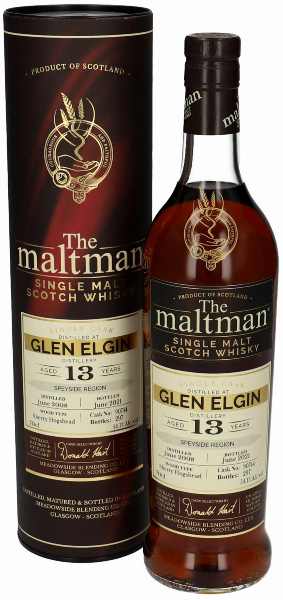
Glen Elgin 13yo 2008/2021 (54.1%, Meadowside Blending, The Maltman, Sherry Hogshead #90744, 297 bottles)

Seven years between the first review of Glen Elgin and the second one. That has to change, so what about two weeks between the second and the third review? Now, that’s a lot better now, isn’t it? Third review and again it is an offering by an independent bottler. The company’s name is Meadowside Blending, based in Glasgow, and specializing in Single Malt Whiskies, and run by the Hart Family. I don’t know why, but initially I thought this was a German outfit, probably because a lot of their bottlings are imported into Germany. My bad. This is a Scottish firm and they have several ranges on the market. Foremost is the range called The Maltman. These are all single cask releases. Next interesting range is The Grainman. Yes, you guessed it, all single cask, Single Grains. Other brands carried by the firm are The Granary (Blended Grain) and Royal Thistle. The bottle at hand, and this is no surprise if you are a regular on these pages, comes from The Maltman, yes a single cask, Single Malt Whisky from Glen Elgin. And yes imported into Germany by Alba Import, not sure if all of it went to the German market though…

Color: Orange gold.

Nose: Spicy sherry. Wood-spice and rather fresh and appealing, yet also some black coal with tar and right after that a more sharp and acidic fresh note. I have to say, all fits together quite well, so nothing wrong in the balance department. Lovely oak. The nose as a whole is thus rather appealing, fruity with half ripe sour cherries and maybe somewhere in there a more yellow fruit-note (indistinct). Breaths of fresh air run through the Sherry bits as well as some gravy? This is not a Sherry monster in the style you now often get with all these 10yo first fill Oloroso Sherry monsters. No, this is way more refined and still has quite a lot of colour to it. Tiniest hint of sulphur which I don’t even pick up on every time I nose this. Right after that some honey and maybe even some cigarette smoke. Warming and actually helping the whole of the nose. This has some fresh wood right from the start, but it’s not overpowering and actually very nice. Reminds me a bit of being outside near a sweet water lake on a nice and sunny day. Fresh winds, and the sherry bit could almost be some nice floral aromas blooming in nature. I guess this will not be a bad weather Whisky.

Taste: Half sweet yet also spicy (wood). Runny caramel or warm toffee. The coal, the tar and the wood are present right from the beginning. Sweetness seems building already. Quite some toffee now. All of this right before some fruit sets in. Warm apple compote? Nutty (yet different than in other Sherry bottlings), soft and supple leather. Leather as in belts and trousers, not thick saddle leather. Aftertaste is toffee and caramel again. Hints of plastic and warm wood. Again well balanced. I wouldn’t call the nose better than the taste of the other way around. No, this is one nice complete package indeed. Yet if I had to… yeah the nose is slightly better.

This one differs obviously from the Bourbon hogshead one by the Sherry influence. Apart from that, the Sherry influence didn’t actually overpower the traits of Glen Elgin, so there is still a family resemblance to be noticed between the two. I have to say, I like both Glen Elgins a lot, and both have their own moments. This one scores slightly higher (one point), because it is just a little bit more appealing and definitely better suited for a larger audience than the Bourbon hogshead one, which is more of an anorak-y Whisky. This one is also a little bit lower in ABV, which helps the drinkability. I like this one a lot, and would definitely it pick up again if I weren’t that adventurous and prefer to see what else is out there!

Points: 87

Glen Elgin 11yo 2009/2021 (58.8%, Elixir Distillers, The Single Malts of Scotland, Hogshead #807777, 238 bottles)

Actually, Glen Elgin is one of my favourite lesser known Whiskies. Being somewhat partial to the stuff, mostly from independent bottlers, I’m actually amazed this is only the second review on these pages. The only other review of Glen Elgin I did, was in 2017, being a 19yo Signatory Vintage bottling, that wasn’t as special as I expected, especially for its age. Hmmmm, never mind, I still stand with what I just said. Building started in 1898 just months before the Pattison Crash and it was also the last Distillery designed by Charles Doig (the foremost distillery architect of the time).

After the Pattison Crash, Whisky found itself in a sort of 50 year long slump, that more or less ended in around 1949 when William Delme Evans built the first distillery after Glen Elgin: Tullibardine. Fast forward a bit and cutting this history lesson short; Glen Elgin is now owned by Diageo and mainly used for its White Horse blend and currently is investing heavily in it by rejuvenating it. Back to the Whisky at hand, since this time around we have a bottling from Sukhinder’s outfit Elixir Distillers. Being a independent bottler foremost, I wonder what they actually distil. Elixir distillers is mostly known for their Single Malts of Scotland range of independent bottlings but also for their Port Askaig bottlings of undisclosed Islay bottlings (often Caol Ila).

Color: Pale White Wine.

Nose: Barley and biscuity. Cereal, crackers and bread. Dusty with hints of cardboard. Starts big and in your face. Good and honest Whisky, no frills, no funny business. The next wave is more fruity (dry citrus skins), with the tiniest hint of cask toast and pencil shavings. Warm wind in summer, slightly grassy and vegetal. Hints of rainwater. The third wave adds a more perfumy note as well as grandma’s old soap note, never losing sight of the fruits though. Quite fresh overall due to a slight minty and green nose. Well balanced and straightforward. A very effective and highly drinkable Glen Elgin. It may be somewhat simple, but don’t be fooled by this, since there is quite a lot happening in this one, and as said earlier, its also quite big. It’s layered, so it might be even more complex than I initially thought. I always liked Glen Elgin and this is definitely an example why. The fruity note becomes sweeter, not only ripe fruit sweetness yet also a more honey-like aroma. I know sweetness is something for the palate to discern, but I hope you know what I mean here. In the end this is quite a nice (not modern) nose. I like it a lot.

Taste: On entry half-sweet but easily overpowered by a spicy and woody note. Prickly oak, only ever so slightly bitter and soapy. Maybe an odd red chilli pepper found its way into the cask? Nah. Warming going down. After the first sip, the soapy note on the nose becomes more like cold dishwater. Second sip shows a more complex sweetness, fruity and honeyed. (The nose is now more old-skool and melancholic). Less syrupy than expected. Some peach emerges as well, retaining the relative hotness from the first sip. Lots of paper and cardboard comes next which does get in the way a bit of the fruity notes. Where this is a miss on the palate, the nose, even now, keeps developing further still. Hold on now, after a while it does become slightly more bitter and slightly acidic as well, which in the case of the paper and cardboard do less for the palate than it sometimes can do. It also shows some new make spirit notes now (that fit the colour of this Whisky well if I might say so). Next some sun-tan lotion, you didn’t see that one coming now didn’t you? Although not a biggy, this part of the palate is not the best. By the way, I get some cheese on the nose now, how is that? This turns out to be quite a surprising Glen Elgin. Definitely not boring this one. Still, this one has much nice things going for it, so the score is warranted. Peach yoghurt in the finish as well as a peppery note, some might call hot. The finish as a whole is of medium length and especially the minty bit seems to have some staying power here. It’s alright, it’s good, but the nose was better.

Yes the Mortlach I reviewed just before scores slightly higher, but in comparison this Glen Elgin is slightly more drinkable. Even though this one has a very diverse, unusual and layered nose it is even more accessible than the Mortlach. Mortlach has always been a more anorak-y kind of Whisky anyway. Still, I wouldn’t recommend this one either if you are a novice, just like the 19yo Glen Elgin I reviewed in 2017.

Points: 86

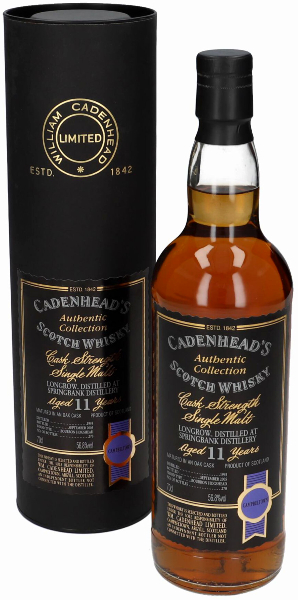
Longrow 10yo 2007/2018 (56%, OB, Fresh Sauternes Hogshead, for The Nectar, Belgium, 258 bottles, 18/437)

Nico got a mention in the previous review of the Springbank 12yo Port. So this Nico dude once made me aware that he really, really likes a particular Longrow 10yo Sauternes. So here we are again, going to have a look at yet another Whisky from the stills at the Springbank distillery that has matured in an ex Wine cask. Sauternes is a sweet White Wine from Bordeaux, France. Do I really need to mention this is French? Isn’t Bordeaux already famous enough? Well, just in case you didn’t know.

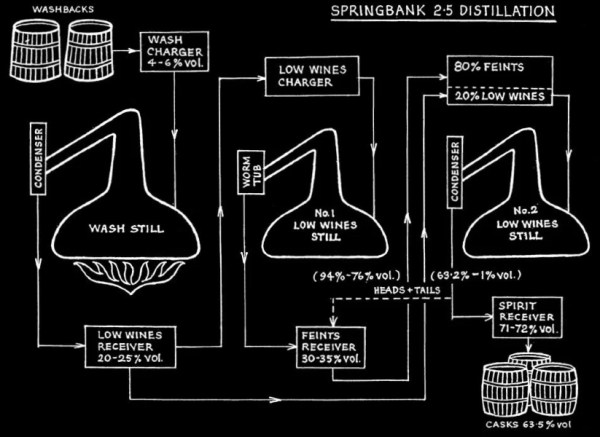
Although Longrow is also famous enough, as is its distilling regime. Just in case you don’t know, I am still going to tell you that Longrow is peated Whisky from the Springbank distillery that has been distilled just two times, where Springbank is 2.5 times distilled. Half the spirit is distilled 2 times and the other half 3 times, so the Gandalf’s at Springbank call it a 2.5 distilled spirit, sounds like wizardry to me. Add to that some more peat than they use for “Springbank” and you have Longrow: the heavily peated expression, 50 – 55 ppm (parts per million) phenol content of the malted barley after kilning.

Color: Copper Brown.

Nose: Fantastic fruity and sweaty peat, really bold and amazing. Could Sauternes also be one of the best wine casks for Whisky? What a classic, big and utterly wonderful nose. Sweetish and fruity. Clay, dust, white pepper and some more earthy and peaty aroma’s. Rotting leaves lying in the garden. All the aroma’s here are perfectly integrated with the peat. It almost smells chewy as well. Where fruit aroma’s usually give off a summery feel, here it seems to be the opposite. Yes it is fruity, but in a dark and broody way. Nice soft and velvety peat leaps out. As I said, fruity, but in this dark and broody way. Its fruity yes, yet also very much industrial in its feel. This is an amazing smelling Whisky. After a while a smoky note pops up. The whole is dry and fruity at the same time. I think this might very well be very special stuff. I already like it a lot. The next day the empty glass still has some big aroma’s to it. Lots of peat and smoke and some hints of plastics and a fatty aroma, for that industrial feel.

Taste: Fruity, nutty at first and than some wood, with a nice spine tingling, spicy bitterness. Black coal and iodine. Chewy peat and the smoke itself is more upfront here. Big and bold again. Seems like the Wine underlines the peat somewhat more in this expression than in other Longrows. In comes toffee, so it has some sweetness to it, with lots of carbon and peat inside. Tasting this Whisky, I’m really missing some of the funkiness the nose showed. The taste is drier and less chewy. Fruit toffee. Nutty. Semi-sweet ripe red fruits, mixed in with a healthy dose of peat (and nuts). The taste of burning off garden waste. Even though there is enough fruit here, the whole is still quite dry. Towards the aftertaste this bitter note slightly coated my tongue and shows quite some staying-power. This bitterness is actually hindering a score into the 90’s. Sometimes a bitter note can work wonders, this is just not one of those cases. Nevertheless a very nice and special Longrow for sure.

Wishing you all a very good and healthy 2024!

Points: 89

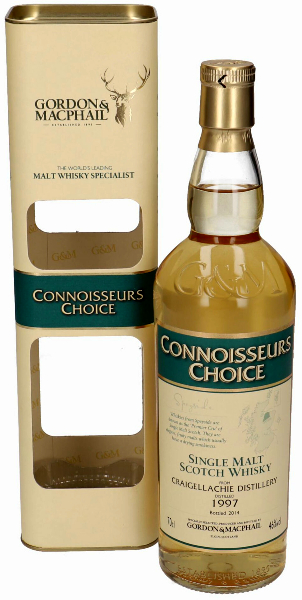
Craigellachie 1997/2014 (46%, Gordon & MacPhail, Connoisseurs Choice, Refill American Hoghead & Refill Bourbon Barrels, AD/JIIG, 01/07/2014)

Craigellachie is no stranger to Master Quill. Funky and meaty, with often some hints of sulphur. Seize the day people, time flies like never before! Last time I reviewed a Craigellachie was almost 10 years ago, yes you heard that right, almost TEN years ago. Just sayin’. Craigellachie is now bottled officially by John Dewar & Sons Ltd. which are part of the Bacardi – Martini drinks giant since 1998. With plenty of stock they decided to put out lots of Whiskies from their newly acquired Distilleries, all with age statements. That’s not very 21st century now isn’t it. Fun fact: this only happened in 2014, so it took them a while think up of this plan of bottling their own Whiskies.

Apart from the officially released Craigellachies, also some casks manage to find their way into the welcoming arms of independent bottlers. Nevertheless, most of the output of this distillery ends up in several blends, but primarily end up in Dewar’s White Label. The bottling for this review isn’t a blend, but a (reduced) independent Single Malt offering from Gordon & MacPhail. After the Glenallachie I reviewed last week, I thought why not, why not do another of those 46% ABV bottlings from the previous iteration of the Connoisseurs Choice range before it got revamped a few years ago.

Color: Light White Wine.

Nose: Waxy, woody and warming. Hints of paper and somewhat sweet smelling. The first thing to do is to keep an eye (or rather a nose) out for sulphur. Craigellachie is so associated with sulphur, one must be careful not to fool oneself and smell it when it’s not there. Still, I’m happy to report, at the moment there are only mere hints right at the start during the first nosing. Soft mocha and soft milk chocolate with an ever so slightly acidic fruity note, something in the vicinity of unripe pear. Next the nose turns sharper, fine by me, but yes this has a tad of sulphur, which is also somewhat peppery. A sharp, and specific deep smell. Personally I never had problems with hints of sulphur, only when it becomes more dominant I start to dislike it. Most often that kind of sulphur can be found in Whiskies matured in ex-Sherry casks. This fine example hasn’t seen Sherry and this sulphury bit that must be present in the Spirit is fine by me. In this form it suits the sprit, it’s a part of the distillery character. I believe Bacardi, who are the current owners, even mentioned sulphur when they introduced their new official offerings, like the 13yo in 2014. The nose if fine, really soft overall.

Taste: Hints of paper, some indistinct ripe fruit and some cannabis, similar to the cannabis notes I get in some older Bunnahabhains. All of this seem to fit together well, however at times it also comes across as a bit of an unbalance, here a really minor gripe, hardly worth the mention. Next sip, more of the same really, paper and cannabis, sugar water. Not complex, nor layered, yet tasty. I actually expected more after some 16 or 17 odd years this has been in a cask. Where the Glenallachie wasn’t simple, this one sort of is. More fruity sweetness comes through. This is actually a pleasant and soft Malt, where Craigellachies can be more beefy and meaty, bigger and sharper. Again, I guess that the reduction might have had something to do with this. The Cannabis note is omni-present. It defines this dram. I like it for it, I was tempted to up the score with one point for the cannabis note, but I won’t. As a daily drinker however, it might be just a tad too sweet. Medium finish, with a pleasant and friendly aftertaste.

This one is really different from the G&M Glenallachie I reviewed before. This is actually a nice Whisky from an independent bottler when you’re a novice. I actually has no off notes unless you are really allergic to sulphur and can’t even handle minute amounts. For the rest of us, the hint of sulphur is OK. Where both the Glenallachie and the Craigellachie are good, I would buy the Glenallachie if spotted in the wild, and this Craigellachie I would pass up on. The Glenallachie is also hands down better and the Craigellachie is nice, but also somewhat less challenging, therefore a Whisky more for a novice. Across the years, some cask strength Craigellachies from 1997 were bottled by G&M, maybe I’ll come across one of those to compare it to this one, one day, although I won’t be especially looking out for one.

Points: 84.

Glenburgie 20yo 1998/2019 (58.6%, Elixir Distillers, The Single Malts of Scotland, Hogshead #751403, 246 bottles)

Glenburgie is one of those Malts with a profile that just suits me well. Most of it is used for blending, and not a lot of official bottlings exist. The owners are definitely not putting it in the spotlight I personally feel it deserves. Sure, the quality is there, but maybe Glenburgie is just too unknown to the general public and therefore hard to market. There are two bottlings released under the Ballantines label, a 15yo “Ballantine’s series no. 001” and a 18yo “Ballantine’s series no. 001”. Both are bottled at a whopping 40% ABV, so definitely targeted at the (adventurous) Ballantine’s drinker. For a Single Malt, 40% ABV was very nice in the seventies and before, but is not very 21st century if you ask me. Both bottlings seem rather obsolete (apart for the group mentioned earlier). I guess Pernod Ricard (Chivas Bros.), the owners, like, for instance, Aberlour a lot more. That “brand” definitely receives a lot more love from the company. Rightly so, it is an excellent Single Malt (but so is Glenburgie). The blend where most of Glenburgie goes into, is obviously Ballantine’s but also Old Smuggler and Teacher’s contain a lot of Glenburgie. For Anoraks there are some pretty rare 500 ml single cask bottlings or Distillery Reserve’s. Nope, If we want to have a serious taste and get a feel for Glenburgie, we are yet again saved by the ever so important independent bottlers (all hail to them all!), who luckily are able to put out Glenburgie for you and I to enjoy. In this case in comes Elixir Distillers of London…

Color: White Wine.

Nose: Creamy and lemony, yet also dusty and waxy. Soft mocha and slightly funky. Initially quite closed and smells a little bit dull, dusty and something like a wood shop. Old sawdust though, not the fresh stuff, that has been lying around for quite some time. Trodden down. Perfumy, and somewhat elegant, yet different than the elegance of the Macduff 10yo from the previous review. Actually typical for a refill hogshead. I expected more of a fruity nose to be honest. Slightly smoky nose, ever so slightly, maybe this comes from the toasted insides of the cask. Some dry kitchen spices come next, as well as some honey, hints of pine and fresh rain. Still closed, yet some well balanced beautiful details come up from the liquid. It seems a bit shy.

Taste: Quite sweet on entry and definitely way more fruity than the nose. Again some smoke and toasty bits, as well as some cannabis I sometimes also get in Bunnahabhain. This, plus the detailed nose, make the Whisky special. Quite tasty, even at this ABV. Sure, it is a bit hot going down, but the onset and the body are very nice. Where the nose was a bit closed, no problem like that here. Tastes open and ready to please you, me, us, the drinker(s). The cannabis bit returns in the finish where the aftertaste shows us some more of the wood the cask was made of. The roof of my mouth clearly shows this is a high ABV Malt, something that didn’t come to mind when tasting it initially. By the way, ripe, sweet yellow fruits also pop up in the aftertaste. The finish, as well as the aftertaste are the best traits of this Malt. When this is bottle is gone (and it almost is), I’m going to miss it. Glenburgie spirit is wonderful, both in Ex-Sherry and Ex-Bourbon casks. I have a soft spot for it.

I have said it before and I am going to say it again. This is yet another Whisky that really needed (a lot of) time to breathe. The second half of the bottle was better than the first half. A very laid back Malt, or so it seemed just by smelling it. Still, having spent some time with this in my glass, I do have a late found fondness for this Glenburgie. I like Glenburgie so I was a bit disappointed with this one at first. Not so much now, yet I think it is a bit of a shame that it wasn’t as good as it is now, from the moment you open the bottle. If decanting would work for a Whisky, this would be one to experiment with. The beauty of this one is also in the details, because it has those almost hidden elements that make it special. So, good for analysing and anoraks, not so much for casual sipping. It is certainly not an easy one. If you are new to Single Malt Whisky and you have this, keep it, don’t open it all to soon.

Points: 90

Arran 16yo 1997/2014 “The Un-Official almost 17th” (52.1%, OB, Private Cask, Sherry Hogshead #1997/525, 270 bottles)

Some 10 years ago, I reviewed the official 16yo (bottled at 46% ABV) and quite liked it. Back then it scored 87 points which is quite a good score. Here we have another 16yo from the distillery itself. The Un-Official almost 17th? Surely they mean The Un-Official almost 17yo? Nevermind. Since the 2013 review, I also came across some reasonable Arran’s but nothing really cached my eye and for me personally Arran slipped into the darkness of oblivion a bit. Fast forward some years and in comes this Arran Batch 3, I reviewed a year ago. That one did the trick of bringing Arran back into the (lime)light again. Batch 3 made me look into Arran again, and in stead of going to the shops, I went for some single cask versions at my favourite German auction. Sherry Hogshead #1997/525 is one of those auction lots…

Color: Copper gold, slightly hazy.

Nose: Nutty Sherry. Freshly made alcoholic toffee or runny caramel used for ice-cream. Toffee backed up by super ripe yellow fruits and still green, starting to become yellow, banana’s. So not really unripe banana’s then. Peaches also come to mind a lot. Dusty. Fresh oak. Well balanced, It may be simple (is it?), yet all these aroma’s go together quite well. Also, it smells like it will taste quite sweet and fruity. We’ll see about that later. Hints of polished furniture. Again fruity and sweet smelling. Cocktail cherries. Diluted red fruit syrup. Sometimes a whiff of a more fresh and minty aroma passes by. Come to think of it, this one does have an aura of old skool Sherried Whisky about it, which I quite like. Hmmm, I also got some old skool in Batch 4. More soft, actually very soft wood and some cardboard. Almost no cask toast, I mention this because there can be a lot of this in Sherried Whiskies. More syrup and now a fresh butter note, adding to the balance, because this is a pleasant smelling Whisky. Sometimes a whiff of sea-air and after some extensive sipping, a more friendly and nice floral detergent note pops up, not a really soapy note, which usually is somewhat more negatively perceived (by me). Yup, nice stuff. Very nice indeed.

Taste: Sweet Sherry and vanilla. Apple pastry, very much so. This surprises me a bit, since I didn’t pick up on apples in the nose (and still don’t). Apple compote. Apple beignets, including the dough. Luckily not to sweet. Nutty and waxy. Some wood in the beginning, but only the more astringent bit of it stays behind on my tongue, the rest of the woody notes are soon overpowered by the vanilla and the toffee ice-cream note, as well as the aforementioned fruit and some freshly baked cookies. After a while the astringent bit I just mentioned, turns into something somewhat bitter. Medium bitterness from wood, as well as from some licorice notes. After some proper tasting, and smelling, this does remind me of old skool (making me feel melancholic) Whisky. In the review of Arran 16yo I mentioned the potential Arran has and that I hope it would someday really show it, well here it is. What a wonderful Arran this turned out to be.

Arran seems to me to be a Malt that shows what it’s got right out of the gate. Well balanced and nice, yet less of a layered kind of malt or one with a substantial development in your glass. This one is no exception. It shows you what its got and thus lacking some development and complexity. Nevertheless, what it does have is very good. So I’m not complaining. There is definitely room for instant gratification Malts on my lectern. It might be me again, but for me, the second half of the bottle seemed better than the first half, so again one that needs to breathe a lot. Usually I review a Whisky I own myself halfway through, this is again a Whisky that went quicker than I thought, so I had to review it before it’s gone. Ain’t that a recommendation for ya!?

This Arran, in a way, seems to be a companion to the Highland Park 14yo I just reviewed. The Highland Park is almost overly complex, whereas this Arran is not. They differ a lot yet also have quite some similarities. Due to the complexity, the Highland Parks scores slightly better, but Arran isn’t any worse. The Highland Park you have to work, this one is as laid back and easy as they come. This Arran will always welcome you with open arms, where the Highland Park is essentially a grumpy git. Arran by now has gained yet another fan. I love the melancholy around this one, reminding me of Whiskies I tasted a long time ago…

Points: 89

Highland Park 14yo 2003 (52.9%, The Creative Whisky Company, The Exclusive Malts, Refill Hogshead #751, 235 bottles)

This Highland Park was a bit hard to review. The rule of thumb is usually, when reviewing a Whisky I have a full bottle off: open a bottle, let it breathe a bit, try it several times and when it’s about half full, (or half empty), review it, A review not only based on the tasting experience when analysing and writing, but also from memory of the first half of the bottle. Well, this bottle has now only 20% left in it and from memory alone, I would have a hard time writing something up, not because I killed off most of my brain cells, no, more because this is a very particular Whisky, one that seems to have an attitude, grumpy if you will. One that needs all your attention, and if not, sod it; “I’m not opening up to you drinker!” “I will keep most of my secrets to myself!” I have no clue how this Whisky really is, after an evening on my couch watching something or reading, thus giving less attention to the Whisky it requires. This was not an instant gratification Malt and I might have told you it is a disappointing Malt. Only when I took it with me to a friends house for a dedicated evening of a lot of great Whiskies and music, thus giving it the attention the Whisky itself feels it deserves, it finally did shine. What a moody piece of work! I could pick a fight with this Highland Park, telling it to behave or grow up or just… (pardon my French).

Color: Light gold (not pale).

Nose: Creamy toffee. Bourbon hogshead alright. Fatty and big. Quite aromatic. Fruity with some nice smoke to it, as well as slightly nutty (oak). Soft bonfire and waxy oak. Right out of the gate it smells quite complex, with a lot of creamy, toffee and caramel notes, but also a lot of ripe yellow fruit notes and on top if this, the smoky bit. A very clean smelling Highland Park, big and aromatic, so clean and in a way also modern. Sweet smelling. Very ripe and sweet white peach. Dried apricots. Pineapple syrup. After a while the soft oak comes forward, smelling almost as if the wood was painted white on the outside, because of the tiny chemical aroma this Whisky has. The small chemical bit smells thus of white paint but also whiffs of moped (warm oil, exhaust fumes) and polyester (probably from inside the saddle of the moped), otherwise clean oak (it still matured in a hogshead) and a wee bit of horseradish and unlit tobacco. All of this is so minutely present, that it only adds to the complexity without putting you off. See how strangely complex this one is? This must be why it does need your full attention. Do you also see what is happening here, I give the damn thing the attention it wants and it gives me all these complex and wonderful big aroma’s in return, however if I carelessly sip it away…nothing much! What a piece of work this is. This one seems to be alive and having a personality. There is just too much (happening) in the nose, and it is just too complex for casual sipping, and if you don’t understand its components, it will tell you off. I guess this is one of those Malts not for novices (yet again). I’ll get back to that later.

Taste: (Heathery) sweet, waxy, nutty and woody and pretty smoky on entry, fatty smoke with again some minor hints of plastics and/or polyester. Creamy fruit, mixed with some woody bitterness that not always pops up. In fact all the chemical bits mentioned above are here, yet not causing any problems. The entry is fantastic. It is not entirely similar to the nose, but seems to build on it, extending it. It is chewy and stays moderately sweet. With enough wood and smoke (and peat) to balance this out. Its certainly prickly on my tongue. White pepper? Apart from the heathery sweetness of the initial taste, this could have been a Talisker. Amazing complexity and a wonderful balance. Also some green notes, like dried out leaves and garden waste in autumn (dry, so the pre-rot phase, although close to it). Since I found the pre-rot here, I now also detect it on the nose. These green notes I mentioned earlier, also show up in the nose, after it showed up in the taste. That’s the workings of your oral cavity for you! Warming, The finish is long, complex and warming, and the aftertaste is an extension of the finish. Great balance! After a while the finish shows some bitterness from the wood paired with some licorice and the tiniest hint of some soapiness on the back of my tongue. The amount of bitterness seems different from day to day and is definitely saying something about the taster and not entirely about the Whisky.

A wonderful piece of work. Complex and of very high quality. Ranking very, very high on the interesting Whiskies list as well. Amazing how this Whisky manages to takes some off-notes (The bitter, the soap, the paint, the polyester and the moped for instance) and turns them around into something nice in the balancing-out-department. You as a consumer better be a skilled and an experienced taster, if not, this most definitely is not for you. It will sense that and will try to piss you off, making you think this is a mediocre and not so nice Whisky. It is not. It’s amazing. It really is. If anything, it might be slightly too sweet in the beginning and slightly too bitter at the end. If you try this on a couch or a reclining seat, you will miss the point. You need to try it sitting upright on a chair at the table, alert, without being distracted, giving it a lot of time, and then, if you’re “lucky” (actually luck has nothing to do with it), and the planets align as well, you will finally get it, like I just did. This one will not stop giving. It’s special stuff, ’nuff said…

Points: 90

Paul John 6yo 2011/2018 (56.6%, Cadenhead, Bourbon Hogshead & Bourbon Barrel, 564 bottles)

Since the last review was of an Amrut Indian Whisky finished in a cask that held peated Whisky, why not review another Indian Whisky I have on my lectern that came into contact with peat. Here we have a Cadenhead’s bottling of a Whisky that originally came from three casks that previously held peated Whisky and two casks that held unpeated Whisky. Since Indian Whisky, due to the local climate, suffers from a lot of evaporation, all this Whisky was vatted together and then transferred to only one hogshead and one barrel. My guess would be 5 years of maturation in India and one year in Scotland. Both casks were dumped together and then bottled. The label doesn’t say anything about a marrying period before bottling, there probably was, we only don’t know how long that was.

Color: Copper gold.

Nose: Slightly peaty and quite fruity (especially in the beginning). Sharp fresh air with a hint of horseradish, which is quite common for a Paul John. Some leather, wood (pencil shavings, yes) and sweet licorice. Bonfire and smoke. Somewhat creamy, nutty and green as well. Vegetal. Cold chimney and it seems a bit salty. Salty custard. Dry vanilla powder and molten ice-cream. Smells tasty and compared to the Blackadder Amrut, a bit more modern (distant hint of warm plastic) and less, definitely less complex, not a lot of evolution as well, but there is some. It reaches a certain point, and stays there. The aforementioned Amrut was putting out layer after layer, but needed a lot of time to do so. This Paul John shows its colours right away. It’s not a very big Malt but the experience I have with it now, when analysing, is the same as when casually nipping it, which is a good thing. Well, again quite a good balance. I have nothing to complain about in this department for the last few reviews, good! Yes. this is again a very nice nose. A wonderful Malt to smell. The two unpeated casks did bring the peat down a little bit, without adding to much of the nutty and waxy pencil shavings note, most unpeated Paul John’s have in abundance. Sometimes exactly this can be overwhelming, which is why I prefer peated Paul Johns yet there are examples of good unpeated expressions as well. No off notes whatsoever. Good stuff.

Taste: Nutty and peaty. Sugared fruits (pineapple) without being too sweet. Some bitter oak and hops, both with staying power on my tongue. Still, very nice on entry. Different than expected considering the nose. Here the pencil shavings have more to say than it had in the nose. Where on entry it was pleasant, now that the body starts to develop inside your mouth, a lack in balance starts to be apparent, making it less pleasant. Ice-cream combined with a funky organic note as well as some burnt plastic. Where the nose was already not all too complex, the taste is even less complex and less balanced to boot. There is something not quite right when balancing the acidic notes with the bitterness this has on offer. Nice almond-like finish though and also quite warming, but it also has a quite short aftertaste, with a bit of bitterness, cinnamon, horseradish and plastic again. Definitely not for novices, I would say. Drink this in big gulps, and nip it often to counter the somewhat short finish. Thus, definitely one for a more experienced drinker. The bitterness stays behind on my tongue for longer than the actual aftertaste. Drying it out a bit.

In the end, this still is a nice Paul John, with an interesting history to it, and an interesting palate, (plastic) warts and all. Alas it’s definitely not the best you can get, but nevertheless a good one. Good, but not great.

Points: 86

Royal Brackla 14yo 2006/2020 (59.5%, Gordon & MacPhail, Cask Strength Connoisseurs Choice, Refill Hogshead #310821, Batch 20/110, 281 bottles)

Wow, on it for a long time, and still I manage to review a Scottish Single Malt Whisky that has never been featured on these pages before. How nice, and it’s not a new distillery either. This distillery was founded back in 1812 and called itself Royal since 1835, a title awarded by King William IV. Today Royal Brackla is part of the Dewar’s portfolio, owned by Bacardi-Martini since 1998. Other Scottish Single Malts in this portfolio are Aberfeldy, Aultmore, Craigellachie and Macduff (marketed as Glen Deveron). Apart from Macduff that was owned by William Lawson Distillers as well as the William Lawson’s Brand, the other four distilleries, as well as the Dewar’s Brand, were bought from the newly formed Diageo to avoid a monopoly position. Of the five Single Malt Whiskies, Royal Brackla was the only one absent from these pages until now. As said, the company also owns two blends: Dewar’s and William Lawson’s, both big sellers, and since both are big sellers, Bacardi didn’t do a lot to market the five Single Malts at first. Only since 2014/2015 a big relaunch of the Single Malt portfolio was carried out. They called them The Last Great Malts, a bit of an ominous or sad name to be frank.

Color: Pale White Wine

Nose: Very appetizing, barley, barley sugar and yellow fruits. Very nice perfumed wood, hay, American oak, very elegant. I already love the nose. It reminds me of Whiskies like this that were bottled twenty years ago. Floral and fruity and both go together well. Soft, yet this still manages to leap out of my glass. Mocha and barley. Since the fruit is the dominant aroma, this also smells a bit fruity/sweet. Red fruit (raspberry) candy (again a sweet smell) mixed with some wet wood. The wet wood is a softer (greenish) wood aroma, setting it apart from more spicy dry oak. This is an extremely balanced smelling Whisky for a sunny day and a happy mood. This is not a melancholic drop, but in a way it also is, when it reminds me of Whisky from a while back. For a simple ex-Bourbon cask matured Whisky, this is really likeable and nice. Well made, aged in a good cask. Well done USA! Nice aroma’s and quite some complexity to it as well. There is a lot happening between the sprit and the active cask. Lots of organic and green notes. I would love to have this, when lying on a blanket in some quiet field on a hot, yet slightly windy, summers day. Far from everybody and everything. Yup, melancholic mood Whisky it is. After a while, slightly more oak, with a hoppy note, still green and wet though. Hints of vanilla and some indistinct dry kitchen spices. Hot butter and wax. Good stuff. The more air this gets, and time obviously, the fruitier it becomes. Definitely melancholic, or is it just me?

Taste: Sweet on entry. Very fruity, right from the start. A nice slight white pepper attack, with waxy and quite some wonderful woody and nutty aroma’s following suit. After the first sip, the nose even gets better than it already was. The Whisky evaporating inside your oral cavity, helps the smell further along. The fatty sweetness does dissipate quite quickly for a short acidic burst, leaving room for another yet shorter peppery attack and a somewhat thinner feel. The wood, still green and vegetal, now also shows an austere bitter note. Sappy, as in tree sap. After this happens, the balance can’t really match up with the wonderful balance of the nose. When the bitter note appears in the taste, aroma’s come to the fore, that aren’t really in harmony with each other. The nose itself remains wonderful though, maybe even better than before. Still a kind of bitterness in the finish that doesn’t match the whole, and even for an almost 60% Whisky, a light and shortish aftertaste. Whiskies like this need to be sipped in a high frequency.

So it comes apart a bit in the finish, but the nose is very good en even grows over time, so give it time. I will have fond memories of this one, even though it has this slight “defect” towards the end. Its a defect that can be sorted by upping your sipping speed. So at first you have to be slow, to let it breathe and after that the “race” begins. Like a stage in the Tour de France that ends in a sprint.

Points: 87