To finish off the trilogy of entry-level Paul John’s, here is Bold. Bold was the last addition to the standard range, bottled at 46% ABV. Earlier I already reviewed the other two, “Brilliance” is the base-model so to speak. Just well made Indian Whisky, no peat used. “Edited” is like the base model, only this time tweaked with a little peat, achieved by blending in up to 30% casks of peated Whisky. Today we’ll have a look at “Bold”, introduced in 2015 and made from peated Whisky alone (35 ppm). For this edition, all peat was sourced from Islay.
 Color: Pale gold.
Nose: Lots of butter and vanilla, youth, and I’m guessing quite some first fill casks. Nice clean peat upfront, smoke second. Enticing stuff. The peat might be recognizable, and it definitely comes across as a young smelling Whisky, but add to that an uncommon floral bit, which sets it apart from Scottish or even Islay peated Whiskies. Slightly waxy. Lacking a bit in the balance department. Sometimes there are whiffs that are too close to new make, but the next breath can be excellent. After a while, still creamy, the peat dumbed down a bit, and the smoke has almost gone. Some green notes, mainly (almost new) oak. If you smell this very calmly, it’s all about the butter, the vanilla, the cream, the toffee, but when you “smell hard”, yeah, that’s where it all comes together. More spicy, dusty and better balanced. Nice peat, latex paint, mocha and nutty as well. The nose lures you in. It’s seductive.
Taste: Sweeter than expected and initially not very peaty, let alone smoky. Lots of warming notes going down though, with nice development in my mouth. All nice aroma’s, but initially not very bold. A wee bit too young again, moving into the direction of new make. Not a lot, but enough to notice. Hints of orange skins and bread, that must be the influence of indian six-row barley. Terroir is happening! Hey, now apart from the floral bit, I also get a slightly soapy note. Fruity and friendly notes appear next. Very easily drinkable. Please do not expect a heavy hitter, it’s not a heavily peated malt in appearance. Its fruity and floral. Sunny with a slight peaty bite.
I would package it in pink and yellow with some black mixed in for the peat used, but it is more a happy Whisky than a brooding one. It’s not gloomy, misty and Scottish, it’s bright, colorful and Indian. So for me not so bold, and the anthracite packaging is way to dark. It’s like your dog, its your best friend and its happy when you get home, wagging its tail trying to lick your face. It’s not a bad-tempered pit bull with a spiky collar, that growls at you when you get home, disturbing its sleep, passing gas, chewing on your beloved furniture.
I preferred the second batch of “Brilliance” over the first, and I’m sure the second batch of “Bold” will be better than the first as well. It’s coming along nicely and I guess all the initial casks at Paul John were rather new. So, a great effort for a first batch, it’s pretty good, but I’m eagerly awaiting the second batch. With more experience and more time, I’m guessing that one will be at least as good as the second batch of “Brilliance”. Paul John is definitely on the way up!
Points: 85
 Color: Copper gold.
 Most of the Rum-world lacks regulations, although efforts are being made, but on the other hand, Rum also has a history based on the production of sugar. Rum in a way is a by-product of sugar, so why shouldn’t a little bit of sugar be allowed to use?. In my early days, getting to know Rum, I somehow assumed Rum should be sweet, must be sweet, at least half-sweet. Only when I encountered high quality Rums, and single casks Rums, preferably bottled at cask strength, which obviously aren’t laced with added sugar, that I really came to know about Rum! So some believe Rum has a particular sugar-history, and some believe Rum gets better with adding some sugar in the early stages of production. Others are more militant and will kill you if you add sugar anywhere in the production of Rum. Rum should be pure. No mention though of Rums being to dry or to woody.
 Looking back on its history, and its use in cocktails, I’m not against adding sugar to Rums in general, as long as it enhances the final product, making it really better. There is a market for it, just like there is a market for Spiced Rums. There is a market for mixers and there is a market for sippers. Nothing wrong with Spiced Rums, it is a subdivision of Rum. As an aficionado though, a Rum sipper, I would like to know upfront, from the label on the bottle, not by searching the internet that a particular Rum contains added sugar, and especially how much was added. I have experience enough to know how much sugar I can “handle”. Because, dear reader, too much added sugar in Rum can taste really bad! (It reminds me of the discussion around caramel coloring in Whisky, which I found makes the final product not only darker, but also taste rounder, more mono, more flat. Too much sugar will flatten your Rum). I won’t kill you, but for me, many Rums are too damn sweet. On the other hand if used sparsely and with taste, why not?
 Color: Full gold.
 Color: Copper orange.
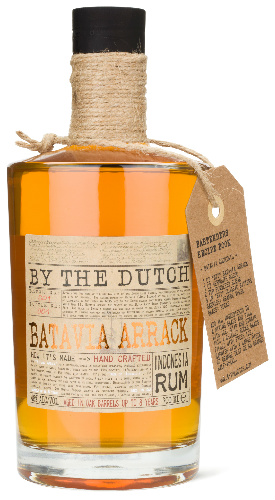 Color: Light gold.
 Color: White Wine.
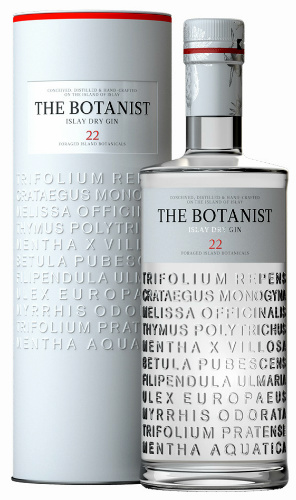 Color: Clear water.
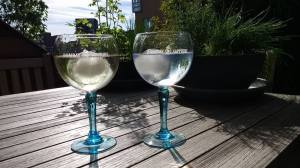 Every time I make a Gin & Tonic at home, I always make two different ones for a proper H2H. It’s a sad thing to drink Gin & Tonics alone, so I always do that with my wife. We’ll do some proper comparisons, at least I do, and then I let her pick her favorite for her to finish. She often picks a different one than I, so it is not as bad as it sounds. Especially one time I remember we both preferred the same one, and up ’till now the combination of the aged
  Color: Pale gold.
 Whisky world has changed in the three and a half years that have passed since then. In 2013, it seems, Whisky was just starting to get global, and today it seems every country in the world already has at least ten distilleries producing Whisky.
 Color: Full gold.
 Color: Copper.
 Master Quill