Why not make it a double bill, and review our third Glencadam. Both Glencadam’s I reviewed earlier managed to score a nice 85 Points, so let’s see if this one does better. This particular on is 30 years old, and by itself it’s older than both previous examples put together. This is another one from the attic, since it was released back in 2006. The difference couldn’t be greater when comparing it to the Glencadam I just reviewed. It is twice the age and this one comes from a Bourbon cask, surely it will do better?
 Color: Full gold, and only slightly lighter than the 15yo.
Nose: Half sweet and nice biscuity barley. Slightly spicy and reminds me of old Dutch Jenever. Definitely some Bourbon influences. Some waxy elements, but not much. In fact the Whisky smells quite young and vibrant and not at all would you expect it to be 30 years old. Fresh, hints of citrus and only mere hints of vanilla. Dusty wood completes the nose. That’s it, not much more is happening. After a while more fruit comes to the fore. Sweetish yellow fruits. Some unripe banana skin. Adding to the structure of banana comes powdered coffee-creamer, in the smell a creamy variant of vanilla. Dusty and slightly dried out ice-cream after you spilled it and didn’t clean it right away. Given some time the freshness takes a back seat and the whole is nice but also rather dull. Not a very active cask I’m afraid. Having said that, it does smell like something from the past.
Taste: Wood, paper and cardboard and after that a short, sharp attack, quickly followed by a short sweet note. After the sweetness comes some woody bitterness. Distant dull vanilla. Waxy again. Cold candle wax. So the body is present and almost chewy, yet surrounded by dry paper and woody notes. A nice old Bourbon matured Whisky, but not a stellar one like 1972 Caperdonich or 1976 Tomatin, to name but a few. Here also some fruit emerges, but again a bit dull. Dried bits of pineapple and some old broken almond bits, you sometimes find in the couch. Luckily the sweetish and fruity note dominate the body, not leaving much room for the woody bitterness. The finish has medium length, but there isn’t much happening afterwards. What stays around for the longest, apart from general (cardboardy) creaminess, is a sour note you get from (new) oak.
Not bad, quite nice, but also not spectacular as well. No real off notes and nothing (bad) overpowering the whole. Still a nice one to pick up when all of its distant relatives are sold out. Definitely a lot better than most of the modern Whiskies though. I’ll have fond memories of this nevertheless.
Points: 85
 Color: Copper gold.
 Color: Gold.
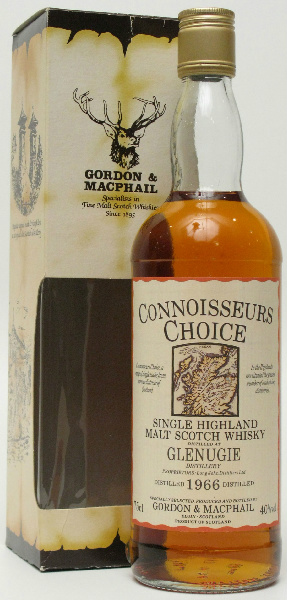 Color: Slightly orange gold.
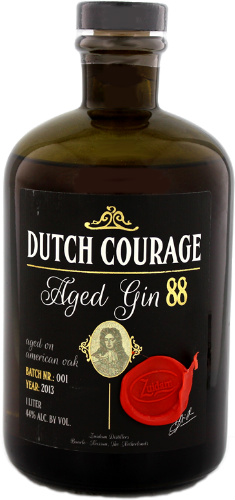 Color: Citrus gold.
 In 2004 Mr. Henderson retired from Brown-Forman and in 2006, joined his son Wes(ley) and grandson Kyle in their Louisville Distilling Corporation, experimenting with finishing Bourbons in casks that previously held other distillates. The Bourbon itself is said to be made by MPG in Indiana, which is very odd for a Kentucky Bourbon, as stated on the label. The Bourbon is around 4 to 6 years old, obviously first aged in American oak, as all Bourbons are, and finally finished for 3 to 6 months in 225 litre Ruby Port barrels made from french oak. It’s a small batch Whiskey each time made from 8 to 10 barrels only.
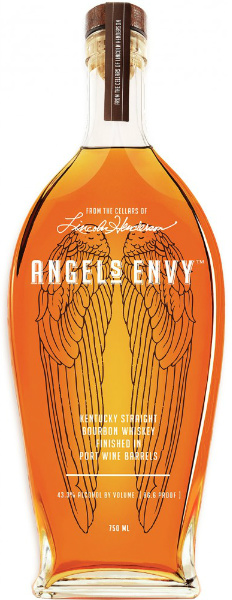 Color: Light copper gold.
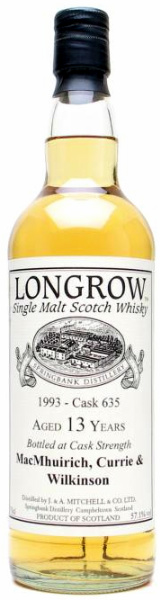 Color: Light gold.
 Punch is next. Punch is Cuban Cigar brand, but as with many Cuban brands, also exists outside of Cuba. You know all about families fleeing the country and selling the rights abroad, and the Cuban government seizing the Fabricas and continuing production. The “other” Punch is made in Honduras.
 Color: Orange brown.
