
We already reached the end of our Dutch Jenever journey. It was a long journey for me, and writing the reviews and doing the research took me a whole lot longer than first expected. Lots of other things came in between, both already published and some not, like the next Master Quill week, which at this point in time is nearly finished as well. It’s a good thing I took my time, because in the mean time I somehow connected with Jenever and found out what it is and what its place is in the big scheme of things. I learned to appreciate it for the wonderful traditional liquor it is. I present to you the last review of the week and it is a 14yo Rutte, aged in a Bordeaux cask, in many ways similar to yesterdays 14yo Zuidam that was matured in two Oloroso Sherry casks. I expected both to be dominated by the Bordeaux Wine or Oloroso Sherry before setting off…
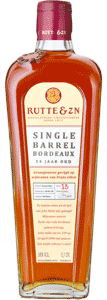 Color: Vibrant copper gold.
Nose: Very fruity. Berries, cherries and this definitely has some characteristics of wine, just not the wine itself. Very fresh and vibrant at first, but also a deep dull nutty undertone that evolves over time. Sweetish and grainy. The cask impaired a lot of aromas onto the Jenever. Waxy red apple skins. Vanilla, mocha and plywood. Small hint of licorice, some toasted cask and sometimes a light whiff of cigarette smoke. Still not a true red wine aroma, if you ask me. If someone would give me this Jenever blind and ask what kind of cask this came from, I would have been sure this was from a Calvados cask. The aroma is from apple, but also the typical acidity from Calvados. Very perfumy and fruity. Definitely floral as well. Cinnamon comes next and as we all know, cinnamon goes together well with the apple aroma this Jenever has. Nice stuff to smell. Soft.
Taste: Sweet, sweet, sweet. Apples in many (distilled) guises. First impression shows an enormous lack of complexity. Fruity, overpowering and warming, and yes, quite likeable as well. Liquid candy and although 38% ABV is not high, it seems way less than this. It drinks like a soft Sherry with corresponding ABV. Christmas pudding. More Calavados notes mixed together well with some soft and spicy notes from wood. I know this is from a cask that once held French Red Wine, but the spirit is Dutch. Having said that I can’t get rid of the French feeling this Jenever gives me. maybe this is because this hardly tastes like a Jenever at all? Am I biased by the statement on the label and the aroma’s of Calvados? I wish I had tasted this blind, not knowing what it was, would I call this a Calvados then? Even after 14 years we can safely say that the Bordeaux may have overpowered the Jenever a bit, but some nice synergy was achieved as well. It ís still recognizable as a Jenever. It has a great nose and tastes well. Big gulp now and damn, this has a lot to do with a semi-sweet Calvados (and nothing with Bordeaux or the other Rutte offerings I reviewed and tasted). Again a Jenever that has to breathe for a while, so don’t be hasty with it.
Whereas with Zuidam you get the feeling everything is intelligently planned and intended, with Rutte it sometimes is more random and spontaneous. Trial and error. Hit or miss.”Well lets not chuck out the cask, people. Rinse it out and put some spirit in it, I might like it in the end.” (And then forget about the cask altogether untill a cleaning-lady accidentally stumbles upon it…)
I hope Patrick van Zuidam doesn’t feel too comfortable now, to sit back on a beach somewhere, and just let things happen. Although the Rogge Genever was a bit sweet and simple, the rest of the offerings I reviewed here were top-notch. A clear winner. Rutte seems to be trying to find an identity for itself by concentrating on experimentation, marketing and far away markets. Everything was pretty decent though, especially this Dutch Calvados made from Jenever and Bordeaux casks. However, the bottle of the Rutte Twaalf Graanjenever started out as a disappointment by its lack of balance. Shockingly so, since I actually expected quite a lot of that one. When it got some extensive contact with air it got way better. I tasted some young expressions, maturing in American oak and they were pretty good. I should try another bottle of this 12yo, to see if the profile is just different. Knowing the Rutte 12yo, puts this Bordeaux Jenever more into perspective. The fruity acidity I expected to come from the Bordeaux cask is actually coming from the spirit itself, since it is also present in the 12yo.
In the end this Dutch Jenever Week only featured products from Rutte and Zuidam. Of course there are a lot more Dutch and other Jenevers around, as I mentioned yesterday, and I will absolutely source some more for future reviews., because Jenever is definitely worth your attention. Just let it be Jenever and don’t compare it to anything else. It’s not Whisky nor Gin and why should it? Proost!
Points: 79
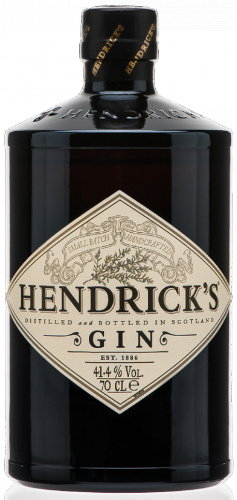 Color: Colorless.
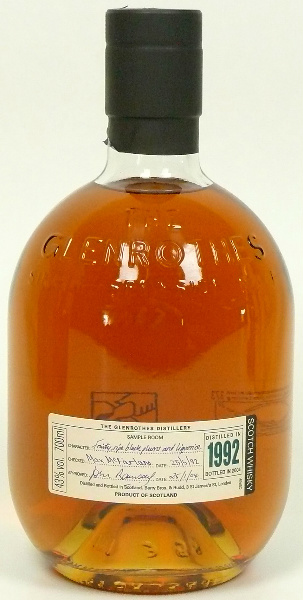 Color: Gold
 Happy new year! Most of you will not read this post, right from the first second of 2016, but probably a bit later. I hope you all got through the fatty stuff you stuffed in your mouth over the past few days, and are ready for a wonderful and healthy 2016. For Master Quill this new year will start with the Cognac Week! A new year, the fourth year for Master Quill, so its time for a new distillate on these pages. A worthy distillate and maybe long overdue. Up untill now we have already covered some wonderful distillates. Obviously Whisky in many forms as well as a growing number of Rums and there has been some Grappa. Wines and Beers have not been so prominent on these pages the last year as in the beginning, but I’m sure they will get their share of attention again someday, although I feel Master Quill is for the time being more about distillates, so that will remain the main focal point in the future. Let’s start with Cognac. The first one is made by A. de Fussigny, which just might taste as modern as the bottle looks.
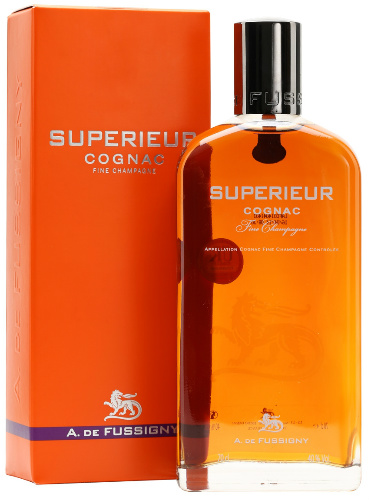 Color: Orange gold.
 Color: Light gold.
 Not a lot of books like that existed back then, and it opened a world for me. I almost wore the book out. In hindsight I liked his book on Belgian Beers better, due to its thorough research and obvious love and passion for the subject. The Whisky Companion itself started to gather some dust since a lot of the scores in the book weren’t very realistic to say the least. Just look at the scores for the Macallan Traveller Series to name but four. In 2009, the Whisky Magazine and Berry Bros & Rudd blended the remains of his collection of open bottles together and other Whisky was added to “correct” the result. A proportion of the profits raised with this bottling was donated to The Parkinson’s Disease Society, an illness Michael suffered from, for more than a decade.
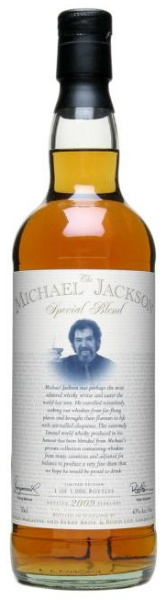 Color: Dark Gold.
 Color: Dark brown.
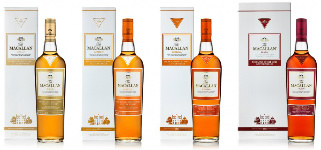 Sienna is part of the 1824 family. The other members being Gold, Amber and Ruby. The names are derived from the color of the Whiskies. Yes no age statements but now we get colors! I’m just speculating here but it seems to me that with increasing color, more (Oloroso) Sherry casks were used. Obviously other Sherries might be used as well.
 Color: Deep orange gold.
 Day four already of the Irish Whiskey Week, so we are more than halfway! Today we’ll have a look at
  Color: Light citrussy gold, pale
 Why not continue our Irish Whiskey Week with another Tyrconnell, but first I’ll start with my thoughts about finishing Whisk(e)y in casks that previously held(fortified) Wines.
 Color: Light copper gold
 Master Quill