Springbank “CV” (46%, OB, 10/12)

What does 10/12 mean, you might ask? Well, usually there are codes printed on the back of the front label, which you can read it through the glass. I was told the digits before the “/” depict the year of bottling, and the digits after the “/” is an operation number for that year, which in this case is a bottling run. Here 10/12 stands for the 12th operation of 2010, probably in January. In this case a bottling run. But also a marriage of casks or re-racking of casks get an operation number, so it’s not only bottling runs that get an operation number. There was at least one other bottling done of the Springbank CV in 2010 and it’s code is 10/123, probably somewhere from march through may of 2010.

Springbank CV (46%, OB)Color: Pale gold

Nose: Funky, raw and oily with added citrus notes. Reminds me of Kilkerran. Clay and yellow fruits. When concentrated, peppermint. Nice fresh oak, tree sap. Lemon curd and overall very intense and young aroma’s. Hint of unripe pineapple with vanilla and distant smoke. The wood also gives a nice spiciness to it, given some time to breathe. Good nose.

Taste: Less oily and seems peaty. Young, not completely balanced yet. peppery, paprika attack. Again this reminds me of Kilkerran. Oily and hidden sweetness. Traces of cardboard and oaky bitterness. It’s youth comes through in the simpleness of the dram, meaning that it’s not very complex and I was quite surprised by the weakish finish.

The initial mouthfeel is nice, so is the body. The nose shows a nice potential. Good Whisky just too young. Whisky like this needs some age to make it to the finish. I like Springbank and even here a lot is working for me, just the finish, thin, paper and watery, and that from a Whisky that was bottled at 46% ABV. Quality stuff, just bottled to early.

Points: 84
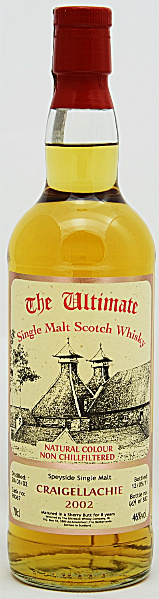
Craigellachie 8yo 2002/2011 (46%, The Ultimate, Sherry Butt #90067, 882 bottles)

Craigellachie was founded in 1891 and designed by Charles Doig. The first spirit is distilled not earlier than in 1898. Smooth sailing from there, with some minor changes in ownership. In 1964 the distillery is hauled over and the stills are doubled taking them from two to four. In 1998 Craigellachie, Aberfeldy, Aultmore and Royal Brackla are sold by UDV (now Diageo) to Bacardi (Martini). Its closest neighbour is The Macallan.

More than two years ago I reviewed one of my own bottles a Craigellachie that was distilled in 1982. Today we’ll have another go at Craigellachie and this time one that was distilled 20 odd years later. The Craigellachie at hand is a mere 8 years old, and was matured in a Sherry Butt.

Craigellachie 8yo 2002/2011 (46%, The Ultimate, Sherry Butt #90067, 882 bottles)Color: Light gold

Nose: Malty and quite sweet-smelling. Hot sugar solution. Toffee, caramel and most definitely some vanilla (American oak?). Also a hint of mint and some elegant (old) oak. Next to that some fresh air and herbal traits. Dried grass. The wood changes a little into the smell you get when you are sharpening a pencil, but also cask toast. Probably a Refill Butt that once held Fino Sherry. The sweetness that was there in the beginning dissipates a bit to let those woody and drier notes to display themselves some more. After a while a hint of licorice and lemon curd.

Taste: Malty again, and somehow it doesn’t taste ready, not as balanced as the nose is. It is underway yet not finished. Small bitterness and also some paint notes. The maltiness and oak hide the sweetness that is absolutely there. Butter cake and a touch of honey. Given some time the sweetness emerges better but the whole gets more balanced by a creamy note and milk chocolate. The finish is quite long and adds a bitter burnt note that wasn’t there before. It adds to the character and balances the (late) sweetness. Interesting.

I usually wine that a Whisky was reduced too much. This one yielded almost 900 bottles, so this must have been a Whisky that was high in alcohol. It was reduced to 46% ABV, yet it still carries a nice punch and I’m guessing the flavours are better displayed at this strength than it would have been at Cask Strength. Lovely and honest Whisky, easily drinkable and a nice addition to a lot of official bottlings you might own in the same price-range.

Points: 84

Bowmore Small Batch (40%, OB, 30.000 bottles, 2014)

Benefitting from the success of the Tempest (Small Batch) series and especially from the instant hit The Devils Cask (Small Batch) was. Here comes a new Small Batch release from Bowmore. One without an age statement and considering the usage of first fill and second fill casks, this should be very akin to the tempest series. This Small Batch however, is reduced to 40%, has no age statement and costs next to nothing, so what to expect from this new-born release?

I’m still expecting quite a lot since I really like how the newer 12yo’s are turning out to be. The only beef I have with that one is the reduction to 40%, whereas I believe 43% or maybe 46% would have made this already great Whisky into something more stunning. However, the 12yo is very nice and this Small Batch fits nicely besides the 12yo and several other expressions from Bowmore in the group of entry-level Islay malts without overpowering peat. They leave that to Ardbeg, Laphroaig and Lagavulin, although I feel even some of these are churning out more and more, less hefty Whiskies too…

Bowmore Small BatchColor: Light gold

Nose: Fatty, vanilla, citrus fresh. Barley foremost, but also some forest plants like fern and warm earth. Forrest floor again without the wetness or mushroom components, yes a bit dusty. Smoke and hidden (behind the smoke) peat. Vanilla again, with tree sap and soft fresh-cut wood. Also yellow fruits play a big role in this whisky, like dried apricot. Smells nice and all components of the nose fit nicely together. Well crafted again, as I’ve come to expect from Bowmore’s Rachel.

Taste: Sweet, and some prickly smoke. Fresh wood. Did I mention it was sweet? Licorice and again forest plants. Black and white powder (licorice) and sugar-water. Absolutely not complex, but extremely nice to drink, too easy maybe, and well made. Shortish finish, with nothing in particular to mention, just take another sip. Keep in mind when you are buying a bottle of this, you’re probably going to finish it quickly. This one can stay as it is, but like the 12yo, I wouldn’t have minded this being some points higher in alcohol.

Easy, lovely, well made Whisky, not stong in any way and not your typical Islay Whisky too. Dirt cheap, often on sale and lots of quality to boot. Probably sells well so now its time for the new Big Batch series!

Points 84

Thanks go out (yet again) to Laura!

Warre’s Colheita 2002 (2013)

A Colheita port is, like a Vintage Port, from a single vintage year ​​with the big difference that these ports are matured in oak barrels and filtered before bottling. Maturation takes place for at least eight years, but often longer, which makes it a Tawny Port. Usually the year of bottling is mentioned on the label, as is the vintage year. Because Colheita’s are filtered, not a lot of further ageing happens in the bottle, but still a lot of Colheita’s can be laid down for a while. No decanting necessary.

Warre Colheita 2002Color: Deep ruby-red which just started to fade a bit. High viscosity.

Nose: Sweet candy. Slightly winey, but foremost syrupy and very fruity. A little bit of soap. Lots of cherries and other sweet red fruits like ripe and succulent strawberry. After some breathing some spiciness and a slight hint of wood emerge. It smells young at first and fresh (acidic?). The whole seems to be crafted from the aromas of red wine, sweetness and some barrel ageing. The color is ruby-red too, so not your typical brownish tawny Port. Yes, it does smell very nice and perfumy though. I swear, when I nose this a lot I get some fresh mown grass and warm butter in there too. Easily accessible and definitely a quality wine. Do I detect a little bit of sulphur in the nose after a while in the glass?

Taste: It’s candy! Luckily not overly sweet and in the taste some nice acidity shines through. Good balance, but not very complex. Lacking depth at first. Again, not your typical tawny. It’s very nice, but it plays in another division. Very fruity and oozes summer. It sometime drinks like 5% ABV, but it still packs 20% ABV, which can be tasted in the finish. The finish itself is long, warming and very pleasant, and adds a lot to the complexity of the whole. It has the smallest hint of wood and fresh nuts, walnuts without the bitterness and hazelnuts. A little bit of tannins on the tongue. Very drinkable.

I can imagine drinking this slightly chilled, sitting outside in the sun. Very refreshing due to its toned down sweetness, nice acidity and accessible fruitiness. Although a little bit different, it did remind me of Kopke Special Reserve Tawny (150th Anniversary in Holland), although that one was even more summery, fresh and light, this Warre has more body and a heavier finish.

Points: 84

Kopke Special Reserve Tawny (150th Anniversary in Holland)

And finally the third and last of the trilogy of Kopke Ports I had open on my lectern (not counting the Moscatel that is). The Trilogy started off with Kopke 10 Years Old Port (Matured in Wood), continued with Kopke Christmas Port (Reserve Ruby) and now finishes off with this Kopke Special Reserve Tawny (150th Anniversary in Holland), which just like the 10yo matured in wood Port is a Tawny Port.

Tawny Port is named for its tanned color, which occurs when Port matures (oxidizes) in barrels for several years. Tawny Port mostly consists of Port wines from different vintages blended together. Cheaper examples are made by blending Ruby and White Ports, a method which surpasses the time the Port would need to age to become a Tawny port, and as we all know time = money. Having said that, even by blending Ruby and White Port together, nice results can be achieved. Blending isn’t necessarily a bad thing you know!

Kopke Special Reserve Tawny (150th Anniversary in Holland)There is a little back label on this bottle that explains why this Port is “special”: We specially selected this Kopke aged tawny Port to express the pleasant cooperation between Kopke and our eldest client, the Dutch importer J. van Ouwerkerk, founded in 1860. 1860 -2010, 150 years in the wine trade.
Color: Sparkling light red with a brown hue, actually more pinkish red than tawny. Long legs in my glass.

Nose: Smells extremely sweet, not very different from (the sweetness of) a PX Sherry sweetness. Very fruity, sugary and it has a lot of red wine notes. Smells fresh (young) and full on summer. A kind of happy Port. It also shows a little depth with a balanced woody and vanilla (ice-cream) note. Do I detect some sort of minty freshness? Nice and not too complicated Tawny.

Taste: Thick lemonade, due to its youthful fruityness. Small hints of chocolate and licorice. Not heavily sweet and the half-sweetness it has, is nicely counteracted by good acidity. Good balance but with a short finish though. A light Port.

A decent and fruity, happy Port. Actually not very Tawny If you ask me. I can imagine drinking this with ice cubes on a terrace in the summer. Especially since it has lemonade written all over it! Don’t analyze this one, just enjoy. This Tawny has an ABV of 20%.

Points: 84

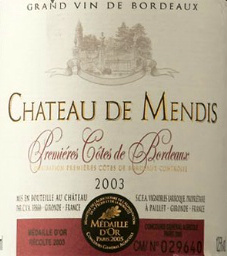
Short Stories: Chateau de Mendis Premiéres Côtes de Bordeaux 2003

Hey another short story. So no introduction, no research (or nothing to research), just a short (tasting) note about something (in most cases, a wine I had with dinner), so without further ado…

Chateau de Mendis 2003Color: Extremely dark ruby-red

Nose: Nicely spicy and warming. Oozes hot earth. Spicy and somewhat woody. Nose is nicely balanced. Again lots of earth, dusty, meaty and with deep red fruits, mainly cherries. Very pleasant nose. I don’t know why, but smelling this, I have a craving for Pizza.

Taste: The mouthfeel is a bit thinner than I expected from the nose. It still is warming and has quite the body. Fruity again with some added acidity (but not much). This most definitely is a wine that needs to breathe. It was aged for quite a bit and has developed well. I imagine this wine wasn’t made for keeping. The soft tannins are there, on the tongue, but not as much in the taste. Again a bit meaty, but in no way unforgiving. Will do well with most foods. Meat and cheese and anything in between.

Mostly Cabernet Sauvignon, but blended with a little bit of Cabernet Franc and Merlot. 12.5% ABV.

Points: 84

Casa La Teja D.O. La Mancha Tempranillo – Merlot 2009

Next up is this rather cheap Spanish Wine. My mother made us a very good Moussaka with the recipe she used came the advice to combine it with a Tempranillo from the La Mancha region. So looking around on the many shelves in my “cellar” I spotted this Wine. This is a blend of Tempranillo (85%) and Merlot (15%). How unusual. Casa La Teja is a brand owned by Coop. Jesús del Perdón, and when Jesus loves it, who am I to think otherwise.

Casa La Teja 2009When looking for information about this cooperation, I can find that it is located in Manzanares, and I am led to the www.yuntero.com website. On this site I cannot find this Casa La Teja wine, so I don’t have a lot of hope this will turn out to be something good. Let’s have a go then.

Color: Deep ruby red.

Nose: Very fresh and fruity, the Obvious vanilla-like black currants and cherries, but also the smell of fresh apples. Very likeable and light. Easy, young and very pleasing. It gives off a feeling of warm, dusty soil and silence. Fleshy, buttery and bold. After this a little more on the black or rather red fruits and some more acidic freshness start to play a role. When it gets more air from swirling in the glass a more typical and fleshy Tempranillo smell oozes out of my glass. It’s not very complex but very enjoyable nevertheless.

Taste: Again easy, yet very refined. As the smell predicted, this is not very complex, but it has great body and harmony to it. Not very heavy on the acidity and certainly not a lot of tannins (at first). Given some time to breathe and develop a little, same more tannins emerge, but still not a lot. The apples return as well. Dark cherries, sweet cherries, and come to think of it, it is actually sweeter than I expected. Fruit Sugar and syrup with a hint of licorice. Great easy drinker this is. Lots of blackberries in the finish (the sweet and the sour).

Very easy drinkable and will do good with everything. Good birthday wine, because it will do well on its own. As I said before, the first time I had this was with a very tasty Moussaka and it accompanied that well, so this turns out to be a rather unknown wine, of pretty good quality that is very versatile to boot. Buy by the box.

Points: 84

Paul John “Edited” (46%, OB, Batch 1, 2013)

Being a big fan of the Scottish tipple, I somehow ignored the products made in other countries for a long time. OK, I started out with Whiskey from the United States and very early on, some stuff from Ireland and Canada made its way onto my lectern, but that’s about it. If I tasted something else, I didn’t like it very much back then. Yes, back in the day the Whiskies from other countries, just weren’t all that good. More than a decade has passed now, and visiting the odd Whisky Show, I’m more and more exposed to whiskies from those “other countries” and guess what, they actually became pretty good! As we all have read earlier, Cyril Yates made some pretty good Whisky in New Zealand and here we have a Whisky from India. Whisky is getting really global!

Paul John Single Malt Whisky is made at the John Distillery in Goa, India. The distillery only started in 1992 and in just 20+ years became a big player on the Indian Whisky market. Paul John Single Malt Whisky is a more recent addition (presented to the world on the 4th of October 2012 in London, England) to the portfolio that also contains the regional brand Original Choice, which sells 10.000.000 cases annually. The company also sells another brand of Whisky, but also Brandy and Wine. According to the distillery they only have one thing in mind doing business, to make the best product possible…

The core range of Paul John Single Malt Whiskies consists of the unpeated “Brilliance”, this lightly peated “Edited” and up untill now three Single Casks. The peat for the Whisky I’m reviewing here was sourced from Aberdeen and Islay, and I guess there is no better island to source one’s peat from than Islay! 25 to 30% of the Whisky in this vatting is peated to a level of 35 ppm (parts per million) of phenols, resulting in a Whisky that is has a peating level of 8 to 10 ppm. Yes, that’s lightly peated alright. The Whisky has matured for 4 to 5 years in first fill American oak. If you are expecting a (heavily) peated Indian Whisky than this is not for you. If you’re open to a peated whisky where the peat is not about…in-your-face peat, then you’re in for a treat, if you let it.

Paul John EditedColor: Light ocher gold.

Nose: Malty and the slightest hint of peat. Perfumy and needs the warmth of your hand holding the glass. Hints of oily sowing machines. Powdery. Hints of citrus and vanilla ice-cream. A wee bit of drying wood, but when it gets to the right temperature is shows great balance. The powdery element is connected to some late fruitiness, that reminds me of vanilla yoghurt with apricots and mango. Mellow.

Taste: Malty again, and here the perfect sweetness does show up with toffee, mocha and vanilla. It was less sweet on the nose. This is nice! Extremely drinkable and 46% seems perfect for the profile. The ABV delivers a nice bite, but not alcoholic. Again a little bit of wood, but not typical oak, more like cedar or even plywood. I know this does sound horrible here, but it absolutely isn’t. The wood is in a curious way spicy and it delivers another type of bite or character, that sets it apart from most Scottish Whiskies. In the (medium) finish a little bit of paper and smoke appears (not peat).

Elegant stuff with a lot of potential. It is already a great start for Paul John, but I have a feeling they will make this even better over time. It’s time for the Scottish to wake up. The days of extreme pricing might soon be over and the consumer will wise up and turn to other whiskies, like Paul John and Amrut from India, amongst many, many others.

Points: 84

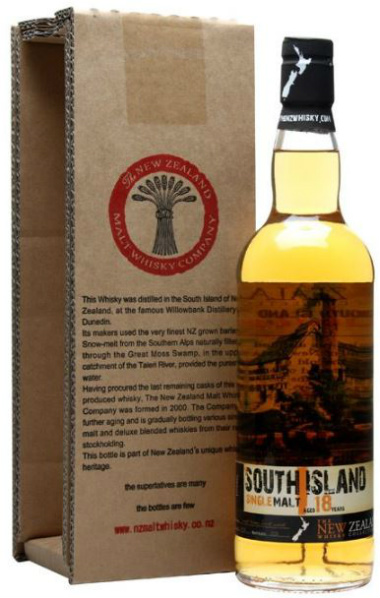
South Island 18yo (40%, The New Zealand Whisky Company)

Earlier I reviewed the DoubleWood blend of the New Zealand Whisky Company (NZWC). Please have a look at that review for some more history of the NZWC. Here we’ll move on to the first single malt of the NZWC on these pages. They call it the South Island 18yo, because it’s made in the Willowbank distillery in Dunedin on the South Island and its age is no less than 18yo. The Whisky was originally intended to be Lammerlaw single malt. But a new owner stepped in and there is no Lammerlaw in the collection anymore, but what is?

First of all the NZWC has some blends. The DoubleWood 10yo we know, but there also is a DoubleWood 15yo. Both blends had some extensive finishing in New Zealand wine casks. The Water of Leith is another blend by the NZWC, that one is 70% Single Malt, and 30% Grain Whisky.
Another speciality is Diggers and Ditch which they call a ‘Double Malt’ Whisky. Once we all called something like this a Vatted Malt and nowadays we should call this a Blended Single Malt or something if it were Scottish, which it isn’t so Double Malt it is! Diggers and Ditch is a vatting of NZ Single Malt and Tasmanian Single Malt.

Next in the collection is the Milford Range. Here we have a 10yo, a 15yo, a 18yo and a 20yo. All bottled at 43% ABV.Only two series left. First the South Island range of Whiskies. Here we have a 18yo, a 21yo and a 25yo. The 18yo and the 21yo are bottled at 40% ABV. and the 25yo is bottled at 46% ABV. Hurray!

Last but not least the Cask Strength collection. Finally some examples of single casks that are bottled like it sits in the warehouse, at natural strength. For the time being the following Single Cask bottlings are released (the list may not be complete):

  • 1988: 23 year old (casks #70 and #72)
  • 1989: 22 year old (casks #58 and #148)
  • 1990: 21 year old (cask #90)
  • 1993: 18 year old (casks #21 and #32)

Color: Light gold.

Nose: Fresh, lively and fruity. Hints of cream butter, toffee, flower and cookie dough. Very rustic, light, sunny and fruity. Apple compote. Tiny hints of creamy wood. It smells like a summer’s day in the country, where a warm wind moves the curtains, and a freshly baked apple pie sits on the window sill.

Taste: Light, fresh and fruity again. Chalk and the slightest hint of malt. Apples in all its guises. Apple skins, apple compote, warm apple pie. The sugary sweetness tastes a bit watered down, but the nice fruity acidity keeps the whole fresh. The apples taste fantastic in the finish. A happy Whisky!

I wasn’t a firm believer of the “summer dram”, but if they exist, this is one of them! Extremely happy I bought myself a bottle of this 🙂 This gets the same score as the DoubleWood but it is a completely different Whisky.

Points: 84

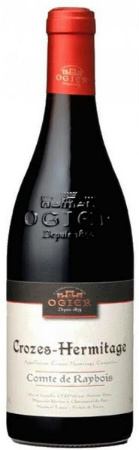
Ogier Caves des Papes Crozes-Hermitage Comte de Raybois 2009

Another red wine, another Ogier. Crozes-Hermitage lies in the northern part of the Rhône wine region and has a continental climate. Nearest town being Tournon-sûr-Rhône, where Châteauneuf-du-Pape is located more to the south near the town of Avignon, which has a mediterranean climate.

Where the previous Ogier was a Châteauneuf-du-Pape made with four grape varieties, this Crozes-Hermitage is a 100% pure Syrah. That in itself is a no-brainer since Syrah is the only red grape allowed for this appellation, or isn’t it? Strange enough two white grape varieties are allowed for use in the red wines (up to 15%). These are: Marsanne and Rousanne. Since this wine is all Syrah and the Châteauneuf-du-Pape is a blended wine of four grape varieties, I expect this wine to be rather different, albeit a Rhône wine. Syrah is a ballsy grape variety, which usually adds black and blue fruit flavors, chocolate and pepper, but knowing Ogier, this example might be lighter in style than its colleagues…

Color: Deep dark, very dark, red.

Nose: Vanilla and clotted cream. Somewhat closed, smells like a cold wine. Smallest hint of fish. (Should I be writing this? Don’t worry it’s inoffensive). After holding it in my hand, swirling it a bit, an explosion of aroma’s. Nice rich typical Syrah, warming. Hot stones. Spicy yet supple (yes still writing about the smell of it, and it smells, well…, supple). A little bit of dry but fresh uncut grass, and field flowers with strawberry jam. Nice dark fruits emerge from the jam. Nice stuff this, quite complex and interesting.

Taste: This has some more tannins than the Châteauneuf-du-Pape I reviewed last. It dries the tongue and it is a bit austere. It has the, by now typical,  Ogier lightness to it. Syrah can be very heavy, but this Syrah just isn’t. I just poured it, it is light with a light finish and a nice acidity counteracted with some butter. With some breathing it should get better. It’s a bit like Metallica played by a Finnish string quartet. After some breathing and even taking big gulps, the wine actually doesn’t get any “heavier” It just is a lighter style of Syrah, which compared to the nose, is quite simple and easy.

No pepper nor chocolate for me, so this one should be aged further in the bottle, to get the pepper out. Syrah without this most probably is young and needs more time. Leave it alone for at least five years again, but in my opinion it should age even longer than that.

Points: 84