Tamdhu 15yo (46%, OB, 24.000 bottles, 2019)

In 2011 Tamdhu was let go by the Edrington Group (The Macallan, Highland Park) and it got snapped up by Ian McLeod (Glengoyne). Since then, “Ian” came up with a new bottle design, which actually looks like something Edrington might have done. It certainly looks different from most other bottles. Its tall and very heavy, fits my hand perfectly and pours nicely. I have yet to spill a drop. I hear, not everybody likes the look of it. Personally, I rather like it. Earlier, I reviewed the first batch of the cask strength version, the rest of my reviews are solely about independent bottlings of Tamdhu. Tamdhu has always been associated with Sherry, just like The Macallan and Glendronach were, although I’m not really sure anymore about Macallan though. I don’t really know with what it’s associated with these days. Fine leather ladies’ handbags maybe? Collections of photo’s? Crystal? The bottle I’m about to review next, is also a Sherried bottling. This 15yo was first released in 2019 and the release has been matured solely in American and European oak Oloroso Sherry casks.

Color: Orange gold.

Nose: Nutty and dusty Sherry. Smells like something sugary. Lots of fresh oak as well. One side of this Tamdhu is nutty and thick, the other fresh (fresh air, salty ocean spray), fruity and slightly acidic. Hints of toasted wood and red fruits. Dusty and some old motor oil. Refined, and slightly tarry. Quite meaty as well. Earwax and yet also this whiff of fresh air, quite a lot of aroma emerges from my glass. There is a lot happening in this one. Quite complex. Hints of exhaust fumes, yeah, why not?. Sweetish, with enough wood and chocolate to balance the sweetness out. Chocolate chip cookies and vanilla powder. Sometimes tiny whiffs of sulphur. It carries some resemblance to some batches of Aberlour A’Bunadh, the more I smell this though, the less obvious that is. Also a fresher, more citrussy note making this Tamdhu less heavy and cloying in comparison to other Oloroso Sherry Whiskies. This acidity also makes this Whisky more fresh and youthful. Hard to believe this has been lying around for 15 years. 15 years is a loooong time. Wonderful nose, but it does need your attention. This is not one to smell casually.

Taste: Big, with light Sherry and more nuts than a squirrel can store. Thick yet not syrupy. It’s thick but not cloying. However this does seem to have some hidden sweetness to it. Just hidden away nicely by the wood that is present (enough). Mocha, milk chocolate and dusty Sherry notes. Spicy and prickly. Fresh menthol (complete with hints of toothpaste). Half sweet now and definitely some toffee notes emerge. Tarry cigarette ashes. This is nice. Instant gratification. The taste is simpler than the complex nose, and therefore doesn’t need the level of attention the nose needed. The taste is well balanced, nutty and likeable.

Even though this is in every way a decent Tamdhu, I have to admit I was a bit disappointed at first. Somehow I expected something more of it. This does have a lot of Sherry influence, but in no way is it a Sherry monster. I should have known better, since this isn’t all that dark to boot. I guess other Tamdhu OB’s will fill that Monster spot soon. In comes time. Over time I shed the idea of Sherry monster expectations. Tamdhu had a reputation you know? I got used to what this 15yo actually is, which is a likeable, lighter Sherry style with a complex nose. Refined, elegant and laid back. Quite good. Recommended

Points: 86
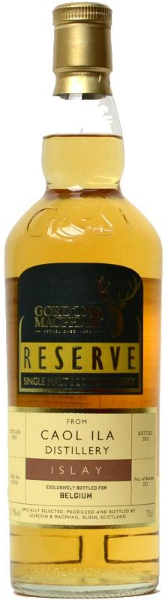
Caol Ila 10yo 2005/2015 (55.9%, Gordon & MacPhail, Reserve, 1st Fill Bourbon Barrel #301535,for Whisky Warehouse Belgium, 233 bottles, AE/JACE)

Another bottling for Belgium, what’s up, Belgium! Not all that long ago, not a lot of Caol Ila was available, and look at it now. With every turn of your head, if you are in the right place that is, there is a bottle of Caol Ila of some sorts available. Lots of OB’s to choose from, an even more IB’s. So when Caol Ila is this easy to get, with so much variation, and often fairly priced, and with nice quality, I made a deal with myself to always have a Caol Ila open on my lectern. When the “Milano” bottling was finished, I quickly replaced it with this “Belgium” one and opened it immediately. Both examples were bottled by Gordon & Macphail, but where the “Milano” was reduced, to keep the price down I guess, this “Belgium” is not. (Cask Strength hurray!) The last time I checked, Belgium is also a slightly bigger place than Milano…

Color: White wine, a bit pale though, for a first fill after 10 years.
Nose: More fruity than peaty. Lovely and elegant nose. Very fruity (initially more acidic than sweet), and fresh. Excellent. Mixed in with the fruit is a nice woody and light smoky note, but where is the peat? In a way, this is soapy and floral. Nothing bad though, there won’t be any foam to come out of your nose. Ripe yellow fruits and some smoke. Hints of vanilla from the American oak. Also a slightly spicy and this light woody note. Wonderful stuff. The smell carries a promise of a sweetish Malt. I did already mention ripe fruit, didn’t I, but there is also this note of overripe fruit, the kind that attracts insects, just before it turns bad and rots. Again, in this case, this is not a bad thing. More soft powdery vanilla from the oak. It exerts itself some more. Hidden away in the fruit and smoke, there is this floral type of peat. I recognize it now. In comes this meaty note as well. Nice development in the glass. Whiskies like this fly a bit under the radar, but are actually a lot of fun. Just a Bourbon barrel or hoggie, ten years of time, and there is a lot of beauty to behold in the details of such a Malt. It doesn’t always have to be a big Sherried Malt. Good stuff, this Caol Ila.

Taste: Sweet on entry, and here it starts out with peat. Go figure. It’s big, sweet, fruity and peaty. Warming and spicy going down. Spicy wood and dust. Cardboard and dry vanilla powder. Much peatier and smokier than the nose was. The nose and taste might differ, but work together well. Lets call it well balanced. Less balanced though is the rest of the body and the finish. The entry and the first half of the body are great, big bold, very aromatic. Second half is a bit less interesting. The balance starts suffering, and the initially well integrated aromas come undone. Turns a bit ashy, which also highlights the cardboard aroma mentioned earlier. When the finish starts, I feel this is the right time to take another sip. Something a bit off there. The wood starts to show some acidity (and more bitterness), that doesn’t fit the peaty fruit that is so wonderful in the start. It feels like the roof of my mouth contracts. So, first half of the Malt, excellent, second half, the “players” seem to lose their synergy a bit. Bugger.

The label states the distilling date to be 21/02/2005 yet only mentions a bottling month: February 2015. However, the glass bottle itself carries the bottling code AE/JACE, and, how convenient, a date: 23/02/2015, so yes, 10 years old (barely). Way less peaty then the previously reviewed Belgian offering though.

Points: 84

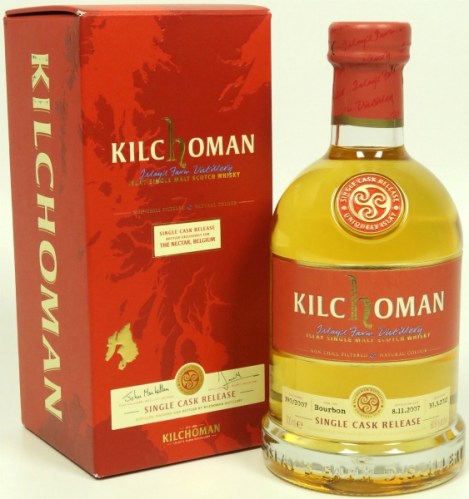
Kilchoman 4yo 2007/2012 (60.9%, OB, Bourbon Cask #390/2007, for The Nectar Belgium)

The Kilchoman I’m about to review was just bottled when I wrote the last Kilchoman review on these pages. When I bought the bottle I’m about to review, it was already an oldie in Kilchoman-time. Both this bottling and my two previous Kilchoman reviews came from 2012, the year I reviewed the 2010 Spring and 2010 Summer editions. All this already 8 years ago! Well, a lot has happened at Kilchoman since then, mostly good (f.i. they make terrific Whisky), but unfortunately also some bad (a kiln fire and an exploding boiler to name but a few).

Kilchoman is a farm distillery on the isle of Islay (Scotland). You know, the place where legends are like Ardbeg, Laphroaig, Lagavulin and a few others that are also well known in the world of Whisky. In comes this “new” distillery (Founded in 2005). Today we have a bottle that is a mere 4 years old (and some months), all the other distilleries on Islay have mostly properly aged Whiskies on the market, so can this offering be anything good at so young an age, from a fairly new distillery? I already know the answer to this, but please read on to find out for yourself.

Color: White Wine, with microscopic small cask sediment particles. Macro flavour molecules, probably a good sign!

Nose: Thick fat peat, and lots and lots of smoke. Licorice. Black and white powder. Salmiak and crushed beetles. Smoked (white) flowers and more peat. More smoke, sweet smoke and an underlying citrussy note. Fresh air, combined with a zesty citrussy aroma. Not the oily bits from the skin, but the fruit within. The fresh air then gets accompanied by whiffs of the smell of a fireplace in winter. Don’t you just like to be outside on a cold winter evening, or night, where people are burning logs in their fireplace at home? Don’t you feel the warmth of family now? Next, (fresh) oak and some dried fish, but foremost sweet licorice. This just screams peat and smoke. However, the smoke may have started out sharply, but it is not sharp now, it’s quite soft and very well integrated into the peat notes. Its almost as if the whisky itself is smoked. Very big, yet not brutal. Hints of vanilla from American oak underneath and cold sweet black tea. Very well made Whisky by these ‘novices’. It already smells the part. It may very well be only 4 years of age, but the profile of the smell remind me of Whiskies from another time. Underneath all this, there is also this sweet fruity aroma. A highly aromatic Malt altogether. Wow!

Taste: Thin toffee with lots of fresh oak, green youthful oak and quite sweet on entry. Hints of wax and cardboard. Dare I say a snuff of Talisker pepper, yes? Peat and crushed beetles are present here as well. What amazing balance in this expression. Eventually the sweetness oozes away a bit, leaving room for the body to be taken over by peat, smoke and quite some (slightly bitter) wood for a 4yo. On top, a fruity acidity, which combines just nicely with the wood and the waxy notes this Malt has. The aforementioned beetle has some staying power in to the less big of a finish than expected. The aftertaste is warming and spicy.

Well, this 4yo from the new kid on the block can really blow many offerings from the big guys right out of the water. For me, this is better than f.i. the Laphroaig Lore, which, compared to this seems a bit boring, for me anyway. You might prefer the more elegant side of the Lore, so please don’t send me any hate-mail over this. Just to be sure, the ‘Lore’ isn’t a bad Whisky at all…

Points: 87

Ledaig 18yo (46.3%, OB, Spanish Sherry Wood Finish, Limited Release Batch No. 03, 2016)

Ledaig, a very, very, interesting Malt. Ledaig is the peated version and the self-titled Tobermory is the unpeated Malt from the Tobermory Distillery. Both Malts can do really well in Sherry Casks, often mere finishes already do the trick. Remember the 1972’s? But also check out both sister casks bottled by G&M, #464 and #465, we reviewed earlier. Two malts I really love! But beware, Tobermory, the distillery, had a reputation for being really good, but at times also really bad, or mediocre like the two Independently bottled expressions I reviewed earlier: this young Kintra bottling and this even younger Murray McDavid bottling. So Tobermory/Ledaig used to be a you’d-better-just-try-it-first Malt. Lets be honest, it once had a bad rep altogether. I learned way back, that this was actually one to avoid. Especially the unpeated Tobermory could be really Wonkymory. When buying blind, just buy something 12 years or younger, since quality has really gone up in more recent times. I haven’t tried a lot of official releases of this distillery yet, some are quite expensive, but hurray, when this 18yo (third batch) went on sale, the price drop was amazing for this Malt, I went for it. They even threw in a good lookin’ coffin for ya hamster! So time to try this 18yo Oloroso finished Ledaig. This Malt is released in batches, so an investigation in batch variation could be nice and I will do that when given the chance. This time however we’ll only have a look at the latest batch, which at the time of writing, is No. 3.

When my friend Nico tried the freshly opened bottle, the only words that came out before going into toxic shock was “rubber”, oh dear! Thankfully he recovered and dared to try it again, on another occasion, after some breathing. It seems the Ledaig needed some breathing, and probably Nico did too. Nico thought it improved with breathing. Now, lets try for ourselves, and yes we did let it breathe for quite some time (it was a shared bottle and I got the second half), so essentially I got a pre-breathed bottle!

Color: Orange gold.

Nose: Extremely funky, but not Jamaican Rum funky, that’s something different altogether. Wonderful fatty peat and fresh sea spray. Fireplace at Christmas. Warming and animalesk. Crushed insects. Very ashy and dusty. Wonderful perfumy wood. Yes, several different kinds of rubber as well; tires, and orange rubber hose come to mind. Warm motor oil. Quite steam punkish and extremely aromatic. More sweet peat and soft smoke. Fatty and broad. Already a very, very pleasant fruity Sherry note comes through. Good Oloroso, good boy! Whilst falling in love with the fine red fruity notes of black berries, and red forest fruit, I get hit over the head with ashy and fatty peat. What a nice interaction, what a nice effect. Never a dull moment with Ledaig. Cigarette smoke and some toffee, showing a slightly more sweeter side. Cookie dough. Steam, salty almonds and seaside tar. Dried or smoked fish. Licorice, salty and smoky now. The peat came first, now the smoke. Fish soup. This is a good smelling Malt for “men”. Bearded, rugged fisherman type of men. With an anchor tattooed on an oversized biceps. Not bearded metro-men, always dressed in a white tee, shopping online for moisturisers and contemplating a meaningless tattoo which will be out of fashion in a years’ time. This Whisky is rugged and boasts big aroma’s. Nakatomi tower style, be warned. Excellent. As often, this does need to break in. It really needs a lot of air to show all it’s got (and to lose the wee smells of sulphur and rubber), and when it does show all it’s got, boy, what wonderful balance! The emptier the bottle the better this is. The nose alone is already worth a 90+ score. Amazing how this brings back the wonderful Whiskies from the days before cars had seat belts and in a way, this also smells like an old car that originally never had seat belts.

Taste: Licorice comes first. Sweet licorice, nutty licorice, fruity licorice. The peat separates from the roof of my mouth into my nose. Nice! Definitely a sweet fruity note right from the start. Short burst of almond liqueur, without the lingering sweet finish. Less bitter than I thought it would be, but it does carry enough wood notes. Hints of steam locomotive and cola. Tastes very first half 20th century. Industrial and old. Stings a bit on my tongue, but not much. Less big as well and the liquid is not syrupy. It starts out promising, and shows a beer-like medium finish, which again some wood (and hops). I guess the reduction to 46.3% did it some harm. Slightly woody bitterness with mocha and milk chocolate. Not a huge aftertaste, nope, note even big, but again licorice (from Bassett’s Allsorts, the anise from this is present as well). Yup, special slightly bitter Belgian Beer. Westmalle Triple. Hops. Haagsche Hopjes as well, a coffee flavoured hard candy from the Netherlands. Where is this going I ask myself, nice complexity. The palate is slightly less magnificent than the nose was. From an almost empty bottle, the nose is stellar. The palate is slightly thin and also less balanced. I guess due to reduction. Medium finish at best (again, the reduction). The aftertaste is soft and lingering.

Do yourself an huge favour. When you buy this, open it a few days earlier and dare to put it away without a cork. If the ABV. would have been (much) higher, I would say, put it away for a few weeks without a cork. This Whisky needs a humongous amount of air to shine. The difference is really big. The harsh rubber notes, Nico was telling me about, are gone now, since my half of the bottle got a lot of air over time. When writing this review the bottle is 80% empty. Even when you do pour it, leave it in your glass for a while. Let it roll around. Keep it moving, warm it up in the palm of your hand. Be nice and gentle to this rugged Malt, and like a good boy it will jump up to you and lick your face.

Points: 90

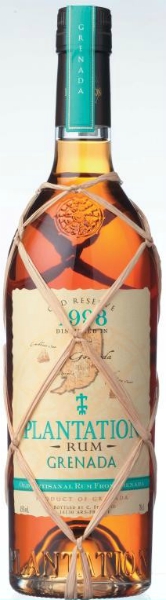
Plantation Grenada 1998 (42%, Old Reserve, 1H210710, Grenada)

Yeah! The Nicaraguan expression did eclipse the Panamanian expression, yes it did! Wow! Hopefully this final sample I have from the Plantation Old Reserves maybe even surpasses the last three tasted. One must keep faith. This final sample is from a country somewhat lesser known for its Rums: Grenada. But more about Grenada another time. So without further ado… Wait a minute, wow, that was a short intro. Whyzdat? I’m actually cutting the intro short this time, because there will probably be plenty to say about the whole series at the end of this review…

Color: Full Gold.

Nose: Initially a pretty decent aroma welcomes us. This time less round toffee and caramel notes, yet more nutty, grassy and dry leaves. Coffee candy. Candied sugar. Add some sharpness and wood. Also a pretty heavy floral note as well (sometimes soapy). Some oak, chocolate and toffee. Alcohol comes undone, separates from the whole. Not the first time in this series. Almost like the gas from your deodorant. This marks also the demise of the wonderful initial aroma’s. Yup, there is the Cognac cask again, impairing its wonderful aroma’s, but this can’t hide the loss in balance. Personally I find Cognac casks very interesting for second maturation or finishing. In Whisky, Cognac can be sharp and specific, with Rums not so much. Alas the Cognac, nor the Rum itself, can’t do much against the dosage this Rum must have received, considering the dullness the nose shows us now. The initial aroma’s also get carried away in the wind, and the Rum leaves it at that. Lacking a bit in the complexity department, but that is probably the fault of this dosage.

Taste: Very, very sweet on entry. The syrup sticks to all of the insides of your mouth to never let go again. Fruity as well (as far as the sugar lets me discern it) and slightly prickly. Artificial milk chocolate. Wood bitterness, honey and peach syrup. Boy, this is sweet. Cloaked in sweet, big on toffee and caramel. Truth be told, I’m a bit tired of all this sugar by now, and after tasting this, I’m actually chuffed this is the last sample to taste from the Old Reserve line of bottlings (apart from revisiting the Guyana and Jamaica expressions). Right now eating grass off a field almost seems tempting. Almost, I said. Maybe a Greek salad would be the smarter choice for the ye ol’ stomach. It started out nice, actually underneath this cloak, you can still somehow taste there is some good Rum in here somewhere. However, it turned on me becoming dumb and flat again in the finish, just like, or maybe even more so than, the Trinidad expression. Forget the grass I mentioned above, can I have a super dry, over the top, over-oaked Rum now please? Yes here we have this foul sugary aftertaste again and a total lack of balance. The base Rum must have been considered really bad by someone to add this much sugar. Somehow, I don’t believe it, the initial smells are too good for that to be true (and the only reason this won’t score into the sixties). Maybe someone slipped and made a mistake in the dosage? Personally I would be ashamed to put this out on the market. I stopped belonging to the market this Rum is targeted at a loooooong time ago. Amazing, but this is even sweeter/worse than the Trinidad expression. I really believed that already hit rock bottom, guess not.

The introduction to this review was quite short, let make up for it now. One might feel that all these Plantation Rums are ruined by dosage, yes, in a way even the St. Lucia and the Guyana, which were the highest scoring expressions. It is certainly a good thing Rums from so many different places on the globe are presented next to each other, which makes for nice comparisons. I have definitely no beef with finishing them all off in Cognac casks, au contraire, its making for a unique experience. France has them, and France also has Rhum Agricoles and independent Rum bottlers, so why shouldn’t they use their Cognac casks?

Then there is this practice of dosage. Sure, the market seems to want sweet Rums, the market believes Rums are a sweet drink/distillate, and yes Rum producers and bottlers aren’t in the Rum business to educate people, they are in the business of making money, and sure enough, sugar sells, just like sex. What? You probably have never seen the Dictador promotion train in the flesh? I remember even Abuelo doing something similar. Me being, by now, a more prolific Rum-taster, the beef I have with dosage is that it does not only raise the level of sweetness, but especially what it does with the Rum where the sugar has been added to. It dumbs it down, it flattens it out, it masks aroma’s and very importantly, it ruins the mouthfeel in the finish and the aftertaste. By now I started to really dislike the aftertaste of dosed Rums.

I remarked earlier in some other reviews, that I (still) don’t dislike sweet necessarily. A good PX, or Port, or White dessert Wine can be damn sweet, without leaving this foul aftertaste in your mouth. Sure, Rum hails from sugar production, and rightly so, (some) sweetness belongs to the Rum world. Somehow, if one produces a Rum without tampering with the process in doing so, the Rum might turn out great, sweet(ish) and great, and can stay great when tasting, without adding sugar. Added sugar is the bad guy here. Having said all that, by now, these Plantation expressions are definitely not for me anymore. There are enough differences between the expressions. The Jamaica, the Guyana, the Saint Lucia expressions are ok, The Nicaragua to a lesser extent as well, and so forth, but all of them, yes all, have this cloak of “wrong” which makes these Old Reserve Rums less interesting if you already know your way around Rums.

I mentioned these Rums might be interesting for novices, but in my opinion it is better to stay away from Rums which received these levels of dosage altogether. Top tip! Now go educate yourself.

Points: 70

Plantation Nicaragua 1998 (42%, Old Reserve, 1H211209, Nicaragua)

Onwards! We will soldier on with yet another Plantation Old Reserve from a few years back. By now, I really hope for a drier expression within this range. Where the Trinidad expression turned out to be quite a low point in the series, so sweet and the true aroma’s of the Rum cloaked in cloying and sticky sweetness. The Panama expression seems to have somewhat found a way up again and seems to have coped better with the added sugar than the aforementioned Trinidad. Quite a feat for a Spanish style Ron, as opposed to a British style Rum, which should be heavier. I hope this Nicaragua expression can even eclipse the Panama expression, just for the fun of it, but I have my doubts by now. You never know. So, vamos again!

Color: Full Gold.

Nose: Hmmm, nice full on aromatics. Lots happening, with lots of fresh butter, vanilla, custard and pudding, but also the Cognac cask is recognizable again. Fresh air and after some breathing this becomes more floral. Hand soap and cold dish water adds to the complexity. Again, these notes may sound horrible, but in reality they aren’t. The Cognac adds a weak red fruity acidity to the nose as well this time. Sharper hints of wood, but also soft wood, and slightly funky wood notes are present (as in bad breath). More fresh butter. You might also want to call this a bit dusty. The nose doesn’t seem to promise a lot of sweetness, which is nice for a change. All aroma’s present, re-enforce each other. The base Ron was good and the second maturation works well. The nose doesn’t seem to be hurt much by the dosage. Maybe the dosage was done sparsely? Yeah right. Quite well balanced for a dosed Ron though. Let this breathe for a while and even some fresh air whiffs by. Smells familiar, Flor de Caña maybe?

Taste: Decent entry, quite soft actually. Not big and sweet, but thinner, sharper and warming. Cognac, coffee, hard coffee candy. Not as sweet as…but it still has plenty of sweet notes to work with. Nice bitter oak notes and even some slightly burned sugar. Both are very welcome in this range of Rums. This has more to it than many of the other Plantation expressions to date. Fairly long aftertaste, with toffee and this coffee-and-oak like bitter note. We are definitely on our way up again once more. Toffee, coffee candy and oak even remain for the aftertaste, how untypical for a Plantation bottling in this series. Towards the end of the body, and especially noticeable in the, slightly dull, aftertaste, is the dosage. Its present alright, only not to the extent of some other Plantation offerings I reviewed earlier. This Nicaraguan expression is not bad at all. Soft, fairly complex and not very outspoken, well behaved. A shame this received dosage, since I’m sure this might have done without it. It could have been much better without it. The dosage flattens the finish, making it of the sugar water kind. Such a shame.

Maybe in reality, compared to other Rums, this Plantation offering by itself maybe just so-so, but by now, scoring quite high for an “Old Reserve”. This, together with the Flor de Caña offerings, do strike an interest into more of these rums, lets see what else is made in Nicaragua. Must make a mental note…

Points: 80

Plantation Panama 2000 (42%, Old Reserve, Panama)

Wow, that was quite a disappointing Trinidad expression from Plantation, didn’t see that one coming to be Frank. Lets move on quickly and have a look at this Panama expression instead. Just like many other expressions of Plantation, this is also a double matured Rum. As we all know by now, Plantation is owned by Cognac Ferrand, so no shortages of ex-Cognac casks in that company I suppose. The Trinidad I reviewed last, wasn’t hurt by the Cognac casks at all, au contraire, it did it good.

However, there is another practice Cognac Ferrand applies to their Rums (of this “Old Reserve” range, at least). Dosage, the practice of adding extra sugar somewhere in the (maturation) process to cater to a certain taste profile of their consumers. In the case of the Trinidad expression, well…it smothered it essentially… But, I digress, so back to the task at hand. Panama. Again nothing is known where this Rum was sourced, and Panama does house more than Varela Hermanos alone, you know, although… In case you don’t know, the Varela brothers are the people behind the Abuelo brand. At this point, I can add nothing more to this introduction but to say Vamos, and review this Ron de Panama…

Color: Full Gold.

Nose: Sweetish, vanilla and quite some clear office glue (Velpon). The glue leaps out of my glass, especially with a drop of water added. Slightly dusty. Big on toffee, butter and caramel aroma’s, but this time in a more pleasant way (meaning, not so damn sugary). Soft spicy wood notes for balance, and hints of cigarette smoke and new oak. All probably coming from cask toast. Not really a very “sweet” nose, not even with the presence of toffee and caramel. Coffee and mocha. Black tea and a whiff of florality. Sweet yoghurt and vanilla. Cannoli. Well balanced and pleasant. I hardly dare to say it, but sometimes I’m getting fresh Gin-like notes again, like I did with the Santa Teresa. This maybe me. Lacking are the Cognac cask notes present in many Plantation bottlings. Maybe the Ron is masking it, or the second maturation was done more sparsely. This already smells a lot better than the Trinidad expression, although very exciting it is not.

Taste: On entry, well, Cognac (yes its here) and some cola, but also, luckily, some bitter oak. Definitely more character. Quite sweet again, vanilla and runny caramel. Again, also a bit flat. The spicy backbone, present in the nose, is somewhat masked in the taste. It still isn’t heavily sweet, but there seems to be enough dosage to flatten the taste. The Rum used as a base for this probably had enough oomph not to be totally overpowered by the dosage, like in the case of the Trinidad expression. The fact that a little bitter note stays behind in the finish (and aftertaste) shows that. The taste is less balanced than the nose was, and flatter, which is a shame since the nose was pretty good in my opinion. Here the thicker and sweeter bit, seems to be not really well integrated with the alcohol. You can almost taste the separation between the two. Towards the end of the finish and the warming aftertaste, are notes reminding me a bit of the Abuelo 7 and some other notes reminding me of the Abuelo 12. Definitely to much dosage again in this Plantation expression for my taste.

In the end, this is not all that bad (as the Trinidad was), but given the choice I would rather opt for an Abuelo 7yo or 12 yo, depending on your taste, or if you dare, mixing both in one glass. The Santa Teresa has a similar profile and is also better than this Plantation. You can also have a look at one of the Panamanian Rons from Rum Nation. I have some more Plantation Rums to review, but by now I’m already feeling that these Plantation Rums are nice, if you are a novice, but almost unsuitable when you passed the novice station already, and on your way to greater Rums. If you already know your way around Rums, you might want to skip these Old Reserves altogether. I had a whole bottle of the St. Lucia Old Reserve, and although it is probably the best Old Reserve, Plantation has done, the dosage in that one really started to annoy me a bit towards the end. I still have samples of both the The Jamaica and the Guyana expressions, so I’m going to try them after the last new Plantation review, to see if they are still worth buying, and if necessary update those reviews.

Points: 76

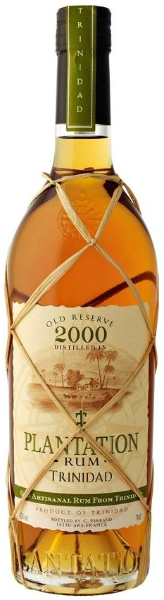
Plantation Trinidad 2000 (42%, Old Reserve, 1H200111, Trinidad)

As you might have gathered from my recent reviews, I picked up on Rums again, and after reviewing several bottles I have open on my lectern, I also turned to my stash of Rum samples, to see what’s there. I unearthed a few Plantation samples from the time of the Jamaica and Guyana samples I reviewed earlier. The Guyanese review already covered a bit about Plantation so no need to repeat that here. Trinidad is also the birthplace of the wonderful, yet utterly wrong (according to some), and alas, no-more, Caroni Rums, which has quite a following. Trinidad is also the place Angostura is made, and based on my review of the 1919 and the newest 1824, a Rum distillery I’m in no hurry to buy more of. I’m afraid this Plantation Trinidad isn’t likely to be based on Rum from Caroni. Nevertheless, the three Old Reserve’s reviewed until now, got quite some favorable marks, so let’s see how this Trinidad turned out…

Color: Full gold.

Nose: Quite closed at first. Sweetish, buttery, vanilla powder and crushed dry leaves. Greenish, half ripe banana and slightly floral. On entry quite big (almost Bajan). In the back of the smell there is something I recognize from Port Charlotte CC:01, yes this Rum was finished in Cognac casks alright and it is recognizable as well. A welcome addition. Again a Rum based on Cookie dough and vanilla aroma’s. Dusty, minty and woody notes come next with more banana on top, reminding me a also bit of Angostura 1919, of which I’m not a fan. That’s it, nothing more comes from this. After the initial aroma’s it flattens out quite quickly. At this point, I checked if my nose maybe died on me, with the Santa Teresa in a second glass, and I’m happy to report there is nothing wrong with my nose, works perfectly, and I’m also happy to report the Santa Teresa is a much, much better Rum than this Plantation Trinidad, although the smell of this Trinidad is initially not bad.

Taste: Quite sweet on entry, but also a hint of fresh oak. Recognizable Cognac casked sugar water, with more cookie dough and vanilla again and a sort of flatness I get from Blended Whiskies laced with caramel coloring, dumbing down the finished product (Blanded Whiskies) and cloaking all that used to be there (fruit probably). Dosage flattened this Rum as well (with a sledgehammer, I might add). This enters your mouth and seems not that bad, but disaster strikes when you swallow it, you get a sort of rounded out total taste, that’s it. You swallow it whole, and the sugar stays in the cavity of your mouth the longest. A taste and sensation you can follow up with another sip, but really, what I am craving after this is a nice cup of coffee. When I wait a bit, and still before the ordered coffee arrives, my mouth contracts because of the sugar residue left behind. So coffee and a toothbrush are needed after this Rum. I’m quite happy right now this is only a sample and not a full bottle. This Rum really lacks development, it just sits there in the glass staring back at you with its dull eyes. You look into its brain and you don’t even sense the synapses firing. A very dumb (dull) Rum. A stupid Rum. The dosage even leaves some sort of bad taste behind in my mouth. It shows me no respect. Very good though, this has some notes from Cognac cask maturation, otherwise it would have been even worse than it already is. Even Diplomático was better than this.

From this series I liked the previously reviewed Guyana and the Jamaica versions much better, and to be honest, you have to do a lot to damage to a Demerara or to kill Jamaican funk if the dosage was the same in those examples. So as a novice it didn’t hurt me getting to know the Demerara and Jamaican styles with those two bottles). A light Angostura on the other hand, yes, you can hit that very well with dosage. This Plantation Trinidad, for me, isn’t up there with both others. Dull, dumb, boring. A dud. The Angostura (and hey we are not even sure this is an Angostura) they had to work with wasn’t probably much, but what they did with it is kill any character dead that might have been left in it. I hope more recent bottlings of Plantation Trinidad are better than this, but I won’t be the one to find out, since there are a lot more, and way better bottlings out there, waiting to be discovered. I still have a few Plantation samples left, I hope it gets better again from here.

Points: 72

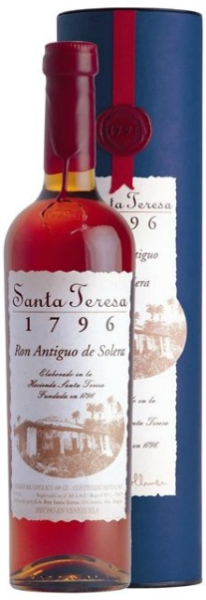
Santa Teresa 1796 (40%, OB, Ron Antiguo de Solera, L11211005, Venezuela)

Here is an oldie and hopefully a goldie. Meaning that this is an older release of this Rum, since the bottle has by now been revamped. Here we have a Rum from the so called Spanish style of Rums, Ron. Personally, I approach this style with caution. Often, this style is made by the solera method, nothing wrong with that, but please read on. I’ve looked into this method before and therefore won’t tire you with a whole explanation again, but if you don’t know what the solera method is please have a look at my Glenfiddich 15yo Solera review. Sometimes producers in this style (using the solera system) use (rather large) numbers on their labels making us, the consumer, believe the Ron is pretty old. A wonderful example of this practice is Flor de Caña. In this old review of the 18, the label reads: “slow aged 18 eighteen years” So to me this looks like an 18yo Rum. In my review of the 25, which was more recently bottled. Again, the range was revamped for this brand and so was the text on the label: “slow aged 25”. Well how convenient. The word “year” or “years” are no longer used, and word is that the 25 means only that it tastes like a 25yo. Ahhhhh silly me. Still fooling people I see.

Next the Spanish style is pretty middle of the road. Almost always reduced to 40% and quite sweet. Personally, I gravitate more to the big and heavy English style of Rums (f.i. Jamaica and Guyana, but there are more) and the French style (Martinique and Guadeloupe, but again, there are more). Within the French style we also have the very interesting: Rhum Agricole, a unique style in itself). Having said all this, it doesn’t mean that all Spanish style Rums are mediocre. I really, really liked Abuelo Centuria and Flor de Caña 25 for instance, but there are more…

Color: Copper Gold

Nose: First smell: Spicy wood, toasted wood with a little bit of tobacco, mixed with a little bit of fresh air and raisins. Hints of swimming pool chlorine (sounds worse than it actually is). Then nutty, sweetish, Oloroso Sherry-like and even some hints of cocktail cherries. Red sugary fruit gello. Fresh, smells sometimes like a Gin, juniper and pine. Sometimes a whiff of acidic sweat, mixed with mocha pie and coffee. Vanilla and toffee. Cookie dough, sweeter and more aromatic now. Right now, almost, or mostly, Panamanian in its approach. When smelling this, its not hard to hear that this Ron speaks Spanish. Well balanced (maybe that is the solera system for you, marrying Rons of different years continuously). Smells good and appetizing, however, knowing different Rons within the Spanish style, it is also a tiny bit unsurprising. I won’t say boring, but this has an element of been-there-done-that to it, yet this also has some new tricks. To me, Abuelo (which is sweeter) and the many different Rons of Oliver & Oliver come to mind. Don’t get me wrong, it’s not exactly the same. This is less sweet and way fresher. The similarities are not this Ron’s fault, it’s only yet another Ron that fits the Spanish style profile seamlessly. It’s a good thing, that this one presents some woody notes and especially some Gin notes, because it really helps the Ron forward. Most solera systems are quite old, and therefore lacking wood in the nose/taste, but somehow this Ron shows us some wood. Nice going, but how?

Taste: Definitely not as sweet on entry as I thought, which is very welcoming. Again some wood and wood spice. Licorice and slightly leafy. Caramel Yoghurt. A bit thin on entry but warming going down (the Gin notes evaporate in my mouth, nice). Decent body which, truth be told, seems to be lacking complexity (the nose had more). It is one of those Ron’s that usually seems sweet, but isn’t. Diluted cola with a woody edge. Some vanilla and toffee notes, but not much really. I won’t say it needs a bit more sweetness to it, but the profile does seem to ask for it (but don’t do it, Santa Teresa, just don’t do it). How unusual for me to say this! Again, pretty well balanced. Nice, because it has some wood, and some acidity to freshen it up, and setting it a bit apart from other Spanish style Rons. Short finish, but with a nice warming aftertaste. No off-notes. Decent stuff. Again I wonder how this would have been at a higher strength, because this version has definitely been reduced too much. The reduction ruins the finish. I’m sure this Rum would be quite excellent at a higher strength. I would love to try this at 50% or maybe even at cask strength. Please Santa Teresa, let us have it.

This in essence, you can taste and smell it, is a wonderful Ron. Alas is has been diluted too much. Since the quality is there, I wonder why they don’t do more with the brand? There aren’t a lot of expressions, no wide portfolio. A shame really. I wonder, does distillate from this distillery ever show up (at a different strength hopefully) at an independent bottler? If you know of an example, please let me know.

Points: 82

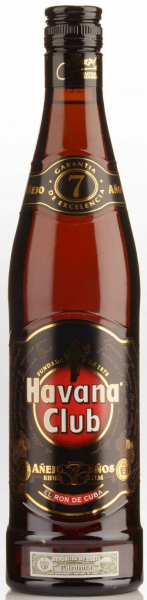
Havana Club Añejo 7 Años (40%, OB, Cuba)

Well, here is something I don’t do all that often, starting a review not knowing really what it is. (I’ll know in due time, before finishing it). I was given this sample and although I have heard some clues as to what this is, I am at the time of writing not sure what it precisely is. Well I do know it is a Rum called Havana Club though, bought by it’s owner right at the distillery on Cuba. And with Havana Club, I mean the real Havana Club, made in Cuba, you know, the island that has Havana sitting on it. There is also Puerto Rican made, Bacardi owned Havana Club, sold in the USA, that is said to be much worse. I don’t know, I haven’t tried it, but people who’s taste I trust, tell me so. The real Havana Club puts out quite some expressions, half of which are really, really affordable. Even the Selección de Maestros won’t cost you an arm or a leg, yet the other half is quite expensive to say the least. There seems to be nothing in the middle. Maybe the 15yo sits in the middle, but it already costs three times as much as the Selección de Maestros.

Color: Gold.

Nose: Starts with a peculiar rotting fruit off-note. Over-over ripe yellow fruits. Hint of gravy even. I’m definitely picking up something meaty, something I didn’t pick up on the first time around. Passion fruit, papaya and some mango. Over time the rotting bits fade away, leaving room for a more recognizable light to medium, sweet smelling, Cuban spirit. Some dusty wood and vanilla powder. Cancel the fade away bit, after snorting it one more time, the rot is back, or has never left. Wonky balance at first, yet bad it is not. Yes, fruit is the pivot around which the smell of this Rum spins. Is it real Cobb? Wait a minute the rot is again gone. Am I dreaming? A bit nutty but foremost ripe yellow fruits. Dried banana skin and a hint of red fruit acidity. There seems to be nothing more to it. Well there is some soft wood, and faint whiff of very old leather. Let this breathe for a while. The Rum picks up balance that way.

Taste: Super thin, instant evaporation in the cavity of my mouth. Rum vapors must come out of my nose. with still a thin, even coat of medium sweetness in my mouth, quickly followed by a wee bit more astringent wood notes. Sweet entry, toffee and fruits, and gone it is. Another sip (with lots of air). More nutty and even woody notes. And gone it is again. Yes a light Rum indeed. 70 cl of this must weigh around 10 grams. Simple, straightforward, but also without flaws. Generates a nice warmth. Toffee and fruits. That’s it, with still this wee woody spiciness underneath. As must be clear to you by now, the finish is short. Gewurztraminer notes suddenly appear, as well as some red fruit acidity. There is hardly an aftertaste. However this does leave a sort of toffeed Cuban memory behind. I wonder now if the Cubans drink this neat?

If you are really a novice, than is may very well be your starting point. Very light and unoffensive and Cuban. Yet it still has some alcohol for you to see if the world of Rum is for you. If so, boy are you in for a treat exploring further, because there is a lot more to find after this. Simple, fruity and medium sweet, but also clean and problem free. If you are more experienced, it may be too light and a bit boring, but having said that, this does bring to mind the pictures of Cuba. Sure you can mix this in many wonderful Rum based cocktails, but being on the island, I would have no problem whatsoever with a glass of only this Rum. Yes, I would enjoy it. Being quite hot today, I do understand the need for the Cubans to distill this light Rum.

Points: 75

Even though the score seems low, there is nothing wrong with this Rum. It’s just very simple. Thanks again to Auke.