Benromach Contrasts: Cara Gold Malt 11yo 2010/2022 (46%, OB, First Fill Bourbon Barrels, 20/01/22)

I almost forgot to write this review, because I though I’d already done it. Here we have the first Benromach on these pages after they revamped the look in to this slightly bulkier glass bottle, more straightforward cardboard box (easier to store) and last but not least the usage of the colour red. I was a bit hesitant at first because I really liked the copper they used in the previous package, but the red stands out, looks fresh, smart and traditional. So I do like the new look a lot now, and love having them around. If this one’s empty, I’ll probably replace it with another (red) Benromach. Most likely another one from the contrasts series, since it offers interesting takes on Malt. Here it is because of the usage of Cara Gold barley.

Most Benromachs that are on the market now are fairly young, sure there are some older bottlings like the 15yo and the 21yo, which are different yet not necessarily better. The Whisky at hand is 11yo and a nice choice for starting a flight of Whiskies or as a casual sipper. Not expensive and an honest pour. Benromach produces a heavier more meaty spirit, often slightly peated and sits well with knowledgeable anoraky aficionados, you know who you are, and since you are reading this, you’re probably one of them. This particular offering is partly made with Whisky made from Cara Gold barley as well as the normal Benromach lightly peated malt, both matured in first fill Bourbon barrels.

Color: Straw.

Nose: Sweet barley first, very appealing and very aromatic. Clean, fresh, fruity and malty with malt sugars and a nice layer of dust and paper-like aroma’s adding to the whole. Nice fresh wood tones, but nothing overpowering or off. Straightforward without any frills. Candied wood and candied yellow fruit, with hints of sweet smelling smoke, as well as some licorice. Clean and modern, although some yesteryear comes through as well. More wood (perfumed, highly aromatic) and wax with ripe yellow fruits. The label claims tropical notes, and sure enough… My perception of the fruit depends on the moment I’m smelling this. The first time around I wasn’t all too sure about the fruitiness, but the second time around, yes, here it is. I recently recovered from a nasty variant of the flu, and now that the nose is working again, I certainly pick up more on the fruit now! I’m very pleased with this Benromach. It smells very nice, accessible, balanced and its very aromatic and appealing. Well made, wonderful stuff and very affordable as well. After smelling this on many occasions over time, the fruity bit does wear off if you keep this for a while in your glass, focussing on the dusty and woody notes. Still soft and friendly though.

Taste: On entry, sweet smoke and sweet licorice. More subdued fruits. Candied Barley. You could smell it already, but it is most welcome tasting it. 46% ABV is a very nice drinking strength, definitely better, for modern Malts, than 40% or 43% ABV. Back in the day 40% ABV worked well, think of very old Gordon & MacPhail bottlings, like early Connoisseurs Choice bottlings (brown label, map label etc.) Yet Malts from this century definitely need a higher strength, higher than 43% if you ask me. Sweet, woody, spicy, somewhat bitter and slightly fruity (less so than in the nose). Tropical, well maybe. The wood has more to say here than it did on the nose. So more wood, slightly harsh even and showing some bitterness. The smoke is here as well and in the triangle between the wood, the smoke and the bitterness, it does take away a bit from the balance of the palate. A new sip with a fruity start masks the bitter bit for a moment. The finish is not very long and not a lot of it carries over into the aftertaste. But almost all you get is good (it turns out the bitterness has the longest staying power). No off notes. A very pleasant, fairly simple (it doesn’t develop a lot) and affordable dram. There is some diluted vanilla present, proving the maturation on (first fill) American oak. By the way, due to the bitter note this has, it isn’t entirely a casual sipper. Good, but I preferred the nose over the palate.

By itself a (partial) Cara Gold offering isn’t saying very much, it would be really interesting to have several Benromach bottlings, like this one, made with different barley varieties, open at the same time, to be able to compare them to each other. I checked my stash, but there isn’t another one at hand. A bere barley version would be nice, come to think of it, because bottlings like this remind me of the rebooted Springbank Local Barley series, where the Bere Barley version bottled in 2017 is my favourite. Yes I often prefer it over the 16yo and the dark 10yo. Sure the 16yo and the dark 10yo are great and definitely stellar as well, but the 11yo from 2017 is so good! Don’t be fooled by higher numbers or the colour of Whisky! Final remark, this particular Benromach worked best for me in a small tulip glass, a narrow, long stemmed Riedel for instance as opposed to a bigger glass, like the Holmegaard Perfection Spirit Glass. Both are very good, yet different. Good glassware always shows you more sides of the Whisky you’re drinking, so I do recommend to invest in good and several different pieces of glassware. It makes exploring your dram a lot more fun!

Points: 85

Glen Elgin 11yo 2009/2021 (58.8%, Elixir Distillers, The Single Malts of Scotland, Hogshead #807777, 238 bottles)

Actually, Glen Elgin is one of my favourite lesser known Whiskies. Being somewhat partial to the stuff, mostly from independent bottlers, I’m actually amazed this is only the second review on these pages. The only other review of Glen Elgin I did, was in 2017, being a 19yo Signatory Vintage bottling, that wasn’t as special as I expected, especially for its age. Hmmmm, never mind, I still stand with what I just said. Building started in 1898 just months before the Pattison Crash and it was also the last Distillery designed by Charles Doig (the foremost distillery architect of the time).

After the Pattison Crash, Whisky found itself in a sort of 50 year long slump, that more or less ended in around 1949 when William Delme Evans built the first distillery after Glen Elgin: Tullibardine. Fast forward a bit and cutting this history lesson short; Glen Elgin is now owned by Diageo and mainly used for its White Horse blend and currently is investing heavily in it by rejuvenating it. Back to the Whisky at hand, since this time around we have a bottling from Sukhinder’s outfit Elixir Distillers. Being a independent bottler foremost, I wonder what they actually distil. Elixir distillers is mostly known for their Single Malts of Scotland range of independent bottlings but also for their Port Askaig bottlings of undisclosed Islay bottlings (often Caol Ila).

Color: Pale White Wine.

Nose: Barley and biscuity. Cereal, crackers and bread. Dusty with hints of cardboard. Starts big and in your face. Good and honest Whisky, no frills, no funny business. The next wave is more fruity (dry citrus skins), with the tiniest hint of cask toast and pencil shavings. Warm wind in summer, slightly grassy and vegetal. Hints of rainwater. The third wave adds a more perfumy note as well as grandma’s old soap note, never losing sight of the fruits though. Quite fresh overall due to a slight minty and green nose. Well balanced and straightforward. A very effective and highly drinkable Glen Elgin. It may be somewhat simple, but don’t be fooled by this, since there is quite a lot happening in this one, and as said earlier, its also quite big. It’s layered, so it might be even more complex than I initially thought. I always liked Glen Elgin and this is definitely an example why. The fruity note becomes sweeter, not only ripe fruit sweetness yet also a more honey-like aroma. I know sweetness is something for the palate to discern, but I hope you know what I mean here. In the end this is quite a nice (not modern) nose. I like it a lot.

Taste: On entry half-sweet but easily overpowered by a spicy and woody note. Prickly oak, only ever so slightly bitter and soapy. Maybe an odd red chilli pepper found its way into the cask? Nah. Warming going down. After the first sip, the soapy note on the nose becomes more like cold dishwater. Second sip shows a more complex sweetness, fruity and honeyed. (The nose is now more old-skool and melancholic). Less syrupy than expected. Some peach emerges as well, retaining the relative hotness from the first sip. Lots of paper and cardboard comes next which does get in the way a bit of the fruity notes. Where this is a miss on the palate, the nose, even now, keeps developing further still. Hold on now, after a while it does become slightly more bitter and slightly acidic as well, which in the case of the paper and cardboard do less for the palate than it sometimes can do. It also shows some new make spirit notes now (that fit the colour of this Whisky well if I might say so). Next some sun-tan lotion, you didn’t see that one coming now didn’t you? Although not a biggy, this part of the palate is not the best. By the way, I get some cheese on the nose now, how is that? This turns out to be quite a surprising Glen Elgin. Definitely not boring this one. Still, this one has much nice things going for it, so the score is warranted. Peach yoghurt in the finish as well as a peppery note, some might call hot. The finish as a whole is of medium length and especially the minty bit seems to have some staying power here. It’s alright, it’s good, but the nose was better.

Yes the Mortlach I reviewed just before scores slightly higher, but in comparison this Glen Elgin is slightly more drinkable. Even though this one has a very diverse, unusual and layered nose it is even more accessible than the Mortlach. Mortlach has always been a more anorak-y kind of Whisky anyway. Still, I wouldn’t recommend this one either if you are a novice, just like the 19yo Glen Elgin I reviewed in 2017.

Points: 86

Caol Ila 11yo 2008 (56.5%, Jack Wiebers Whisky World, Auld Distillers Collection, Bourbon Cask, 120 bottles)

Well here is Caol Ila #15 on Master Quill, once a scarcity and when officially bottled again, initially called a hidden Malt. Today it is probably the most abundant Whisky available, since Caol Ila is in operation 24/7. Diageo are putting out lots of expressions themselves and independent bottlers are going ape-shit with Caol Ila as well. It is probably the most readily available Islay Malt to them, and for a fair price to boot, since most independently bottled Caol Ila’s are quite affordable, although, I believe, not for long.

Caol Ila is always featured on my lectern, and after the Port Askaig-Caol Ila, which this one replaced, it is time to review the latest Caol Ila that found a spot on my lectern. Jack Wiebers is known for bottling parts of casks and bottling the rest later or bottling all at once and just slapping different labels on the same bottling. “Jack” loves making labels. This is likely to be one of those cases, since also in existence is this: Caol Ila 11yo 2008/2020 (56.5%, Jack Wiebers, The Old Pub Dogs, Bourbon Barrel #3071, 180 bottles). Just 300 bottles in total, at cask strength, from a barrel seems a bit much, so my guess would be, if all those 300 bottles were 70 cl, and if both bottlings came from the same cask, then it was probably from a hogshead. Nevermind though, lets see what’s in the bottle, shall we.

Color: White Wine

Nose: Peat upfront, almost heavy peat. Smoked and dried fish. Licorice and salty. Smells more like one of the three on the south shore to me. Slightly more meaty and somewhat bigger than the average Caol Ila. I think we have the relative youth of this offering to thank for that. I can smell this is fruity underneath, but all is well masked by the peat ‘n smoke. Well balanced. The fruity bit also plays a role in making the whole somewhat less “raw”. Lovely wood pops up, a more interesting smell than oak alone. Right after this a breath of fresh air. This is Islay on a cold and windy, yet sunny day. Peaty and smoky, yet not gloomy. After the “simple” Craigellachie, this is way more complex and a welcome change of pace. This Caol Ila has a lot to give. Hints of burning plastic, but it is a mere hint, only adding to the complexity. This level of complexity demands attention, this is not for casual sipping. You can do that obviously, but you’ll miss out on lots of the details this has. The fruity bit changes into a more citrus kind of aroma, making it more fresh (and even more sunny). The smell of wood changes into that of a century old cabinet. Wow, and this is only from 2008. This is just great, a must have by the nose alone. Only a few drops of water, right after pouring this dram, opens the nose right up.

Taste: The balance is the first thing on my mind after the first sip. Works really well this one. Fruity and soft to medium peat. The nose had definitely more peat to it, wait a minute, here it is, it just takes a little time to get there. Peat and iodine, check. Some acidity as well, After sipping, the nose gets even better. Also late to this party is a little sweetness. A thick toffee sweetness, so no sugar water. I’m distracted by the nose, it is so good, making it almost hard to write the notes for the taste of this Whisky. Go figure. The citrus acidity pairs up quite well with the sweet licorice note. There is also some nuttiness here, only it is a light note this time. After this, some pencil shavings emerge, as well as some dust (and do I detect a slight hint of soapiness now?). Fresh almonds, mixing well with the sweet bit. Well balanced, very well balanced in fact, the planets aligned for this offering bottled by Mr. Wiebers. Lucky Berliners!

I have to say, when casually sipping this one, I missed out on a lot of the wonderful details this dram has. Be sure to give it your full attention. This is a wonderful Caol Ila. Highly recommended, especially since this was a really affordable release to boot. Alas, I don’t have another 2008 vintage in my stash. It would have been really interesting to compare this to another one, oh well…

Points: 92

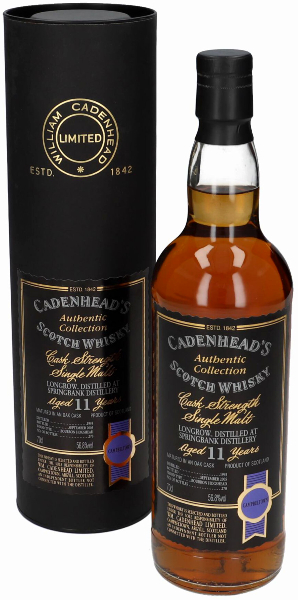
Ledaig 11yo 2005/2017 (61.8%, Cadenhead, Authentic Collection, Butt, 450 bottles)

As already mentioned in the last review of a Ledaig; Springbank is one of my favourite distilleries. I love the output of it, Springbank, Longrow and Hazelburn, all very good. However, the last few years Springbank has become excessively popular, and apart from the 10yo expression, I can’t really buy any of the other expressions normally in my country. Some shops also mark up according to demand, and thus are asking silly money, so my only chance is the secondary market, which is also a pretty expensive these days. When looking at alternatives, Ledaig comes to mind. In the previous review of Ledaig, a 12yo G&M bottling, which was finished for three years in a Wine cask, so may not hove been the best of expressions to check out if this would be a contender to reach out for when Springbank is not available. Ledaig is not really more of the same, it is quite different, however, when you have a craving for something Springbank-y and you don’t have it, or can’t have it, this might come in handy. Tobermory (the distillery that produces a peated expression calling it Ledaig) used to have quite a wonky reputation, and I do have tasted some dodgy Tobermory’s and Ledaigs in the past. But the last two decades or so, they seem to have bumped into their muse and are making some pretty good stuff. Just have a look this official 18yo or the G&M Reserve and G&M Cask Strength I reviewed earlier.

In 2017 Cadenhead had it’s 175th Anniversary, and I believe, Mark W. bottled some of their best stock at the time, recognizable by the extra added copper plate hanging from the neck of the bottle. A thing to look out for IMHO. Just like the 10th Anniversary Port Askaig, this is an almost empty bottle. Low level, because it is just so damn good, and drams like these just don’t stay around on my lectern for all too long…

Color: Gold.

Nose: Ashy peat yet more smoky and sooty than peaty alone. Distant smoked fruits and medicinal, lots of iodine, just perfect. Nice sweet spicy and chewy warm wood note, as well as a faint industrial rubbery and oily note. It’s like the smell of an old steam locomotive, or any other old well-oiled (steam) machine, standing around for ages in a museum. Paint (sometimes borderline polyester), old Martinique Rhum, perfumy (at times fresh and soapy, in a good way) and floral as well. Salty? Dry garden waste, including grass (dry as well) so not the wet or moist rotting stuff. December bonfire and crushed beetle, nutty and milk chocolate. A blend of dried kitchen spices and pencil shavings. No way to contain this. I just put the glass far away from me and still this reaches my nose easily. A nice fruity acidity combines with bold fruity notes. Hints of ripe and sweet black berries. Bassett’s Liquorice Allsorts. Clean, chewy and big. After some breathing, hints of oak emerge, as well as some hot oil emanating from a sowing machine. A much cleaner smelling oil than the oil coming from old machines. This one has it all. One of the best balanced noses I’ve come to smell in a long time. This is special stuff with seemingly endless layers of aroma’s. As said earlier, just perfect if you are into this kind of stuff. And this one also works very well smelling it outside in clean fresh air. Amazing stuff.

Taste: Prickly smoke and peat upfront. Dry. Wow. Sweet nutty wax, crushed beetle again, with a rather strange red fruit acidity bubbling up, in part artificial, yet soon to be overpowered by the soot and ashes. Some plastics and polyester pop up, aiding the artificial red fruit feel, or maybe causing it? Medium red fruits and again quite some soot and ashes. Hints of latex paint. Toffee sweetness and chewy as well. The peat and smoke combo remain omnipresent throughout this dram. Simpler than the amazing nose, yet with a nice long and lingering finish and warm bonfiery aftertaste. Wonderful dram. Amazing 11yo. Tobermory distillery is killing it with Ledaig recently.

Yup, here we have an another Ledaig-belter on our hands. The nose is perfect, and the palate, and even though this is somewhat simpler, it is most definitely “not bad” as well, just not in the same league, close though, don’t you worry. In the end, this is pure joy (especially when combined with some great avant-garde live performances of Frank Zappa and the Mothers from the sixties). Big and busy band, big and busy Whisky.

Points: 91

Cardhu 11 (56%, OB, Special Release, 2020, L0120CM004)

When I think of Cardhu, or Cardow as it was used to be called, I always remember the fond memories first. The official 22yo, a special release from 2005 was really good. So Cardhu is indeed able to make a Whisky worth noting. Sure, a lot of Cardhu is sold around the world, which doesn’t automatically mean it is very good. It can be, but often it is not. In the core range we have a 12yo, a 15yo and a 18yo, as well as “Amber Rock” and “Gold Reserve”. The Game of Thrones is a variant of the Gold reserve, and let’s not forget the Special Cask reserves which ran somewhere between 2007 and 2012. Most of these I have tried and none of them scored 80 points or higher. (I have yet to try the 18yo and the GoT edition, and surely the 18yo should be able to score in the 80 point range, don’t you think?). For Master Quill, I tried the 2010 Special Cask Reserve and that was a rather disappointing experience. I have tried some Cardhu from the 70’s, and even at 8yo and 43% ABV Cardhu could really rock. So even with this wonky reputation, I was really pleased to see a cask strength 14yo pop up as a special reserve in 2019 (and again in 2021), as well as this 11yo in 2020. This 11yo, was offered at a special price for a short while, and not having bought a Cardhu in a long long time, (and really digging the label), I went for it…

Color: White Wine

Nose: Malty, bread-like (toast), a bit waxy and with some yeast. Clean and fresh otherwise. Citrussy. Quite fruity actually, slightly sweet, with more of the (sugary) barley notes. Slightly milky, which to me is a note of underdevelopment. Luckily this note seems to dissipate after a while. Yellow fruit jam. Very friendly. Soft hints of wet wood, toasted oak and wet earth, combined with some mocha. Leafy and green. This is a lively and friendly Whisky. Floral perfume and slightly soapy. You’d imagine your grandmother liking this (if she drinks anything else beyond tea). Slightly dusty, with a tiny hint of heavily diluted apricot and peach syrup,as well as some (new) cardboard. Sometimes faint notes of a sweet White Wine crop up. As said above, this Malt has a (milky) youth to its nose, which is somewhat masked when you have it by itself (it is noticeable right before the fruity bit kicks in, and definitely more noticeable when the bottle was freshly opened). If you pour yourself another dram before or after this, this milky youth becomes apparent still. So, in the end, this Malt is fruity and floral and the two go together quite well in this Cardhu. This promises to be a highly drinkable Malt, lets see if that is the case here.

Taste: Sweet and peppery. Waxy, very, very fruity, fatty and nutty. Appetizing. Sometimes, this reminds me a bit of Bladnoch, but the fruit sets it apart. The nose does have this greenish note to it, lacking though on the palate. Dry compressed fruit powder candy, as well as canned syrupy yellow fruits. Peaches in sweet yoghurt. Again in the vicinity of the fruity aroma, this Malt also shows its youth here. Showing some slightly underdeveloped notes. The wet wood from the nose is here as well, complete with a slight bitter edge. This is not a problem at all, since the syrupy sweetness quickly takes care of any bitterness, although the feeling of a woody backbone remains. The wood morphs a bit into cold dishwater. Sounds worse than it actually is. Interesting combination of yellow fruits, (stingy) white pepper and the tiniest hint of sweet licorice. Chalk and fruit. Supple juicy fruit aroma’s with quite some alcohol, yet with a dry and chalky feel to it. Fruity sweetness and licorice in the finish and a tasty and warming aftertaste with quite some length.

This is a morning Malt to be had by itself. It is at its best by itself, because it is quite a good Malt, when it’s not compared to anything that might follow. Nevertheless be warned that this doesn’t have a morning ABV to match the feel of this Malt. Apart from that, this is quite a nice Cardhu to boot, with quite some balance to it as well. However, for me personally, it also shows a sort of underdeveloped side of itself, keeping me from scoring it even higher than I did. It is very good and very nice, just has some minor flaws to it. Still, one of the best official Cardhu’s I have tasted. A good buy and it went pretty fast, always a good sign.

Points: 87

Lagavulin 11yo “Offerman Edition” (46%, OB, 750 ml, 2019)

If I would have written this review a bit earlier, than this particular review would have concluded the Lagavulin-prequel-quartet of the 8yo, 9yo, 10yo and this 11yo. However, just recently, yet another Offerman Edition has been released, this one finished in Guinness casks. Damn, now I have to find me that one as well, and just like the original Offerman Edition, this one isn’t destined for our European market. This Offerman is mostly US-only. They kept the new one at 11yo as well, because I suspect they wouldn’t dare on touching on (another) 12yo, as to not confuse the public too much with the annual cask strength version. This Offerman Edition is made with hand-picked Bourbon and rejuvenated Bourbon casks, in part by Offerman himself. Especially when you’re in Europe, you might wonder who this (Nick) Offerman is? Nick Offerman is an American Actor playing the role of Ron Swanson in the TV-series called “Parks & Recreation”, and Ron just loved Lagavulin (because Nick loves Lagavulin).

Color: Gold, lighter than the 9yo GoT version.

Nose: Wow, this has a mild, farmy, clay like start. Hay from healthy, fatty, full grown grass, making it somewhat different from the 8yo, 9yo and 10yo. Loving this. Otherwise, it does resemble the 9yo a bit. Just like I expected before reviewing the GoT Edition, this time again, I expected something more along the lines of the 8yo and 10yo, but with the 9yo already being quite the surprise, this one does even smell better. It smells a little bit like a…Brora! Man, if this tastes like it smells, please take my money now Diageo and thanks to you, Nick Offerman, for picking these casks! But wait a minute, let’s not get ahead of ourselves now. Iodine (and a tiny hint of chlorine as well) comes knocking on the door, especially when this gets some time to breathe in your glass. I suspect Nick especially sought out this Iodine. Old, wet wood spice. Slightly perfumy even. Tiny bonfire and a wee bit of prickly peat. This Malt has it all, including the underlying (candied) fruit. Wet iodine laden peat with salty seaside notes. The Broraness wears off and Lagavulin emerges some more, Lagavulin we know from the 16yo (which has Sherry) and especially the GoT edition. But the farmy bit that remains is still very nice, turning a bit meaty even. Not a lot of smoke any more. Dull vanilla powder, with still this zesty citrus note as well. Is there something like dry almond powder? Overall quite a soft edition, but one that works quite well. The GoT has slightly more of the creamy and buttery vanilla notes than the Offerman, but the bonfire notes are the same.

Taste: Starts as thin like the GoT, but this time with some crushed beetle and some fresh, slightly crushed almonds, and a very nice sweetish fruity bit. This one has even more of a licorice-peat note than the GoT. Fruity and appetizing, like cola on a hot day. It does have cola notes, hence the association. Almonds again and a wee bit of hot plastic. Warming and soft, so not this burning sensation when going down. This one has some sweetness as well, but definitely less so than the GoT. Slightly less complex than the nose, with seemingly less development. I like the lingering bonfire notes. It gives me a happy association, because who doesn’t like sipping a good Whisky when sitting and staring at a bonfire in the woods, or some pieces of wood in the fireplace.

This one turned out to be like a better variant of the GoT, but a variant of it nevertheless. Offerman offers us more than the GoT did, especially on the nose. Nice profile. Dear Nick, since you are a Lagavulin aficionado, why not pick some more casks like this, and bottle them at cask strength? Since this is Bourbon casks only, a fitting choice by an American if I may say so, it is more of a prequel to the 12yo, yet it is different in its profile. The empty glass (after a while), is iodine laden, where the empty glass of the GoT (the next morning) smells of peat and warm plastic. Looks like this (Iodine) is what Lagavulin and Nick went for.

Points: 87 (so the odd’s clearly beat the evens)

After the Offerman, I tried the GoT again, I find that there are a lot of similarities, but it is also lacking an entire (farmy) level. The Offerman is just a better and expanded version of the GoT. Tried it again and yes, the GoT is just simpler, still good, yet simpler. I haven’t seen Parks & Recreation yet, but I wonder if it’s also a better TV-series than GoT. Apart from some states in the US, this edition seems to be hardly available any more, thus prices are rising at auctions and the secondary market. Prices as I see today are such that even though this is a good Lagavulin, I can’t recommend it to you, because when taking the price into account, I believe you are better off with the 16yo and the Distillers Edition as well as the Game of Thrones version which turns out to be a very nice Lagavulin as well, is less expensive and more readily available. If you can spare the cash, please do buy it, because it’s another good Lagavulin differing from the others.

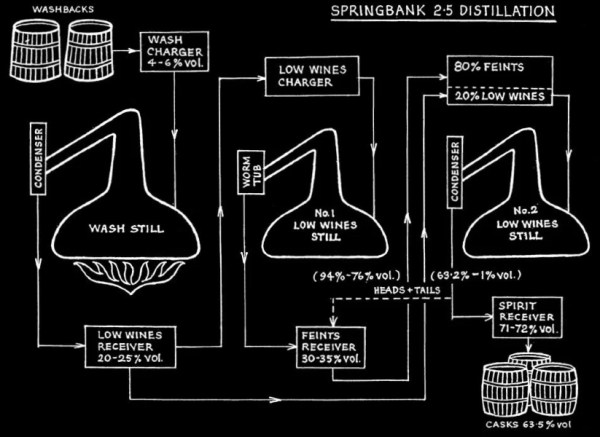
Longrow Red 11yo “Pinot Noir” (53.1%, OB, 8 years Bourbon & 3 years Refill Pinot Noir Casks, 9.000 bottles, 2019, 19/003)

I have to admit that the first few releases of Longrow Red weren’t my favourite Longrows on the market. I’ve tasted quite a few by now and from the first few releases, starting in 2012, I believe I liked the 2014 Port version best. However, even that one didn’t really impress me that much back then, since I didn’t go out of my way to buy it. Even today I still proceed with caution when a Whisky, in general, has had a Wine treatment, especially when the cask previously contained Red Wine. Fast forward several years later. On one occasion someone, probably Nico, shoved the 2020 edition of Red under my nose (The Chilean Cabernet Sauvignon), and that one did impress me a bit, so I got half a bottle in a bottle share, but more about that next time (spoiler alert). In the mean time, I visited Nico one day and saw an open bottle of his 2019 Pinot Noir edition, and with half a bottle of the 2020 Chilean Cabernet Sauvignon edition already sitting at home, and thinking of Master Quill and a comparison between both, I asked for a sample of his 2019 edition and the rest, as they say, is history…

Color: Copper gold. No pink or red hue.

Nose: Soft peat. Initially hints of classic red fruit from good Oloroso Cask matured Whiskies from yesteryear. Aroma’s working well together with the soft peat. Please bear in mind, no Sherry casks were used for this edition, so this can only come from the Pinot Noir casks. Appetizing stuff. A very hidden, tucked away, organic and deep sweaty and Winey note. Mild wine gums, soft wood bordering on cardboard and water based paint. Peated mocha with some smoke. Give it some more air, and the fruity and the (sometimes acidic) winey notes exert themselves some more, retaining throughout, the soft peat and the little bit of smoke. Salty toffee. Fresh, fruity, with an almost summery feel. Citrus notes (lemon) and floral hints, but also some milk chocolate and caramel. It smells sweet, acidic and salty, all at the same time. The peat gets softer and softer, as if it is a much older distillate. Receding peat leaves some more room for the smoke and a new flinty note emerges, as well as, some pencil shavings. Bad breath and soft moist wood. The Winey note gains some plastic along the way. Nevertheless, having smelled other Longrow Reds, the aroma profile comes as no surprise, although this is a particularly good one. This is what you get from peated Malts combined with different Red Wine casks. For instance, Gordon & MacPhail’s Ledaig Hermitage moves in the same direction. More about one of those later (another spoiler alert). For now, this Pinot Noir edition smells quite sophisticated and well balanced. Much better than earlier Red’s including the first outing of Pinot Noir in 2015.

Taste: A sweet and fruity entry. Sugary sweet mixed with the fresh notes of lemon juice. Soft and chewable peat. Slightly bitter wood. Almonds, full on toffee, caramel and only slightly fruity. On the sweet and fatty body, the winey acidity is there, but slides off quite quickly, noticeable yet not overpowering. Nice soft lingering peat and some prickly smoke. Amazing balance right from the start and again amazingly likeable. Next, some more fresh wood, which at times is quite spicy. The red fruity bit comes to the fore. Hints of fresh almonds. Very appetizing. I’m sure the Red series was a learning experience for the people at Springbank, but they are really getting the hang of it. The Red’s seem to get better and better as time progresses.

Wow, this is much better than the Red’s I know to date, especially the nose, which is this Malts strong point. I was wrong, because I’m human and not a bot, to have lost focus on this series after the first few expressions. Should have sticked with it. I’m reviewing this one from a sample, Nico kindly provided. He says this expression was at its best right from the start, so this does suffer a little bit from oxidation. So don’t take too long finishing this bottle. I haven’t tasted them all yet, but this might very well be the best of the Red’s.

Points: 89

Caol Ila 11yo 2004/2016 (46%, Gordon & MacPhail, Exclusive, for Milano Whisky Festival 2016 & Bar Metro, Refill American Hogshead #306662, 348 bottles)

Once nowhere to be found, now maybe one of the most bottled Islay Malts today. Caol Ila. For me at least, Caol Ila is always a nice Whisky which also ages well. This is a pretty young one, bottled less than four months shy of its 12th birthday. In fact, this Caol Ila has matured for precisely 4.275 days. It was bottled for the Milano Whisky Festival & Bar Metro in 2016, I picked this up at a well-known German auction and didn’t have to pay much, nor did I have a lot of competition for this bottle, so maybe there’s something I should have known? At the same auction I picked up its sister-bottling from Glen Elgin bottled for the same festival in 2016 and didn’t have to pay much for that one either. I bought these two, because I found out I had a lot of cask strength bottlings on my lectern, so I wanted to buy some bottles, to start an evening with. A bit reduced to work up an appetite. Gordon & MacPhail have (or had) lots of casks from the 3066XX-range, bottled in many different series; “Cask Strength”, “Reserve”, “Spirit of Scotland” and more “Exclusive’s” as well, so there is enough around for comparison. For instance, Refill American Hogshead #306664 was bottled for Maison du Whisky @ cask strength in the Exclusive range. By the way, some of the casks from this range are Sherry casks. Let’s find out now if this hoggie is any good.

Color: Straw.

Nose: Quite restrained. No big smoky peaty notes. Fresh, zesty but also a bit tame (at first), as in sweet barley with a wee bit of soft peat only. When the flow rate of air through the nose has been increased, lots more seems to be emerging. A prickly sensation awarded to a smoky note. Burning newspaper, and even more earthy peaty notes, still restrained though. Next more creamy notes of vanilla and pudding. Well balanced although I’m not sure yet about its complexity. Hints of sugared, or sweet, yellow fruits. Warming toffee and more soft barley, marzipan and almonds. Even a little bit of honey. All very restrained without it being closed. Dusty. All aroma’s work together nicely. Good balance. A cold and misty day with hardly any wind. As this Whisky picks up air, the good balance even gets better, definitely the forté of this Whisky, and it gets bigger, bolder and more aromatic as well. Quite a surprise. The longer it stays in my glass and I don’t hurry it, the better it gets. More of the fruity notes emerge and the marzipan, very nice. Some wood and ashes as well. So this needs a bit of air and patience. If you hurry this one, you’ll miss the reward of this Whisky.

Taste: Sweet, fruity and smoky, with a funky red fruit acidity on top (it may could do without). Yes, peat as well. Slightly too watery (at first), but as I wanted a “starting Whisky” this does the job quite well. Very nice fruity sweetness, the sweetness of ripe fruits rather than plain old sugar. Very balanced again. Milk chocolate, chocolate mousse, mocha and a tiny hint of coffee with lots of milk. Mint. Just like the nose, the sweetness moves into the territory of vanilla and pudding retaining the minty note. More toffee, caramel and mocha. Chocolate cake, custard, crème brûlée even, with the added bonus of peat, charcoal and ashes. Finally a green, leafy note. Earthy.

The finish is warming yet falls a bit short and I can’t say the wonderful balance reaches the aftertaste. A slightly acidic note peels of from the rest of the Whisky. Where the finish was somewhat short, the aftertaste recovers winning it a bit back for the team. Nevertheless a very nice Caol Ila again, and this probably its sisters as well, deserve your money. I for one, will try to find a G&M 2004 cask strength version from such a hogshead again.

Points: 86

Mortlach 11yo 1992/2004 (46%, Douglas McGibbon, Provenance, Autumn/Summer, DMG 627)

Talisker Storm is essentially a young Whisky, one of today’s NAS-expressions. A decade ago, this 11yo Mortlach would be considered a young Whisky and back then we hardly ever heard of NAS-Whiskies to boot. Mortlach is known for its unique distilling regime where the Whisky in the bottle was distilled 2.6 times. Mortlach is also known for dark and dirty Sherry bottlings. Mostly first fill and Oloroso. Just have a look at this Wilson & Morgan Mortlach. So Mortlach fits in the group of Macallan (of old), Aberlour, Glendronach and Longmorn.

However, here we have a rather pale expression of Mortlach bottled by Douglas Laing, from the time Fred and Stewart were still running a business together. Douglas Laing had essentially three series of bottlings. Provenance, Old Malt Cask and Old & Rare (better known as the Platinum-bottlings). There were some more, but lets stick to these three better known ones, shall we? Provenance was mostly reduced to 43% and later 46%, Old Malt Cask to 50% (if possible) and generally older and more special. Finally Old & Rare-expressions were cask strength en even older still (and extra special). Maybe there are some exceptions but in my mind all were single cask bottlings. Here we’ll try a young and very pale Mortlach from the least expensive series of the three. Young-ish and reduced.

mortlach-provenance-11yo-1992-2004Color: White Wine.

Nose: Fresh, soft and fruity. Some barley and definitely some citrus notes. Very fresh and “summery”. Hints of bread, mocha and nuts, but also a chewy, green oaky note. Vegetal. Green leaves and perfumy. Hints of dishwater and latex paint as well, which really isn’t as bad as it sounds. Powdery and dusty, in part like the smell of old books, some leather and cold gravy. Warm butter and vanilla pudding. Quite a lot happening here, and a bit dirty alright. Although all of the aroma’s I’m picking up here, are pretty different, the whole is well-balanced. They mix together well. Mortlach is known for a meaty element (from Sherry casks), but that is lacking here.

Taste: Barley again and a lot of the vegetal, green and oak notes. Chewy again and it has a short sharp edge from the oak. It’s almost like virgin oak this, with a bite. A little bitter woody bite. Don’t think now this is a bitter Whisky, because it isn’t. The bite itself is extremely short, leaving room for a very soft and mellow Whisky. Cannabis and vanilla. Creamy, with cookie dough and chocolate-chip cookies as well. Sweet(ish) and fruity. The taste of this Mortlach is less complex than the nose. Judging by the color, the cask didn’t seem all that active, but it did impair a lot of the woody notes, so it probably was an easy pick when considering bottling a younger Whisky. Hey, but it’s not all (soft) wood notes, there is also some coconut, nutty and creamy aroma’s. (something you can also find in some Glen Keith‘s matured in ex-Bourbon casks). It’s fruity as well. Medium nutty and creamy finish, with hints of cannabis (the first time around). With a medium bitter aftertaste giving the whole experience some backbone.

Mortlach is known as a dirty, meaty Sherried Whisky. However, this probably came from an American oak cask that previously held Bourbon. So does the meaty part come from the Sherry then? Well not entirely. Especially on the nose, the distillate, without the influence of (Oloroso or PX) Sherry casks, still shows a meaty aroma. Cold gravy I called it, and dirty. It doesn’t taste as a dirty meaty Mortlach to me though. Remarkably soft, and pretty decent overall, yet nothing special as well.

Points: 81

Caol Ila 11yo 1994/2005 (58.2%, Gordon & MacPhail, Cask Strength, First Fill Sherry Butts #12423 & #12424)

I actually picked the 1990 Caol Ila and this 1994 Caol Ila, to compare Bourbon cask matured and Sherry cask matured young Caol Ila’s. However I don’t think the 1990 was aged in a Bourbon cask, but rather in a Fino or similar type of Sherry cask. However, American oak is probably the wood of choice for the 1990, and maybe the comparison with the two types of Sherry is maybe even a more interesting one. I’m a bit on thin ice here, since nowhere it is said in what kind of cask the 1990 has matured, nor is there any mention for both of what type of Sherry previously inhabited the casks.

Caol Ila 11yo 1994/2005 (58.2%, Gordon & MacPhail, Cask Strength, First Fill Sherry Butts #12423 & #12424)Color: Slightly orangey gold.

Nose: Fatty and funky Sherry. Raisins and wax. Stale rainwater and some muddy peat. Peaty clay, not very fatty or round, as some might say. The raisins do remind me a bit of a Highland Park bottled by Gordon & MacPhail as well. Although that one is much, much darker, it is the same raisiny aroma. Probably the same kind of Sherry. Wood spice and salty smoke. Nice creamy wood, smoky licorice. Perfumy sandalwood and a buttery acidity. Creamy and slightly meaty. Burning candles. Enough happening in this one. Vanilla comes late, it is just overpowered by so many other elements in the nose. A nose from an old house at christmas.

Taste: Initial sweetness with some toffee. Lots of wood, slightly dry, but it is soothing and not harsh nor sour. Some sweet licorice again, with some dusty spice and Cappuccino. After the dusty part comes a woody and slightly acidic wine-note. A fruity acidity that doesn’t fit this Whisky. It makes all the tastes up ’till now, fight each other, instead of becoming a band of brothers. It is obvious that this Sherry didn’t integrate that well. Dries the lips. Finish has only a medium length and quite bit of an unbalanced aftertaste, an apply acidity, which is not entirely tasty if you ask me. The aftertaste ruins it a bit for me. I definitely prefer the previous Caol Ila.

It almost seems as if you can’t go wrong with Caol Ila. Let’s say this is from a Oloroso Sherry or even a PX, both are considered somewhat “normal” Sherries, by wine-people, and considered of a lesser quality then a Sherry that has matured under flor, a “hat” of fungus that grows on the surface of the Sherry. The hat prevents contact with air. The G&M Caol Ila I reviewed the day before yesterday, I believe came form such a Sherry. For me that is the superior one of the two. I do usually prefer Oloroso ageing, especially when it is a Whisky that was aged a while back. Good Oloroso Sherry matured in European oak, instead of the American oak preferred by the Sherry industry these days. Vanilla, people, Sherry drinkers prefer a more creamy Sherry these days. European oak also seems to need longer ageing, to deal with the tannins, and that is time we don’t seem to have…

Points: 80