“An Islay Distillery” 9yo 2008/2018 (54.9%, Cadenhead’s, Small Batch, One Bourbon Barrel & One Sherry Hogshead, 330 bottles)

Let’s kick in the open door: this is a Lagavulin (supposedly). It’s not on the label, but I have been assured this is a Lagavulin. However, we still can’t be a 100% certain now can we! Lagavulin used to be, and probably still is, my highest overall scoring Distillery from Scotland. There were hardly any bad or mediocre Lagavulins around. Even the affordable standard 16yo (The White Horse version) was stellar, the newer “Port Ellen version” is still very good. When the 12yo returned as an annual special release at cask strength, again very, very good. Right about the time, lets say 2021, maybe even earlier, signaled a noticeable downfall in quality. Picking up notes of a milky almost new-make spirit. Around 2019 with the release of the 10yo, the 9yo Game of Thrones and the 11yo Offerman Edition came the time that made me look elsewhere. Especially because of the 10yo (and the 8yo, come to think of it). The 9yo and the 11yo were still decent. So, in come the independents! Thank god for them! An indispensable lot. Diageo protects the Lagavulin name with their life, so that’s why companies like Cadenhead’s can’t put the Lagavulin name on the label without being shot, or worse. Hence “An Islay Distillery”. Some others at least think of a resounding name from which the public might or might not guess that it is a Lagavulin, or leave some subtle hits on the front and/or back label. I am buying some of these anonymous Lagavulins just to see if all these younger Lagavulins have the same milky taste I dislike like the 10yo and the latest batches of the 12yo’s have. I hope not. Here is an example from Cadenhead’s, but there will be more in due course.

Color: Orange Gold.

Nose: As expected, peaty and smoky, not even all that heavy, even though there is a lot to take in right from the start. This leaps out of my glass. Some nice wood, although quite masked. Menthos with floral vanilla and quite dusty. Perfumy kippers, salty and smoky. More notes of fresh oak. Vegetal wood, mature and appetizing, so not sappy wood which is more fresh. Hints of textile, melting plastic and wet dog. Silent yet deep dark peat. Smouldering (I love that word, have to use it more often if applicable) embers. Funky organics. There is quite a lot going on, that’s for sure. Something does remind me of matches a bit, but to be honest, I don’t really pick up on any sulfur right now. It has a fresh feel to it as well, like walking in the woods on a sunny and somewhat cool day. A temperature just right for walking. Next a sweeter, yet organic note, like smelling the left over stones from eating really ripe cherries (just before they go soft). Combine this with some light beech wood smoke and maybe a more smoked meat note. This smells entirely different from an officially released Lagavulin 9yo (The Game of Thrones version). The nose keeps developing in my glass showing more traits of red and black ripe fruits and vanilla in a thin coat of peat. Maybe I do pick up on some sulfur now (a fart?). Still in a minute quantity then. Some Iodine, now that’s detectable. Sea-spray? Nevermind. Bonfire on a good day. Big nose, slightly creamy and sweet if you let it breathe. I do like it quite a bit and can’t stop smelling it for the layers it shows.

Taste: Yes, holy moly. Big peat but also big on the warm plastic I also found in the nose. Just enough wood, nice. Also sweeter than expected. Licorice. Definitely not a weak Whisky like the 10yo, much bigger and bolder. The 10yo seems unfinished, milky, nothing of that here. This is 9 years old and it is done and dusted, it’s ready. Very big for a Lagavulin. Iodine and warming. You can think of Lagavulin as an elegant Islay Whisky in general, but mainly because of the 16yo, this 9yo is not, it is raw and unpolished, a different take if you will. You can even see some resemblance to the boldness of the 16yo, at least the 16yo from a while back. The Whisky is so big that the plastic bit, that usually is a big off note, killing even, only plays its part in the whole. It is in no way overpowering nor bad. Still the whole is in your face! Sweet, (burnt) wood, toast, peat, licorice and warm plastic. That’s it, those are the main markers. Luckily more is happening in this one, especially on the nose. You can pick up on the American oak, I’m pretty sure both casks are American oak. The sherry bit is similar to the Sherry you get from a good batch of the 16yo. Cow dung in the finish. Aftertaste is sweet, peaty and plastic-y and very low on bitterness, lets say soft tannins.

Well, this is a small batch and in this case combining two casks, a Bourbon barrel and a Sherry hogshead, together normally good for some 600 bottles at cask strength. However only 330 bottles have been bottled, why is that? Not all has been bottled, leaky casks? I wonder…

I took this bottle to Nico, who seemed to really dislike it, claiming it was too much and over the top. For him this was just wrong, so be warned, this might not be for everyone. Of the two, I am definitely the one who likes extremes more. I’m still actually amazed he feels this strongly about this Whisky he claims is wrong, since I do really like it. I wonder, is my palate shot? Luckily no, since most other Whiskies we both still tend to score pretty similarly, but sometimes something like this happens. For instance, I really like the Palo Cortado Springbank 10yo, I also got pretty enthusiastic about it on a Springbank society tasting (in public). Nico did not (he didn’t even order it). In the end, I feel this 9yo is some sort of a 16yo on steroids and after that even some more steroids. It also seems to have some off notes the 16yo doesn’t have, which in this case works for me just fine, but it might not work for you, as it did for Nico. It is definitely a big Whisky, I’ll say that, very big.

Points: 87
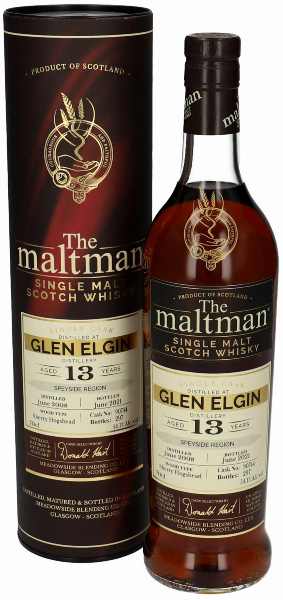
Glen Elgin 13yo 2008/2021 (54.1%, Meadowside Blending, The Maltman, Sherry Hogshead #90744, 297 bottles)

Seven years between the first review of Glen Elgin and the second one. That has to change, so what about two weeks between the second and the third review? Now, that’s a lot better now, isn’t it? Third review and again it is an offering by an independent bottler. The company’s name is Meadowside Blending, based in Glasgow, and specializing in Single Malt Whiskies, and run by the Hart Family. I don’t know why, but initially I thought this was a German outfit, probably because a lot of their bottlings are imported into Germany. My bad. This is a Scottish firm and they have several ranges on the market. Foremost is the range called The Maltman. These are all single cask releases. Next interesting range is The Grainman. Yes, you guessed it, all single cask, Single Grains. Other brands carried by the firm are The Granary (Blended Grain) and Royal Thistle. The bottle at hand, and this is no surprise if you are a regular on these pages, comes from The Maltman, yes a single cask, Single Malt Whisky from Glen Elgin. And yes imported into Germany by Alba Import, not sure if all of it went to the German market though…

Color: Orange gold.

Nose: Spicy sherry. Wood-spice and rather fresh and appealing, yet also some black coal with tar and right after that a more sharp and acidic fresh note. I have to say, all fits together quite well, so nothing wrong in the balance department. Lovely oak. The nose as a whole is thus rather appealing, fruity with half ripe sour cherries and maybe somewhere in there a more yellow fruit-note (indistinct). Breaths of fresh air run through the Sherry bits as well as some gravy? This is not a Sherry monster in the style you now often get with all these 10yo first fill Oloroso Sherry monsters. No, this is way more refined and still has quite a lot of colour to it. Tiniest hint of sulphur which I don’t even pick up on every time I nose this. Right after that some honey and maybe even some cigarette smoke. Warming and actually helping the whole of the nose. This has some fresh wood right from the start, but it’s not overpowering and actually very nice. Reminds me a bit of being outside near a sweet water lake on a nice and sunny day. Fresh winds, and the sherry bit could almost be some nice floral aromas blooming in nature. I guess this will not be a bad weather Whisky.

Taste: Half sweet yet also spicy (wood). Runny caramel or warm toffee. The coal, the tar and the wood are present right from the beginning. Sweetness seems building already. Quite some toffee now. All of this right before some fruit sets in. Warm apple compote? Nutty (yet different than in other Sherry bottlings), soft and supple leather. Leather as in belts and trousers, not thick saddle leather. Aftertaste is toffee and caramel again. Hints of plastic and warm wood. Again well balanced. I wouldn’t call the nose better than the taste of the other way around. No, this is one nice complete package indeed. Yet if I had to… yeah the nose is slightly better.

This one differs obviously from the Bourbon hogshead one by the Sherry influence. Apart from that, the Sherry influence didn’t actually overpower the traits of Glen Elgin, so there is still a family resemblance to be noticed between the two. I have to say, I like both Glen Elgins a lot, and both have their own moments. This one scores slightly higher (one point), because it is just a little bit more appealing and definitely better suited for a larger audience than the Bourbon hogshead one, which is more of an anorak-y Whisky. This one is also a little bit lower in ABV, which helps the drinkability. I like this one a lot, and would definitely it pick up again if I weren’t that adventurous and prefer to see what else is out there!

Points: 87

Caol Ila 11yo 2008 (56.5%, Jack Wiebers Whisky World, Auld Distillers Collection, Bourbon Cask, 120 bottles)

Well here is Caol Ila #15 on Master Quill, once a scarcity and when officially bottled again, initially called a hidden Malt. Today it is probably the most abundant Whisky available, since Caol Ila is in operation 24/7. Diageo are putting out lots of expressions themselves and independent bottlers are going ape-shit with Caol Ila as well. It is probably the most readily available Islay Malt to them, and for a fair price to boot, since most independently bottled Caol Ila’s are quite affordable, although, I believe, not for long.

Caol Ila is always featured on my lectern, and after the Port Askaig-Caol Ila, which this one replaced, it is time to review the latest Caol Ila that found a spot on my lectern. Jack Wiebers is known for bottling parts of casks and bottling the rest later or bottling all at once and just slapping different labels on the same bottling. “Jack” loves making labels. This is likely to be one of those cases, since also in existence is this: Caol Ila 11yo 2008/2020 (56.5%, Jack Wiebers, The Old Pub Dogs, Bourbon Barrel #3071, 180 bottles). Just 300 bottles in total, at cask strength, from a barrel seems a bit much, so my guess would be, if all those 300 bottles were 70 cl, and if both bottlings came from the same cask, then it was probably from a hogshead. Nevermind though, lets see what’s in the bottle, shall we.

Color: White Wine

Nose: Peat upfront, almost heavy peat. Smoked and dried fish. Licorice and salty. Smells more like one of the three on the south shore to me. Slightly more meaty and somewhat bigger than the average Caol Ila. I think we have the relative youth of this offering to thank for that. I can smell this is fruity underneath, but all is well masked by the peat ‘n smoke. Well balanced. The fruity bit also plays a role in making the whole somewhat less “raw”. Lovely wood pops up, a more interesting smell than oak alone. Right after this a breath of fresh air. This is Islay on a cold and windy, yet sunny day. Peaty and smoky, yet not gloomy. After the “simple” Craigellachie, this is way more complex and a welcome change of pace. This Caol Ila has a lot to give. Hints of burning plastic, but it is a mere hint, only adding to the complexity. This level of complexity demands attention, this is not for casual sipping. You can do that obviously, but you’ll miss out on lots of the details this has. The fruity bit changes into a more citrus kind of aroma, making it more fresh (and even more sunny). The smell of wood changes into that of a century old cabinet. Wow, and this is only from 2008. This is just great, a must have by the nose alone. Only a few drops of water, right after pouring this dram, opens the nose right up.

Taste: The balance is the first thing on my mind after the first sip. Works really well this one. Fruity and soft to medium peat. The nose had definitely more peat to it, wait a minute, here it is, it just takes a little time to get there. Peat and iodine, check. Some acidity as well, After sipping, the nose gets even better. Also late to this party is a little sweetness. A thick toffee sweetness, so no sugar water. I’m distracted by the nose, it is so good, making it almost hard to write the notes for the taste of this Whisky. Go figure. The citrus acidity pairs up quite well with the sweet licorice note. There is also some nuttiness here, only it is a light note this time. After this, some pencil shavings emerge, as well as some dust (and do I detect a slight hint of soapiness now?). Fresh almonds, mixing well with the sweet bit. Well balanced, very well balanced in fact, the planets aligned for this offering bottled by Mr. Wiebers. Lucky Berliners!

I have to say, when casually sipping this one, I missed out on a lot of the wonderful details this dram has. Be sure to give it your full attention. This is a wonderful Caol Ila. Highly recommended, especially since this was a really affordable release to boot. Alas, I don’t have another 2008 vintage in my stash. It would have been really interesting to compare this to another one, oh well…

Points: 92

Kilchoman 5yo 2008/2013 (59.4%, OB, Sherry Finish, Small batch for Germany, Cask #392-393-394/2008, 780 bottles)

Kilchoman, even though not that old (first distillation was performed in 2005), seems to be fully accepted as a full blown Islay Malt. Good when young, and it also matures well. Great people with great vision. Lots of variants around, however for me, Kilchoman still works best in a Bourbon cask or the occasional Sherry cask. That’s why my attention mainly goes out to the bottles with the red labels and boxes (pictured below). Often single casks at cask strength. By the way, worth a mention, the Sauternes I reviewed last was very nice as well. This time around, on our hands, seemingly the best of both worlds. Bourbon matured Kilchoman, finished in Sherry casks. I guess the mentioned cask numbers are for the initial Bourbon casks, and it probably has been finished in one Sherry butt (considering the amount of bottles in this release), since the label states this is a single cask release. What was the number of the Sherry cask I wonder. There are probably some SWA-rules for this, for which I’m now too lazy to look up. Anyone? All in all quite a confusing small batch/single cask release…

Color: Full Gold (slightly hazy).

Nose: Well, heavily peated indeed. Lots of luscious sweet, tarry and smoky notes. Salty kippers with crushed beetles, giving me salty dried out lips (after sipping it obviously). Tarry rope. Notes we know from Islay. Amazing balance for a five year old Malt. Mature stuff, and rightly accepted into the Islay fold. Nutty. Definitely not a sunshine Malt. Who needs sunny beaches when you can have this beach with grey skies and torrential rain in a bottle right here with you. Nothing bad about bad weather, with a dram like this in your glass. Sweet licorice powder and powdered sugar. Dare I smell a slightly floral note here? You might resent me for this, if you’re one of those brutal-Malt lovers. Mint candy (you know those with lots of sugar, a trace amount of mint, which is probably artificial). Not a lot of noticeable Sherry influence though. The Pulteney I reviewed before this Kilchoman, also wasn’t very Sherried, but at least it had some noticeable Sherry influence. Maybe the sherry influence in this Kilchoman lies within the slightly cherried fruity sweetness and the wonderful balance of the nose. However, when this Kilchoman heard me talk about a fruity note just now,  it responds with even more licorice powder and peat. Hints of warm mineral machine oil. The nose, especially after some extensive breathing turns into something really wonderful. OK, it is wonderful in a way a tank can be wonderful. The nose is really, really good.

Taste: Initially a sweet Beer-like quality. More licorice notes and definitely less peaty than the nose. WYTIWYG (What You Taste Is What You Get). It is Whisky like a peaty lemonade. One big taste. Where the Pulteney, was complex and layered, this tastes like one big thing. Salty kippers with crushed beetles, giving me salty dried out lips (yes, copy & paste indeed). Salty and peaty licorice All-sorts. The nose seems complex and somewhat layered, the taste isn’t. Don’t get me wrong, in general this isn’t a bad thing. It just isn’t complex at all. Even the finish is rather simple, yet very tasty, as is the aftertaste. Simple, yet very tasty and effective. Hey, and it’s only five years old, and in no way is it immature or “un-finished”. My tongue reveals (in the aftertaste), that this has some wood, which is completely masked by the licorice, the dominant note in this Malt. This one worked very well for me in the morning (on a day off from work for writing reviews). Ain’t that brutal, ‘eh?

Well one thing is sure, the nose of this Malt is better than the taste. The nose is actually truly amazin’, the taste is actually really very good (to put it in perspective for you). Simple or not this is great stuff. So it’s WYTIWYG and WITIRL (What I Tasted I Really Liked) or to paraphrase agent Cooper; “damn good Kilchoman!” Dear Readers (and Nico), you might want to consider picking this one up from an auction (just make sure to let this breathe for a while).

Points: 90 (yes I must be mad, second 90 points in a row).

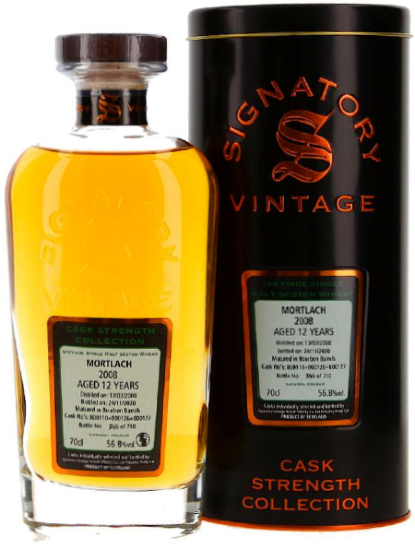
Mortlach 12yo 2008/2020 (56.8%, Signatory Vintage, Cask Strength Collection, Bourbon Barrels #800110, #800126 & #800127, 710 bottles)

After the wonderful and very interesting Loch Lomond, let’s try another Whisky fully matured in ex-Bourbon casks. This time one that was distilled at Mortlach. Mortlach has quite the reputation with Whisky Aficionado’s and rightly so. For instance, Mortlach 16yo was arguably the best offering in Diageo’s once extensive Flora and Fauna Range. Having this niche popularity, Diageo decided to do something more with the brand that is Mortlach and discontinued the 16yo around 2012 in favour of a Rare Old (NAS, not rare nor old, 80 points), an 18yo and a 25yo (84 points). All in 500 ml bottles! These three were released in 2014 and replaced in 2018 by more common age statement versions: 12yo, 16yo (a magic age statement for Mortlach) and 20yo. All three now in 700 ml/750 ml bottles. Mortlach is known for its Whiskies matured in Sherry casks. The 16yo Flora and Fauna is an example of this, and I thought an offering by Wilson & Morgan was even better than that. No surprise then, this has matured in a Sherry cask as well. I also reviewed a Provenance Mortlach earlier, I suppose was matured in Ex-Bourbon wood, which was not so interesting, so let’s see if this Signatory Mortlach is any good, or we should stick to Sherried versions of Mortlach altogether.

Color: Light gold.

Nose: Winey, clear glue, creamy and slightly acidic. Not your usual creamy vanillin kind of smell though. A moment later some more fruits emerge, as well as the creamy vanilla powder notes. Dusty and slightly smoky (probably from toasted oak, not peat). Hints of gravy and cold dishwater, and some soft sugared fruit notes. This is a big Malt, which already shows amazing complexity. Not a cloying smell, since a nice fruity acidity keeps playing its part. This is a Mortlach and Mortlach is a special distillate, and boy, does this smell special. For some this may be a simple kind of Whisky, just pour new make into Bourbon Barrels, mind you, they didn’t even turn those into hogsheads, lazy buggers, and job done, easy, simple, no hassle. Yet Mortlach in a Bourbon Barrel, comes out slightly different from Whiskies from other distilleries matured like this, there is always something different about Mortlach, richer, beefier, meatier, just bigger, special. It’s almost like the fatty acid chains are just longer with Mortlach (without becoming soapy). Hints of raspberry hard candy, next to the half-ripe yellow fruits. Just not as exotic as it can be in well matured Tomatin’s. However, keep in mind that this is only 12yo, and not 30yo like the Tomatin’s I just mentioned. I don’t even know why I brought that up, since Mortlach and Tomatin are very different from each other. So fruity it is, just not all that tropical.

Taste: Sweet and very, very nutty and fruity at the same time, much more fruity than expected actually. Some wood, more akin to pencil shavings than oak, to be honest. Including a slight harmless bitter note. Again, not cloying since the big body also has enough fruity acidity to help it along. Nice. What a wonderful start. Signatory have recently issued some Mortlach Sherry Monsters from the 2010 vintage, which are more or less the same age, but I can’t imagine those ones beating something like this. Licorice powder, some paper and some spices as well as a peppery backbone. Sometimes a sweet minty note pops up. Mocha, milk chocolate. Tastes like a dessert Malt now. Hints of hay, more paper and overall still quite complex. Nice finish and a long warm aftertaste, including the glue again, which you pick up on initially when smelling a freshly poured dram of this.

This is an excellent Mortlach that was not matured in a Sherry cask. Very big and tasty, with complexity and length. The quality is unmistakeable and this will please a lot of Whisky aficionado’s. Its a good example of the spirit of Mortlach and a good example of what “simple” American oak can do. The quality is right upfront, and easy to see for everyone. I scored the Loch Lomond from the previous review slightly higher than this Mortlach, but I also believe, that one might not be for everyone, and you can only find the true beauty of the Loch Lomond when you work it a bit. The Mortlach is more suitable for casual drinking, its always good. the Loch Lomond needs your full attention, otherwise it can be a grumpy old git and will Will-slap you across the face.

Points: 88

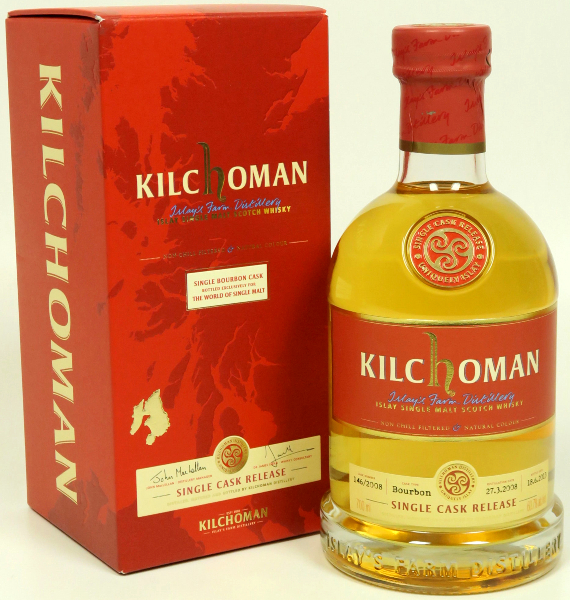
Kilchoman 5yo 2008/2013 (60.7%, OB, Bourbon Cask #146/2008, for The World Single Malt Germany, 252 bottles)

Although not bad, I don’t really have a fond memory of the early blue labelled Spring 2010 and Summer 2010 bottlings, both are decent but not there yet. Both are showing their youth, and I’m not particularly a fan of Whiskies that still show their new make side. Aren’t all beginnings hard? However, I do have a fond memory of the previously red labelled Single cask bottling for Belgium. All three distillates are more or less from the same period of time, but this red labelled one is just a bit older, not reduced and from a single cask. In my mind, after tasting such Kilchoman’s, the red ones were the ones to go for. I like single casks especially at cask strength, warts and all. In the case of Kilchoman, usually there are no warts. Not a lot anyway. Pretty amazing considering the aforementioned single cask expression isn’t even 5yo and already very, very good and mature for its age, and remember this was matured in Scotland, not the tropical shores of Goa (India, in case you failed geography). So no surprise then, that the next Kilchoman I opened was another red labelled one. Yes, another ex-Bourbon single cask expression, why not. This time a red labelled one bottled for Germany. Let’s see if the Germans got an even better deal than the Belgians did. For starters, the German one is older, it is just over 5yo.

Color: Pale gold.

Nose: Soft warming peat, glowing embers, fine bonfire smoke, flinty, with citrus fruit upfront. A combination of lemon, lime, unripe pear, sweet spearmint and menthol. Just sniff it, put it away, wait a minute and start breathing through your nose. Are you getting the menthol now? Soft wood, creamy, toffee and clay. Slightly perfumy and slightly meaty as well. All combined with smoke. Paper and dust. Fresh and spicy. Cedar wood, vegetal. Christmassy smoke emanating from a chimney, that’s it, with more fresh acidic fruit notes. A dram for a silent, snowy evening. Mocha, vanilla powder and maybe even a hint of an unlit Cuban cigar. Next, the promise of sweet, jam-like fruit, as well as a breath of fresh air, significantly different from acidic fruit, although both bring freshness to the Whisky. Smells appetizing and lively, yet also mature. No signs of new make spirit to be found. When snorted most vigorously, a more deeper and brooding animalesk kind of note emerges. I think this smells amazing for a 5yo Malt. Very mature. This must be quality, achieving this, in so little time and in a cold climate. It also has an unexpected depth to it, like Alice’s rabbit hole, the deeper you go, the more mesmerizing are its aroma’s. Take your time with it, it’s really, really good.

Taste: Wood and paper. Sweet red fruits. (Menthol) cigarette smoke in the wind, and more sweetness than expected. Milk chocolate and liquid bonfire smoke, with maybe some plastic in the back? All elements well balanced. It’s even slightly syrupy. Soft white pepper attack combined with fresh, green and sappy oak. Waxy, with a tiny hint of rubber in the back, and a short bitter note that is soon joined by sweet yellow fruits, candied fruits and some more of this peppery attack. Lemonade. The bitter and the sweet go together well. A lot is happening at once, so I’m almost struggling to keep up and write it all down. Speaking of down, this is quite warming going down. Pencil shavings, licorice and slightly tarry. The wood note comes late and when they occur in the taste, it starts to play a bigger part in the nose as well. Slightly less complex than the nose (or is it?). This one shows most of what its got, right from the start, but doesn’t lack in the evolution department either. Towards the aftertaste, the lemon and lime returns, wonderful. Really good stuff this.

This is a really good Whisky which makes me happy. Amazing result after some 62 months from a relatively new Islay distillery. Instant favourite. The bottle is half empty, and I’m not entirely sure, it was already this good when freshly opened, so this seems to be another example of a Whisky that needs to breathe a lot.

Points: 89

P.S. The empty glass smells of black coal, peat, smoke and some plastics, more than the day before, (when the glass wasn’t empty).

Ledaig 12yo 2008/2020 (45%, Gordon & MacPhail, Connoisseurs Choice, Wood Finished, Refill Sherry Hogsheads, 3 year finish in Hermitage Casks, 4440 bottles, 20/074)

The previous reviews have shown that the industry is getting the hang of how to successfully incorporate Red Wine Casks into the production of decent Whisky. The three Longrow Red’s reviewed last, were all pretty good. So maybe it’s time to have a look at a different example of this practice. But first this: for one reason or another, the interest in Springbank (and, Hazelburn and Longrow, but to a lesser extent as well), has skyrocketed in the past year of two. Maybe the best example is the latest rendition of the Springbank Local Barley over which people really went ape-shit, and really, there is no other way to put it, ape-shit indeed! Why is that, one might wonder, the colour, more money to spend because of the pandemic? In many markets this latest Local Barley was near impossible to get, and just have a look what people are willing to pay today for one of these at auction. It’s a 10yo! Even when Springbank Society is releasing a bottle these days, you have to enter a ballot! Even though costs have risen considerably across the world, due to Brexit, people are going ape-shit after those as well. Not only aficionado’s and fan’s but many bottle flippers as well, since most of these releases are readily available, in great numbers, I might add, at the next action. A few years back, Springbank Society didn’t even sell everything and you could get a second bottle without any problem. Times are a-changing.

So now that Springbank is often impossible to get (in a normal way), I tried to figure out what would be a nice alternative to Springbank. Well, that is a rather personal question, and the answer might differ from person to person. However I did come to some sort of a conclusion for myself, and figured out it is the peated distillate of Tobermory, we all know better as Ledaig. There are probably more alternatives one can think of, but let’s stick with Ledaig for now. First of all, Ledaig is getting better by the year, (they used to have a rather wonky reputation), it’s readily available, especially through independent bottlers, and it’s damn tasty stuff, even at a young age. I have bought quite a few Ledaig’s in the past year, so I could have, and probably will have it permanently represented on my lectern. So, Ledaig it is for now, and after three Longrow Red’s, here is a Hermitage Wine finished Ledaig. Hermitage is a French Red Wine from the northern Rhône region, made with Syrah grapes. Let’s see if this is really a worthy alternative for the Longrow Red’s. A final remark before digging in, this Gordon & MacPhail offering has been reduced to 45%, where the Longrow Red’s are bottled at cask strength, we’ll see if that matters much.

Color: Vibrant orange brown, like a bourbon. No pink Red Wine hue.
Nose: The bottle I’m reviewing now is less than half full, and this really needed to breathe a lot to get where it is now. When freshly opened, I was really disappointed, asking myself, is this it? Quite unbalanced. Yet today, it is another story altogether. Bonfire smoke and the fur of a wet dog, or maybe an animal with a more coarse fur, lets say wet bear then. Dried out cow dung in the middle of summer. Ledaig always has these “animalesk” notes to it. Fresh air with a whiff of paper and chlorine, this is not a bad thing, because it fits the whole. Smoke, nutty, winey, funky and sweet smelling fatty peat. Also licorice is present in this peat. There is a lot going on in this peat-bit alone. Some wood, nice laid back oak. Hints of fireworks (sulphur). The whole is dark and brooding based around great peat and smoke. Motor oil, coffee flavoured candy, and some vanilla. Creamy. Smallest hint of red fruits only, so the influence of the Red Wine casks is somewhat different to other Red Wine finished Whiskies. Partly floral. Yes after the big aroma’s played their part, a more floral note comes popping up from below. There is definitely a lot happening here. Many entirely different aroma’s come together in harmony. Nevertheless, this seems to me to be dirtier than your average Islay Malt, however I’m not entirely sure right now, if this dirtiness hails from Mull or Southern France, my guess would be the former. Good Ledaig again. Smoke, floral, soap and fresh fruit notes now. I can get used to this. So let people get ape-shit some more on the output of Campbeltown, we’ll join in occasionally, and apart from that, we’ll have Mull as our (dirty) little secret. Amazing how this managed to get from this unbalanced state when freshly opened to this harmonious and balanced Whisky it is now.

Taste: On entry, somewhat sweet (red fruit syrup, in part artificial), toffee, animalesk-peat, crushed beetle, ginger bread, caramel and nutty. With a slightly soapy slippery feel to it and woody bitterness for good measure. Amazingly this also has a little red pepper sting to it. Here, it is all slightly less big and powerful and it tastes somewhat diluted compared to the Red’s. I know there are a lot, and I really mean a lot, of cask strength Ledaig’s out there, but this one would benefit from some more ooomph as well. Still, it is what it is and it is a good Ledaig again. Way less complex here than it was on the nose. Hence less words are needed to describe the taste than the nose. Warming bonfire and cigarette ashtray in the finish and warming meaty aftertaste with coffee candy and surprisingly some mint. Very warming indeed.

First of all, this one definitely needs a long time to breathe and if you allow it to, you’ll be rewarded. Just leave the cork off for a day or two after opening, and repeat this process if necessary. Second, just like the Red’s, here we have another successful Red Wine cask finish. By the way, remember this Deanston? The reputation of Mull is growing and before you know it, (it might take a few years), it just might catch up with Campbeltown altogether. It’s a worthy alternative, and it is not more of the same. Luckily, even though the output of Springbank Distillery is very, very good. But we aficionado’s do like the differences that can be had. One minor gripe. Even though this is yet another good Whisky, the reduction to 45% ABV is very well noticeable. Historically these finishes were bottled by Gordon & MacPhail @ 45% ABV, but with the revamp of the different series they had, towards the “new” Connoisseurs Choice, maybe there should be some Cask Strength Wood Finishes as well?

Points: 86

This one is for Luke Todd-Wood, who recommended it to me, without even knowing. Cheers Luke, I guess you already finished your bottle by now!

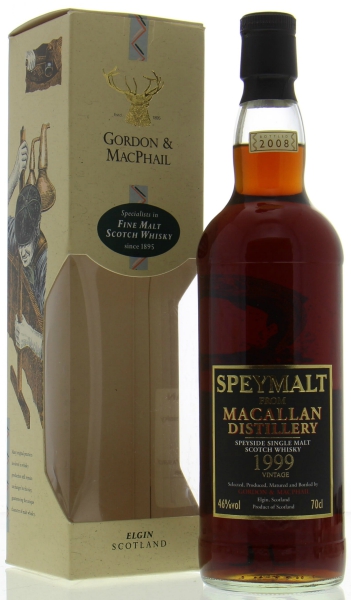
Macallan 9yo 1999/2008 (46%, Gordon & MacPhail, Speymalt, for Van Wees, First Fill Sherry Hogshead #12378)

Wow, look at his colour! I’ll explain shortly what I mean. Also, unusually dark for a Speymalt from this vintage. For those of you who don’t know, here we have an independently bottled Macallan. Maybe this is the way to go for the non-millionaires amongst us, since the owners of Macallan seem to have gone completely over-the-top bonkers with the “brand”, super premiumizing it, crystallizing the bottles, teletubbying the distillery and… well you know what I mean. Let’s shy away from the marketing and focus on quality then. The quality of Macallan’s distillate, the quality of what we’re getting, putting this quality distillate in a quality Sherry cask the good people of Gordon & MacPhail provided for this distillate and reviewing this drinkers’ Macallan…

Color: Vibrant mahogany! No it’s not just orange-brown, it’s mahogany, and it’s only mahogany when it has this redness to it, a red flame if you wish.
Nose: Restrained for a short while. Wonderful Sherry and woody notes. Ever so slightly waxy and also fresh and airy. Milk chocolate, with a tiny hint of smoke, which most likely came into the mix from the burnt insides of the cask. Next, some pencil shavings. Smells fantastic. Quality Sherry cask. Classic Macallan. Not a lot of vanilla, so, I’m hardly guessing, this was matured in european oak, although I do pick up on a slightly creamy note as well. Hard to explain why, but this smells luxurious, elegant and perfumy. Reminiscent of the great Macallans from earlier decades. Remember the times before Fine Oak, and all the stuff that came after that. Remember the days of, “…which science can’t wholly explain…”? Elegant and fruity and in no way, harsh nor overpowered by the first fill Sherry. Not cloying nor heavy. Excellent cask.

Taste: Smoky and slightly tarry. Black coal. Thin honey, yet not a lot of vanilla sweetness. Initially very, very nice. Reminds me of the Macallans, Strathisla’s and Longmorn’s, when Gordon & MacPhail bottles still had screw caps and were bottled @ 40% ABV. (…and still had enough power)! The body is about Sherry and wood, beautiful spicy, and perfumy, wood, and shows a little bit of nice woody bitterness as well. Soft and silky bitterness, which adds to the overall flavour of the Whisky. Quite fruity and almost drinks like red fruit lemonade. Nice notes of mocha and coffee with milk. Rather short finish though. This is where the relative youth comes in, but I don’t think this should have stayed in cask longer. First fill Sherry can be a brutal thing! Short bursts of warming and red fruity notes. And the aftertaste lingers longer than the finish was. Again classic style.

On the other hand, maybe, this could have stayed in cask longer, since in no way it is overoaked. The flavours could have been more powerful, and the cask itself seems very elegant and good. Or maybe it should have been bottled at cask strength, who knows. This might have had some more to it in the end. For me the best bit of this Whisky is the start, when you take a sip and keep it in your mouth for a while before swallowing. Nice woody and licorice notes start emerging that way. Tar and coal. Wonderful stuff. Tiny hint of the typical acidity from rather new oak, which is a different note from fruity acidity, mind you.

The ABV, is slightly higher than the regular expression of the Speymalt from 1999/2008 which was bottled @43% ABV. Darker as well. Still it manages to come across a bit thin. Would it be too harsh at cask strength or is it an economical move by Van Wees? As in, if you dilute it with water you get more bottles from the hoggie? Probably not since it’s a Speymalt. All things considered, this is a classic Macallan. Wonderful stuff. Sure, maybe more could have come from this, maybe not, but I’d still get it as it is. Most definitely I would. Much better than many, and I mean, many modern Macallans, bottled by the (owners of the) distillery themselves. Highly drinkable, so a bottle of this wouldn’t last long…

Points: 89

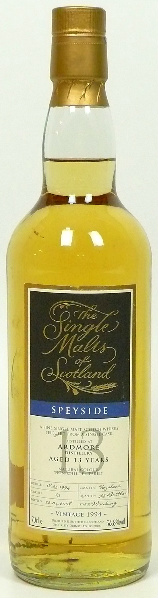
Ardmore 13yo 1994/2008 (56.8%, Specialty Drinks, The Single Malts of Scotland, Hogshead #65, 303 bottles)

Ardmore, my poor-man’s Brora. Since coming across several Ardmore’s over the time, I see huge potential in this Whisky. Very good spirit, and if it is filled into a cask of equal quality, activity, this stuff can really shine. Just have a look at the three I reviewed earlier. Whiskyman’s 1992 (89 Points), Gordon & MacPhail’s 1993 (87 Points), and finally Mo Ór’s 1992 (84 Points), where the last one was reduced to 46%, Why would one do that? All three were bottled some time ago and the reviews were written a few years back as well, so let’s continue with another one from the past. We move up only one year, since this was distilled in 1994, and bottled some ten years ago.

Color: White Wine.

Nose: Well, this most definitely doesn’t smell like White Wine. Slightly buttery, with vanilla, some soft oak, and a slightly acidic side-note. Typical Hogshead remade with American oak staves. Green, grassy and even slightly meaty. Gravy? Not very peaty and hardly any smoke at all. When searching for peat I’m welcomed by a more fruity and lemony note as well as a leafy and green note. Hmmmm, it is the lemon you get from detergents. Nice oaky note taking over from this little faux-pas though. Pencil shavings even. Yes some peat seems to be coupled with the oak, soon to be followed by the return of the creamy and buttery notes from the start as well as some cold dish water. Remember you washed the dishes yesterday and forgot to pull the plug? This may not be one of those complex Ardmores, since it is clearly from a cask that has been filled several times before. Its friendly and fruity, almost summery in demeanor. Some notes seem a bit off, but pull together just in time. Interesting feat.

Taste: Oak and sawdust first. Hints of pepper. Yeah. Right after the characterful statement, the more fruity, citrussy, notes appear. Almost with a carbonated quality to it. Although very tasty, friendly it is not. Too much alcohol for that. I love the oomph which you can sense does great things to balance this Whisky. Ashtray and nice peat mixed in with the citrus fruit. It switches effortlessly between the (fatty) creamy & woody/cardboardy part and the more fruity acidity. Although not very complex, what it does, it does it good. Quite a long finish, although it maybe better to describe it as a prolonged body, since you get all the aroma’s, all the time. Aftertaste is bitter (wood) and again all of the above. This one fools you into thinking its simple, and fruity, it is, but it is not an easy one, and that’s not only because of the high ABV.

Definitely not your typical Ardmore. Where in the past I called a particular Ardmore a potential Brora, this one most definitely isn’t. This bottling is an interesting Whisky, made form excellent spirit, but not good enough to be a Brora to be. I feel Ardmore is somewhat overlooked and underestimated by its owner Beam Suntory in favour of the other distilleries in their portfolio. Ardmore has to compete with Auchentoshan, (one of the last Lowland distilleries), Laphroaig and Bowmore (big, big Islay brands) and Glen Garioch (Highland), which seems to get a lot more love and attention than Ardmore (also Highland). So Ardmore seems to be the ugly duckling in the portfolio. Maybe Ardmore isn’t getting the best casks the company owns, since the Mo Ór example and this The Single Malts of Scotland offering seem to come from somewhat less active casks, yet still manage to turn out quite good. Apart from this, the official output doesn’t seem to be hurling at the consumer as well. Still, I have a lot of faith in Ardmore, it holds a place on my favourites list. It can be a truly amazing Whisky. As long as it stays under the radar, we have to hunt for examples from the independent bottlers world, that were ‘accidentally’ filled into good casks.

To the people of Ardmore Distillery. Keep doing the excellent work, your moment to shine will come!

Points: 86

Lagavulin 12yo 1995/2008 (48%, OB, European Oak, for the Friends of the Classic Malts)

So with the longest day of the year at hand, some would say that this isn’t the time for Peat. Peat needs rugged shores, strong gale force winds and driving rain to be thoroughly enjoyed, doesn’t it? Why not take a light, grassy and lemony Lowlander instead, or even some tropical stuff? Well what can I say, I just felt like it, that’s all.

A week ago I hosted a Whisky-tasting centered around the indie bottler, Signatory Vintage. I opened some bottlings of them, which will feature on these pages soon. Of course a good tasting needs an even better after-tasting, like a good party needs an even better after-party. The after-tasting, yes you’ve guessed it: Lagavulin. The distillery that’s celebrating its 200th anniversary this year, with the release of a 8yo, which will also feature on these pages shortly.

But first this oldie (but goldie). Relatively speaking of course. This Lagavulin was released in 2008 and it took well into 2015 to sell out. It was available in shops for a whopping 7 years! Now that its gone, prices are soaring. It was available for such a long time, because there may have been a lot of bottlings around, but it also gained a bit of a reputation. A lot of people, including fans of Lagavulin weren’t very fond of this particular bottling. I consider myself a fan of Lagavulin, so I just has to open it, and try for myself! But first a thought…

Bottlings like this, baffle me to the max. All this time we hear the industry explaining to us, that colouring is done to ensure consistency in colour from batch to batch. Also, the public, when buying Whisky, or any other brown spirit, may be put off when the aforementioned spirit is too light in colour. So why then is this one-off Lagavulin, bottled in a brown glass bottle, coloured with E150, when we, the public can’t even see the colour of the spirit untill after the purchase? Boggles the mind, and mind you, don’t go around thinking that caramel colouring doesn’t affect the taste, because it does, just read Michel’s article back from the day I used to be in the “Coloured Gang”. Sure, it may be a bit lengthy, but it definitely worth it.

Lagavulin 12yo 1995/2008 FFOTCMColour: Orange brown, just like a Bourbon.

Nose: Excellent smoky nose. It starts with more smoke than peat. Sure peat is next. Earthy, sweet and fatty clay. Ashes. Nice wood, accompanied by red fruity notes and some Italian laurel licorice as well. The fruity bit smells more yellow than red. Funky chewy sweetness. Cream Sherry. Mocha cream, cookie dough and light chocolate powder. Leather. Milk chocolate shavings on vanilla ice-cream held up by the wood. Again a lovely smelling Lagavulin, which always works well when it’s matured in Sherry casks. Hints of tar and also some spices. The creamy Sherry notes overpower the spices a bit, so its hard to tell them apart. If you have read the article I mentioned above, you might remember my comments about mellowing out the aroma’s by E150. I feel that is the case here also. This Lagavulin has a nice, very nice actually, but rounded out smell.

Taste: Quite sweet and creamy on entry, quickly followed by peat and toasted cask. Small vegetal bitter note. Very nice. Lots of sweet licorice, almonds and black and white powder. Pepper & salt and definitely some smoke and nuts. Smoked nuts? Smoked sweet almonds (not the salty ones). Red cocktail cherry and a whiff of artificiality in the fruit department. The sweetness is of the typical sugar-water kind. Its fantastic on entry, but the body is losing it at bit already. Falling apart and being quite simple. In no way, has the finish the length of other Lagavulins, but the one big taste lingers on for a while in the aftertaste. However, it’s more the sweet and fruity bit, with only a hint of smoke, than the peat.

This Lagavulin has matured in first fill Sherry casks, not made with American oak. There was a time when (probably) all Sherry matured in European oak butts and puncheons, which are quite large casks. Today a lot of Sherry casks are made from American oak, impairing vanilla and giving off a more creamy feel. Also the casks made today (hogsheads) are smaller than the butts and puncheons, thus allowing for some quicker maturation.

Let me start by saying this is a good Lagavulin. It drinks easily and there is more than enough happening. I like it a lot. However, if I compare this to other Lagavulins, it isn’t the best one out there. I believe the colouring did its part in mellowing out the aroma’s and blending them together into one big (nice) taste. Nothing sticks out really. Apart from the E150, the casks themselves probably weren’t the best money could buy as well, as well as its previous contents. So for a Lagavulin its good, but nothing more than that, but it’s also a Whisky most others can only dream of producing. Lagavulin has stiff competition from… itself.

Points: 88