Longrow 10yo 2007/2018 (56%, OB, Fresh Sauternes Hogshead, for The Nectar, Belgium, 258 bottles, 18/437)

Nico got a mention in the previous review of the Springbank 12yo Port. So this Nico dude once made me aware that he really, really likes a particular Longrow 10yo Sauternes. So here we are again, going to have a look at yet another Whisky from the stills at the Springbank distillery that has matured in an ex Wine cask. Sauternes is a sweet White Wine from Bordeaux, France. Do I really need to mention this is French? Isn’t Bordeaux already famous enough? Well, just in case you didn’t know.

Although Longrow is also famous enough, as is its distilling regime. Just in case you don’t know, I am still going to tell you that Longrow is peated Whisky from the Springbank distillery that has been distilled just two times, where Springbank is 2.5 times distilled. Half the spirit is distilled 2 times and the other half 3 times, so the Gandalf’s at Springbank call it a 2.5 distilled spirit, sounds like wizardry to me. Add to that some more peat than they use for “Springbank” and you have Longrow: the heavily peated expression, 50 – 55 ppm (parts per million) phenol content of the malted barley after kilning.

Color: Copper Brown.

Nose: Fantastic fruity and sweaty peat, really bold and amazing. Could Sauternes also be one of the best wine casks for Whisky? What a classic, big and utterly wonderful nose. Sweetish and fruity. Clay, dust, white pepper and some more earthy and peaty aroma’s. Rotting leaves lying in the garden. All the aroma’s here are perfectly integrated with the peat. It almost smells chewy as well. Where fruit aroma’s usually give off a summery feel, here it seems to be the opposite. Yes it is fruity, but in a dark and broody way. Nice soft and velvety peat leaps out. As I said, fruity, but in this dark and broody way. Its fruity yes, yet also very much industrial in its feel. This is an amazing smelling Whisky. After a while a smoky note pops up. The whole is dry and fruity at the same time. I think this might very well be very special stuff. I already like it a lot. The next day the empty glass still has some big aroma’s to it. Lots of peat and smoke and some hints of plastics and a fatty aroma, for that industrial feel.

Taste: Fruity, nutty at first and than some wood, with a nice spine tingling, spicy bitterness. Black coal and iodine. Chewy peat and the smoke itself is more upfront here. Big and bold again. Seems like the Wine underlines the peat somewhat more in this expression than in other Longrows. In comes toffee, so it has some sweetness to it, with lots of carbon and peat inside. Tasting this Whisky, I’m really missing some of the funkiness the nose showed. The taste is drier and less chewy. Fruit toffee. Nutty. Semi-sweet ripe red fruits, mixed in with a healthy dose of peat (and nuts). The taste of burning off garden waste. Even though there is enough fruit here, the whole is still quite dry. Towards the aftertaste this bitter note slightly coated my tongue and shows quite some staying-power. This bitterness is actually hindering a score into the 90’s. Sometimes a bitter note can work wonders, this is just not one of those cases. Nevertheless a very nice and special Longrow for sure.

Wishing you all a very good and healthy 2024!

Points: 89
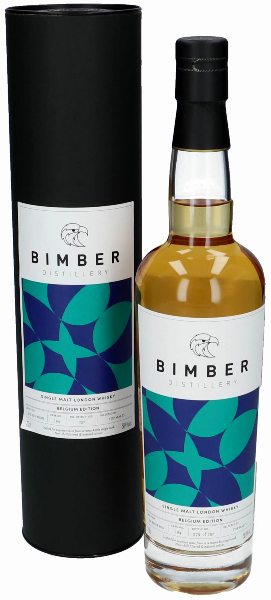
Bimber “Belgium Edition” 2021 (58.4%, OB, Bourbon Cask #194, for Top Malts, 257 bottles)

Bimber means Moonshine in Polish. You know, alcohol distilled by amateurs under amateuristic conditions. Home distilling is not a strange thing in (rural) Poland, and most distillates are fruit-based. The founders of Bimber, Darius and Ewelina, moved from Poland to London and started distilling. The first casks with Whisky were filled on the 26th of May, 2016. The apple often doesn’t fall far from the tree, so no surprise here that somewhere down Darius’ family tree there were men distilling alcohol under amateuristic conditions. Bimber tries to do as much as they can themselves, with traditional methods and always with the highest quality in mind. They have an on-site cooperage and they have their own yeast. Apart from that, they have a seven day fermentation period which is much longer than is usually the case. This long fermentation produces a light and fruity spirit.

As with any Whisky, I feel you get to know it best when it’s matured in an ex-Bourbon cask, preferably a refill one. So no surprise here that the first Bimber on these pages is matured in a cask like that. I only don’t know if this is from a first fill or a refill cask, although the amount of bottles produced seem to suggest it came from a hogshead, which makes it a refill cask. When the first cask has been filled in 2016 and this was bottled in 2021, this can be no more than five years old, and probably less than that. I came across Bimber for the first time at the Whisky Show in London and liked it very much, and after that, the first purchases, (five in total), were just a formality. This Belgium one is one of those first five.

Color: Pale White Wine

Nose: Holy moly what a wonderful nose. Soft, spicy (also soft), mineral and creamy. Slightly farmy with fresh rain water or water in a fast running stream. Barley, barley sugar, sweet fruits (in candy form) and more cream, clotted cream, powdered pudding. Candied cinnamon, fresh almonds, soft sawdust and somewhat leafy. It’s like being in a dusty mill where spices are being ground on a sunny day. Potent and light at the same time. Full on aroma’s. Hard candy raspberry stick, the ones you buy at a fun fair. More soft spices. Greenish and leafy again, almost like candied sawdust this time around (that’s a first). Sometimes hints of creamy horseradish (Chrzan cremowy). Already this Malt oozes utter quality. What a perfectly balanced blend of aroma’s, and at this age! Nothing short of amazing. I’m an instant fan of Bimber after Whiskies like this. Look, I believe this can’t be more than four years old and it has already nothing to do with new make spirit. Well sparsely the smell of Gin, but we do like the smell of Gin now don’t we? However, when sipping this, I often don’t smell the Gin to be honest, but sometimes I do. Today even Lagavulin, and for some years, some other bottlings from other distilleries in Diageo’s special releases, like the ever so popular smoky Cragganmore, still taste a bit of milky new make. What is that? And why do different Diageo distillates show the same markers. Markers I’m not really fond of, by the way. Point is, that this young Bimber seems to be more mature than some other Whiskies more than twice its age.

Taste: The onset is sweet, but already there are some nice amounts of sweetish wood spices and cardboard to be found. A minty and cola-like sparkle. So some wood, ever so slightly bitter and quite fruity, as well as some acidic lemony notes, which makes the whole more vibrant and less heavy (as in syrupy peaches). Mind you, it isn’t a really sweet Whisky this, but the sweetness does play its role. Mocha with brownie dough. Instant coffee granules. Taste-wise the youth of this Malt is easier to pick up on, because of the lack of complexity when compared to the wonderful nose. Even at this strength this is highly drinkable. I should try it before its gone, but I never found the urge to add water to this. Finally, in the finish some woody bitterness arrives, which, in moderate amounts, is needed by a Whisky, since it is aged in wood, so we want to notice the wood. We don’t like the bitterness to be overpowering though, and here it certainly isn’t. Nevertheless, the nose is better than the taste, but the whole is really good. I wonder what will happen when this becomes of age, I’m not even sure right now if that is going to be a good thing, since this youngster managed to pick up already quite a bit from the cask it was in. We’ll see.

Points: 88

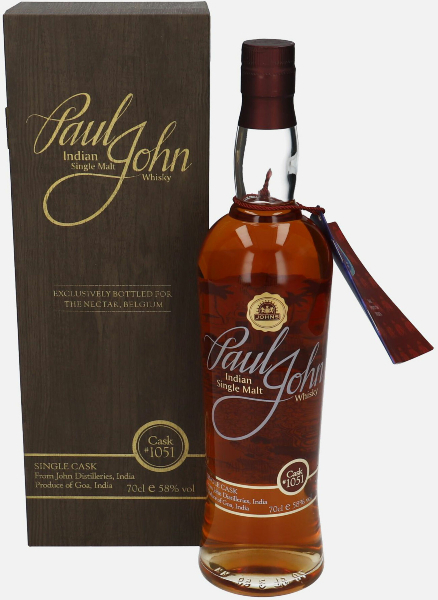
Paul John (58%, Single Cask #1051, for The Nectar Belgium, 2015)

Last year I wrote a review of the Malts of Scotland Paul John #15066, another unpeated example of a Paul John single cask Whisky. When I emptied that bottle, it got replaced by this official bottling from single cask #1051 picked by Mario G., and bottled for The Nectar in Belgium. I normally write my reviews of a half full/half empty bottle. You know the drill about optimists and pessimists. Most of the time, Whiskies need some time or air to reach their best, so it is actually a big no-no to review a freshly opened bottle. However, this time around, I’m writing this review from a nearly empty bottle, but I have been following the development of this bottle very sharply, and I do remember all the stages this Whisky went through over time. All this, because in this particular case, this actually was at its best right after the bottle was freshly opened. I was really happy with it, let’s say the first half of the bottle, and when I brought it with me for a tasting of my whisky club, the comments were not all that positive. Yes, it may have suffered a bit by the preceding Whiskies in the line-up, but when tasting it back a few days later, I also thought it wasn’t as good as it was earlier. I left a few drams in the bottle and let it sit for a while before reviewing it now. I will make an honest review, based on all its stages and not only about the last bit I have left at this point. I haven’t tasted it yet, this last bit, so let’s see what time did to it this time.

Color: Gold.

Nose: Buttery, woody and waxy. Quite nutty as well. The wood is fresh and lively at first with a nice spicy feel to it. Sweet smelling, fruity, with big notes of pencil shavings. Pencil shavings is what this Whisky always had over time, big time. Barley notes with cold dish water and dry grass. Do I detect the tiniest hint of clear glue? It still is quite simple in its approach, but what you get, smells good, yet also for some, maybe a bit dull. Dusty, now turning a bit meaty (gravy actually) and glue like, before the pencil shavings come back. Still overall a good nose, with the fruity bit taking a back seat. It’s still there but not really overpowering. Simple yet appetizing. It’s simpleness is also evident in the lack of development, over the course of time in my glass there isn’t really anything changing. This is one for first impressions and not one that must grow on you. Even though these are the last drops of the bottle, it smells nice and seems to have kept its quality. It’s good, but not a stellar smelling expression, with the main focus on cold dishwater (and barley) and especially the pencil shavings.

Taste: Sweet and very nutty on entry, with a nice (red pepper?) sting to it. After the first sweet wave comes a more fresh and acidic wave. Here is the cold dishwater again. All this is quickly surpassed by medium bitter and spicy oak and pencil shavings. Slightly minty as well, since it has a slight cooling effect on the middle of my tongue. I don’t remember from earlier tastings, the amount of bitterness it is showing now. The bitterness is somewhere in-between oak and the oils from the skin of oranges, without really being all that orange-y. You know what I mean. Luckily the bitterness is smack in the middle of the body and less pronounced in the finish. Warming going down with a more toffee-like and friendly finish, yet still a lot of wood of the pencil shavings kind. Finish and aftertaste have less staying power than expected, although quite warming. It just fades away.

When freshly opened this really was a very promising unpeated Paul John. Time and air however, didn’t do this Malt a lot of good. The freshly opened bottle showed a pleasant nose and rounded out taste, balanced and tasty. Over time the Malt got ripped apart a bit, thus showing less balance. This never has been a very complex Malt to boot. Based on the freshly opened bottle, I understand and support Mario for selecting it. I just learned over time, this wasn’t Paul John’s best offering. I understand the comments it got from the guys from the club, because in a way this is a delicate expression, even though it has a big body. This won’t do well in a flight, sandwiched between other Malts, also because it is different from most others. It doesn’t know too well how to mingle. When having only this one and focussing on it and analysing it, it is clear to me, that this is more than a decent Malt, even though I feel it was better when the bottle was freshly opened. It did suffer in the balance department over time and with air.

Points: 84

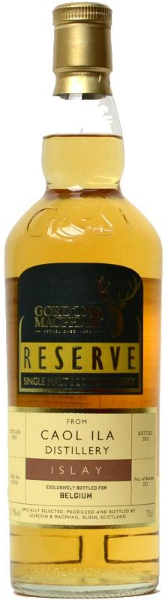
Caol Ila 10yo 2005/2015 (55.9%, Gordon & MacPhail, Reserve, 1st Fill Bourbon Barrel #301535,for Whisky Warehouse Belgium, 233 bottles, AE/JACE)

Another bottling for Belgium, what’s up, Belgium! Not all that long ago, not a lot of Caol Ila was available, and look at it now. With every turn of your head, if you are in the right place that is, there is a bottle of Caol Ila of some sorts available. Lots of OB’s to choose from, an even more IB’s. So when Caol Ila is this easy to get, with so much variation, and often fairly priced, and with nice quality, I made a deal with myself to always have a Caol Ila open on my lectern. When the “Milano” bottling was finished, I quickly replaced it with this “Belgium” one and opened it immediately. Both examples were bottled by Gordon & Macphail, but where the “Milano” was reduced, to keep the price down I guess, this “Belgium” is not. (Cask Strength hurray!) The last time I checked, Belgium is also a slightly bigger place than Milano…

Color: White wine, a bit pale though, for a first fill after 10 years.
Nose: More fruity than peaty. Lovely and elegant nose. Very fruity (initially more acidic than sweet), and fresh. Excellent. Mixed in with the fruit is a nice woody and light smoky note, but where is the peat? In a way, this is soapy and floral. Nothing bad though, there won’t be any foam to come out of your nose. Ripe yellow fruits and some smoke. Hints of vanilla from the American oak. Also a slightly spicy and this light woody note. Wonderful stuff. The smell carries a promise of a sweetish Malt. I did already mention ripe fruit, didn’t I, but there is also this note of overripe fruit, the kind that attracts insects, just before it turns bad and rots. Again, in this case, this is not a bad thing. More soft powdery vanilla from the oak. It exerts itself some more. Hidden away in the fruit and smoke, there is this floral type of peat. I recognize it now. In comes this meaty note as well. Nice development in the glass. Whiskies like this fly a bit under the radar, but are actually a lot of fun. Just a Bourbon barrel or hoggie, ten years of time, and there is a lot of beauty to behold in the details of such a Malt. It doesn’t always have to be a big Sherried Malt. Good stuff, this Caol Ila.

Taste: Sweet on entry, and here it starts out with peat. Go figure. It’s big, sweet, fruity and peaty. Warming and spicy going down. Spicy wood and dust. Cardboard and dry vanilla powder. Much peatier and smokier than the nose was. The nose and taste might differ, but work together well. Lets call it well balanced. Less balanced though is the rest of the body and the finish. The entry and the first half of the body are great, big bold, very aromatic. Second half is a bit less interesting. The balance starts suffering, and the initially well integrated aromas come undone. Turns a bit ashy, which also highlights the cardboard aroma mentioned earlier. When the finish starts, I feel this is the right time to take another sip. Something a bit off there. The wood starts to show some acidity (and more bitterness), that doesn’t fit the peaty fruit that is so wonderful in the start. It feels like the roof of my mouth contracts. So, first half of the Malt, excellent, second half, the “players” seem to lose their synergy a bit. Bugger.

The label states the distilling date to be 21/02/2005 yet only mentions a bottling month: February 2015. However, the glass bottle itself carries the bottling code AE/JACE, and, how convenient, a date: 23/02/2015, so yes, 10 years old (barely). Way less peaty then the previously reviewed Belgian offering though.

Points: 84

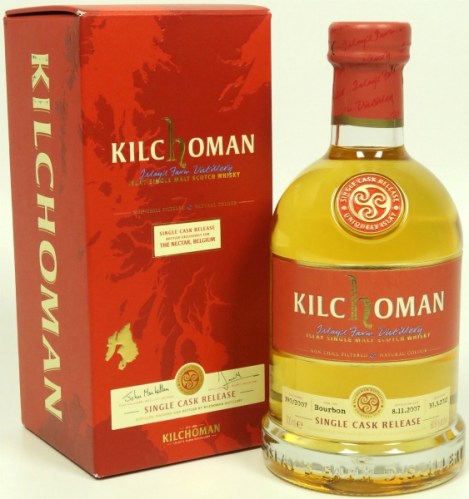
Kilchoman 4yo 2007/2012 (60.9%, OB, Bourbon Cask #390/2007, for The Nectar Belgium)

The Kilchoman I’m about to review was just bottled when I wrote the last Kilchoman review on these pages. When I bought the bottle I’m about to review, it was already an oldie in Kilchoman-time. Both this bottling and my two previous Kilchoman reviews came from 2012, the year I reviewed the 2010 Spring and 2010 Summer editions. All this already 8 years ago! Well, a lot has happened at Kilchoman since then, mostly good (f.i. they make terrific Whisky), but unfortunately also some bad (a kiln fire and an exploding boiler to name but a few).

Kilchoman is a farm distillery on the isle of Islay (Scotland). You know, the place where legends are like Ardbeg, Laphroaig, Lagavulin and a few others that are also well known in the world of Whisky. In comes this “new” distillery (Founded in 2005). Today we have a bottle that is a mere 4 years old (and some months), all the other distilleries on Islay have mostly properly aged Whiskies on the market, so can this offering be anything good at so young an age, from a fairly new distillery? I already know the answer to this, but please read on to find out for yourself.

Color: White Wine, with microscopic small cask sediment particles. Macro flavour molecules, probably a good sign!
Nose: Thick fat peat, and lots and lots of smoke. Licorice. Black and white powder. Salmiak and crushed beetles. Smoked (white) flowers and more peat. More smoke, sweet smoke and an underlying citrussy note. Fresh air, combined with a zesty citrussy aroma. Not the oily bits from the skin, but the fruit within. The fresh air then gets accompanied by whiffs of the smell of a fireplace in winter. Don’t you just like to be outside on a cold winter evening, or night, where people are burning logs in their fireplace at home? Don’t you feel the warmth of family now? Next, (fresh) oak and some dried fish, but foremost sweet licorice. This just screams peat and smoke. However, the smoke may have started out sharply, but it is not sharp now, it’s quite soft and very well integrated into the peat notes. Its almost as if the whisky itself is smoked. Very big, yet not brutal. Hints of vanilla from American oak underneath and cold sweet black tea. Very well made Whisky by these ‘novices’. It already smells the part. It may very well be only 4 years of age, but the profile of the smell remind me of Whiskies from another time. Underneath all this, there is also this sweet fruity aroma. A highly aromatic Malt altogether. Wow!

Taste: Thin toffee with lots of fresh oak, green youthful oak and quite sweet on entry. Hints of wax and cardboard. Dare I say a snuff of Talisker pepper, yes? Peat and crushed beetles are present here as well. What amazing balance in this expression. Eventually the sweetness oozes away a bit, leaving room for the body to be taken over by peat, smoke and quite some (slightly bitter) wood for a 4yo. On top, a fruity acidity, which combines just nicely with the wood and the waxy notes this Malt has. The aforementioned beetle has some staying power in to the less big of a finish than expected. The aftertaste is warming and spicy.

Well, this 4yo from the new kid on the block can really blow many offerings from the big guys right out of the water. For me, this is better than f.i. the Laphroaig Lore, which, compared to this seems a bit boring, for me anyway. You might prefer the more elegant side of the Lore, so please don’t send me any hate-mail over this. Just to be sure, the ‘Lore’ isn’t a bad Whisky at all…

Points: 87

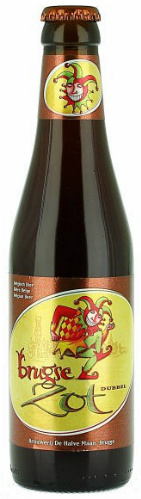
Brugse Zot Dubbel (7.5%, 33 cl)

Ahh it’s been way too long since I have reviewed a Beer. Wow, it’s almost a year back! Sure Whisky takes up a large part of my life (when talking about booze that is), but I sure do enjoy other drinks as well. I really have to do more with Beers and Rum and I have to say other drinks are also in the pipeline. Lets get back to basics (for me) and review a Beer from the number one Beer country in the world: Belgium! This time we’ll have a look at Brugse Zot Dubbel. Brugge is a really beautiful town in Flanders, Belgium. Highly recommended if you haven’t visited yet. Get yourself a Vlaamse Stoverij (Beef stew) with any great brown Beer, and you’ll be king for the evening! Brugse zot (Jester from Brugge) is a Brown Beer brewed by Brouwery De Halve Maan.

Brugse Zot DubbelColor: Red brown, mahogany with a lot of Cappuccino foam.

Nose: Fresh air and hints of citrus. Quite a yeasty, yet clean smell carried by carbon dioxide. Creamy winey honey, but all the way through it keeps its acidic freshness. Candy Sugar and only a hint of mustiness or cold dishwater. No sign of anything burnt.

Taste: Quite a lot of bitterness at first. It tones down a bit for the (lighter) body but returns and stays behind on the tongue for the warming finish, which must come from Saaz hops. Brown sugar candy and muscovado sugar, but having said that it’s absolutely not a sweet Beer. Here also that typical hint of fruity acidity. Slightly burnt sugar and a hint of vegetal and dry licorice. The unexpected fruitiness comes even better to the fore when the Beer is drunk with big gulps and chewed.

This Beer is known for its usage of six different malts for a complex aroma, but tasting this Beer now (at the right temperature of 8 C) it doesn’t seem too complex. When reading the list of malts and the usage of hops this also tastes like a beer that has been designed to be like this. It works well. Its all right by itself but probably even better with a Flemish stew as mentioned above (also made with brown Beer).

Points: 78

Piraat (9%, 33 cl, overaged)

Cleaning out the closetCleaning out the closet, I found some (but not a lot) Beers well beyond their best before dates. Most can be, and should be aged like most Trappist and some Abbey beers. This Piraat (Pirate) is a heavy blonde beer with refermentation in the bottle, isn’t one of them though. Yesterday I poured two beers into the sink, clear examples that you shouldn’t age everything. Those two were Kasteel Blond 11 and Abdij van ‘t Park Blond.
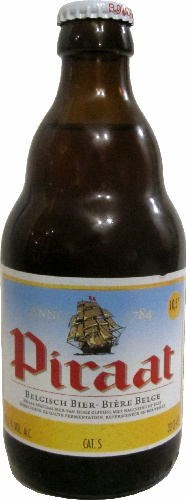
Out of that old batch comes this Piraat, and with this one I’ll take the plunge. Please don’t compare it with a freshly brewed Piraat, because the extra ageing does a lot for taste and smell. Treat this review as an experiment after which you can decide if you want to age a Beer like this. By the way, best before date on this bottle is 12/02/2010! How did that happen?

Piraat is brewed by Brouwerij Van Steenberge, from Ertvelde Belgium, which also makes Augustijn and Gulden Draak, but also Bornem Dubbel, Celis White, Leute Bokbier and Sparta Pils.

PiraatColor: Orange gold with, not a lot of, off-white foam.

Nose: Very murky, canals in the rain. Dust and lots of esters. Burnt sugar and heated orange skins, and that’s all the fruit that can be had from this nose. Not extremely pleasant, but not bad as well. Lets try a sip.

Taste: Heavy in alcohol, and the first sip is needed to was the smell away. Good warming qualities, and nice depth. The murkiness of the nose, and that has probably a lot to do with the yeast depot, shows its head in the taste too. This beer starts well, refreshing, hints of sweet banana and heavy on the alcohol. Aged alcohol, although there is no such thing. The middle is deeper due to the murky yeast and the finish has candied yellow fruits, combined with a little bit of bitterness.

First of all, before tasting this beer I didn’t think I should score it. Usually Blonde Beers that are aged too long are usually destroyed or undrinkable. This one however seems to have survived due to sheer quality? Still it has a depth to it I can’t imagine is there from the start. I can only compare this to a fresh bottle when the opportunity presents itself. For the time being, this Piraat is still a nice Beer, and therefore I’ll give it a score (but don’t take this score too seriously), since I feel a freshly bought Piraat will perform differently.

Conclusion, would I advise you to age this Beer? Most definitely not. This Beer was never intended for ageing. It probably didn’t get better after ageing, nor is it a style of beer that should be aged to boot. But, the Beer didn’t fold, it’s still drinkable and nice, where fellow Beers had to be poured down the drain, and that’s an accomplishment.

Points: 80

Grimbergen Goud 8º (8%, 33 cl)

Grimbergen Goud 8º, together with Grimbergen Optimo Bruno are the specialities in the range of Grimbergen Beers. The other beers in the Grimbergen range are the usual suspects in Abbey Beers: Blond, Dubbel & Tripel. Recently I already reviewed Grimbergen Optimo Bruno, so I’m happy to review this Grimbergen Goud 8º to complete (already) the Grimbergen Specialties. Goud 8º is a strong Blonde Beer that has an additional fermentation in the bottle, also some aromatic hops are used.
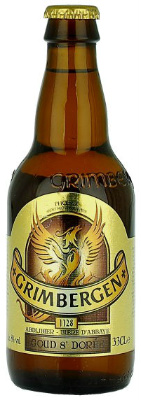
Color: Orange Gold with light yellow to white foam.
Nose: Light and fresh. Yeast, as in white bread. The nose has a summery feel to it. Also some hops, but not a lot. Dust and unlit cigarette tobacco.

Taste: Well, this tastes like a Tripel really. Fresh with slightly warming alcohol. Nice and unpretentious. Hints of esters, dried apricots and orange skin. It’s a bit of a shame, this does not continue into the finish. The finish itself is a bit sour and light. This does have a small hint of cannabis on the taste though! Although the brand is owned by Heineken, the beer does not come from Amsterdam. It is unknown how the Cannabis got into the mix 😉

Not a lot to add about this Grimbergen really. It’s not bad at all. A nice beer to drink outside or by the waterside and see people go by and enjoy. Nice Belgian Beer.

Points: 82

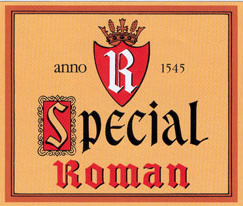
Special Roman (5.5%, 25 cl)

Special Roman is made by Brouwerij Roman from Mater, Belgium. Mater is in the Oudenaarde municipality, a region where Flemish Brown Beer is made. Brouwerij Roman was founded in 1545 as a farm brewery and inn, and has an impressive portfolio of beers. Amongst others the Ename Abbey Beers are made here as well as Sloeber and the Adriaen Brouwer Beers. In the list of products Special Roman is absent, but the page about Special Roman does still exist. Maybe it’s discontinued?

Color: Dark Brown, coffee-colored foam.

Nose: Murky, dark but also fresh. Candied Sugar, putty and hints of acidity.

Taste: Candied Sugar and unexpectedly only lightly acidic. Maybe some acidity fell victim to the additional ageing? Likeable. Malty (roasted) and hints of burnt sugar. Definitively some hops are in the mix. Not a lot of yeast is noticeable. It seems light and the finish is short. Nice stuff nevertheless. Elegant and perfumy and half-sweet. The sweetness isn’t dominant at all.

This beer is less acidic than other Flemish Brown Beers due to the use of hops. It is a top fermenting beer, and this example was aged 10 months past it’s best before date, and it aged well. 8ºC is the advised drinking temperature.

Points: 83

St-Feuillien Blonde (7.5%, 33 cl)

This time a top-fermented Abbey beer made by Brasserie St-Feuillien (recently also called Brasserie Feuillien and/or Brasserie Roeulx). It’s history can be traced back to 1873 to the Friart Family, but the name, and the history behind it is much older. In the seventh century AD an Irish monk named Foillan (Faelan) passed through Le Roeulx to preach the gospel, but before he could do that he abused and finally beheaded by highwaymen. Right there where this happened, a chapel was built in his name (twelfth century AD). The chapel was eventually extended into an abbey, and as good Belgian monks do, they brew a great Beer on site…

Those of you who regularly read my Beer reviews know I like to age my Belgian Beers. Most Trappist and Abbey beers (top-fermented) usually get better with extra ageing, but not all. Some do get better, but become dirty, with sometimes a lot of unpleasant looking yeasty flakes floating in the Beer. This St-Feuillien Blonde was aged for an extra three years (quite unusual for a Blonde, even an Abbey one). Another thing that could affect the beer is the extremely hot day we’re having. (33° C), also quite unusual for this country.

Color: Brown Gold with very fine caramel colored fine cream.

Nose: Right out of the gate, unexpectedly fresh and citrussy. orange skin and brown candied sugar. After a while this beer turns. The fresh smelling start most definitely wears off and changes into a sweet-smelling kind of funkiness like cold dish water! Absolutely strange and interesting. I guess the turn comes from the yeast warming up, and there is quite a lot of yeast floating in my glass (sets slowly).

Taste: Again fresh and syrupy. Excellent balance between the sweet, the bitter and the freshness. It’s even less acidic than expected. Very nice, lovely stuff. Very late character building bitterness comes through, with a nice fresh green spiciness to it.

Optically not pleasing with all those flakes floating around, but especially the palate is great. Probably not for ageing, but when tasting this blindfolded, I guess the extra ageing did improve this beer (and it probably changed a lot over time). I will have to try a new bottle of this Beer soon, just for comparison of course!

Points: 83