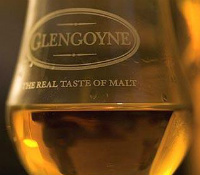
 Day three brings us another one of the three 2006 Mashman’s Choices. The first one being an American Oak Sherry Butt from 1991. That one was pretty special, since Sherry once only came from Spanish or French oak Butts and Puncheons. Today’s Glengoyne, comes form another atypical Sherry Cask, a Hogshead. No information this time where the wood came from. Charlie Murray, the Mashman, said the following about his choice:
 “In my time at Glengoyne this is the best cask I have tasted. Heaps of complexity with no rough edges.”
Color: Dark copper brown (murky).
Nose: Very spicy, old mahogany furniture. Lively, floral and elegant, and maybe a tad soapy. But altogether excellent. It’s not you usual stuffy dark sherried Whisky, nope, this is something else. Some tar, licorice and smoke! A ditch in the countryside after a nice fresh downpour of rain. Powdery and complex, it shows itself in layers, for me a sign of excellent whisky. Pencil lead and meaty. Nice expression of the wood. Elegant and refined. Smells like it was made with coal. Stunning nose.
Taste: Full and petrochemical (that’s a good thing here!). Nice wood and leafy, rotting leaves that is. Pencil shavings and tobacco. Licorice. The toast of the cask presents itself as smoke, quite unusual. The taste is bolder (than the nose), but keeps its elegance. After the full body the finish breaks down a little bit too soon. Warming alcohol. Some time after swallowing, leaves you with a beer like taste in your mouth. Did I say unusual already?
A great pick by Charles Owen Murray, it’s a great Glengoyne, but surely it couldn’t have been the best? Maybe Charlie was drunk at the time he was asked about this release, or Charlie didn’t get the chance to try a lot of Whisky 😉 It may not be the best, but very good indeed. It certainly is special, and a tad unusual to boot.
Points: 88
 Robbie is the distillery manager and Deek and Billie are warehousemen.
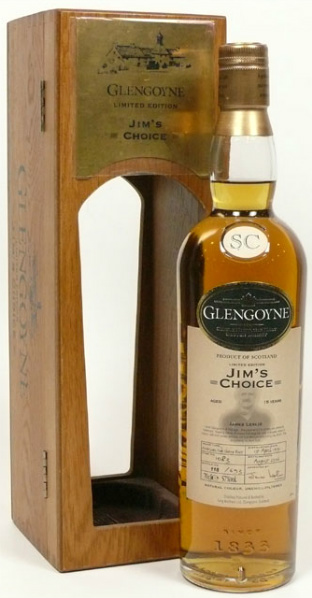 Color: Gold.
 Color: Gold
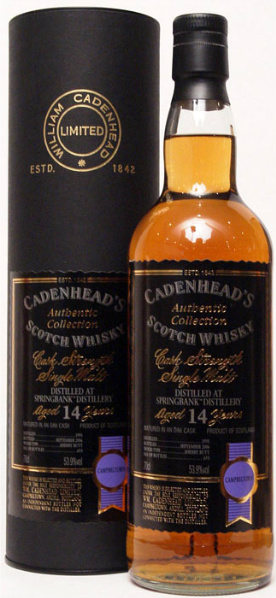 Color: Copper Gold
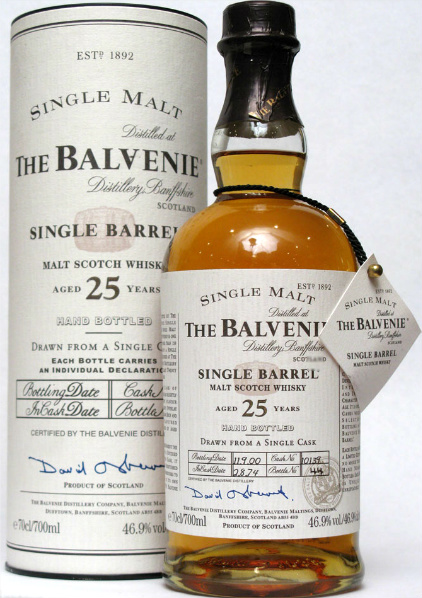 Color: Gold.
 It’s not only the bitterness that is obvious. Comparing these two there is infinitely more. That goes to show, how big the differences can be between two similar bottles, and how buying without tasting is so tricky. I would also like to point out that the reduction that obviously took place here isn’t a problem, this Whisky holds the fort. Actually it’s the best Balvenie I had in a very long time. Still no 90’s score though…
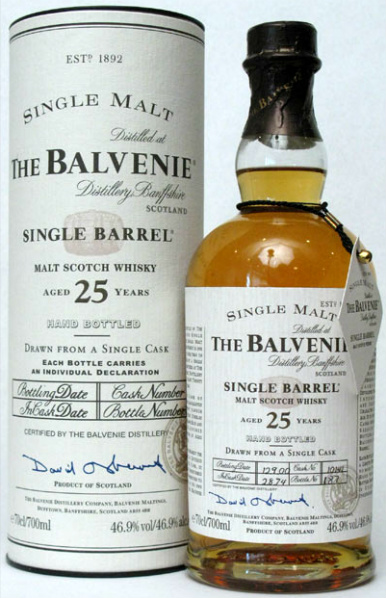 Color: Gold
 The fattiness dissipates quickly and the whisky breaks down in towards the finish. Wood attack! put this in your mouth and you think is pretty good (not great alas), but the vanilla fat is stripped, and you get hit by more bitterness than expected. The palate does lack complexity and balance. Aiii.
 First of all, the picture below is a picture of a similar bottle that was bottled at Cask Strength for Switzerland a year later. The picture is for cask #4726. Glenfarclas is great, it’s family run and most of the make is going into Single Malts, so no room for error, everything must be good. Second, it’s at its best as a Sherried Whisky and even in these times the Grants are able to make a very good Sherried Whisky. The self-proclaimed kings of the Sherried Whisky, namely The Macallan, gave up on this practice. For reasons only the marketing department will know. Good luck to them, Glenfarclas may very well be Speyside’s finest!
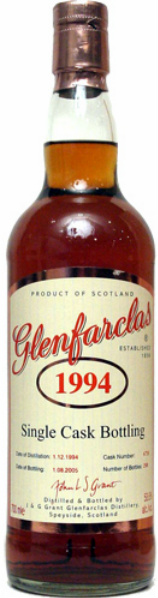 Color: Lively orange brown (like a Bourbon)
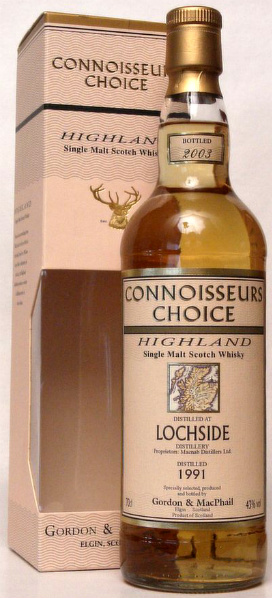 Color: Light Gold.
 Solera is an ageing system for Sherry (and other fortified wines), in which younger wines in upper rows of casks are used to top up casks of older wines stored below. Every time a batch is bottled, the wine is taken from the bottom row. Not everything though, usually up to 30% of the cask is bottled. After this, the casks in the bottom row are topped up with the wines from the casks in the row directly above, and that row is topped up with wines from the row directly above that, and so on. After a startup period this system gives wines of a consistent age and quality, even if one particular vintage is weaker than the others.
 Color: Light copper gold.
 This is number three in Tomatin’s true affordable core range. If you’re new to Tomatin and don’t want to break the bank, Tomatin offers you the 12yo, 15yo and this 18yo. This 18yo is matured in Refill Bourbon Barrels and finished in Oloroso Butts (and maybe even some Puncheons and/or Hogsheads, who knows). A Oloroso Sherry cask used to be thé cask to age your whisky in, but here the whisky was only finished in Oloroso casks.
 Color: Gold with a slight pinkish hue.
