 Langhe is a hilly area to the south-east of the Tanaro river in the Cuneo province in Piedmont, northern Italy. The black grapes used for this wine is the Dolcetto grape that is widely used in this region, where wineries favour Nebbiolo or Barbera. These wines need a long time ripening. Dolcetto on the other hand is one that doesn’t require a long time ageing, two years will suffice.
Fontanafredda was founded in 1878. The total size of the domain 250 ha. which is spread over several areas located in the villages Serralunga d’Alba, Barolo and Diano d’Alba at a height of 200 to 400 metres. Not all wines are made with grapes from their own vineyards. Fontanafredda also buy grapes from other wine makers. For generations, it cooperates with some 500 smaller wine makers in Piedmont. The origin and the quality of these bought grapes is strictly monitored. The Torremora tasted here has an ABV of 13%.
 Color: Dark ruby-red.
Nose: Meaty, mouldy, fresh plum and warm plum confiture. Boiling potatoes and wet earth. A hint of glue and something fishy. Bicycle inner tube tyre. This all may seem strange but I can assure you, it is very nice.
Taste: Fruity, but not super fruity and light in a sence that it doesn’t have a lot of tannins, enough for an easy wine. Cherries and prunes with a slight bitter edge. Just the right amount of acidity. It finishes a little bit bitter, nutty and dry. Almonds, or maybe better, the skins that you can find in walnuts.
Based on the nose and the color I expected a more heavy wine (in taste), but it’s not. It’s quite young too. I aged this a little longer than was advised (three years extra), but this didn’t do the wine no harm. On the other hand, it didn’t help the wine forward either. Still it has a great balance. The strange composition of the palate fortunately goes great together. Easy drinkable and very nice. It has a dry or woody edge to it and it has some tannins. Great with lots of typical (not to heavy) Italian foods. I wouldn’t match this up with meat though, for this it is too light. Obviously spaghetti and pizza will do quite nicely. Not overly complex and very agreeable. Nice.
Points: 84

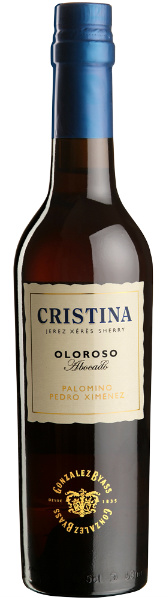 Essentially, there are three types of Sherry:
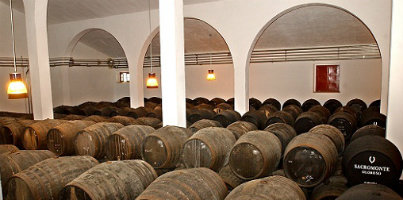 Valdivia was founded by a supplier of building materials in 2003. He bought an old property in Jerez and completely renovated it. Next was locating some old stock to be able to release a series of old Sherries. This Series is called Sacromonte and are made up of 15 year old Sherries. Here we will try a PX from the ‘standard’ series. The modern look is aimed at the new trend-conscious generation. In its young history, Bodegas Valdivia already has its third owner.
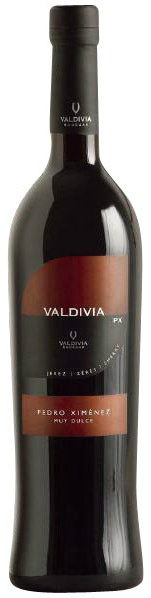 Color: Mahogany. Dark brown with a fabulous red hue.
 For me the nose is fabulous, and the taste a bit thin and short. Lacks a bit of complexity. When I finish this bottle, I will try the 15yo Valdivia.
 Early November I started a series to support the drinking of sherry to get more good sherry casks for the whisky industry. For reasons not even science can wholly explain, I picked PX Sherries as a starting point. As mentioned before, PX or Pedro Ximénez is the most syrupy and sweet Sherry around, and is considered an after dinner Sherry or one to accompany a nice (sweet) dessert. Goes well with ice-cream.
 Yes the apricots are there and some vibrant freshly made raisins and maybe some dates. Very lively and never dull, heavy or dusty.Very well balanced. Actually, this is blended so well to a nice harmony, that it’s almost hard and not even fair to look for separate markers or hints of it. The sum is so great.
 I used to drink a lot of reds and for the last six years or so I love to drink a lot of whites. Alsace was probably what set that off. But as you might have guessed, being the frequent reader you are, I drink foremost Scottish Single Malts nowadays. But it’s not all Scotch that lights our world, so I’ll definitely have to try some different things here too. This time the first red wine on Master Quill.
 Haut-Médoc is the large southern part of the Médoc district of Bordeaux in the south-west of France. The famous wines from this region are Margaux, Pauillac, Saint-Estephe and Saint-Julien. You might have heard of those.
 Here’s an appeal to all. Start drinking Sherry. NOW! Because it may be too late already. Let’s face it people. We love our whisky and we particularly love it when it’s from a good Sherry Cask. But as can be seen, prices are soaring when a nice sherry casked whisky is released these days. I’ll be reviewing some Pedro Ximenez (PX) Sherries the following days, but there is a lot more out there. You might want to try a nice Oloroso (maybe the best performing casks for whisky).
 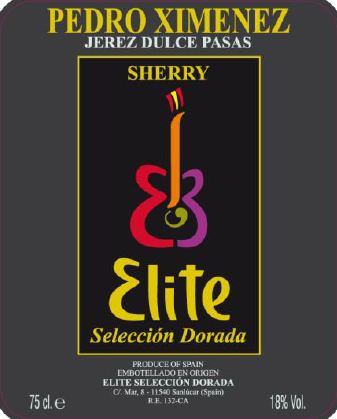 Some of you might like a dry Fino. But there is a lot out there, and a lot of differences in quality too. One thing is sure, when trying out some nice Sherries you won’t break the bank.
 Burned creamy sugar as in the top layer of Creme Brulée. The acidity is a very nice addition to the taste of this PX. It doesn’t seem to be as sweet as the competition, and it is certainly not as thick. The finish therefore, is not the longest in the business.
 The wine is a Bianco di Toscana and is 11,5% ABV from Subbiano Italy. Even the bottling date is on the bottle: 16 november 2011. The grapes for this wine are: 50% Trebbiano Toscano, 20% Pinot Nero, 15% Sauvignon Blanc and 15% Vermentino.
  It’s a white wine with a pink hue over it, that comes from the Pinot Nero and carbonates slightly.
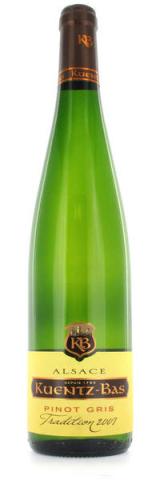 Kuentz-Bas Pinot Gris Tradition 2007, ABV 13%, Husseren Les Châteaux, Alsace
 Caves Klug Gewurztraminer 2009, ABV 13%, Bennwhir, Alsace
 Weingut Harald Konrad Fehres Riesling Classic 2002, ABV 12%, Mosel-Saar-Ruwer
 Master Quill