And here we have yet another summer Wine brought into our lives by my mother. This time from spanish giants Torres. Viña Brava is a series that convey the flavors of the mediterranean coast and in this case Catalonia. For 2013 the Parellada grape is combined with Garnacha Blanca to form a semi sweet white Wine, but this 2012 expression combines Parellada with the Muscat grape for a medium sweet white Wine. 11,5% ABV.
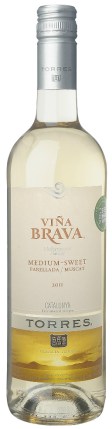 Torres has a nice website where this expression I’m about to review isn’t present. Advised drinking temperature for this wine is 10ºC (for fish and seafood), but with these 30ºC temperatures we have outside at the moment, this wine can be very well drunk with ice-cubes (as an aperitif or hot-weather refreshment).
Color: Light white wine.
Nose: Sweet, peaches and apricots (fresh ones and dried ones). It has a nice refreshing acidity as well. Lime juice and spicy. Nice.
Taste: Lemony and half-sweet. Good balance and very refreshing (I’m tasting this at the advised temperature without ice-cubes). Quite simple, but that isn’t a problem with this kind of wine in these circumstances. A very nice summer wine, like a lemonade. Clear apple juice.
Again thumbs up from my mother and my wife, and who am I to say something different! It’s easy and laid-back, luckily not too sweet with a nice acidity to it. Good.
Points: 79
 This time a top-fermented Abbey beer made by Brasserie St-Feuillien (recently also called Brasserie Feuillien and/or Brasserie Roeulx). It’s history can be traced back to 1873 to the Friart Family, but the name, and the history behind it is much older. In the seventh century AD an Irish monk named Foillan (Faelan) passed through Le Roeulx to preach the gospel, but before he could do that he abused and finally beheaded by highwaymen. Right there where this happened, a chapel was built in his name (twelfth century AD). The chapel was eventually extended into an abbey, and as good Belgian monks do, they brew a great Beer on site…
 Color: Brown Gold with very fine caramel colored fine cream.
 Color: Beautiful red salmon.
 Color: Ultra light white wine.
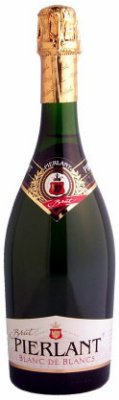 This wine is 100% Blanc de Blancs and produced with the following white grapes: Chardonnay, Colombard, Ugni Blanc (Trebbiano) & Gros Manseng harvested from: Bordeaux, Charentes and the Loire Valley. The wine has an ABV of 11%.
 Color: Orange copper gold.
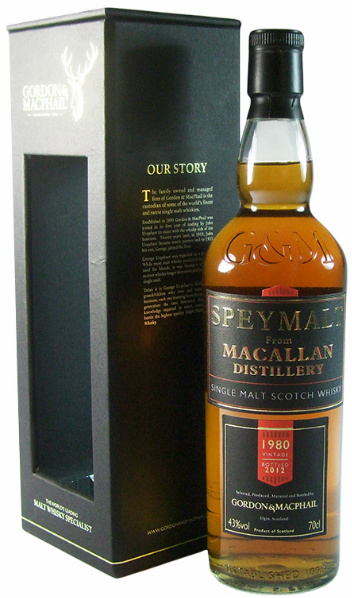 Color: Orange gold
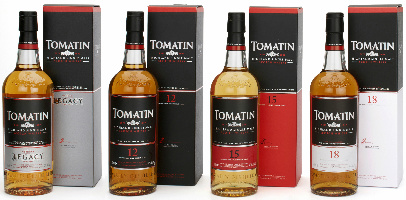 This is my last review of a Whisky from the standard range of Tomatins released by the distiller. The standard range comprises of Legacy, a 12yo, a 15yo, and last but not least, the 18yo. The age statement (or lack of it) not being the only difference. All are different in usage of casks:
 Color: Light gold.
 if you’re somewhat more seasoned and able to appreciate the added notes of the Oloroso finish , I would recommend the 18yo. Legacy and the 12yo are both alright, and dirt cheap to boot, but not my personal first choice. So for me the 18yo and the 15yo are the ones to buy, and differ strongly enough from each other to get both 🙂
 Grimbergen is somewhat of a (commercial) giant amongst Belgian Abbey Beers. Only Leffe sells more beer. It already was big when Scottish & Newcastle were the owners but when that company was bought by Dutch Beer Giants Heineken, well… Next question, is Grimbergen any good? At this point I don’t know, but I picked this Optimo Bruno to find out. Optimo Bruno saw the light of day in 1988 as a beer specially made for easter. Grimbergen Beers are made by Alken-Maes from Waarloos, not to far from the abbey. The top fermented Beers are made L’Union in Jumet. (Top fermenting means that the yeast lies on top of the wort). Last but not least, the beer did not receive post fermentation in the bottle, so even extended ageing (2 years past its best before date) kept this beer “clean” and there is no deposit.
 Color: Brown, a little bit of cream-colored foam.
 In the early eighties Pierre Gobron and Chris Bauweraerts (Brothers in law, and thus Brothers in Beer) started brewing beers as a hobby, and founded Brasserie D’Achouffe near Houffalize in 1982. Houffalize is in the Ardennes, where lots of stories are about elves (They call the leprechaun an elf).
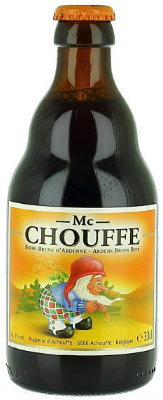 Color: Brown. Not a lot of foam, but a lot of CO2
