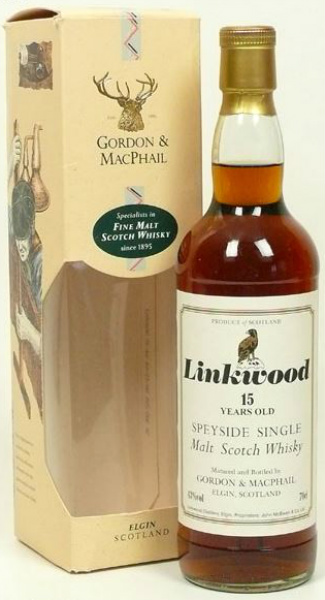
Linkwood 15yo (43%, Gordon & MacPhail, Distillery Label, First Fill & Refill Sherry Casks, Circa 2006)

Gordon & MacPhail release Whiskies in many series. Gordon & MacPhail Reserve, Gordon & McPhail Cask Strength, Gordon & MacPhail Exclusive to name but a few. Whisky Geeks call the series like this Linkwood the “Licenced Bottlings”, but I have heard the people of Gordon & MacPhail calling it the “Distillery Labels”, though both names aren’t anywhere to be found on the label. Bottlings in this series consist of Whiskies, where there isn’t (really) an official bottling of, again, like this Linkwood, and to a lesser extent Strathisla and Longmorn, like the 1971 I reviewed not so long ago, of which an official bottling did exist, although not many. If memory serves me correctly, Whiskies in this series were always reduced to 40% ABV and later 43% ABV.
Linkwood 15yo G&MColor: Light copper gold.

Nose: Dusty and funky Sherry. Slightly raisiny. Deep, dark and brooding. Nutty not fruity, so lacking the Sherry cherry of fresh and fruity Whisky. This is all but lively. Its darker and more brooding than I’ve come to expect. Very old calvados. It is apply but in a dense and syrupy kind of way. It’s some kind of hybrid between old Calvados and raisins. It is quite old and unusual smelling and definitely does not smell like a distillate from the early nineties. Hints of charred oak and vanilla powder. Nice, deep and complex. Oily baking paper. Dull brown sugar and some soft wood spices, and sometimes a short whiff of old soap.  More a sort of floral note than a real soapy note.

Taste: Paper and wood, again deep and all but fresh. Old raisins. Dried apples. Red apple skins and definitely from Sherry casks. Quite restrained. This does not shout out its presence, it more sort of sits in the corner quietly. Distant burnt note. Apart from the (burnt) woody (paper) and Sherried traits, this is also has qualities of refined sugar without being very sweet. Does that make sense? Hidden sweetness overpowered by the aroma’s described above? Second half lacks a bit of development and the finish concentrates around the wood and paper notes, with hints of old Sherried Whiskies ending in a medium walnut bitterness and of medium length. It end with the finish, there is no noteworthy aftertaste.

Actually this particular bottling, and beware there are more batches of this, is quite restrained and is unlike many of the Whiskies that are on the market today. This also makes it less likely choice for a daily drinker. Although it is alright at 43% ABV, I wouldn’t have minded some extra 3%, just to carry and strengthen the aroma’s that are presented to us.

Points: 83

Cognac Week – Day 5: Martell XO (40%, Circa 2006)

Cognac Week LogoSo the Château Montifaud XO turned out to be 30yo and was really no dud even though it was “only” a Petite Champagne. Let’s break out some, at least great looking, XO from a big brand: Martell, one of the oldest houses that still exists. Martell was Founded in 1715 by Jean Martell. Jean was born in 1694 and hailed from the Island of Jersey, the largest channel island off the coast of Normandy. In the thirteenth century Jersey was lost to the Kings of England. Jean Martell died in 1753. The business was continued by his wife and later by his sons. The first Martell VSOP was created in 1831 and in 1912 Cordon Bleu saw the light of day. In contrast, this XO was only recently created in 2005!

The bottle looks like it was inspired by an entire museum of art. But the bottle shouldn’t be the reason we buy a Cognac now do we? No, we care about what’s inside. Inside is XO Cognac created from eaux de vie aged between 10 and 35 years old. The eaux de vie come from the Borderies, Grande Champagne but also Petite Champagne and Fins Bois. The Borderies is the most prestigious region, followed by Grande Champagne, Petite Champagne, Fins Bois, Bons Bois and finally Bois Ordinaires and Bois Communs. The “lesser” the region, the bigger its size.

Martell XOColor: Dark orange brown.

Nose: Nice and beefy. Very fruity, but not as soft and smooth as I expected (again). Vanilla and cherries. Thick aroma. Sandalwood, toasted bread and laurel licorice. When smelled vigorously a small hint of dry elephant dung (never been to a zoo?) combined with licorice. Perfumy (woody notes from an eau de toilette) and very elegant. Dont drink this without at least a smoking jacket.

Taste: Thick and syrupy. Sugar water sweet, but much lighter than expected. Not very complex. A quick second sip, already shows some more. Paint and slightly acidic fruit. Syrupy feel with cherries and plain Sugar and burnt caramel. But all is happening in the beginning, so when we get to the finish, not al lot is happening anymore.

It actually tastes like a good cognac, alas one that has lost its stride a bit. Made on autopilot. Sure it has old elements, and sure it has a dark color. Sure it is nicely packaged. Not very practical though on my lectern. Just a shame this has a pretty weak finish, if you ask me. Its instant gratification, but nothing more durable. Good, very nice nose again, but actually I’m a bit disappointed. I wonder how the price of this compares to the Château Montifaud XO.

Points: 83

Cognac Week – Day 3: Château Montifaud VS (40%, OB, 2001/2006)

Cognac Week LogoDay Three already of Master Quill’s Cognac Week. Today, and tomorrow, we’ll have a look at Château Montifaud. Château Montifaud was founded in 1837 by Augustin Vallet, and by now the sixth generation of Vallet is with the company: Laurent Vallet. In between came Pierre, Maurice, Louis and Michel. Where Jean Fillioux has sort of a super premium reputation, Château Montifaud has lots of fans with the public. You get quite some quality and the Cognacs are very reasonably priced and most of the time get longer ageing than similarly named Cognacs from the big brands. Take this VS (Very Special) for instance. The youngest component of a VS is required by law to be at least two years old. The VS of Château Montifaud is five years old, and is made with grapes from the Petite Champagne region. You’ll see this “overageing” throughout the range.

Chateau Montifaud VSColor: Orange copper gold

Nose: Slightly winey, light, dusty and sweetish. Young, with already a nice depth to it. Licorice. Abundant sugared fruits. A nice one to smell vigorously. Wonderful nose, but a little bit restrained. It doesn’t leap out of the glass even after some time exposed to air. Definitely more complex than the A. de Fussigny Superieur.

Taste: Quite light. hints of licorice. Sugary sweet and fruity. Syrupy and the sweets are like half crystallized light honey. Maybe too young, but it tastes too thin. I know 40% ABV is typical for Cognac, but it just is too light. Very mellow, nothing sharp at all. Short finish, but whats there, is very nice.

Young, good stuff. Excellent daily drinker Cognac. Very friendly, not very complex, light and mellow. Great balance. If it’s there it’s in the right place. Well made and Montifaud is definitely worth exploring further. I’ve also tried a more recent version (2014) of this very Cognac, and that one seems stronger, is more aromatic, but also tends to be somewhat simpler, less complex and even thicker in its sweetness. The quality is unmistakably there though, and it still would get the same score as this earlier bottling.

Points: 83

Havana Club “Selección De Maestros” (45%, Cuba)

Havana Club is the story of José Arechabala y Aldama (Don José). In 1862 the 15yo José moved from Spain to Cuba, and in 1878 he founded the La Vizcaya Rum company in Cárdenas. He changed the name of the company to his own in 1921 and left his son-in-law José Arechabala y Sainz to run the company. In 1923 José passed away and the second José was killed just a year later by kidnappers. Gabriel Malet y Rodriguez took over, but he died already in 1926 to be succeded by Don José’s nephew José Fermín Iturrioz y Llaguno (Josechu). Under Josechu, the Havana Club brand came to be in 1934. Like so many businesses the company was nationalized on the first of january 1960, and the family moved back to Spain and the US. After nationalization, the government changed the name of the distillery into Havana Club. The Cuban government started selling Havana Club Rum in 1972 in Eastern Europe. In 1977 a new factory went into production in Santa Cruz del Norte and a second factory was opened in 2007 in San José. In 1993 the Cuban government signed a deal with Pernod Ricard, where the latter would take upon itself to “sell” Havana Club to the consumer all over the world except for the US, because Bacardi already sells a brand of Rum called Havana Club (made in Puerto Rico) in the US since 1994, after buying the name and recipe from the Arechabala family. Pernod Ricard and Bacardi, both Giants in the drinks business, are fighting over the brand and its use in the US in court ever since…

Havana Club Selección De Maestros (45%, OB, Cuba)Color: Full gold, toffee.

Nose: Just like the Cubay 10yo, this is full on aroma. Again a Rum that jumps at you from the glass, so don’t pour yourself too much at once. Somewhat less creamy and soft, but sharper and seems to have a more pronounced wood nose. A treat to nose, well-balanced but again not the most complex stuff in the world. It’s probably just the Cuban style I guess. Hints of mocha, milk chocolate and hazelnuts. Wood becomes more and more dominant. Pencil shavings and fresh succulent oak, but also a sharp dry oaky smell which transgressed into a more paper and dry leafy note. So lots of oak in the nose. Raw in a good way.

Taste: Yup oak again, but only for a short while. The sweet constituents are quick to take over. Sugar water, and creamy toffee. Quite warming and good length. This has some serious staying power for a Cuban Rum, which is supposed to be light. Quite creamy and some caramel, in a way I like my Havana Cigars. Compared tot the Cubay 10yo, this has 5% more ABV and it shows. Good length and good delivery. Fruity black tea. Overall this isn’t a very complex Rum, but it does have something of a bite and again is very drinkable and loveable. Wood. The pencil shavings from the nose stays behind for the aftertaste.

Definitely in the same style as the Cubay 10yo, but for me it even has more simplicity, which in this case is not necessarily a bad thing. Remember the Cubay has something I liked and couldn’t put my finger on? Well I still haven’t found out what it is, but this Havana Club I like as well. Overall quite nice and drinkable. I love the slightly higher ABV. On the other hand, it’s also a bit raw, good raw, and lacks a bit of complexity and development, which in this case I don’t mind. A bit young, and definitely a lot of fresh oak, but for me this one surpasses the Cubay 10yo in balance. Nice and tasty stuff but maybe a wee bit too expensive.

Points: 83

Four Roses “Single Barrel” (43%, OB, H294D, 2003, 70 cl)

After the Four Roses in disguise, called Bulleit, let’s compare it to a true Four Roses (with a similar profile). In 2012 I reviewed the current 50% ABV version of the Four Roses Single Barrel and I refered to this discontinued 43% ABV. version, calling it: “Too weak, very light and too floral and girlie for my taste”. At the time of writing I thought I finished the bottle, but as luck would have it, I found a box of archive sample bottles filled with different Bourbons I used to have. I guess it pays to save something for later! So many years later, let’s find out if this 43% ABV version is as hideous as I seem to remember it! By the way, this one is said to be 8yo and was bottled on 12 April 2003.

Four Roses Single BarrelColor: Orange gold.

Nose: Yup it’s the floral rye again. Lilac and Lily of the valley. Easily recognizable and even more pronounced than the new 50% ABV version, the only bottle I had, I forgot to fill up an archive sample of, so no direct comparison is possible, only from memory and notes. Fruity and floral, it’s almost a perfume. Powdered vanilla and coffee creamer. Almonds and fresh cookie dough. With air dusty wood comes into the fold. Elegant and perfumy. Not a lot of wood actually. Well integrated. A lot of honey is starting to emerge too as well as some turkish Delight and licorice, and anise. Don’t like how the honey and floral aroma’s turn out together. Add to that a slightly acidic fruit note, and you’ve lost me a bit. No notes of toasted cask. It comes across as a designed Bourbon. A Four Roses for people who wear a bow-tie, not for rugged lumberjacks. It is actually a Bourbon for the metro man. Although it’s not quite clear what I am, this is my least favorite Four Roses expression to date, but wait, I still have to taste it again after all those years. The nose is something I don’t always like, although I do recognize the quality.

Taste: Paper and wood, pencils (cedar). Quite a lot of waxy notes. Lightly sweet, but the sweetness washes away with the added water to be replaced with some sour, and slightly bitter oak. Honey and creamy sweetness, but here these two do a better job at integrating with each other. A bit weak on entry and not so long a finish, built around the paper and weak woody note, especially when compared to its stronger brother. Good aftertaste though, nice aroma’s return and a great creaminess is added to the aftertaste. Nice delayed effect. The aftertaste even seems stronger than the finish itself, nicer too. The move to 50% ABV was a good move. Alright, this isn’t my least favorite Four Roses anymore. Now it is the “Yellow Label”…

Even though I prefer the 50% ABV “Single Barrel”over this one. Both are well made and do resemble each other. This 43% ABV has some exaggerated floral Rye and doesn’t combine all that good with the honey and fruity notes. The 50% ABV is the same, but for me is better balanced. Having said that, this may be a tad more special, more unique, so it is definitely worth seeking out.

Points: 83

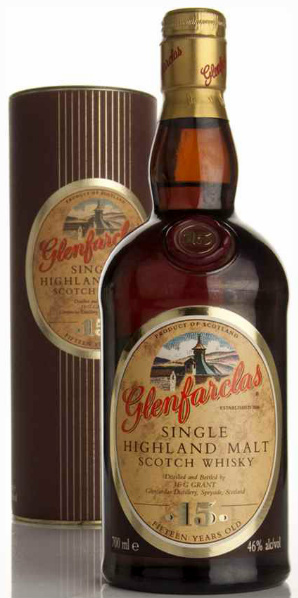
Glenfarclas 15yo (46%, OB, Circa 2006)

Almost three and a half years ago I reviewed it’s older brother from the same series, the 25yo. Rummaging through samples stored (read: misplaced) all over the place, I found this 15yo, as well as the 21yo, which I will review next. These two are samples of the standard range Glenfarclas from more or less ten years ago. Today the label look different, although the dumpy bottle stayed. So without further ado, I give you Glenfarclas 15yo.

Glenfarclas 25yo (43%, OB, Circa 2006)Color: Orange gold.

Nose: Dusty and dry, hints of Wine and Sherry. Creamy with vanilla and some nice soft oak. A perfumed woody wind seems to emanate from my glass. The perfumy, jasmine tea, bit seems more powerful with air, up to the point you could almost wear it. Next a cardboardy note joins the slightly minty florality. It smells nice, not “wrong” as most soapy notes often do. Quite some depth. Notes of roasted beef, covered in black pepper as well as toasted oak. Wow, the diversity of aroma’s the Sherry has given this Whisky is amazing. I’ll call this “oriental”.

Taste: Starts with oak and wood, with a smooth and slippery mouthfeel. Some burned oak and cardboard again. Luckily the cardboardy notes don’t ruin this Whisky at all. Warming, fruity and aromatic. Not heavy, cloying of full of raisins. Nope this Sherry is more lively and fruity. This one is bottled at 46% ABV, where as the 21 and the 25yo are 43% ABV. The slightly higher strength hold it up beautifully. Beer-like finish, some burnt notes. The Sherry returns in the aftertaste, but the charcoal, burnt wood notes never leave. Not overly complex.

Well, one thing is for shure, they don’t make them like this anymore. Although this was bottled almost 10 years ago, I can’t imagine the current 15yo will taste, and smell, anything like this. But I could be wrong. I hope I’ll get the chance to try some more recent bottlings of “standard” Glenfarclas (apart from the 21yo I’ll review next).

Points: 83

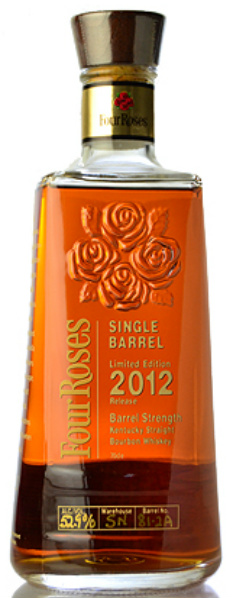
Four Roses 12yo “Single Barrel” (52.8%, OB, 2012 Limited Edition, SN 81-2R, 174 bottles)

Four Roses seems to be a very transparent producer of Bourbon. First of all they let you know everything about the ten recipes they make and how they are used in their expressions. For those of you who don’t know, There are 2 different mashbills and 5 different yeast strains, giving ten recipes. Apart from the ten recipes, the portfolio seems rather logical too. Starting off with the Four Roses “Yellow”. It is their entry-level Bourbon and is made in large quantities. Next comes a small batch and after that only single barrel expressions, the first of which is reduced to 50% ABV and the rest bottled at cask strength.

As I wrote in the last review of the “Yellow”, they can use all of the ten recipes to get the consistency you want for a bulk product, although most of it is OBSK and OESK, where B is 60% corn, 35% rye, and 5% malted barley and E is 75% corn, 20% rye and 5% malted barley. The “K” Yeast strain gives light spiciness, light caramel and a full body.

It gets really interesting when you have one of the Single Barrel expressions at hand since they can be made with only one of the ten recipes. Earlier I already reviewed the 50% ABV single barrel version which is a OBSV, where the “V” yeast strain gives light fruitiness, light vanilla, caramel and creamy notes, and “B” is the high Rye mashbill.

Today we’ll have a look at a limited edition single barrel expression bottled at cask strength and made with the OESK recipe. E is the low Rye mashbill, so I expect it to be sweeter than a “B” and the “K” yeast strain gives light spiciness, light caramel and a full body. So it should be a full-bodied, sweeter, more classic Bourbon than the 50% ABV expression.

Four Roses Single Barrel 2012Color: Dark gold copper, marginally darker than the 50% ABV expression.
Nose: Creamy and sweetish, already less woody and strict than the 50% ABV expression. It starts off with notes of hay and dry grass. Wax with a hint of leather. An old, well maintained saddle maybe? Hints of dried yellow fruits. Apricots I would say. Quite some honey after breathing, but soon after that more dry and dusty (and slightly acidic). Bad morning breath, wow.

Taste: Starts with toffee sweetness, but like the nose, the sweetness soon steps aside to let the wood through. Quite spicy and wood. The wood gives it spice, but also a more nutty and slightly acidic profile. At 12 years old this Bourbon had a lot of time to interact with the wood. The wood leaves, vanilla cinnamon and a hint of honey, but also a slightly soapy and slightly bitter finish. The finish itself starts as an attack, is long, but stays with the woody notes. Even the sweet mashbill can’t do nothing about that. Besides this, I also feel the end of the, somewhat simple, body, and the especially the finish lack a bit of balance. It’s not completely harmonious. I guess this one may have been in the cask too long. The wood won a battle with the sweetness and obviously won, where there shouldn’t have been a battle in the first place.

By the way, the picture here is of another, similar looking 2012 limited edition. The picture is for the 52.9% ABV version from barrel 81-2A, which is a sister cask of our 81-2R. Both come from the same warehouse: SN.

So what’s the verdict about our super premium limited edition? It’s a nice special edition, and a learning experience for the aficionado. I understand the pick and it most certainly is an interesting experience. So should you try it? Yes, should you buy a bottle and drink it by yourself, not really! This one is for sharing, discussion and comparing the other recipes of Four Roses.

Comparison to the 50% ABV expression is easy. That one is sweeter and more easily likeable. The difference in ABV is small, but the age probably made the difference, making the 12yo more about wood. Both are not very complex, but the 50% ABV is definitely more drinkable and better balanced, but also slightly weaker in taste. The limited edition also brings quite a lot of heat to the table. I’m trying both head to head but none is better than the other, although very different. It’s a tie!

Points: 83

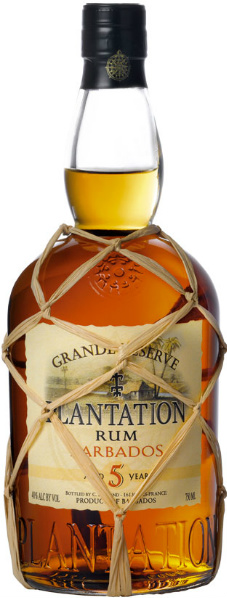
Plantation Grande Reserve 5yo (40%, Barbados)

Lying on a Bajan beach suits me, albeit only in my mind that is. That’s enough reason for me to stay on the beach for a while longer and dig up some more Bajan Rums from the sand. Today we’ll take a look at another independent bottling. This time Plantation, the Rum brand of Cognac Ferrand from France obviously. Italy’s Fabio Rossi (Rum Nation), who actually comes from Wines and Whisky, found a passion for Rum. Now the same goes for Cognac Ferrand as well. They also found a passion for Rum. The people of Cognac Ferrand buy aged Rum’s from several Caribbean distillers, ship them to France and finish them for a couple of months in Cognac casks before bottling. This 5yo Grande Reserve is no different, it gets the same treatment as the others, except this blend of Bajan Rum’s has aged less than other Plantation expressions.

Grande Reserve 5yo (40%, Plantation, Barbados)Color: Gold.

Nose: Quite closed at first and light. Fresh and fruity. Later more sweet and waxy, with hints of vanilla, yet still light and fresh. Vegetable and leafy, combined with a flowery breath of fresh air. Very friendly. Minute hints of mocha coffee, toffee and cow dung (you must think I’m mad by now). Orange flavored powdered candy. The orange note for me is to weak and to synthetic for it to be real orange. Remember this is quite light and none of the aroma’s really stand out. It’s a very introvert Rum. Let it breathe some more and yes some soft orange peel shines through.

Taste: Again quite light, weak black tea with sugar. This has enough character though. Slightly burnt sugar. Fern and a proper sweetness, although the burnt cask note hides part of its sweetness. It’s quite alright. Sometimes this reminds me a lot of Cognac. For me this is a young rum, which hasn’t picked up a lot of sweetness yet and other typical Rummy aroma’s and has quite some Cognac influence, more than other Plantation bottlings, like the Old Reserves. Medium to short finish with notes of runny caramel with a slightly burnt edge which stays well into the aftertaste. Very likable though.

A young Rum with obvious young Rum traits. Lacks a bit of depth like many of its older brothers and sisters have. Its playful and nice. Likeable and cute, with a nice dark ridge of burnt sugar and cask toast. So it’s not all lovely and cute but also has a bit of Chucky to it. So in the end this is a well made although, young and undemanding and underdeveloped Rum. I still say you should get it because it costs next to nothing and is very well made.

Points: 83

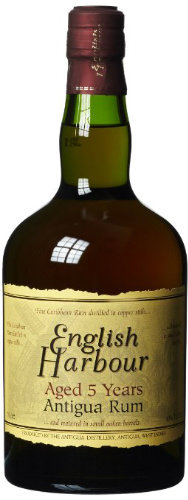
English Harbour 5yo (40%, Antigua, West Indies)

And here is another Rum in a dumpy bottle. This time, just like the El Dorado, we have a Rum with an age statement that really does mean that the contents have been aged for that period of time. Where the El Dorado is 15yo, this English Harbour only has 5 years under its belt.

Antigua Distillery Ltd. is established in 1932 with a 3-column Savalle still from France placed one year later. In 1943 Antigua Distillery Ltd. buys the Montpellier sugar estate with 2500 acres of cane field. We have to wait until the fifties to see the first Rum called Cavalier Muscavado Rum. The first Rum that was called English Harbour was released in 1990. Today the portfolio holds the 5yo we’re about to review, a 10yo, but also a 1981 vintage. This 1981 Vintage is the last of the Rum distilled on the original Savalle Still from 1933, which was eventually decommissioned in 1991…

English Harbour 5yoColor: Light orange gold.

Nose: Sugary sweet, nutty, fresh and fruity. Appetizing. Slightly dusty and some woody dryness. Fresh sugarcane-juice and hints of Bourbon. Typically vanilla, toffee, caramel and a hint of roasted coconut to finish it all off.

Taste: On entry first quite thin, but just right after that a slow, caramelly, sugary sweet sip slides down my throat. lots of toffee and creamy notes. Nougat (with hazelnuts). A distant laid back fruitiness emerges, which I can only describe as the marriage of sweet sugared cherries with dried apricots. It’s neither of the two but some sort of marriage of the two. Half long finish with a light backbone of oak, leaving a very pleasant, and slightly hot, after taste.

For the cost a very good Rum you can do anything with. The work-horse of your collection. It’s a very nice un-demanding sipping Rum, but will work excellent in cola and cocktails. Yes is may be slightly simple due to its youth, but it is highly drinkable, not too sweet, not to woody. Everything seems in its place and has no off notes whatsoever. Good stuff.

Points: 83

Compass Box “20th Anniversary of Delilah’s” (40%, OB, 6324 bottles)

Well here is a novelty from the Compass Box Whisky Co. This Blend was made for the 20th anniversary of Delilah’s, a Chicago based punk rock whisky bar Delilah’s in 2013. It was meant to go well with Beer and was intended to let it “think” it’s a Bourbon.

Compass Box Delilah'sThis Blend was made by John Glaser with the help of Mike Miller, the owner of Delilah’s. On The website of Compass Box they mention that the Whisky used has aged in a mix of experimental new American oak barrels and rejuvenated American oak hogsheads.

Color: Almost gold.

Nose: Grainy and fruity. Candy and waxy too. Very light. The nose is dominated by American oak, as I suppose John was aiming at. The (paper like) grain smells nice, and the fruitiness is nice too. Obvious vanilla from the American oak. Quite a simple offering and for me it is exactly what you would get blending Grain and Malt Whiskies, matured in American Oak. Pudding, custard. Yes all vanilla.

Taste: Sweet vanilla Ice cream, with a backbone of oak. Very tasty. Light, sweet and simple, but very, very pleasant and highly drinkable. Clotted cream. Towards the finish the oak plays a greater role, and dries the whole out a bit. The wood actually moves into the realm of pencil shavings. The finish itself is quite short, no surprise there, and leaves a light and pleasant aftertaste. It’s almost too drinkable. Well made stuff and pretty good for a modern blend.

As I mentioned above, the Blend should be close to Bourbon, and in a way it is. It is pretty sweet, yes, but Bourbon-y, no, not really. For me it is a typical mixture of a lot of grain Whisky and (fruity) Malt Whisky. It’s all about grain, malts and wood. Giving notes of wood, vanilla and cream. Sure it is sweeter than most other Whiskies, but not too much. It’s not overpowering.

Points: 83