El Dorado 15yo “Special Reserve” (43%, Guyana)

Almost three years ago I reviewed the 12yo El Dorado, and it’s time to move up a bit. This 15yo “Special Reserve” is not simply a three year older version of the 12yo, no, it’s a different product altogether. A long time ago Guyana had lots of distilleries, but today only once remains. It’s called Diamond. Every time a distillery closed, it’s still(s) were carefully removed and placed at another distillery. This went on for some time untill only Diamond remained. Diamond thus has lots and lots of stills from distilleries that are closed, and they are not the least known names in Rum, with Enmore, Uitvlugt, Versailles and Port Morant among them. This gives Demerara Distillers Ltd. (DDL) a lot of possibilities in blending their Rums.

For instance. The 12yo contains Rum that was made predominantly in a Two Column Metal English Coffey Still (SVW), a still that was originally at Diamond. Added to that is a Rum made in the Enmore wooden Coffey still (EHV).

The 15yo also has predominantly SVW with an addition of EHV, but the 15yo has more, it also has a large amount of Rum made with the double wooden pot still from Port Mourant (PM) and little bit from the Versailles single wooden pot still (VSG). Doesn’t that sound like a match made in heaven?
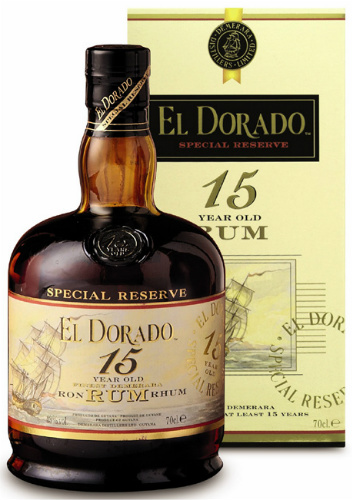
El Dorado 15yo (43%, Guyana)Color: Caramel copper orange brown.

Nose: Less sweet and it has more oak than the 12yo. The sweet part also has more depth to it. Caramel and toffee obviously with a tiny hint of latex paint. Cloves. It may sound crazy but the sweetness seems drier and has a slightly burnt note to it. Tarry maybe or even meaty. Smoked dried meat and salty and dusty Caribbean winds. On top a wonderful elegance. Add to that the spicy and vegetal note of oak and we have a winner here, well wait, I haven’t tasted it yet, but the nose is wonderful.

Taste: The oak and spiciness are the first aroma’s you’ll encounter. Burnt Sugar, slightly tarry and a faint hint of sugar itself, but yes, it’s sweet. Silky sweet. Cask toast and reminiscent of Cognac. Give it some time and the oak is not only dry, spicy, vegetal with wet wood, no, it also releases the aroma of waxy vanilla pods, which emerge like the sun coming up in the morning. Wonderful combination of flavours. Complex and entertaining. Long finish with a wonderful balanced aftertaste, with a shift in time towards vanilla. Before the vanilla aftertaste, the finish gets a bit of the fruity acidity that reminds me of the Abuelo 12yo, which I don’t care for too much. It distorts the balance a bit, but in this case the rest of the components are so strong, this El Dorado knows how to deal with that. Just sayin’. Sure, this has added sugar and it is too sweet (it dominates the finish and aftertaste). Luckily the Demerara Rum, this is, knows how to deal with it, making this 15yo a Rum worth your time and money.

No, this surely is not an older version of the 12yo. This 15yo is so good it makes the already great 12yo and simple entry-level Rum. Not true. If you want a sweet and supple Rum, get the 12yo. If you want a more woody and spicy Rum, get this 15yo. Or better, get both! This must be one of the secret hidden gems of the Rum world. This is something I will have around as long as its available and tastes like this. Excellent. Don’t get it, please leave everything for me!

Points: 88
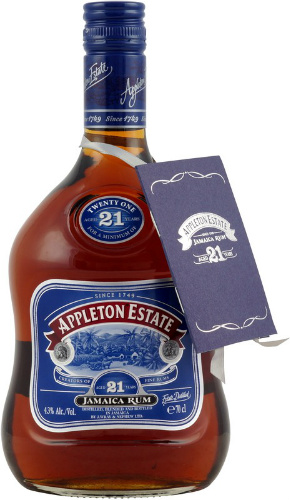
Appleton Estate 21yo (43%, Jamaica)

A long time ago I reviewed a 12yo from Appleton Estate and liked that very much. Not so hard since I love the Jamaican style of Rum making. Time now to try out the super premium 21yo. Besides the 12yo and the 21yo there are several other expressions in the Appleton Portfolio. In fact the 21yo is the super premium Rum from the portfolio and it doesn’t come cheap, ok, not really expensive either, but I see huge differences between one market and the other. On top of the 21yo comes a 50yo “Independence Reserve”, well that costs as much as a small car, but for that amount of money you do get one of the best Rums money can buy. The 12yo I reviewed earlier is the best of the rest and before that one comes a 8yo and an entry-level Rum called “VX”. Apart from that there are a special gold and special white colored Rums for ya cocktails.

Appleton Estate 21yoColor: orange Brown.

Nose: Thick and woody and dusty. Right from the start it is showing its age. Over aged old high ester rum. Jamaican and delicious. Hints of tar and dry. Over time becoming even drier. I have to say already, this is an excellent nose. Paint stripped old wood, dusty and worthy of restoration. Red apple skin and latex paint. Fresh creamy butter. Custard. Christmas pudding, without the Christmas. Dried old orange skins. Hints of very old Demerara Rum.

Taste: Quite woody. Mahogany, old furniture. Hints of old dry Demerara. Burn furniture. That slightly burnt note is very typical for Rums that have aged for a long time. I like that, but it may be an acquired taste. Decent sweetness balanced by old dark wood. Chocolate powder and hard coffee flavoured candy. Quite fruity and gives off some dry heat. Despite all this I have to inform you it’s only delicious, but lacks a bit of complexity I would have though and Jamaican Rum of this age would have. Quite a long finish though with some burnt wood and…wait for it…cow manure. Coming with the complexity, maybe even a wee bit too short aftertaste. The whole is utterly delicious though.

I tried this long ago and found it too woody then. Now it and I have aged some more, I truly like it. It’s not overly woody, but it may be a wee bit too simple, soft and a wee bit too easy-going. Nevertheless, lovely stuff, maybe a bit to expensive compared tot the complexity, but very nice and drinkable. Dare I say, again, that it has been reduced too much?

points: 88

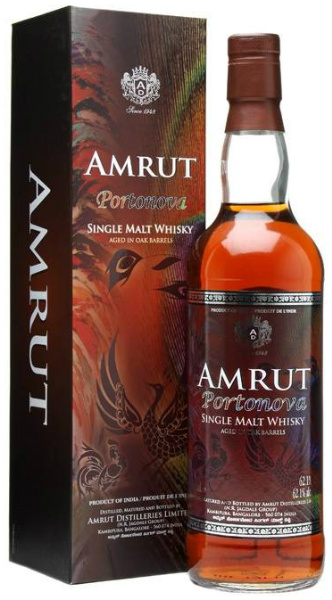
Amrut Portonova (62.1%, OB, Batch 5, 2014)

Ahhh, another Amrut. Nice. I had the pleasure to try some Amruts in the past and was very nicely surprised by the Intermediate Sherry (which I then bought) a Single PX Sherry Cask #2699 (which I then bought) and the Kadhambam (which I have yet to buy). I also tried the “plain” cask strength version, and although pretty nice, I preferred the former ones. Now this Portonova crosses my path. This time a Port finished Amrut, and yes, I have high hopes for this one too…

Amrut Portonova Batch 5Color: Light orange gold. No typical Port pinkishness.
Nose: Although this has a huge ABV, this doesn’t leap out of the glass. Give it some time and some dust and cinnamon emerges. Wow. Cookie spices, dried plums and raisins. Exotic and Christmas in a bottle. Fresh air after rain. Creamy and soft oak. Hot metal. Barley, but different from barley you get from (young) Scottish Whisky. Sweet milk chocolate and red fruit juice. Apart from this all, it has a sweet and deep feel. Exotic spices, curry, cardamom, but where is the Port? I already missed the pink hue, but I also miss its smell. Complex stuff this because there is even a lot more happening in the nose than what I noted here.

Taste: Condensed red fruits. Thick, but initially simpler than the complex nose promised. Obviously quite hot with this high ABV. The wood tastes more like paper and cardboard, than any kind of wood. Not a lot of the wealth of spices shine through on the palate, and that’s a shame. Its more a fruity Whisky with maybe some faint hints of Port. Vanilla comes next. With time if becomes more outspoken and creamy. Nice evolution though. Hints of banana in the aftertaste. Lovely.

First I have to air a disappointment. This would be a stellar malt if the spices from the nose were noticeable so more in the taste as well, without being overpowering of course. Missing the spices on the palate makes the taste of this Whisky a bit simpler than it could have been. Now that we have that out-of-the-way. The whole is still an utterly good Whisky. Very much recommended. An excellent winter warmer I would say. I will have to get me one of these soon.

Points: 88

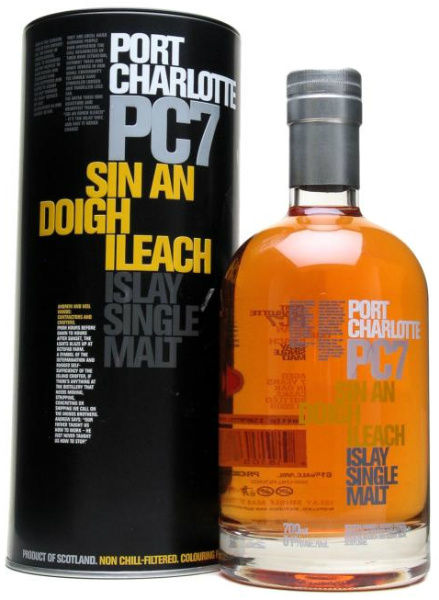
Port Charlotte 7yo 2001/2008 PC7 “Sin An Doigh Ileach” (61%, OB, 24.000 bottles)

Since 2006 with the release of PC5, once a year a PC edition is released. All distilled in the first year of distillation. As we know by now, the first distillation of Port Charlotte was done on the 29th of May 2001. In 2007 we saw the release of PC6 and in 2008 we saw the release of PC7, which we’ll review here. At this moment, I don’t have any more PC editions around, but it would be nice to follow the evolution of PC’s someday…

Port Charlotte PC7Color: Full gold.

Nose: Funky and meaty. Can this be Sherry influence? Pudding. Pencil shavings and mild fatty peat. Very creamy with small hints of banana. Nice interaction between the wood and vanilla. Cold black tea. Perfumed tea mixed with breaths of fresh air. Hints of sweetish yellow fruit yoghurt, what? Peach, passion fruit & maracuja. Heaps and heaps of aroma carried by a menthol/mint concoction. Hints of, wood, hay, ashes and again licorice like the An Turas Mor I reviewed last. Again good stuff to nose.

Taste: Powerful ABV yet not as warming as the An Turas Mor. It’s ABV does dry out the throat a bit. Creamy. It’s all there again. Lets call this vanilla pudding, shall we? Vanilla pudding with salt and pepper, that is. The way the peat comes across in Port Charlottes, makes them very tasty. Aloe Vera lemonade and hints of florality. Nicely integrated wood. Here we have some more wood to function as a backbone. Vegetal notes whiff in and out and the wood is somewhat floral. Slightly salty. Latex paint and mocha. Hardly any bitterness at all. Port Charlotte is growing more and more complex. Still its quite youthful and that shows in the weaker finish compared to other Islay Whiskies. But don’t worry, there is a lot going on before the finish.

Really nice distillate Port Charlotte. Well made stuff.

Points: 88

Grappa Week – Day 7: Nardini Grappa Riserva (50%, 70 cl, L.08/07)

Grappa Week LogoAlready the last day of the Master Quill Grappa Week, and we’ll close this off with a Grappa of one of the oldest and most important Grappa Distilleries around today. Nardini has a market share of 25% and produces 4 million bottles per annum.
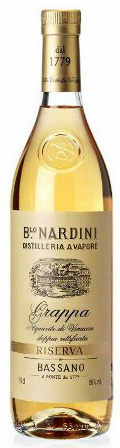
The Nardini distillery was founded by Bartolo Nardini in 1779. Bartolo bought an inn (Osteria al Ponte) near the Bassano bridge a.k.a Ponte Vecchio, across the Brenta river. This inn became the Grapperia Nardini and still exists today. Nardini is still run by members of the Nardini family, by now the seventh generation. Today Nardini has two distilleries: one in Bassano del Grappa and one in Monastier where besides Grappa also Liqueurs and Amaros are made.

This Nardini grappa has been distilled two times in a traditional, a discontinous and a vacuum steam still, across both distilleries. The Grappa from both distilleries are then blended and aged for at least three years (according to the Italian site) or five years (according to the UK site), in Slavonian oak barrels. The grape pomace is taken only from the foothills of north-eastern Veneto and Friuli.

Nardini Grappa RiservaColor: White wine

Nose: Old dried grass. Apple skin and cold, lightly sweet apple compote (as opposed to an acidic one). Very restrained. Brooding, you sense a lot underneath. Vanilla and oak, licorice and juniper. Unlit cigar, excellent Havana Tobacco. Warm the glass up in your hand, very important for this liquid. The smell is natural, lightly fruity, perfumy and the usage of wood is apparent. Lots of Grappa’s are “enhanced” with sugar, but this one hasn’t got the sweet nose like many others. Extremely lovely stuff, this Grappa.

Taste: Cigar box and tobacco. Lightly sweet, but all in good balance. The sweetness, that is mostly apparent when entering the mouth, is balanced with tannins from the wood (can’t imagine it coming from the grapes). Pine and cedar. The higher ABV of 50% really delivers the aroma’s of this Grappa perfectly. Underneath the cigar (box) and the Tobacco lies a great fruitiness. Fresh green apple.

From a Whisky drinkers perspective a very nice Grappa. Balanced, dry, noticeable wood influence without the predominant hay and grass notes. What a stunning nose. It gives off layers and layers of niceties. Easily the best Grappa I’ve tasted. Great product. I’m impressed by the nose, I just hope all batches are at least as good as this one, (L.08/07). This is a must!

With this Nardini we conclude our (ad)venture in the world of Grappa. Grappa had, and maybe still has a troublesome reputation. Lots of people consider it to be a not-so-nice and harsh distillate. I guess the lesser gods of Grappa making are trying to do something about that by adding lots and lots of sugar to their products as could be seen with the first few reviews from this week. I for one do not like that. Luckily also good and very good Grappa is made, although outside of Italy we only know the big brands, but insiders from Italy know there are lots and lots of artisanal Grappa producers who make very good Grappa’s, so maybe it is time to plan a holiday to Italy. Still there are a few very good Grappa’s around that are widely known, like this Nardini. Not breaking the bank and making a very good Grappa. Salute!

Points: 88

The Benriach 18yo “Dunder” (46%, OB, Limited Production, Peated, Dark Rum Finish. 1888 bottles, 2015)

After the Irish Teeling Blend and the Old Malt Cask Clynelish, why not make it a trio and try this new release from Benriach, wich was also finished in Rum casks. Out of the closet it came and onto my lectern, where I popped the cork of this Benriach “Dunder”. Dunder is the name of the residue left behind in the still after distilling Rum in Jamaica. The Dark Rum finish was done in casks that once held Jamaican Rum. I love Jamaican Rum, so I’m very interested what the Rum casks did for this peated Whisky! Yes you’ve read this right, peated Benriach, finished in dark Rum.

This is the second release in Benriachs new series called “Limited Production”. The first release was another peated 18yo, finished in PX casks, which was called “Albariza”.

Benriach DunderColor: Full gold with a slight green tint.
Nose: Nicely vegetal, soft and peat, reminding me of black coal. Niiiiice. Good peat. Lots of depth and quite juicy. Smoke, earthy and full of spices. Meaty smoke and a minty/menthol note. Not a lot of Dark Rum is noticeable though. The peat is simply the main marker here. If anything, the Rum brings balance to the nose. The peat aroma is quite strong without being hit in the face with it. Its strong and laid back at the same time. Balanced. Behind the peat is a sweeter, more creamy note that acts as a vehicle for the peat. Big peat, small vehicle. Like an elephant on the roof of a mini (the original mini, not the BMW giant mini). This needs a lot of air, and I just opened the bottle. This will get better over time. Over time the peat retreats a bit, letting through more smoke and a more buttery, creamy smell as well as some fruity acidity. Citrus (but not the skins). This is getting better and better (but still no high ester Jamaican dark Rum).

Taste: Estery sweetness, thick, you can cut it with a knife, but it’s not as sweet as those sugary Rums, since the overall taste is pretty dry and smoky. Spicy. Hints of paper. Lots of smoke, licorice and a not completely integrated acidity (like drops of lemon juice on fresh butter). All of this is combined with hints of banana. Intriguing. Extremely well-balanced. Warming. The right amount of time was used for finishing this, although it may have benefitted from a little bit more Jamaican Rum (and sweetness) in the mix. Maybe it should have aged a little while longer. Vanilla and Demerara sugar are present, still not very sweet. The Rum does show itself, especially in the finish, without it being typically Jamaican, apart from the high ester entry mentioned above. Hints of red berries with vanilla and smoked almonds (without the salt). What a nice surprise this is.

Points: 88

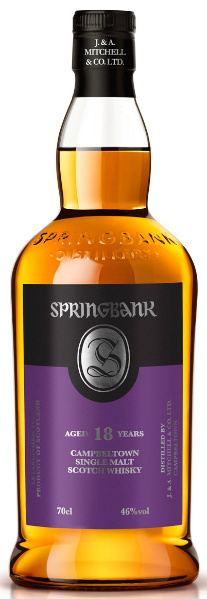
Springbank 18yo (46%, OB, 14/301)

Reviewing the utterly wonderful Glenfarclas 29yo I came across some notes and hints of coconut. Coconut is something I always found a lot of in old Springbanks, so Springbank stuck a bit in the back of mind, when I was tasting the Glenfarclas. Very conveniently, I have an open bottle of Springbank 18yo on my lectern, so lets see if this Springbank still has a hint of the old coconut up its sleeve. If I’m not mistaken, this Springbank is made from 80% Sherry casks and just 20% Bourbon. Lets hope the Springbank coconut is not (only) from the Bourbon casks.

Springbank 18yo (2014)Color: Gold.

Nose: Ferns and leafy. Garden bonfire (smoldering grass). Lots of forest floor aroma’s. Partly creamy. Sowing machine oil and slightly smoky. Sweet cold black tea. Give it some time and this actually is a beautiful nose. Red fruit juice and sweet red apples, but also some Golden Delicious, combined with hot metal. The smell of dead, old steam equipment. When given some more time to breathe some nice yellow fruits come through. Dried apricots combined with mint. Very fruity Sherry, almost a sweet white Sherry. It also reminds me a bit of Sauternes and sweet Moscato. Fabulous balance. Wonderful batch of Springbank 18yo. However, no coconut in the nose.

Taste: Sweet, oily and nutty. Fruity as well. Strange enough when the fruity part comes the sweetness hops into the back seat, so even though the fruity bit is highly aromatic, it isn’t sweet. So not a lot of fructose nor thick fruit, but a thin kind of yellow fruit. Slightly perfumy as well. Well balanced and everything stays in its place. Not a lot of development over time. Nice smoky note too and the sowing machine oil is present as well, but alas no coconut.

This is great stuff, but I still think this is not a Whisky for everybody. It’s not a lovely, fruity and soft Whisky. This is more a Whisky with muscles. A masculine dram with oil and smoke. Although almost three times distilled, it is miles apart from the typical triple distilled grassy and citrussy Lowlanders. Artisan Whisky from a lovely distillery.

Points: 88

Aberlour ‘A’bunadh’ (59.8%, OB, Batch No. 13, 2005)

By now, batch no. 50 is the latest A’Bunadh released and when you are reading this, the number will be even higher. Saying that the A’Bunadh is a pretty popular bottling. Whisky always was intended to age in Oloroso Sherry butts. Today however, in general, there seem to be more Sherry butts available than the consumption of Sherry seems to warrant. Saying? There are some nice NAS Sherried Whiskies around, Glendronach, Benromach, The new Tomatin, but none of those are so heavy as this powerhouse from Aberlour. On average around 4 batches of A’Bunadh are released every year. Furthermore what makes A’Bunadh exiting, from my anoraks point of view, is the batch variation. Most batches are great and definitely worth the money. Sometimes something less interesting pops up like the notorious batch no. 40 from 2012. A few others from the 40’s range, were slightly less than perfect. I hope that’s not a trend. To be sure not to encounter another dud, let’s try an older version of A’Bunadh, with this lucky batch no. 13.

Aberlour ‘A’bunadh’ (59.8%, OB, Batch No. 13, 2005)Color: Copper gold. Not extremely dark.

Nose: Creamy raisins and vanilla. Creamy with a little backbone provided by toasted oak and maybe from the Sherry. Some more wood, typical oak, and some dust. A lot friendlier than I remember batch no. 33 was. pencil shavings. This is a tale about wood, just without the rawness of batch no. 33 (which actually came from the Sherry, not the wood). Creamy, raisiny and sweetish. With wood. That’s it. Not a lot of complexity, but also lacking some red fruits, Oloroso butts can give off. Nevertheless a very nice smelling dram.

Taste: Chocolate, Ferrero Rocher cherries, than wood, fresh oak and pencil shavings (cedar) and some hints of coal. Quite hot (not raw) when sliding down my throat. A classic combination of aroma’s from soft Oloroso. (It lacks the meatiness batch no. 33 had). Nice hints of mocha and whipped cream. Tiny hint of bitterness gives the finish some oomph.

I haven’t tried it myself yet, but I understand this takes water very well. That is an indication of a high quality cask (and Sherry it held), since more recent bottlings can get very hot, very hot indeed when water is added.

OK, why not. With water the whole softens up a bit, and brings the aroma’s closer together. The wood seems to stick out a bit more, which isn’t a problem. It momentarily also enhances the fruity part, and the bitterness of the finish. Toffee, caramel and oak.

Points: 88

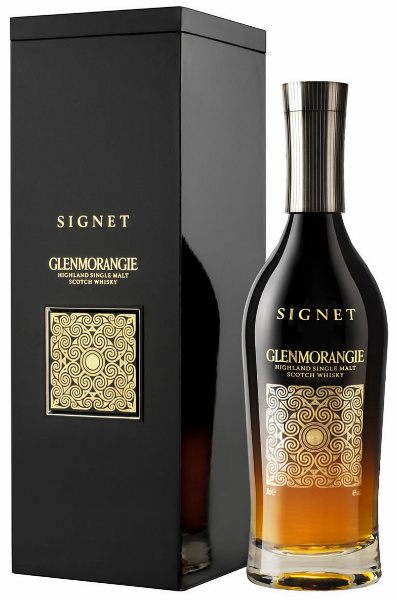
Glenmorangie Signet (46%, OB, White Oak, Oloroso Sherry Finish, Circa 2012)

I never was a big fan of Glenmorangie. Early on in my explorations of Single Malt Whisky I came across the litre bottle of the 10yo. Good value, looked great. Wow a litre bottle even. I didn’t like it. I had bought some other expressions but when I had the chance to taste them elsewhere I was quick to sell them off. Never regretted it since and in fact never came across a Glenmorangie I really liked. Well one I did like, a 30yo 1972/2004. Rare stuff. Ten years I didn’t look back and never got interested in Glenmorangie again. Just one of those malts that didn’t suit my tastes I thought. Recently I got a sample of the extremely rare 18yo and yes, that one was so nice and drinkable that I got myself a bottle of that. Great golden box too. If you ever going to bury a small pet, look no further than Glenmorangie 18yo. After that I accidentally had a blind tasting of the new 10yo and again didn’t like it. Back to the Whisky. Glenmorangie’s Dr. Bill (Not Dr. Phil) was experimenting a lot at Glen Moray, and when all lessons were learned, Glen Moray got obsolete (and sold off). Maybe not entirely for that reason. Glenmorangie started to churn out great designer Malts. Maybe not the 18yo, which still has an age statement and is more old school I guess, but probably true for this Signet. Just look at the design of the packaging here! Signet is a NAS Whisky and besides the white oak and the Oloroso finish, is known for the usage of heavily roasted chocolate malt. Glenmorangie SignetColor: Light copper gold. Nose: Malty and fresh. Citrus lemonade with a burnt caramel twist. Fruity and very likeable. Am I going to be surprised with another decent Glenmorangie? The white oak is discernible, but not very up front. Also some toasted wood, or maybe the toast comes from the chocolate malt? The white oak is masked just like the peat in good old Laphroaig 10yo was masking the heavy sweetness of the Malt. The masking agent in this Glenmorangie being sweet-smelling Oloroso Sherry. I have to say it is what you would expect considering “the ingredients”. Well crafted stuff. I hope this is what it is by design then and not trial and error at Glen Moray. Wink, wink, nudge, nudge. Taste: Sweet Sherry, petrol and nice warming wood. Fresh untreated oak (not the toasted oak from the nose). Vanilla creaminess grows stronger in the finish and has great staying power, where the body seemed to be light at first. Silky burnt notes or silky tannins, are accumulating in my cheeks and are a pretty nice complement to the creaminess. Better finish even as the 18yo, which should have been bottled at 46% too. Both the nose and the taste are nice and both are about aroma. However if you are looking for development and/or complexity, not the case. You quickly understand how this Malt tastes and that’s where it stays. probably the reason this is a NAS bottling. Don’t get me wrong, Dr. Bill did a great job making this, designing this Whisky. It is really good and a must try if you get the chance. Its different from the 18yo and twice the price. I hope one day a Signet with more age will see the light of day. A version with more complexity and foremost more development in the glass.

Points: 88

Tamdhu 23yo 1987/2010 (46%, Mo Òr, Oloroso Sherry Butt #3649, 656 bottles, 500ml)

Earlier I reviewed two young Tamdhu’s, a 2004 and a 2005 bottled by dutch indie bottlers The Ultimate (Van Wees) and both turned out to be pretty good. This time we’ll have a look at a much older 1987 bottling by another dutch outfit, this time Mo Òr (The Whisky Talker). Tamdhu’s are usually pretty good when matured in Oloroso, so I’m guessing this also wil not be too wonky.

Tamdhu 23yo 19872010 (46%, Mo Òr, Oloroso Sherry Butt #3649, 656 bottles, 500ml)Color: Orange gold.

Nose: Lovely creamy Sherry. Nice alcoholic nuttiness. Clay and cask toast. Not too cloying and can be even called fresh, like in a breath of fresh air (carrying a little bit of dust). Licorice mixed with a hint of burnt leaves. Very aromatic, just move it around in your glass and lots of aroma leaps out of the glass. Creamy vanilla and some good oak. Nice balance and highly aromatic. Medium complexity but very appetizing.

Taste: Creamy with licorice and cask toast. Warming, and half-sweet. Clotted cream. However, already from the start this has a “thin” quality to it, which is remarkable since the nose was so aromatic and full. In stead of the creamy and honeyed sweetness, it starts with a sharpish burnt note. Charcoal and in the background a tiny hint of sulphur. The vanilla cream comes later. Smoky toffee. Warming with good creamy sherry and although the start was thin, the finish does linger on a bit.

I’m guessing this was better at cask strength. Very appetizing. good stuff and the kind of Whisky you’ll want to have first when this is in your collection, so easily drinkable. A bottle that will be empty soon, also because it’s only 500ml. Yup, not wonky at all.

Points: 88