Tamdhu 15yo 1991/2006 (60%, Adelphi, Bourbon Cask #1955, 257 bottles)

Well let’s continue with another oldie, shall we? Clear out some of the sample bottles to fill it up with something new. This is Tamdhu, and Tamdhu is not on Islay, nor will this Whisky be peated. I expect a lot of this Whisky. First of all it’s Tamdhu, which makes a lovely distillate. It’s bottled by Adelphi, a bottler so good, it almost seems as if they can pick any cask they like. This has 60% ABV and just look at the color. Yeah baby, bring it on!

Color: Orange gold.

Nose: Wood and sometimes a hint of an aromatic White wine. Very spicy. This must have been a very active (toasted) cask. Although you might think this cask previously held some sort of Sherry, I hardly doubt it. Creamy vanilla. American oak, all the way. No Sherry notes whatsoever and yet pretty sweet-smelling, although the dryness of the oak, soon takes over, to never let go. Ehhhm, is this all? Hints of fresh air, but it’s mostly all aroma’s that have to do with oak. It’s definitely not overoaked, mind you, but it seems to be rather mono-dimensional. I’m actually a bit disappointed now, since this is Tamdhu, from Adelphi, which has a reputation, and it’s 60% ABV. I love cask strength. Still, nothing happens for me. Sawdust and hot oak. It smells a bit like a carpenters workshop. This definitely could have done with some blueberry notes, now it smells a bit, dull…

Taste: Initially quite sweet, and again, everything you’d expect from an ex-Bourbon cask. Vanilla, powdered vanilla, creamy pudding, instant pudding powder. Milk chocolate (powder) and a totally different green feel to it, as well. My heart skips a beat right now, because, this is more or less it. Lots of oaky notes, and a strange sweetness. Not a lot more is coming to me to be honest. Earlier I already thought my nose was failing me, but tastewise I don’t “see” a lot of evolution in my glass. WYSIWYG.

Although Adelphi claim*, Tamdhu prefers ex- Bourbon casks, I guess the statement from the Adelphi website, reproduced below, is not entirely correct. What the good people at Adelphi probably meant was that Tamdhu might favour Sherry casks made from American oak, which is still a Sherry cask, and not an ex-Bourbon cask, which, yes, are also made from American oak. This particular example has no flaws, it’s nice, but it almost has no complexity, nor does it evolve a lot after pouring or whilst drinking. I’m pretty sure I will forget rather quickly, how this tasted like, and I hardly forget the taste of a Whisky. Go figure. (When reading this last sentence in November 2021, I indeed really forgot how this Tamdhu tasted like. I’m actually amazed a 15yo Tamdhu from Adelphi scored so relatively low).

Points: 83

* 15 Yr. Old Speyside, 1 of only 257 bottles from cask no. 1955

The make from Tamdhu has always impressed us for its consistency, but this cask is as good as any we have ever seen. The distillery favours American oak, ex-Bourbon casks, and this is no exception, only the whisky is such a deep amber that it might have come from a re-fill butt. The first nose is of soft sponge, filled with vanilla cream. After a short time a delectable perfume emerges (face cream or hair lacquer), and then a floral note: geraniums in a pot (there’s a mossy note as well). With the addition of water the provenance of the cask comes through loud and clear, but it retains the delightful floral/perfumed aroma, joined by a sherbert-like ‘sparkle’. A smooth mouthfeel and a flavour which remains sweet throughout, leaving an aftertaste of white chocolate. Try it frozen, with dessert!

Caol Ila 10yo 1996/2006 (57%, Berry Brothers & Rudd, Cask #732-735)

Here is an old one from the dungeons of Master Quill’s castle. (Independent) Caol Ila #11, yes another Independently bottled Caol Ila. The eleventh already on these pages, and I have yet to review an official bottling of the stuff. It’s not as if there aren’t any around now, aren’t there. Although it is a sunny day today, the nights are still cold, so no problem whatsoever to pick me another peaty dram. This time we’ll have a look at a Caol Ila bottled by independent bottler Berry Brothers & Rudd. Although it was distilled back in 1996, it is a mere 10 years old. Young Islay Whisky with a healthy ABV. I expect a nice peaty Whisky. I remember a 1996, which was also 10yo, bottled by Cadenhead’s which I liked very much. I have one of those lying around, so if this Caol Ila turns out to be great, maybe I’ll break out that one as well. Or is it time for an OB? Only time will tell.

Color: White Wine, straw.

Nose: Peaty, but in a christmassy way. Dried orange skins with cloves. Spicy. Otherwise clean. Slightly sweet, aromatic, yet light. Soft wood, almost like cardboard. Definitely refill Bourbon, and the color shows for it. Hints of pepper and overall very friendly. I no way does this smell like a Whisky with lots of alcohol or peat. Appetizing. Next the usual suspects when reviewing Whisky aged in refill American oak. Soft wood, butter, creamy and vanilla. Hints of coal and dust. What’s especially nice is the peppery bit. It suits the nose well, pulling it more to the middle, away from too much creaminess or sweetness.

Taste: soft spices, hints of cannabis and crushed beetle. I only got cannabis in some Bunnahabhains up ’till now. Nice balance. Wow, very soft indeed. Creamy and ashy. Here the ashes replaces the pepper from the nose. Nice green notes as well. Even an Islay profile like this, seems to be already gone from modern peated Whiskies. It doesn’t smell like a high ABV. Whisky, but it also doesn’t taste like one. The profile is so soft and warming. The peat is soft as well, so no heavy hitting Islay here. Spicy, green, ashy and now also fruity. There is an acidic note and the fruit closes to the aroma I pick up on is apple. Green apple, but also cooked apple. Apple sauce. However, this Whisky has also a soapy trait, like cold dishwater at the end of the body, well into the finish. This brings the whole down a notch. There is this brief moment I have to “get through” before the finish picks itself up for the very rewarding and warming aftertaste. This Whisky has a summery feel to it. Countryside in the sun, with fruity and floral bits thrown in.

Amazingly soft and totally different from what I expected. No heavy peat, no heavy alcohol, and not big at all, but friendly stuff, with a kind heart. Smells great. This has a lot of nice and almost rare aroma’s to it. It seems like something distilled longer back than 1996. Yes I’ve got it, this is a melancholic Whisky, which is able to move you, when remembering the carefree good ol’ days…

Points: 85

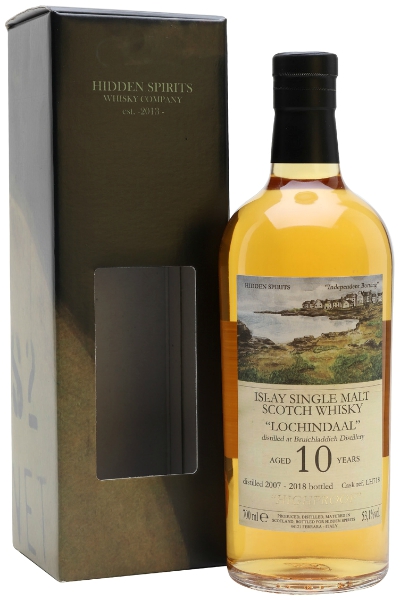
Lochindaal 10yo 2007/2018 (53.1%, Hidden Spirits, 235 bottles, LH718)

Bruichladdich, today, is known for their three brands of Whisky. The “unpeated” Bruichladdich, the heavily peated Port Charlotte (40 ppm), and the super heavily peated Octomore (80 ppm and higher). In november and december of 2007 Bruichladdich also made a heavily peated distillate at 50 ppm called Lochindaal. The Lochindaal spirit is named after a distillery. Lochindaal is one of the names, Rhinns was another, for a distillery we now know better as Port Charlotte, which started up in 1829 and closed in 1929. The Octomore spirit is also named after a distillery which operated between 1816 and eventually closed in 1854, Operations halted much earlier around 1840.

There were plans to reopen/rebuild the Lochindaal/Port Charlotte distillery and for this purpose in 2005, the Spirit and Wash stills from the Dumbarton complex, that once made Inverleven Whisky, were acquired. Dumbarton closed down. The Lomond Stills from Dumbarton (making a Single Malt called ‘Lomond”) are now used at Bruichladdich for The Botanist Gin. Lomond was mothballed in 1985 and Inverleven in 1991. In the end the whole Dumbarton complex was closed in 2002 and demolished in 2005 and subsequently the stills transferred to Bruichladdich. The Inverleven wash still was put outside the distillery on show, and the wash still was put in the Lochindaal/Port Charlotte distillery. Both stills never ran on Islay and were yet again transferred, this time to Ireland for the new Waterford Distillery, so I guess the reopening of Port Charlotte is put on ice for the time being.

Lochindaal was made available to the public, at the time, for £1850 a cask. The plan was to fill around a 100 casks a year and to keep making this distillate. Hardly any information can be found on that plan, so I have to ask around. By now we know that Lochindaal never really saw the light of day as a brand for themselves (yet), because in truth, what would it have added for the discerning Malt aficionado, or the public in general, when you already have Port Charlotte which is also a heavily peated Malt. Nevertheless, examples of Lochindaal, made in 2007, in 2009 (september) and 2010 (december) were bottled, and maybe more will be bottled in the future. So casks do exist, and maybe casks are still filled with the Lochindaal spirit. Most Lochindaal is bottled by independent bottlers or as private casks, by the people who bought the casks mentioned above. Be warned, since it seems to be quite rare, prepare to pay a little extra for a bottle of Lochindaal.

Color: Light gold, piccalilli yellow, when the sun hits it.
Nose: Creamy. Pudding, custard, warm butter and vanilla with smoke on top. Excellent. This creamy bit really reminds me of the Bruichladdich Islay Barley expressions. Like the 2007. I If you ask me it’s essentially a peated Bruichladdich (in style). Hints of soft black pepper and soft wood and mocha. Very appetizing. Fresh and somewhat fruity, but the creamy bit is where this Malt is all about. Give it some air and it develops even more, with an even more floral note. Salt and pepper come to mind on more than one occasion whilst nosing this. The oak, nice because it gives a backbone, shows itself quite late. The creamy bit is quite dominant. yet, if given even more time, still more is revealed, and the balance grows as well. more oak and paper notes. Spices adding depth. With even more time, a funky acidic note comes forth. Interesting. The peat is wonderful, soft and brooding and on top of that some fatty smoke to finish it off.

Taste: Fatty peat and stinging smoke. Big aroma. Black pepper attack like the best of Talisker. Peat lingers in my mouth. Warming and brooding upon a layer of toasted barley. Winter warmer this is. Almonds and ashtray aromas develop in my mouth. Hot motor oil, and a more winey note? All this accompanied by some lemon and lime freshness, zest and acidity. Big upon entry, but somewhat less big in the body-department. less creamy bits making for a slightly thinner experience, making room for the sharper smoky notes. However the pepper and the peat and the half-strength creamy backdrop do steal the show here. Long finish with an even longer aftertaste. It goes down like treacle!

I really like the 2007 Islay Barley Bruichladdich and I also liked the 10yo Port Charlotte and Octomore is nice as well. This Lochindaal is no exception. Easily recognizable as a product from this distillery. A rarity at 50 ppm. Well made but as I said, not terribly different from the rest of the output from this distillery. It’s very good, I really like this Lochindaal, but if you want to pay, or do you need to pay an elevated price for this and most other scarce expressions, is entirely up to you.

Points: 87

Grazie mille, Andrea!

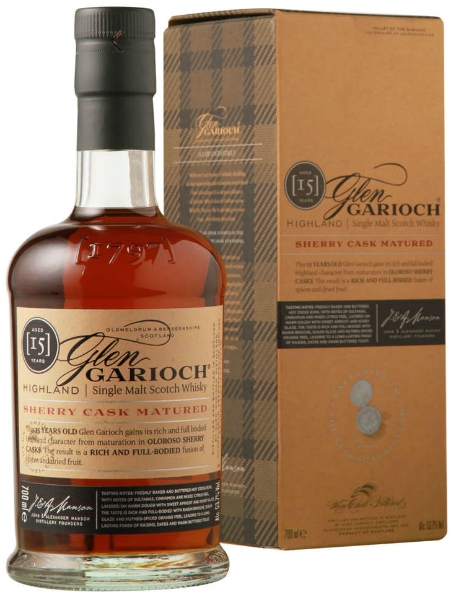
Glen Garioch 15yo (53.7%, OB, Oloroso Sherry Cask Matured, 2016)

Back in 2013 I reviewed Glen Garioch’s entry-level Founder’s Reserve bottling. Maybe a simple Whisky at first, but showing potential with its development in my glass. In the end it scored (maybe only) 83 points, and I concluded that my interest in Glen Garioch was rekindled. Fast Forward to 2019 and here finally is my rekindled interest with this Glen Garioch bottling. Took me long enough! I picked this one from my lectern because it goes fast, very fast, and the bottle is only 1/4 full, (or 3/4 empty if you are a pessimist). Considering I opened it not too long ago, you can already conclude I like it very much, although I could have had other uses for tasty Whisky as well.

This particular bottling saw the light of day in 2016 in travel retail outlets, like airports, on ferry’s and such. However by 2018, and maybe sooner, this bottling seems to be more widely available. Maybe Glen Garioch is our little secret and not widely known to the general public. Well if you ask me, this bottling should stay our little secret and I also feel this isn’t very suitable for the general public to boot, but more about that later. As far as I know, there are two batches made of this: L162341 and L162342. The bottle I have carries the lower of both numbers.

Color: Copper orange brown.

Nose: Creamy, spicy and fresh. Very exotic. Almost Indian, tasted blind I might have said Amrut. Lots of creamy woody notes quickly follow suit. Sawdust and pencil shavings, not old wood. Lots of backbone to this. Typical Oloroso notes we also know from Aberlour A’Bunadh, yet here it is somewhat less harsh, less alcohol as well, but also older and the spiciness is definitely more exotic. Which Oloroso Sherry was in these casks, I wonder? Hints of vanilla and some tar. Tiniest hint of sulphur adding to the backbone. Honey and overall quite dusty. Dark, deep and brooding Sherry notes, but not too much. It also has a lively vibrant side to it (as opposed to the Bunnahabhain I just reviewed). Lots of character to this. Appetizing. I need a Pizza after this review! (I did!).

Taste: Big and very creamy. Sweet as well. Toffee, caramel, the lot. The (fruity) sweetness is less pronounced in the evening. Starts with quite a big wonderful spicy woody note and some tree sap. Slightly dry and soapy, with tar and Sherry, but it’s a beautiful woody note. It fits the nose perfectly. Hints of black fruits start to emerge. Well balanced but not as much evolution as one might think after 15 years, not as complex as well. However, what you do get instantly is a very well composed, and utterly delicious Sherried Whisky. Sometimes I pick up some bitterness in the finish, but that is no problem whatsoever. Wonderful expression. Probably best after dinner and a cigar can’t hurt it either.

Trying this one right after the Bunnahabhain, I just reviewed, I have to wonder how stuff like this would be after 30 years of ageing. Nevermind this. Tasting this after the Bunnahabhain is bliss. They differ so much, but go together very well. The Bunnahabhain today is quite pricy at auctions, and If you’re quick, this Glen Garioch seems to be on sale quite a lot, but it will sell out eventually, and then its gone.

Finally, I often give the advice that you should give a Whisky some air and time to breathe. Just pick any Springbank review and it’s there. Surprisingly, that is not the case this time, This Glen Garioch is best right after pouring it, just sayin’.

Points: 88

Compass Box “Oak Cross” (43%, OB, Circa 2006)

From the same period as “Asyla” (a blended Whisky), I reviewed back in 2015, comes this Blended Malt called “Oak Cross”. Blended Malt is the new expression for what we once called Vatted Malts. Two or more Single Malts, from different distilleries, blended together (so, without any Grain Whisky). Oak Cross is made from three Highland Single Malt Whiskies, yes, blended together to make this Blended Malt. I’ll let Compass Box themselves explain how they did it, since there is no way I could have put it better myself:

All [three] are aged [10 to 12 years] in [first fill] American oak casks before we place a portion [said to be 40%] into innovative hybrid casks [for up to 2 years] featuring heavily toasted new French oak heads [hence the name Oak Cross]. These give the whisky an added richness and spice-like complexity. By carefully blending back the French oak-aged whisky with its American oak-aged forebear, we are able to create a refined, rich, but well-mannered Malt Whisky, with fruity aspects that will remind you of baked apple or pears, complemented by a rich, toasty oak character.

By the way, the three Malts used for this “Blend” are 60% Clynelish (fruity), 20% Teaninich (for the smell of it) and 20% Dailuaine (the “meat” of it all).

Color: Light gold.

Nose: Young and rather perfumy (Teaninich). Friendly and light. Appetizing. Something works very well here. Fruity (Clynelish). Yellow fruits that is, more of the apples and pears kind of fruit. Very European so to speak as opposed to the exotic Indian spices we get from, well…Indian Whiskies. Cardboard, and paper, dusty notes from oak, almost like an old house. Warm apple compote. More sweet than acidic to be frank. This has a warming quality to it. Notes of vanilla pudding. and soft oak, almost boiled soft oak. Tiniest hint of burned wood (and hay), warm motor oil (Dailuaine) and finally some grassy green hints. Although I am quite familiar with Whiskies from American oak, this does have another twist to it, is it the French oak maybe, or is it the soft fruitiness this shows. Nice, whatever it is.

Taste: Quite sweet on entry and again very friendly but also a bit thin, apart from the sugary feel that is. Nice and very approachable. No off-notes (hint of plastic, and ever so slightly soapy, but these don’t hurt the end-result a bit), and the sweetness never gets to that, annoying, cloying-level. Fruity yes, but harder to analyze than it was from the nose. Not so apply and peary as the nose. Maybe the sweetness is masking it? Fruity appetizing body, with a nice warming finish and enough staying power.

The sweetness makes this approachable and likeable, and is probably marketed towards people who are new to (Single Malt) Whisky. This may have it all, it seems young, but acceptable, therefore also quite inexpensive, well made, soft and friendly.

Points: 80

The Benriach 10yo “Curiositas” (46%, OB, Peated, Circa 2006)

After all those very special expressions of “The” Benriach, it’s finally time to have a look at a more mundane Benriach. The standard 10yo, with peat, carrying the less mundane name of “Curiositas”, since it must have been very, very strange for Benriach to use peat? One just has to love the names they give their Whiskies. Curiositas was released in 2004. The expression I’m about to review was bottled in 2006 or earlier, so this is one of the firsts. Today the Curiositas is still a part of Benriachs core range, so it has proven itself to be quite a success.

Color: Light gold.

Nose: Fat peat, creamy and fruity. It’s peat alright, but elegant peat, if there is such a thing. Sounds a bit like an elegant Hummer or like claiming a pair of muddy Wellington’s can ever be called elegant. Compared to scruffy and iodine laden peated Whiskies from Islay, this is peated alright, but also very different. Crushed bugs (you had to be there), dabs of mud and gentle smoke. Big aroma at first, and also soft. However, the “bigness” gets less with breathing. Floral and soapy notes emerge. Cold dish water with a plethora of spices. Not really “farmy” but definitely a vegetable garden, Were Rabbit style.

Taste: Wow, this wasn’t what I expected. This starts out fruity and sugary. Very fruity in fact. One might ask, where is the peat? Cardboard and paper, soft wood and even more fruit turn up. A tiny smoky prickling sensation comes next, quickly followed by nice licorice notes. Creamy vanilla pudding with hints of coffee candy. Not a big body though, and to be frank, (not Dave), this has quite a short finish as well. This peated Whisky isn’t about power at all (alas), but more about the Speyside fruitiness, maybe rightly so. Ain’t that curious, yet logical too, when you think about it for a while. You gotta love the name now.

Peated Whiskies are very interesting, since especially “young” peated Whiskies can be very good without long ageing. Although I understand the Whisky, it’s not an expression I like best within the peated category. It’s nice, but from the body onwards. I feel, lacks too much oomph. I would have liked it much better if it would build more on the groundwork laid out by the nose., which seemed more peaty and smoky, but also more complex. Maybe it got better with the later batches.

Points: 82

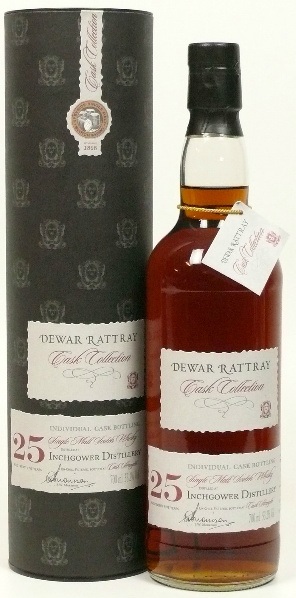
Inchgower 25yo (1980/2006 (53.2%, Dewar Rattray, Sherry Cask #14161, 486 bottles)

After the “old” Teaninich, let’s have a look at something else from the attic that was also bottled a long time ago. Just like Teaninich, Inchgower is another lesser known Distillery owned by Diageo. And for me one of the better ones as well. I’ve come across quite a few really good Inchgowers. Long time no Inchgower though on these pages. It’s almost six years since I reviewed another Inchgower. One from 1982 bottled by Raymond Armstrong, remember Bladnoch? The 1982 was quite hefty and although very good, it was another Whisky, like the Teaninich F&F I reviewed just now, that needs a lot of attention, wearing you out if it didn’t get the attention it wanted. If carelessly sipped, it will kill you, so even though it is a very good Whisky with a quite a high score, I was glad when the bottle was finally finished. Strange ‘eh? Here we have another Inchgower from the beginning of the eighties, so I’m already bracing myself, especially since this is a Sherried one as well…

Color: Dark copper brown.

Nose: Boiled eggs (not rotten). Very buttery and milky. Luckily, these off notes dissipate quite quickly. I have to say right off the bat that this Whisky got a lot of time to breathe. When it was freshly opened this had a lot of Sulphur. When the milky, baby vomit notes dissipate, it shows more woody notes. A minute amount of sulphur and some bitter black tea. Underneath (sniff hard), brown sugar and even some honey. Sulphur still detectable and now it rears its head (is it ugly?) like swamp-gas. Although a lot seems wrong with this, I seem not to dislike it. I never belonged to the I’m-allergic-to-sulphur-police, so I’m able to deal with it. In the depth, where the brown sugar is, are also the more soft woody notes. Some whiffs smell like Rum actually. Sulphur seems to be dying down, but when you move the Whisky around in your glass vigorously, you’ll be able to get some more. Spicy, yet not woody. Vanilla powder and altogether funky. Give it time to breathe. In the end the Sulphur is kept in check and all the remaining wonderful aroma’s get their room to shine. What a wonderful nose this is. The sulphur didn’t bother me that much, but the milky part did, this must breathe before sipping.

Taste: Big, woody and slightly soapy. After swallowing, the first sip, the soap, again, this time around, no too bad, is followed by a wave of liquid bitterness (and fruity acidity). I know, a strange sentence indeed. Fruity underneath and mouthcoating. Sweeter than expected, very, red, fruity. Cold black tea. And the bitterness seems ok. Very funky floral notes which mix well with the red over-ripe fruits. Berries, raspberry, little ripe forest strawberries. Mouth coating, very, mouthcoating indeed, leaving behind some bitterness, but more important, some priceless black fruits as well. For me the black fruits are the holy grail of Whisky. Nice finish, but who cares, if the long aftertaste shows you all those black fruits, dark chocolate and some wood. Sure it isn’t able to shed all of the soapyness, but with fruits like these, I’m happy to forgive it it’s soapyness and the many other flaws it shows. Special stuff.

Some Whiskies like this, over-the-top, can be bad. This one has a lot wrong with it but it’s not bad, There is a lot of fun to be had, if you like the extreme ones, if you are able to deal with a Whisky like this. If you are a novice, steer clear, please. If you are an anorak, a whisky-geek with tendencies towards SM, please pick it up at an auction, because as I said, it is not a bad Whisky. Too much of a lot, but therein lies the fun. A guilty pleasure. Aficionados like it, that’s why this doesn’t pop up a lot at auctions. I’m sure that when I’m going to clean my glass, it will foam like crazy! (It did). For me a no-brainer if it shows up somewhere. Don’t bid against me please!

Points: 91

(Freshly opened, without breathing, the score would be 84, so you’d better let it breathe, long time!)

Ardmore 1996/2014 (43%, Gordon & MacPhail, Distillery Label, Refill Sherry Hogsheads)

Why review one Ardmore, when you can review two? Hidden far away in a wooden box, where I keep my odd-shaped sample bottles, I found this more recent Ardmore. All Ardmores I reviewed up ’till now, were somewhat older bottlings, and this one is more recent. 2014 is not that long ago isn’t it? Gordon & MacPhail released 1996 Ardmores in 2013 and 2014, and both are still available, so I guess they hold off a new release, untill both of these sell out. Where on one side we have official bottlings (OB’s), in this case the range released by Beam Suntory (the owners of Ardmore), on the other side we have independent bottlers (IB’s). Usually, firms that buy casks of Whisky and bottle them as a single cask (usually).

However, this particular Gordon & MacPhail bottling lies somewhere in between. This series is known as the licensed bottlings, but are also known as the distillery labels. This comes from the time the owners of certain distilleries allow Gordon & MacPhail to bottle a Whisky and market it as the “official” release, since back then the owners didn’t release an official bottling themselves, probably using the output from that distillery for blends.

Gordon & MacPhail do their own wood management (The wood makes the whisky). They bring in their own casks and fill them at a distillery. Sometimes they leave the cask to mature at the distillery, but more often they take it with them to their own warehouses.

Color: Copper gold.

Nose: Creamy, vanilla and ice-cream, oh and Sherried as well. On top some smoke. Right from the start this is very well-balanced. Everything is where it’s supposed to be. Sherry casks from American oak. Very sweet, big and thick smelling. Nutty. Almonds, with hints of clay. Add to this a fruity cloying sweetness with an edge of perfect peat, with sometimes some burnt match-stick aroma’s, with only a tiny hint of the sulphur. The sulphur is a mere trace, and I don’t pick it up every time I try this. Next to this the Sherry gives off a funky note which should be an off-note, but here, it works well in the construct of the nose. Almost like artificial orange powder (Sinaspril). Fire-place in the middle of winter. Almost christmas. Lots of vanilla comes next and the smoky note stays. Works very nice together. As I said, very well-balanced indeed. Medium complexity though, and it shows its hand quite quickly. After that, not a lot of development is happening.

Taste: Ahhh, yes. Nice (simple) sweet, creamy, nutty and (red) fruity Sherry nose, mixed in with vanilla and big toffee. Cold black tea. It’s big on the Sherry, the almonds and the cream this is. Also a slightly bitter oaky edge. Peat, but it’s aroma is different from the nose. Stricter and more modern. The fruit evolves in acidity. Excellent smoky note. Come to think of it, where is the wood influence? The wood may have made this Whisky (imho, the Sherry did), but where is the wood itself? Sure it has a lot of vanilla and creamy notes, so American oak was used, I believe, this one would have been better in European oak. A similar thing happens as it did with the nose. Everything is there right from the start and hardly any evolution happens after that. Balanced, yes, sure, but not as much as the nose. Lacks even more complexity than the nose.

Right from the start I thought it was nice, and it is. The journey, however, I was about to take with this Ardmore didn’t happen. Alas. A good Whisky, but it is what it is. The start was promising, and it started with a nice statement from the nose. After that it all went a bit downhill and simple. The Ardmore I reviewed last, also has its flaws, and I can’t say this one is better, hence the similar score. Both are good, but I expected a bit more, especially since in this one, the Ardmore distillery character is obvious in the nose, but not on the palate.

Points: 85

Laphroaig ‘Quarter Cask’ (48%, OB, Circa 2006)

Well, it has been a while since The 2015 Laphroaig Week here on Master Quill, that a Laphroaig graced our pages. This is one of the earlier and better known examples of a NAS bottling that can still be had today. Laphroaig Quarter cask was introduced in 2004, so it almost celebrates its 15th birthday, how about that. Quarter Casks are casks of approximately 80 litres. The idea behind this bottling is that smaller casks make the Whisky age more quickly, since smaller casks have a higher surface to liquid ratio, than larger casks. And the higher the ratio the quicker the Whisky matures. However, this Laphroaig wasn’t entirely aged in Quarter casks, but is supposed to have a normal maturation in American oak bourbon barrels for 5 years (up to 11 years) and only then receive a 7 month finish in quarter casks, so essentially this Whisky is still only 5 years old, hence the price. It is very friendly priced and since it is almost 15 years available to us, this must be a recipe to success, and another way in showing the critical and discerning public that young whiskies can be very good. As I already showed in several of my previous recent reviews. Remember Bruichladdich, Cotswolds and the Kilkerran Work in Progress #2 and #3 bottlings? But let’s not get ahead of ourselves just yet, lets first find out if this Laphroaig Quarter Cask is any good. However, this won’t be a review of a more recent Quarter Cask, but an earlier example. As can be seen on the picture below, the design of the label has somewhat changed since the earlier bottlings…

Color: Light gold.

Nose: Nice peat, clean, fruity and fresh, ozonic. Meaty, with hints of sweetness. Rural. Soft and hard at the same time. If you try hard, some spicy oak is detectable. Vanilla and gravy notes emerge at the same time. Ashes, paper and citrus. Wonderful combinations. Amazing how appetizing the peat is (mixed in with Vanilla notes from the American oak). The whole is utterly balanced and every bit of aroma, every note seems to belong to the next one. There is also a very sweet, fresh “other” note present, like a fruity-floral hybrid, an added layer to the darker peaty side. Like light in the darkness. Let it stand in your glass for a while and development starts. Based on the nose alone I definitely understand its broad appeal. Young, inexpensive but with very high quality. A present for Laphroaig aficionado mourning the loss of their beloved 10yo, which simply isn’t what it was. The 10yo suffers from Alzheimer’s, but this Quarter cask, yeah, úp, steps the new generation to take over the reigns. Oh, wait a minute, I have yet to taste it!

Taste: Sweet on entry (tea with lots of sugar), with citrus notes and wonderful peat. Simple and short, very short burst of pepper and quite some ashes. Add to that lemonade-like sweetness and fruitiness, and you have a young but wonderful Whisky on your hands. Add to that some “wrong” notes of (lemon) dishwater and fruity acidity (lemon) and you still have a wonderful Malt with added complexity. Lemon can be a very nice aroma to have. It is so good it can deal with these odd notes very well. Clay and more ashes. Pencil shavings. Paper is here too. Bugger, ’till now, I mentioned peat only once when tasting it. It is simply not upfront here, which is quite odd for a young Malt. (Peat breaks down a bit with age). Anyway, also not the longest of finishes around. Aftertaste, hardly there, tiny hint of peat maybe, and here it shows its youth I guess. Still, nice stuff this is.

Since the old 10yo is no more, I guess this is its true replacement. Its higher ABV. of 48%, its peaty profile and the fact it’s not chillfiltered make this the replacement of the 10yo for Whisky geeks like me (for writing stuff like this, and you (for even bothering reading this). Mind you the old 10yo was even much better than this, but compare this to the new 10yo and you know why this is so good. If you’re not a Whisky geek and are easily scared by the medicinal and peaty notes, and yet still like to start with the big Laphroaig, try the Select or the new 10yo. They are more suited for starters. Sweet, toned down peat etc. etc. This Quarter Cask is a wonderful early bottling. I have to buy me a more recent one, to see if they managed to keep the high standard. If so this is one of the best priced peated Whiskies around.

Points: 86

Cotswolds Single Malt Whisky “Inaugural Release” 2014/2017 (46%, OB, First Fill Bourbon Barrels, 4000 bottles)

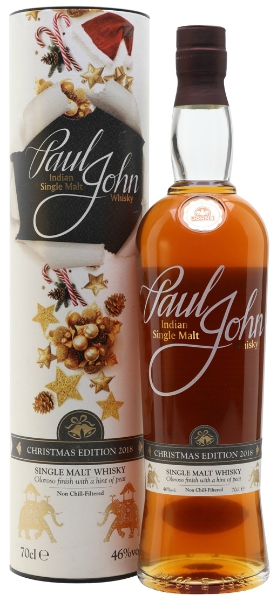
Every year our team attends the Whisky Show in London, and every year we come across something that surprises us. Usually it is a particular distiller. One time it was the range of Tomatin, and more recently we really liked the stuff of Indian Distiller Paul John. For example, last year, the only bottle I bought was a single cask Paul John. This year we found that the crux of the festival seemed not to be a particular distiller or brand, rather than the high quality of young Whiskies and/or new distilleries. Sure, there was a plethora of amazing old Whiskies on the Gordon & MacPhail stand and there is always nice super-premium stuff at the Diageo stand, but for us this year was about very nice young Whiskies. And guess what, they all came with age statements! Yes, it can be done! Funny enough, also young Whiskies coming from distilleries, people, (including me), tend to ignore. So, this year, I returned home with an 8 year old Tamnavulin, an 8 year old Glen Moray, a 10 year old Glenlivet and finally a 12 year old Tormore. All young, age stated, single casks and all from independent bottlers. Highly affordable as well. Before I forget, equally amazing was the Ailsa Bay and the man behind it. Today we are going to look at another young Whisky. The first release of an English Single Malt Whisky from the Cotswolds.

In my mind when a new distillery opens, it’s the brain child of two blokes who think they can do things better and try to conquer the world. Yes, I’m a romantic. Not true here, the two blokes thing, that is. This Whisky isn’t made in a shed in the Cotswolds. No, the Cotswolds distillery is the brain-child of Daniel Szor. A New York banker from Polish descent. Unfortunately his parents never learned him the language. Believe me, I tried, nope, Cotswolds is definitely not a shed. It’s a full fled distillery with tours and everything and a lot of staff, a lot, so I guess mr. Szor has some big plans, and is here to stay!

Color: Gold.

Nose: Floral, zesty, young and very perfumy. Big aroma. Cinnamon, cinnamon (again), more cinnamon and bread, cereal, sawdust and lots of notes from first fill Bourbon casks. Vanilla pods and Sinaspril pills. So yes, a nice acidic note as well. Insence sticks. No off-notes whatsoever and hardly any trace of new-made spirit. Nice wood, beautiful wood actually. Dry leaves and toasted toffee. Hints of candied yellow fruits in the distance. Spicy like an Indian Malt. Not sure this comes from the wood or are they using indian six-row barley at Cotswolds? The florality reminds me of Indian Whisky as well. Very appetizing. Well balanced and again a very big nose. Wonderful aroma’s coming together nicely. Still young and it already shows a lot of potential, which doesn’t mean this inaugural release isn’t worth it, because it is! Well done team!

Taste: On entry a wee bit thinner than expected and after that, an elegant and mouth coating young Malt emerges. Slightly sweet, slightly bitter, with toffee and caramel notes, and a lot of aromas coming from the first fill Bourbon casks. Making the body “bigger” than the entry was. Not as sweet as the nose promised. Already some nice yellow fruits though, as well as a hint of latex paint and machine oil? Wow. A desert in itself. Sweetish. Vanilla with a spicy note added to it. Just like the nose, quite Indian in style. Very appetizing stuff. The wood is almost virgin now, with a sharp spicy edge to it. Oats and crackers. Cigarette ash and toasted oak mixed with light fruity acidity. Again, lots of balance for such a young malt from a new distillery. Nice aftertaste.

Amazing inaugural release of Cotswolds. I’m told this is three years old plus one day, (some mentioned four days, but who is counting days in Whisky?). Amazing Indian style nose reminding me of some Paul John releases but foremost of this Amrut.

As mentioned in the introduction. Distilleries these days, are able to put out some very nice young Whiskies, even the ugly ducklings of yesteryear, you know, those anonimous distilleries distilling for blends only, like the aforementioned Tamnavulin. Amazing stuff, but on the other hand, we the consumer, we also had some time, by way of NAS-Whiskies, to get used to the taste of younger Whiskies. Maybe we just needed some time to adjust, and accept the times they are a-changing? Really old Whiskies these days cost the same amount of money as a new car, and something a bit younger still costs about the same as a nice vacation. So yes, we did get used to the taste of younger Whiskies, but nevertheless, there is much good stuff going around, just different from the stuff we bought 10 or 20 years ago…

Points: 84