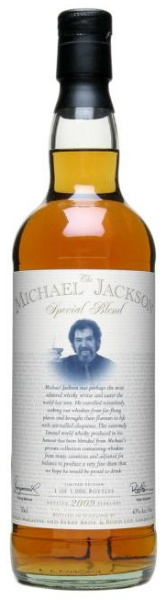
The Michael Jackson Special Blend (43%, Whisky Magazine & Berry Bros. & Rudd, 1.000 bottles, 2009)

The late Michael Jackson, born 27th of March, 1942, was a writer who was mainly known for writing about Beer and later in his career about Whisky. Like many Whisky aficionado’s or anoraks, his Malt Whisky Companion was my first book on the topic. Michael JacksonNot a lot of books like that existed back then, and it opened a world for me. I almost wore the book out. In hindsight I liked his book on Belgian Beers better, due to its thorough research and obvious love and passion for the subject. The Whisky Companion itself started to gather some dust since a lot of the scores in the book weren’t very realistic to say the least. Just look at the scores for the Macallan Traveller Series to name but four. In 2009, the Whisky Magazine and Berry Bros & Rudd blended the remains of his collection of open bottles together and other Whisky was added to “correct” the result. A proportion of the profits raised with this bottling was donated to The Parkinson’s Disease Society, an illness Michael suffered from, for more than a decade.

The Michael Jackson Special BlendColor: Dark Gold.

Nose: Funky Sherry, quite dark and brooding. Sweet tea, wax and lots of cask toast and (burnt) caramel. Slightly rotting apples and other creamy fruits. Hints of smoke and rubber tires. Quite special and waxy. Lots of wood, caramel and toffee, but also a fresher, more fruity side. Sweet grain. I have to say I quite like the way this smells. This must have some pretty high quality and old components. Vanilla with pencil shavings and slightly animalesk (probably a non-existent word). Meaty and flowery. It seems endless. Very nice nose.

Taste: Spicy and woody, licorice, but also quite sweet. Very aromatic. Right off the bat, a tad too low in ABV. This probably would have been better at 46% ABV if possible. I guess the sweetness comes from some younger (grain) whisky used to balance the whole out. Pretty fruity but also hints of paper and cardboard. Spicy and a bit dusty. Hints of mint from toothpaste. Very easily drinkable. Toffee and almonds. Very distinct nuttiness. Well balanced, but it is the kind of balance usually achieved with caramel coloring, it seems that way, but it doesn’t have to be true. Overall not very complex, medium (beer like) finish that is a bit bitter, but still quite nice and drinkable.

This is a piece of history. Especially the nose shows that some pretty awesome Whisky was put into this blend. I’m glad it is a decent dram, because Mr. Jackson deserves a farewell with a Whisky like this. Not for collecting but Whisky made for drinking. In a way Michael is sharing a dram with friends for the last time. Michael died of a heart attack on the 30th of August 2007.

points: 79

Caroni 1998/2008 (40%, Bristol Classic Rum, Trinidad & Tobago)

The Caroni distillery was founded in 1923 and after 80 years of operation, sadly was closed in 2003. In 2001 the Trinidad government sold its 49% share in Rum Distillers Limited to Angostura for $35 million who were forced to close the distillery two years later, because that same Trinidad Government closed their sugar refinery on the island. In the first half of the 20th century Trinidad had some 50 odd distilleries, but today only one survives, Angostura. The demise of the Trinidadian sugar cane industry means that molasses today are mainly imported from Guyana. Because of its heavy style, Caroni was a favourite with the British Navy and yours truly.

Bristol Spirits Caroni 1998-2008Color: Gold.

Nose: Dry, funky and slightly industrial. Like a crossing between Rhum Agricole and Jamaican Rum, with added motor oil and petrol. High ester heavy style Rum. Different kinds of wood and waxy. Lots and lots of aroma. Hints of oranges and mushrooms. Hot butter. Orange skins at first, but with good nosing a deeper (and sweeter) kind of sugared oranges appear. I’m a big fan of Rums like these. Later on, some oak and earwax. Burnt wood and smoke. Bonfire and a fishy note. Grilled fish (hanging over the bonfire). When my mind wanders off, I will associate the hint of smoke and burnt wood with Islay Whisky. Nice side effect. When all the extremities wear off on the nose, the whole becomes slightly sweeter and friendlier. More salty and smoky vanilla. What a nose!

Taste: Dry oranges with some hidden sweetness underneath. Still a bit industrial, not saying that is bad, on the contrary. Nice hints of oranges again, all of it, the skins, the freshly pressed juice and the candied oranges. All quite dry and smoky, never truly sweet. The wood is trying to get some bitterness across, but that hardy is the case. The Rum itself is highly aromatic, the bitterness is pushed back, there is simply not a lot of room for it. Bitter orange skin and again a burnt note. I can’t help but feel that the orange oil you get with the juice from the skins also gives off a slight acidic note that doesn’t completely integrate with the rest of the taste. Something that also happens in the Abuelo 12yo. Only here it’s not that bad.

This is great stuff from a sadly closed distillery. Not your run of the mill easy-going overly sweet Rum, but something more daring and industrial. Maybe this Rum isn’t for everyone, but if you like the profile this was one of the best.

The 1998 Caroni reviewed here was bottled in 2008. In 2013 exactly the same rum was released, just 5 years older. That one would be nice to review sometimes. The picture on the left is from the 2013 release, but looks exactly the same as the 2008 release.

Points: 86

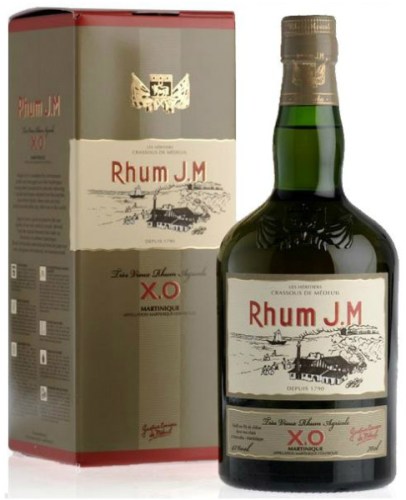
La Mauny XO Vieux Rhum Agricole (40%, Martinique)

After the J.M XO Rhum Agricole, why not compare it with another XO Rhum Agricole from the same island. This time an offering from La Mauny of which I already reviewed the entry-level 1749. This XO is just like the J.M 6 years old (and probably older), but has a lower ABV. This one is 40%.

La Mauny XOColor: Dark orange gold.

Nose: Woody and spicy. Higher in esters than the J.M. This one is fatter and thicker and has some traits of Jamaican high ester Rum. Aromatic with sweet spices. Again a (dry) wood driven Rhum Agricole. Fruits in this one are of the tangerine kind, mixed with some creamy vanilla. Plain sugar with a hint of gravy. Quite some cloves and tiny hints of fireplace, coal and tar. Licorice and cloves, that’s it! Absolutely wonderful nose. Just like the J.M, this has a note of floral soap, just not roses this time. Mocha and milk chocolate. Give it some time and it grows on you. It is shy to let its aroma’s go. This has been reduced too much and should have been higher in ABV. At La Mauny they must think that if they rise the ABV, people get scared and will stop buying their product?

Taste: Sweet black tea. Syrupy. Red fruits like raspberry. Very soft. Nice wood, but its presence is very faint. Much less wood in the taste than in the nose or as in the J.M. Quite fruity with nice wood (pencil shavings), but a wee bit too smooth and light at 40% ABV. Amber sweetness with sugared and dry roasted almonds.

Just try the J.M and you’ll know this is reduced too much. A shame, because you can taste and especially smell the quality in this one. Again a very easily drinkable XO Rhum Agricole though. Both have nice and complex noses. The taste is a bit less complex, but still very drinkable. This La Mauny is somewhat sweeter. If I was forced to pick only one I’d go for the J.M. Nevertheless, both are nice, and both show that there is a lot more to be gained from Rhum Agricole.

Points: 84

J.M XO Très Vieux Rhum Agricole (45%, Bourbon Cask Matured, Martinique)

Today I was working in the garden. Preparations have to be made for the coming summer. Getting rid of weed, clean the BBQ, plant some new flowers and so on. Evenings are still cold, so now I’m sitting inside and I notice my arms are quite red. Must be a hole in the ozone layer or something, because I can’t remember getting sunburned so quickly. Another place on earth I would get easily sunburned is not Scotland, but Martinique. Yes it’s Rhum Agricole time! Rhum Agricole is the French word for Cane Juice Rum, as opposed to Rum made from molasses. Tonight we’ll be having J.M XO. Looks cryptic doesn’t it? The XO (as for Extra Old, or Très Vieux in french) is a Rhum Agricole, which has been aged for a minimum of 6 years in re-charred Bourbon barrels.

J.M XOColor: Full orange gold.

Nose: Woody, spicy and floral. Right up is un-ripe banana. Very aromatic and dry. Lots of spices. Hints of gingerbread and cookie dough. Old soap (roses) and polished furniture. The nose is wood driven, but it is never overpowered by wood. Also the charred oak is noticeable, but again, not overpowering. Notes of an old wooden shop or a church. Even hints of incense is there.

Taste: More of the same. Wood at first, with a bit of mint, but that dissipates quickly. A short sweetish film, that also passes by quickly, leaving a nice and fruity aftertaste. Hints of tree sap, mocha, coffee with milk and milk chocolate. Tiny hint of an Industrial complex and motor oil (which is nice). Next an even tinier note of passion fruit and even less still: anise. Tasty. This is not a sweet Rum, it is rather dry and well made. The only beef I can have with this Rhum is that even for an XO it is quite light and seems to lack a bit of depth or complexity if you prefer. Dangerously drinkable.

I have to admit, since the day of Douglas Laing’s Old and Rare series (Platinum) I am a sucker for dumpy bottles made with green glass. The rest of the labels and packaging are also very appealing. Having said that, of course that is not as important as the Rhum inside the bottle. I like sugar cane Rum. With its relative dryness, it matches with Single Malt Whisky. Nothing wrong with sweet Rum obviously, but the dry style is a welcoming addition to the drink. This dryer style, can showcase its finesse and elegance some more.

Points: 85

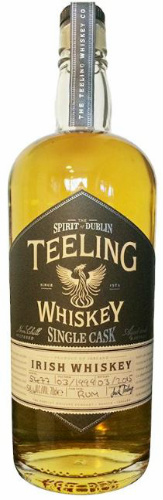
Teeling 13yo 2002/2015 (55.5%, OB, Single Madeira Cask #935, 311 bottles)

In 2012 Jack Teeling sold his Connemara distillery for €71 million to Beam Inc. and everybody, especially Jack himself, thought that would be his end in the Whiskey business. Back to buildings and properties or so it seemed. But Jack wouldn’t be Jack and Whiskey wouldn’t be Whiskey, so Jack hatched a new plan for a new brand and a new distillery that has just been opened this month in Dublin. Up ’till now, the standard range consists of a Small Batch release, finished in Rum, a Single Grain, finished in Red Wine casks and a Single Malt Whiskey that is surprisingly not finished! (At least it doesn’t say so on the label). Also three super premium Whiskies are released. A 21yo (Silver, Sauternes finish), a 26yo (Gold, White Burgundy Wine finish) and finally a 30yo (Platinum, like the Single Malt, unfinished). These three don’t come cheap. This year Teeling started to release Single Cask bottlings in Germany, Belgium and this release for the Netherlands for the Specialists’ Choice. All again finished in different casks: Port, Rum, Carcavelos and today’s special: Madeira. By the way the picture on the left is from another Single Cask release, since I don’t have a picture of the new release just yet…

Teeling Single CaskColor: Reddish orange gold.

Nose: fresh air, new wood, not necessarily only oak and definitely notes of a sweet wine. Milk chocolate, mocha and luke warm coffee with lots of milk. Slightly oxidative, spicy and creamy. Paper towel with a tiny hint of soap. Young, spicy and vibrant. With young I don’t mean that it reeks of new make spirit. I mean vibrant, lively. Very appetizing. Lovely nose. It reminds me a bit of Single Malt Whisky, when it was new to me. Barley, sappy oak, grassy, creamy vanilla, some mint, red lemonade and a fresh pot of coffee.

Taste: First is a hot mixture of oak and sweet white wine, biting each other a bit. Its sweet and has notes of acidic oak, but also spicy oak and paper. Another layer contains hints of hard to get red and black fruits, something not quite uncommon to other Irish Whiskey’s like Jamesons 18yo and Redbreast 15yo. It seems a bit disjointed, especially when the sweetness is pulsating and the wine turns from a sweet entry into something a little bit more sharp. But you can’t not like it. It’s really an enfant terrible, but it still charms you into liking it and forgiving it. When it’s faulty it’s a lovely fault. Slightly bitter in the finish soon overpowered by different shades of wood, spicy and acidic, add to that the contributions of the Madeira and you have something you can’t put down, but is not entirely easy.

For me this is an example why Whiskies like this should be cask strength. The aroma’s seem enhanced by the higher strength and a Whiskey like this should bite you back a bit. It’s not your simple entry-level Whiskey. Are you experienced?

Points: 85

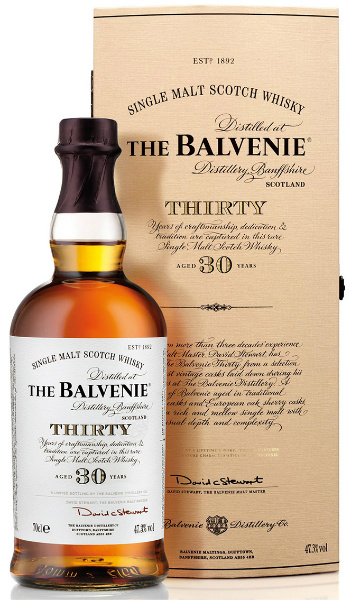
The Balvenie 30yo “Thirty” (47.3%, OB, Circa 2011)

After the young and very affordable Benromach, we are now going to look at a Balvenie that isn’t young nor affordable. For this expression, the story is that David Steward hand-picks some exceptional casks that are more than 30 years old. Casks that once held Bourbon as well as ex-Sherry casks. How unusual. These casks are then blended together and after a while bottled. Quite a surprising technique. A shame though, that only 30 years and older casks could be used for this expression, because the public demands Whiskies with an age statement… Nudge, nudge, wink, wink. Quite unfair of me actually, since The Balvenie bottle a whole lot of Whiskies with an age statement…

The Balvenie 30yo ThirtyColor: Light orange gold.

Nose: Funky, but in a good way. Sherried with Haagse Hopjes (Dutch coffee flavoured candy). Bad breath and old elegant wood often go together. Creamy. A distinguished gentleman, and after the Benromach “Organic” you know this will hurt your bank-account. Freshly sawn wood and hints of saw dust. Vanilla and some caramel. Powdered candy. Sometimes whiffs of Marmite and lavas float by. Actually, this doesn’t smell as old Whisky as I’ve expected. It smells like an old yet modern Whisky. Well balanced, but quite a lot of wood in the nose.

Taste: Sweet powdered candy, but also fruity. Sherry with cherries and other red fruits like raspberries. Thick toffee and slightly acidic. Acidity from fruits but also acidity you get from (freshly sawn old) oak. Not as complex in the taste as I expected. Coffee, cask toast and quite warming. Some bitterness towards the finish though.

A good, but not super-premium-great Balvenie. For this kind of money you can do better I guess. Just have a look at some of the TUN-versions that are around. Nevertheless, a more than decent Balvenie, period.

Points: 87

Benromach 2008/2014 “Organic” (43%, OB, Virgin Oak)

Not really a NASser since this is a vintage 2008 bottling. We also know this was bottled in 2014 so it is a 5yo or 6yo. Benromach doesn’t like hide its Whiskies in a shroud of mystery. Of course I love an aptly named Whisky but I was brought up with age statements so I like to (officially) know what I’m getting. Maybe all those NASsers are for a younger, more hip, generation? We’ll see. This “Organic” was distilled in 2008 and filled into virgin oak casks, just like they do with Bourbon spirit. Don’t worry, this will not turn this Whisky into a bourbon since only malted barley was used, and no corn nor rye. Why not make a rye Whisky then Benromach, wouldn’t that be something different and exiting?

Benromach Organic 2008Color: Gold

Nose: Yes woody. Sawdust, but also vanilla and warm vanilla pudding. Custard. I would say American Oak, wouldn’t you? Sugary sweet. The apparent sweetness is balanced out with some spicy oak, but not all oak is spicy, it also has a sappy oak quality to it. Sweet barley. Given some time, (when the taste becomes waxy), the nose tuns more floral. Floral with sandalwood.

Taste: Sweet at first, then vanilla and a more fruity note. Still all sugared fruits. Behind that the oak comes in again, but it’s not all wood alas, The wood also emits a cardboardy taste. Luckily that is soon exchanged with the sappy oak. That sappy oak turn a bit waxy and that in turn becomes a bitter edge into the finish. The bitterness also has some staying power. The finish is rather austere, so its quite different from the sweet start. The florality and waxiness of the nose, becomes also evident in the aftertaste.

For a Whisky this age and only new wood was used, this has already picked up a lot of color (as do Bourbons). Nosing and tasting this Whisky it really is what you may have expected. A Whisky that is defined by the use of new wood. Otherwise quite sweet and obviously not very complex, but more than expected.

Points: 82

Abeille-Fabre Châteauneuf-du-Pape Blanc 2010 Vignoble Abeille

Lots of information about the wines marketed as Château Mont-Redon, but not a lot about this particular wine. Château Mont-Redon is owned by Jean Abeille and Didier Fabre, they are the third generation of wine-makers, but already the fourth generation is awaiting. This particular wine is from the Vineyards of Jean Abeille. Château Mont-Redon’s vineyards are 174 ha big, of which a nice 100 ha lies in the AOC Châteauneuf-du-Pape

This white Châteauneuf-du-Pape is a blend of 40% Grenache Blanc, 25% Bourboulenc, 20% Clairette, 10% Picpoul Terret and finally 5% Roussane. Well, not your every day Chardonnay or Sauvignon Blanc, isn’t it! By the way, these numbers may vary with every vintage. Around 450.000 bottles of Châteauneuf-du-Pape are produced annually, of which a hefty 100.000 is of the white variety.s

Abeille-Fabre Châteauneuf-du-Pape Blanc 2010 Vignoble AbeilleColor: Straw yellow, light.

Nose: Very aromatic, fatty, buttery and nicely fruity. White peach. Mineral but also fruity, white peach in sweet yoghurt. Very appetizing. What I especially like about this one is the slightly industrial, rubbery and maybe gout de petrol like quality this wine has.

Taste: Thick vanilla, wood and warming, what? Warm stones. Mineral and earthy. Slightly waxy and soft lemon juice on top. Gooseberries and grapefruit! Acidity kept in check. Nicely balanced Wine. Vanilla and wood in the nose and now again some vanilla and wood in the taste, this must have seen some wood. Slightly bitter finish, which passes through the mouth leaving a nice taste behind. Well made.

Starts very fruity and aromatic, changes into a more serious nose with petrol. Same with the taste, ending in a slightly wooden bitterness. Not harsh in any way. The finish is long and the bitterness passes into something more woody-fruity and fatty. Fresh butter. High quality. 13.5% ABV. Don’t drink this too cold, when it warms up in your glass it still gives of a lot of aromatics.

Points: 86

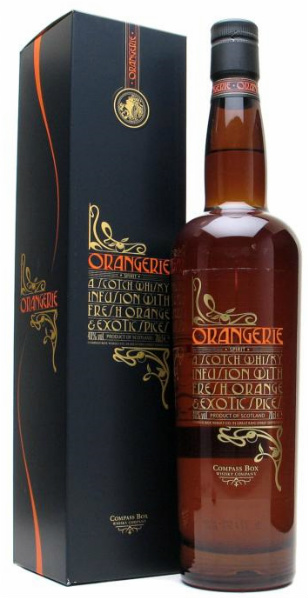
Compass Box “Orangerie” (40%, OB, 2008)

Oranges and Whisky, where have I heard that before? Ah yes the new Amrut. This Orangerie isn’t Whisky, but it isn’t a liqueur either, as it doesn’t have the required additional sugar. Orangerie is made with soft and sweet Malt and Grain Whiskies, infused with (a lot of) Navalino orange peel and Indonesian Cassia bark, a kind of cinnamon and Cloves from Sri Lanka. It almost sounds like the desert from the menu of a very posh restaurant. The Navalino oranges are hand zested at the Compass Box HQ. So when coming in to the office they never know what John has in store for the people at Compass Box.

Compass Box OrangerieColor: Vibrant gold, thick and syrupy.

Nose: Oranges and dark chocolate. Orange skins yes, but not a lot of orange juice. Still there is some juice in here to be found, it has some hints of orange pulp. Hints of vanilla and lots of cloves. The bark used seems to be the glue that holds it together. Smelling it more vigorously, yes there is some Whisky underneath. It smells like something you’d combine with dark chocolate. Give some time, this has also a floral part, but also another dimension of the fruit emerges. Very strange but in the distance it has some characteristics of Gewürztraminer. Not a lot, but some if it is in here.

Taste: Not sweet at all. It’s Whisky all right, orange skin and spices. That’s it. No sweetness. Tiny hint og bitterness, enough to give it character, but too little to overpower. Try it again and forget the statement that this is a liqueur, because it isn’t. Not enough sweetness. It’s all aroma. Take another sip. Just like the nose, it has a lot to do with dark chocolate. On the palate it’s in the spirit already, but this has to be combined with dark chocolate.

Special stuff, and a niche by itself. It claims to be a Whisky, it’s not. It has additions, so it’s not a Whisky anymore. It claims to be a liqueur, but it’s not. Not enough sugar. No bad thing, this will save your teeth. Nope, it’s something else. It’s a quality mixture. Not something for every moment though. You won’t empty it quickly. Once in a while, you just want to take a sip of this and pair it with nice dark chocolate…

Points: 72

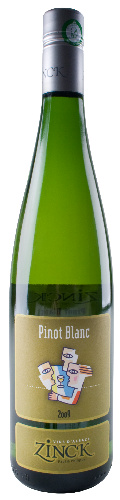
Paul & Philippe Zinck Pinot Blanc 2008

Exactly a year ago, I reviewed the 2009 vintage of this Pinot Blanc. Comparing notes it will be quite interesting to compare both. Just like last year, the end of may had its sunny days and this time around we are going crazy over asparagus (the white ones) at home. First time around we had Asparagus with the Zenato Pinot Grigio 2013, this time we’ll take a classic one from Alsatia. Quite an oldie actually since these wines aren’t made for keeping around for a longer time, but I never had a problem with White Wines from Alsatia.

Zinck Pinot BlancColor: White wine with a slight green tint.

Nose: Fresh and citrussy. Slight hint of melon (but without the sweetness). Creamy calcium and flinty. Hints of white peach. Smells quite citrussy and acidic. This may very well be quite a sour example, but we’ll see. Even though this is supposed to be quite a simple Wine, there is a lot going on in the nose.

Taste: Yes, quite acidic. Roter vitamin C. Is it too high in its acids, well no, not even for me. I usually don’t like over acidic Wines, but this one is do-able. After the acidity leaves the mouth, a more syrupy feel gets a chance to present itself. IS a bit the depth of syrup, but this time without the sweetness. Hard to explain. Although probably not present, but you never know in a difficult year; it seems to ave some wood. Toward the finish it calms down a bit, getting less about the acidity, but having drunk a whole bottle yesterday the acidity was something you get used too.

2008 was a challenging year for Alsatian Wines. The 2008 vintage is known for higher acidity, and yes, that’s true for this one too. I wouldn’t drink a whole bottle of this by itself, too high in its acids, but it is a nice and simple Pinot Blanc. Together with White asparagus, excellent. This Pinot needs food. Compared to the 2009 vintage, this is better balanced but also less sweet and more acidic. My wife preferred the Zenato with Asparagus. I had fun with both, but just a little bit more fun with this Zinck. Big difference between the 2008 and the 2009 vintage though.

Points: 78