 So it’s time to celebrate the first anniversary of Master Quill and I’ve picked this bottle of 1979 Scapa, bottled in 2002. Well, things got off really good! Like I said, I would rip open this bottle and so I did accidentally. I broke off the cork! Bugger!
Like with the Dun Bheagan range these Chieftain’s bottles are by Ian MacLeod. A few years ago I tasted its sister cask (#6633) blind and liked that one a lot, since I scored it 92 Points. Reason enough to look for this one for quite some time and snap it up at an auction.
Scapa is the lesser known distillery from The Island of Orkney. The better known obviously being Highland Park. Well actually, Scapa is one of the lesser known distilleries from Scotland! Scapa was founded in 1885. The distillery was closed a few times. The first time between 1934 and 1936 and the second time between 1994 and 1997. From 1997 on Scapa distilled Whisky again for a few months per year using staff from the nearby Highland park distillery. In 2004 the distillery is refurbished, and one year later Chivas Brothers (Pernod Ricard) buys the distillery. Scapa is now known for their 16yo that replaced the 14yo, that replaced the 12yo, that replaced the 10yo. Are you still following me?
 Color: Copper
Nose: Very musty Sherry, but already some black fruits are shining through. The initial musty smell wears off (a bit), and shows some spice and some coastalness (is there such a word?). Gets deeper and deeper, with a very balanced fruitiness. I guess this is one that needs to breathe for a while, but already is shows it’s potential. It does have some balls! What I like about this one that is has multiple facets, it changes on you if you give it time.
Taste: Yeah, this will be no punishment to drink all! Nice going. perfect combination of sweetness and fruits and in the mouth there is no hint of the sewer-like smell that was there in the beginning, (I may be exaggerating a bit). It has some wood, but the whole is so bold, it needs this spice and wood to pull it together. There is also some bitterness from the wood, but again this one needs it. At this point in time (freshly opened and needing to breathe)  it’s not completely balanced, but it will get there in the end. Complex, well, not exactly. It shows some sourness from the oak, but after half an hour it is pulling together, and it has a great and long finish. This again is a stunner!
Well I can say this, because I love this whisky (and it’s sister cask). It sweet and fruity, has a nice finish and this is well counteracted by several effects from the wood. Like Frank Drebin said; “I love it” (He actually said it several times…)
Points: 91
 Master Quill is already one year old, well, the web version anyway. This first year of blogging passed very quickly and doesn’t feel as a whole year to me. It started out with the first “Hello Whisky World” post, that saw the light of day on the 4th of march 2012. Immediately followed by two reviews of Miltonduff and Macduff Mo Ór bottlings on the same day and a Lagavulin 12yo a day later. These first four posts were merely a test, to see how it would look.
 And here is another Master of Malt bottling. Earlier I reviewed a reduced
 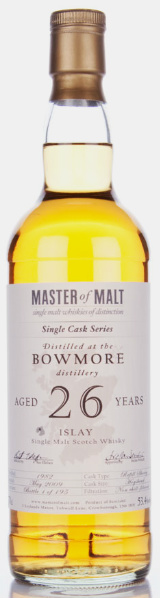 Color: Gold
 Color: Light Gold.
 Let’s continue with Glenfiddich. Known for their big out turn and fairly priced Whiskies. No cheap entry-level Glenfiddich this time, like the
  Color: Full and dull gold.
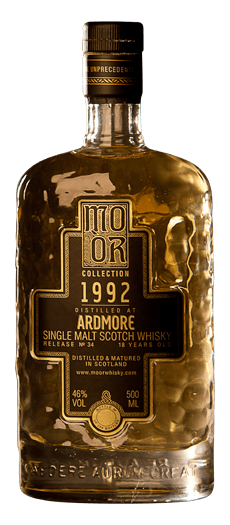 Color: White wine.
 In this day and age of battles, battles for oil, battles in politics, and even dance battles, now there are also battles in Whisky. The guys in the picture are Jan Beek (right) and Dennis Mulder (left). They do tastings/battles to see who bottles the best Whisky, the distilleries themselves or the Independent bottlers. Jan represents the independent bottlers and Dennis the official bottlers. Time for my own battle. Well not a battle with axes and swords. Earlier I reviewed an official
  Color: Lively orange brown.
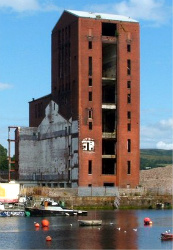 And here is another Cadenhead’s, from the same kind of cask, from the same year 1987, with three years more ageing. Cadenheads call this Distilled at Dumbarton, made with Inverleven stills. Everybody else calls this whisky just Inverleven. To clear things up. The Single malt whisky that was made this way, was called Inverleven. Inverleven was made untill 1991. This was made with the ‘normal’ type stills. In the same building was also a Lomond type still that was installed in 1959 at the Dumbarton distillery and ran untill 1985 (With the malt being called “Lomond”, not Loch Lomond). Loch Lomond lies close by to the north. Only a few kilometres away, still Loch Lomond is a Highland Whisky, and Inverleven a Lowlander. To wrap things up. The Dumbarton Distillery was the spiritual home of the Ballantine’s Blend.
 Color: Light gold. (Darker than the 15yo Cadenhead).
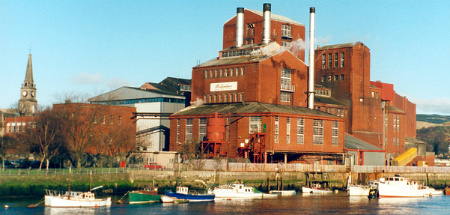 I ended the last post about Gordon & MacPhail’s Inverleven with the hope that they wouldn’t reduce the next issue (so much). Frolicking around in my stash of samples I unearthed this unreduced Inverleven bottled by Cadenhead’s. It’s from another year, so this may have a different profile, but still worth checking out. Dumbarton was foremost a Grain Distillery. The distillery was built in 1938. In 2002 the distillery was closed and demolition commenced in 2005. I’ve added a picture here, because I have always liked the big red brick industrial complex on the river. By the way, after stopping the production of the Inverleven malt, the Stills went on to Islay to produce Port Charlotte at Bruichladdich.
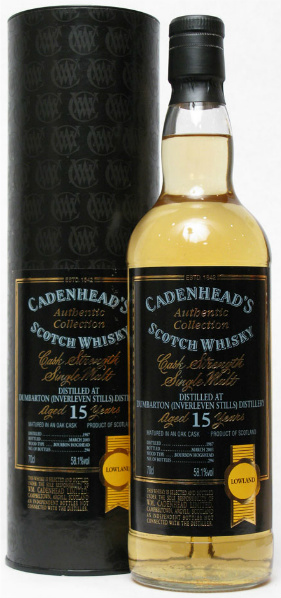 Color: White wine.
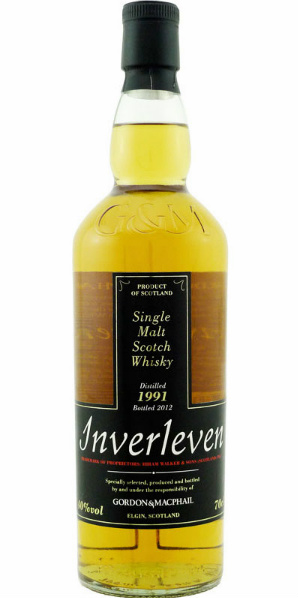 Color: Gold.
 Master Quill