 Let’s continue with Glenfiddich. Known for their big out turn and fairly priced Whiskies. No cheap entry-level Glenfiddich this time, like the 12yo “Special Reserve” I reviewed earlier, but a super-duper premium Glenfiddich that costs a fortune these days. Cask number 10260 was bottled for the 50th anniversary of La Maison du Whisky. Who hasn’t visited one of their fabulous shops in Paris & Saint-Denis (France) or Singapore? There are a few pretty great 1974 Glenfiddich bottled, even one for Playboy (Cask #10245) and H.M. Queen Elizabeth II (of U.K. fame). So not a bad club to belong to. Here Majesty’s Cask was #2336 (not quite a sister cask of the Playboy one, I would say). Or maybe Glenfiddich filled a lot of casks in 1974. Who knows?
 Color: Full and dull gold.
Nose: Old bottle. Oceanic and creamy. Wow. Musky and organic, with fatty old wood (not dry wood) mixed with newer plywood. Clay. Absolutely stunning wood smell. Smelling this you know you have something special on your hands. When smelling this for a prolonged time, you get in the territory of cardboard that has been added to the wood that is more upfront. Through the wood and the cardboard is also something clean, fresh and lively like lemongrass, cola, mint and old lemon skins, but also the more heavy shoe polish and clean wax. Great complexity and balance.
Taste: Again old bottle. Spicy toffee with clay. It’s sweet and has hardly any wood at first! Full mouth. Chewy and waxy. Fantastic. Slightly sour, somewhat thin and papery finish, and the wood came in late, but it is there. It’s more the spice from wood, than the wood itself. Clean and elegant.
Well, obviously you can’t really compare the über-standard 12yo to this, can you? Because all the time when I was trying this, you can clearly see where this is coming from, and it does have a big family resemblance. This definitely is the father of the 12yo.
Points: 91
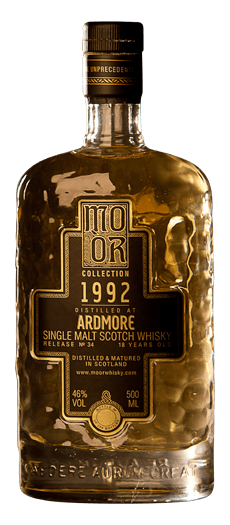 Color: White wine.
 In this day and age of battles, battles for oil, battles in politics, and even dance battles, now there are also battles in Whisky. The guys in the picture are Jan Beek (right) and Dennis Mulder (left). They do tastings/battles to see who bottles the best Whisky, the distilleries themselves or the Independent bottlers. Jan represents the independent bottlers and Dennis the official bottlers. Time for my own battle. Well not a battle with axes and swords. Earlier I reviewed an official
  Color: Lively orange brown.
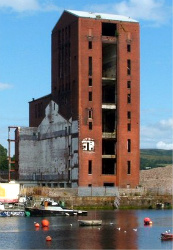 And here is another Cadenhead’s, from the same kind of cask, from the same year 1987, with three years more ageing. Cadenheads call this Distilled at Dumbarton, made with Inverleven stills. Everybody else calls this whisky just Inverleven. To clear things up. The Single malt whisky that was made this way, was called Inverleven. Inverleven was made untill 1991. This was made with the ‘normal’ type stills. In the same building was also a Lomond type still that was installed in 1959 at the Dumbarton distillery and ran untill 1985 (With the malt being called “Lomond”, not Loch Lomond). Loch Lomond lies close by to the north. Only a few kilometres away, still Loch Lomond is a Highland Whisky, and Inverleven a Lowlander. To wrap things up. The Dumbarton Distillery was the spiritual home of the Ballantine’s Blend.
 Color: Light gold. (Darker than the 15yo Cadenhead).
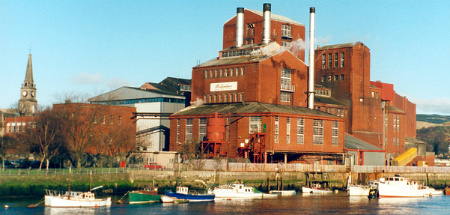 I ended the last post about Gordon & MacPhail’s Inverleven with the hope that they wouldn’t reduce the next issue (so much). Frolicking around in my stash of samples I unearthed this unreduced Inverleven bottled by Cadenhead’s. It’s from another year, so this may have a different profile, but still worth checking out. Dumbarton was foremost a Grain Distillery. The distillery was built in 1938. In 2002 the distillery was closed and demolition commenced in 2005. I’ve added a picture here, because I have always liked the big red brick industrial complex on the river. By the way, after stopping the production of the Inverleven malt, the Stills went on to Islay to produce Port Charlotte at Bruichladdich.
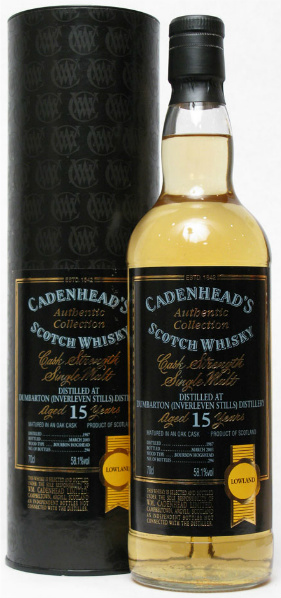 Color: White wine.
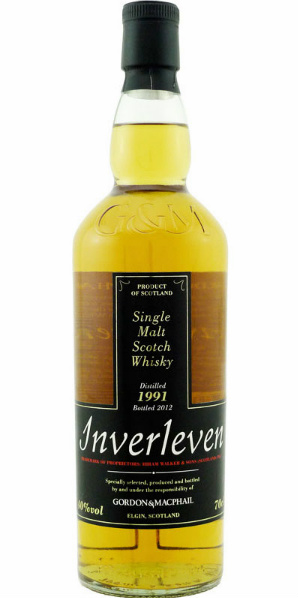 Color: Gold.
 Here we have one of the many 1991 Lochsides, and one of the many that were issued as a Gordon & MacPhail Reserve. This one was picked by Dutch retailer Van Wees. Gordon & MacPhail code for this one is AJ/JBEC. The spirit was distilled on September 18th, 1991 and eventually bottled on March 8th, 2010. Alas we don’t know exactly the date when Han van Wees tasted it and picked this ;-). Kudos to Gordon & MacPhail for all the information on the bottle and back label.
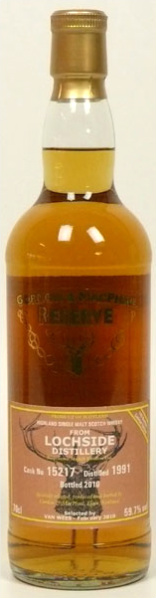 Color: Gold
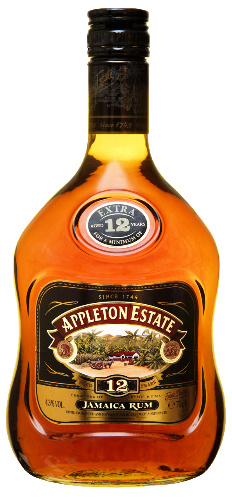 Color: Orange brown.
 Color: Orange copper.
 Color: Orange copper.
 Master Quill