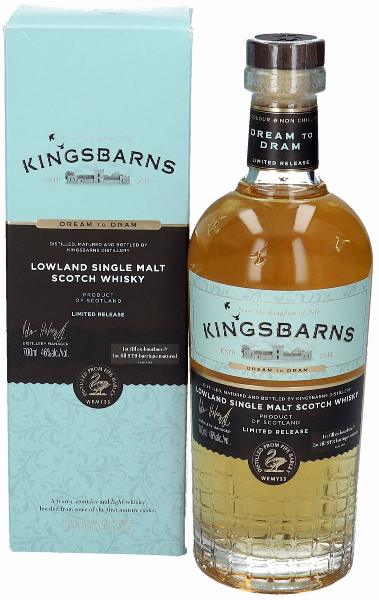
Longrow Red 10yo “Refill Malbec” (52.5%, OB, 7 years Bourbon Barrels, 3 years Refill Malbec Barriques, 10.000 bottles, 2020, 20/187)

Well time moves fast, and before I even managed to write the reviews of the 2019 Pinot Noir and the 2020 Chilean Cabernet Sauvignon and get them out, already this 2020 Refill Malbec has been released, the second Red in 2020. Looks like someone’s in a hurry? Is it time to cash in a bit on output from the distillery which isn’t branded Springbank. I really don’t know about the popularity of Longrow and Hazelburn (and Kilkerran) compared to Springbank. But looking at auctions, all are doing quite well, but Springbank itself seems to still perform best. However, it looks to me like the Red series is getting really popular. I’m guessing Springbank Distillery are stocking up on wine casks now and finally have a plan what to do with a lot of the Longrow distillate. But all of this is pure speculation. So what Master Quill initially intended as the two latest Red’s back-to-back, in comes this third one, and hey, after the results of both previous Red’s, I’m not complaining. I got in touch with Nico again and yes here is another bottle share between the two of us. Still not sure about those Red’s, ‘eh Master?
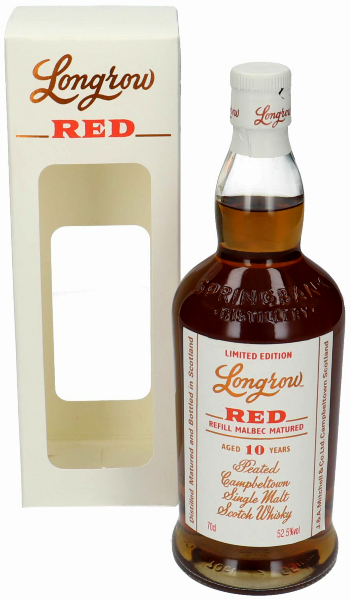
Color: Orange Gold.

Nose: Initially young, somewhat milky and dusty, and quite oddly, hay and grass we know from Grappa! Young Malt with raisins and old dried out, grated Swiss cheese. Burnt wood and slightly tarry. Dry virgin oak and a pool of fresh rain water. Wait a minute. Just let it breathe for a while. Wow, this is an entirely different Red again. Toasted oak, burning newspapers, pencil shavings and red fruit candy (raspberry), with a tiny acidic note on top. It all comes out in layers. Where the 2019 Pinot Noir shines because of its balance, this…well, this doesn’t, initially. I use the word initially, because experience tells me that these kinds of funky notes often wear off, and this is the start of my half bottle which probably hasn’t seen a lot of air to breathe with. This has red fruits, fresh and artificial. Hints of peat, but the peat is not dominating. This Red, even though it is one of the younger expressions, and as we all know, young peat is the strongest, has soft milk-chocolaty peat. Just compare it to a Longrow 18yo for instance, also soft peat. Some more dull smelling paper, wood and woody spices emerge, otherwise this is (initially) a simple expression or starts out as a very closed one. Bad breath, Winey, candy like, with hints of mint, nice, sweet mint and finally some smoke. Bonfire smoke on a cold night. So bits of peat and soft wood and milk chocolate, that’s the story here. Not very complex and starts out pretty basic. All the slightly less positive remarks made above dissipate after some extensive breathing. The Grappa is gone by now, never to return. The Whisky really gains balance and smells in a way like it wants to show you how it will taste. The 2020 Chilean Cabernet Sauvignon still has a much, much better, far more sophisticated and appealing, dare I say, near perfect, nose. I just did, didn’t I? The Pinot Noir works like a good alternative to Oloroso. Let’s not compare the smells of both any further, and by the way, the strength of the 2020 Refill Malbec lies even more in the taste, as we’ll soon find out.

Taste: Initially this comes across as a younger and less balanced expression than the previous two reviewed ones, yet right out of the gate this is still a very tasty bugger! To capture the taste of this Red in one sentence: Liquid smoke mixed with sweet ripe red fruits and red chillies. It certainly has a sting to it and a sweetness that follows. Slightly syrupy and notes of oaky bitterness. Hints of tar and liquorice which matches up well with the red fruit syrup. Salty (and smoky) lips. Definitely more peat here than in the nose, as well as more smoke. Add to that, red fruit jam, rubber and some arome-de-ashtray. In a way this is a bit thin. Not a big rounded out Malt but more of a big flat circle. The sweetness hasn’t enough power to sustain a big body. In many ways it is big (in 2 dimensions), but lacking a bit of depth (the third dimension). So peat smoke and red fruits make up the two dimensions, but in the end it thus lacks some sweetness to counterpart the smoke, peat and wood, to round things out. This sometimes has an element of sulphur. At this point, who cares about the balance and the initial Grappa. This is a fun Red! This is a Big Red (in a way)! Gives off a nice feeling and aftertaste going down. Sweet with peated toffee and the red fruit jam. This one just needs some air to shine even more. Tiny hints of black fruits in the finish. Sweet and again a flinty and slightly burned note. Both are very welcome here. Also remember, Malbec Wines aren’t sweet Wines, so where the sweetness comes from is a mystery to me. Excellent birthday cake. Hints of fireworks and sulphur. Again these are welcome notes, don’t get me wrong. Black tea, a slight bitterness, late pencil shavings and all the time very tasty. Rougher then the previous two reviewed Red’s, but a welcome variant on the theme nevertheless.

Well, this one might be a little rough around the edges, still it surely sort of matches up in quality with the “Chilean Cabernet Sauvignon” which brought me back into the Red fold in the first place. Sure it starts a tad funky and wonky, but it pulls itself together rather quickly. Interesting. In the end not the same score for both, the taste is almost in the same ballpark quality-wise, but the Chilean Cabernet Sauvignon simply has a much, much better nose.

Points: 86

By the way, here is a list of officially released Red’s:

2012 11yo   7 years Refill Bourbon Hogsheads and 4 years Fresh Cabernet Sauvignon Hogsheads (Country unknown)
2013 11yo   6 years Refill Bourbon Hogsheads and 5 Years Fresh Australian Shiraz Hogsheads
2014 11yo 11 years Fresh Port Casks
2015 12yo 11 years Bourbon Casks and 1 year Fresh New Zealand Pinot Noir Casks
2017 13yo 12 years Bourbon Barrels and 15 months Fresh South African Malbec Barriques
2018 11yo   9 years Bourbon Barrels and 2 years Fresh South African Cabernet Franc Barriques
2019 11yo   8 years Bourbon Barrels and 3 years Refill New Zealand Pinot Noir Barriques
2020 13yo 10 years Bourbon Barrels and Refill Sherry Hogsheads and 3 years Chilean Cabernet Sauvignon Barrels
2020 10yo   7 years Bourbon Barrels and 3 years South African Refill Malbec Barriques
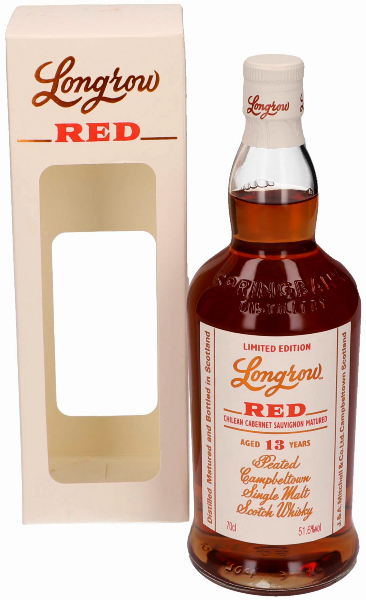
Longrow Red 13yo “Chilean Cabernet Sauvignon” (51.6%, OB, 10 years Bourbon Barrels & Refill Sherry Hogsheads, 3 years Cabernet Sauvignon Barrels, 9.000 bottles, 2020, 20/08)

Of all the Longrow Red’s that have been bottled, most follow some sort of recipe: first a long maturation in Bourbon casks, followed by a shorter term finish in casks that previously held a Red Wine. Only two deviate from this recipe: 2014’s Fresh Port, which had a full 11 years maturation in Port casks, the other one this 2020’s Chilean Cabernet Sauvignon, where part of the initial maturation was carried out in Sherry casks. By the way, the Wine casks for this edition were sourced from Mont Gras’ Intriga Estate in Alto Maipo, Chile.

As mentioned in the introduction of the previous review for the 2019 Pinot Noir edition of Red, when I tasted this Chilean Cabernet Sauvignon 2020 edition, I really liked it, so I got half a bottle. Still not sure ‘eh Quill? Probably not. One simply doesn’t put an open bottle in storage, nope, open bottles belong on the lectern here in Master Quill’s castle, and should be enjoyed right away. When tasting through this half bottle, especially when it was still half full, the smell and taste had some great funky organic peat going on, which I really liked, so I even went further and finally bought myself a full bottle, and put it directly in storage, because there is no room for closed bottles on said lectern. Lectern’s aren’t all that big, you know. Nope, there is no need to have the same whisky open twice one right after the other. This shared bottle is now almost empty, usually the moment the distillate of the Springbank distillery is at its best, so time to write up this review…

Color: Bright orange gold. Radiant with a pink hue.

Nose: Warm and creamy peat and dusty. In a way, hints of Wine, but not so much a Cabernet Sauvignon (a Red Wine), but at times more like a fragrant Alsatian White Wine with a little bit of added bonfire smoke for good measure. Definitely more Winey than the 2019 Pinot Noir edition. On top, hints of citrus combined with some funky organics with hints of bad breath. Not actually sweet, but sweeter than the Pinot Noir. Some recognizable notes of Oloroso Sherry, as can be found in several Hazelburn offerings. Wood, pencil shavings, paper and peat with hints freshly crushed green grapes, acidic, as in not very ripe grapes. Aromatic, farmy and perfumy (vetiver?). Soft and fruity, (little forest strawberries?), peat and some sweet and soft smoke. Bonfire smoke again. It starts with fatty and creamy peat, but before you know it, the smoke quietly displaces the peat. Wee hints of vanilla. This vanilla bit seems to be integrated with the fruity notes, like a custard with fruit syrup poured over it. Creamy. Not hard to smell this is a Wine finish though, and once you smell it, it can’t be un-smelled. Toasted Wine infused oak and some more pencil shavings. Faint smell of unlit Cuban cigar. Soft fresh wood and in part resembling the cigar box itself. Sweet funky organic note emerges next, this overall funkiness works wonders in this Malt. Nutty with raisins and next, the smell of an old bar of soap, this particular smell from an old ladies closet. Winey and perfumy. Hints on incense, cold air at night, maybe with a wee puff of smoke, integrated with the air, from an odd fireplace. Now some fragrant and perfumy fresh oak. Definitely some fresh sawn oak, although it doesn’t remind me of virgin oak Whiskies. Red ripe fruits hovering above all the other aroma’s, and a slight hint of yellow fruits well in the body of this Malt. This fruit takes a while to show itself. At times, it smells a wee bit to sweet, if you ask me, but this is only a minor gripe. Nicely balanced and smells accessible. Quite complex and the wood works wonders in this one. The Pinot Noir is the more likeable nose, but this Cabernet Sauvignon is definitely more complex.

Taste: Diluted red fruit syrup, again somewhat sweeter than the Pinot Noir was. Red Wine right from the start, which is easy to spot, when you’ve had Deanston’s Bordeaux offering earlier. Peat and toasted oak only come next, with a short smoky sting from peat and smoke, all very upfront. Almonds, semolina pudding with red berry sauce. Coarse rural toffee. I don’t even know if it exists, but the sweetness tastes like rough and crumbly toffee, not the smooth and runny kind we all know. More aroma’s of (new) wood. Sweet underneath, but with smoke and to a lesser extent peat on top, this is balanced out a bit. Some tar and smoke and some rubber even. Macaroons, After the sweetness and the prickly and smoky bits a more dryer note comes forward, as well as some virgin oak bitterness, almost sappy, savvy? Clay. Without the peat this would be suitable for almost every Whisky drinker, like the aforementioned Deanston, but luckily this has peat and smoke, making it different and for some, more exciting.

In most cases the distillates of Springbank distillery, only get better over time. Gaining in balance and overall taste and smell. we say it has to breathe and needs some time to reach it’s full potential. Here this is not really the case. This is one of those rare “Springbanks” that lose a bit of balance towards the end. The top probably lies around the half full bottle mark, but after that it goes downhill a bit, it doesn’t get bad, but its “deterioration” is noticeable, it loses a bit. In the end this is still a good Whisky, and sometimes it happens that a Whisky somewhat oxidizes, that in itself is no fault. Personally I need to find out if the (Red) Wine finishing is something for me. Still, this one is good, and the Deanston I reviewed last was good as well. Maybe it’s growing on me?

Points: 87

Longrow Red 11yo “Pinot Noir” (53.1%, OB, 8 years Bourbon & 3 years Refill Pinot Noir Casks, 9.000 bottles, 2019, 19/003)

I have to admit that the first few releases of Longrow Red weren’t my favourite Longrows on the market. I’ve tasted quite a few by now and from the first few releases, starting in 2012, I believe I liked the 2014 Port version best. However, even that one didn’t really impress me that much back then, since I didn’t go out of my way to buy it. Even today I still proceed with caution when a Whisky, in general, has had a Wine treatment, especially when the cask previously contained Red Wine. Fast forward several years later. On one occasion someone, probably Nico, shoved the 2020 edition of Red under my nose (The Chilean Cabernet Sauvignon), and that one did impress me a bit, so I got half a bottle in a bottle share, but more about that next time (spoiler alert). In the mean time, I visited Nico one day and saw an open bottle of his 2019 Pinot Noir edition, and with half a bottle of the 2020 Chilean Cabernet Sauvignon edition already sitting at home, and thinking of Master Quill and a comparison between both, I asked for a sample of his 2019 edition and the rest, as they say, is history…

Color: Copper gold. No pink or red hue.

Nose: Soft peat. Initially hints of classic red fruit from good Oloroso Cask matured Whiskies from yesteryear. Aroma’s working well together with the soft peat. Please bear in mind, no Sherry casks were used for this edition, so this can only come from the Pinot Noir casks. Appetizing stuff. A very hidden, tucked away, organic and deep sweaty and Winey note. Mild wine gums, soft wood bordering on cardboard and water based paint. Peated mocha with some smoke. Give it some more air, and the fruity and the (sometimes acidic) winey notes exert themselves some more, retaining throughout, the soft peat and the little bit of smoke. Salty toffee. Fresh, fruity, with an almost summery feel. Citrus notes (lemon) and floral hints, but also some milk chocolate and caramel. It smells sweet, acidic and salty, all at the same time. The peat gets softer and softer, as if it is a much older distillate. Receding peat leaves some more room for the smoke and a new flinty note emerges, as well as, some pencil shavings. Bad breath and soft moist wood. The Winey note gains some plastic along the way. Nevertheless, having smelled other Longrow Reds, the aroma profile comes as no surprise, although this is a particularly good one. This is what you get from peated Malts combined with different Red Wine casks. For instance, Gordon & MacPhail’s Ledaig Hermitage moves in the same direction. More about one of those later (another spoiler alert). For now, this Pinot Noir edition smells quite sophisticated and well balanced. Much better than earlier Red’s including the first outing of Pinot Noir in 2015.

Taste: A sweet and fruity entry. Sugary sweet mixed with the fresh notes of lemon juice. Soft and chewable peat. Slightly bitter wood. Almonds, full on toffee, caramel and only slightly fruity. On the sweet and fatty body, the winey acidity is there, but slides off quite quickly, noticeable yet not overpowering. Nice soft lingering peat and some prickly smoke. Amazing balance right from the start and again amazingly likeable. Next, some more fresh wood, which at times is quite spicy. The red fruity bit comes to the fore. Hints of fresh almonds. Very appetizing. I’m sure the Red series was a learning experience for the people at Springbank, but they are really getting the hang of it. The Red’s seem to get better and better as time progresses.

Wow, this is much better than the Red’s I know to date, especially the nose, which is this Malts strong point. I was wrong, because I’m human and not a bot, to have lost focus on this series after the first few expressions. Should have sticked with it. I’m reviewing this one from a sample, Nico kindly provided. He says this expression was at its best right from the start, so this does suffer a little bit from oxidation. So don’t take too long finishing this bottle. I haven’t tasted them all yet, but this might very well be the best of the Red’s.

Points: 89

An Cnoc “Rascan” (46%, OB, Bourbon Barrels, Peated (11.1 ppm), 18.000 bottles, L15/188, 2015)

The distillery is Knockdhu (est. 1894) and a while back the Whisky itself bore that name as well. Not to further confuse the public, the name of the Whisky was changed to An Cnoc, since there already is a distillery, a village, a house and a Whisky, called Knockando (est. 1898). Knockando today is owned by Diageo (humongous conglomerate with even a headquarters in the L.A. of Blade Runner 2048), and Knockdhu by Inver House Distillers (small conglomerette), so guess who changed the name of their Whisky. Inver House owns five Scottish Whisky Distilleries in total: Balblair, Knockdhu, Pulteney, Speyburn and Balmenach distillery. All, apart from Balmenach, are also marketed as a Single Malt Whisky. I don’t know why, but An Cnoc is highly underrated, almost never heard of so not a lot of people visit them at Whisky shows. This makes me wanting to root for this underdog, wishing all of their output being nothing short of great, showing all those people who haven’t been taking an interest, what they are missing. So when a few of these peated versions popped up in a local store, I picked out two different ones, to see what it’s like. Rascan (yes, a NAS Whisky) is the first one of those two to grace my lectern, and the first An Cnoc on these pages. Under the radar? Check!

Color: Very light, lightly coloured water, not even White Wine.
Nose: More perfumy and creamy than peaty, but there is certainly some peat in this. This starts out with a whiff of mustiness, but this also dissipates rather quickly, maybe still a shadow of the huge off-note from the freshly opened bottle? When this was freshly opened, I was really disappointed. Young, milky, new make-like and definitely not done yet, highly unfinished and unbalanced. Lagavulin 10yo all over again. Still, that shouldn’t put us off, because we are experienced, so we know that 90% to 95% of all Whiskies get better over time. When the level of liquid becomes lower, more air gets in the bottle and reacts with the Whisky, allowing the spirit to open up and reach a better balance. When writing this review, already over half of the Whisky is gone, and it is a totally different Whisky now than it was earlier. If there was ever an example to show you that a Whisky needs to breathe, this is it. Now it is friendly, lightly peaty and citrus fresh, with a wee spicy and gingery note to it. Appetizing and quite appealing. Creamy biscuits, cookies, and fresh air. Lemon skins in fine pastry, complete with powdered sugar. The milky new make has gone to the place behind the rainbow, the eternal hunting fields, which is a big, big bonus for us. Medium strength dried kitchen spices. Light bonfire resembling that of the Lagavulin Distillers Edition I reviewed last, just more perfumy. A snuff of black pepper, unlit tobacco and some mint, adding to the light spiciness, whilst still remaining friendly and citrussy. As it has become, I quite like it, no, actually, I like it a lot. It’s a solid performer now. I don’t regret getting this for a minute now. Sure, it maybe light and maybe even a bit simple and easy going, but it still has a lot to offer and seems to have some power as well, because it can change te perception of the Whisky tasted following this one. I like it very much, and I’m glad I do.

Taste: Here it starts rather young and biscuity, with and excellent amount of sweetness (toffee). A light creamy sweetness with prickly smoke and a hint of sweet licorice and some other soft spices. Some bitterness from oak, (but it’s not woody, nor has it much American oak vanilla), and again, nice, crisp lemon sherbet freshness. Lemon curd. Next, a peaty aroma somewhere in between plastic, tar, wax and licorice. You can feel it going down. Yeah. Mucho salty lips. It’s a NAS bottling and definitely young, and sure, not very complex, but still this is a well made, balanced and really nice Whisky. I hoped for it and I’m happy it delivers in the end, after maybe a wonky start, that is. A heed of warning for some of you. Yes, this may very well be a peaty Whisky, but please don’t expect a heavy hitting Islay style Whisky. It isn’t, it contains peat alright, 11.1 ppm, but it’s only lightly peaty, with some sweetness and some more nice citrussy elements. This is almost a nice summery peaty Whisky so to speak, with high drinkability. It seems to me the longer this gets to breathe, the better it gets, as often the case. I even left a dram overnight (with a lid without a 100% seal), and the next day it was even better still. How is that for a hidden strength. Quality stuff for sure.

By now, every bottle I open, I leave the cork off for at least a day, as said before, almost every Whisky benefits from it, and especially full bottles. The nose showed some unfinished (off)notes when freshly opened, but this Malt reacts excellently to air. It gets better and better after breathing. By now, it shows no off notes whatsoever, and what became an enjoyable dram, now even shows the high quality it possesses. If you work on it a bit, this what might seem to be anonymous Whisky at first, might surprise you whit what it has on offer. An Cnoc is now definitely on my radar. I’m going to look for a cask strength expression from a refill hogshead which will tell me more about the distillate.

Points: 85

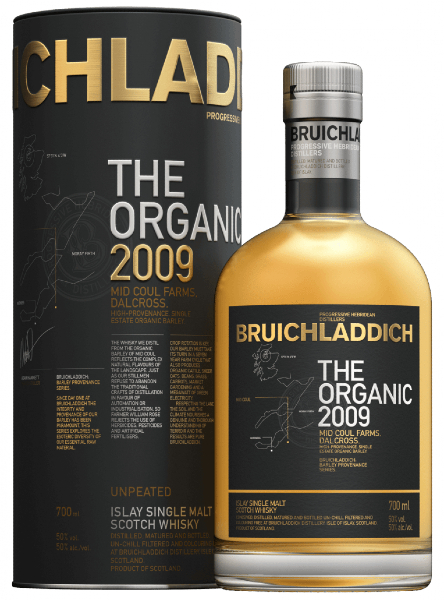
Bruichladdich 8yo The Organic 2009 (50%, OB, Bourbon and Tennessee Whisky casks, Mid Coul Farms, Dalcross, 18.000 bottles, 17/333, 2017)

The last Bruichladdich on these pages was the 2007 Islay Barley, and I suspect this Organic 2009 should be somewhat comparable to it. These two (Islay Barley and Organic), together with the Bere Barley expressions, seem to be Bruichladdich’s answer to Springbank’s Local Barley series. Both distilleries are sure that terroir matters, and you lovers of good food already know to use local, seasonal and fresh products. Where on every Local Barley bottle there is a statement of the Barley variety used, in this case Bruichladdich only mentions the use of 100% organically grown Scottish Barley. The Barley was sourced from Mid Coul Farms, Dalcross which is just to the north of Inverness and has Inverness airport as its closest neighbour, quite an odd place to grow organically. So no pesticides, but jet exhaust instead? Odd. As we already know, distillation took place in 2009 and the Barley used was from the 2008 Harvest.

Lets make it ourselves easy this time and finish off this introduction with the official introduction to the organic 2009 by Bruichladdich themselves: “The whisky we distil from the organic barley of Mid Coul reflects the complex natural flavours of the landscape. Just as our stillmen refuse to abandon the traditional crafts of distillation in favour of automation or industrialisation, so farmer William Rose rejects the use of herbicides, pesticides and artificial fertilisers. Crop rotation is key. Our barley must take its turn in a seven year farm cycle that also produces organic cattle, sheep, oats, beans, grass, carrots, market gardening and a megawatt of green electricity. Respecting the land, the soil and the climate nourishes a genuine and thorough understanding of terroir and the results are pure Bruichladdich”.

Color: White Wine

Nose: Initially cereal and biscuits, very clean. Briefly the aroma of cherries on syrup and almonds, but when air hits this Malt, this is soon gone, never to return again. Powdery and some vanilla, yet still fresh and clean. Warming mocha, creamy latex paint and a hint of light chocolate powder. No sign of new make spirit though, even though this is a pretty young Malt. Sure, I’m probably somewhat biassed by the organic name, but this smells like a honest Malt an “integrity” Malt and I’m happy to report no jet-exhaust at all! Next, some development letting a citrussy and more fruity bit through. Sweeter and slightly more floral now, whiffs of perfume whizz by. Soft wood, very soft wood. A breath of fresh air and this brings me back to the days in the noughties of many Cadenhead hogsheads, bottled in their Authentic Collection. Ahhh, memories… More milk chocolate, wood, also some fresh mud now. Instant coffee powder and also these half-sweet yellow fruits. After a long while the woody bit gets some more room and smells a bit like pencil shavings (and a wee bit of ear-wax) and a wee-er bit of Spanish cedar as well. Sometimes I even get the original Nivea cream. It may be young, but it smells impressively balanced already, sure it lacks the depth of a well aged Malt, but you already knew what to expect, when buying this didn’t you? (I did).

Taste: Sweet, just the right amount, and not really the oomph of 50% ABV. I did let it sit in a glass for a while, maybe the oomph evaporated? Just kidding, or aren’t I? It’s most definitely not harsh now and actually quite soft. Sweet barley and more wood than initially showed up in the nose, and after a while, some bitterness emerges. Vanilla and the wee bit of ear-wax from the nose is present on the palate as well. Quite nutty. Sweet floral lemon balm on my lips. Runny caramel which fits perfectly with the fruity acidic notes. This may not be a very complex Malt, but I wouldn’t make the mistake of calling this simple. This is a well made Whisky, with a lot on offer.

I’m writing this review from a bottle that has about one third left, and the Whisky is more mellow now and better balanced than it was when freshly opened. It might have even been a bit harsh on opening. Many of you know the difference between tasting a malt in an controlled environment, (no I don’t mean a laboratory), like your living room or man cave for instance, a place you know well. Tasting a Malt outside, with it’s constant flow of fresh air, I often don’t pick up on certain markers from a Malt, I most definitely do pick up on inside. The tasting experience outside, therefore differs for me, from inside. Having said all that, this Organic 2009 actually works wonderfully well outside. This malt just needs some more fresh air, and with this, it shows you more, as if amplified. At least today it does, and it is quite a grey and windy day. Not a dull day, mind you, hard wind and rolling clouds are fun to watch, as well as the stuff blowing by my window. Circumstances not unknown to Bruichladdich. Just pour it and leave it there for a while, again a Malt that needs your attention (like the Ben Nevis I just reviewed). This may very well be an anoraky Whisky. Personally I like it a lot and have a lot of fun with. Somewhat of a hidden gem if you let it. Good stuff, just like Islay Barley 2007, scoring the same.

Points: 86

P.S. I found this Whisky works best in a larger Whisky glass, my favourite glass for this Whisky was the Holmegaard Perfection Spirit Glass.

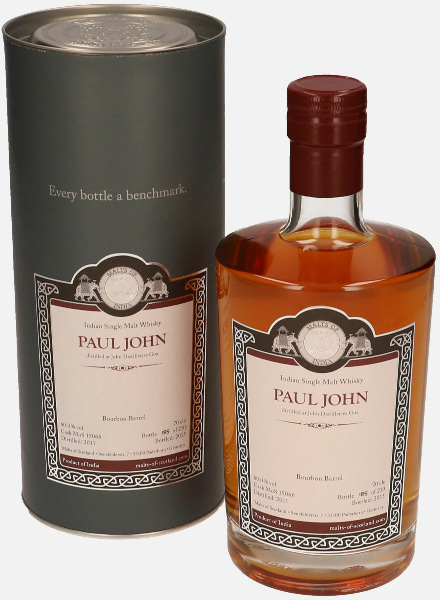
Paul John 2011/2015 (60%, Malts of Scotland, Bourbon Barrel MoS 15066, 210 bottles)

In the previous post I mentioned that I always have two Paul John Malts open, as well as two offerings from Amrut. I’ve grown quite a fondness for Single Malt Whiskies from India. I’m sure that when more room comes available for open bottles, India will be the first to get more room on my lectern. The previous post was about the peated official Paul John single cask #745 I currently have open, and it’s a stunner again, after #777, and now we’ll have a go at another unpeated one. This time I chose one, bottled by German independent outfit Malts of Scotland (and in this case: Malts of India, really, it says so on the label). This is not the first Malts of Scotland’s Paul John on these pages though, in 2018, I reviewed a different cask, MoS 15068, that matured longer and contained peated Whisky, and again yet another stunner. Both Malts of Scotland and Paul John need no further introduction, so lets move on to the tasting.

Color: Full gold.

Nose: Malty and biscuity. Cookie dough with fresh citrus notes, occasionally sweet mint, and quickly taken over by more woody and dusty notes. This one smells a bit younger and simpler than #745 and #777, lacking some age maybe and the added bonus of peat. This is a back to basics kind of a smell. Since the peat is not here, there is more room for this Malt, or the Paul John distillate in particular, to show its more floral side (borderline men’s cologne). The wood is, well woody and waxy, and somewhat spicy, but not your typical Indian or exotic spiciness though, but a kind of spiciness that can be had in a Scottish Malt as well. Let’s say spices coming from the wood. So, kind of heavy, but the rest is fresh, floral and friendly. The sun is shining in this one even though the “heavy” bit can dominate at times. This is definitely a less complex Paul John, but a Paul John nevertheless, very recognizable. At first I thought this was maybe a closed Malt and given time it would develop some more, but no this is more or less it. Not bad, but simpler.

Taste: Initially sweet and fruity. Wax and ear wax. The sweetness is quite quickly pushed aside. A little sting from wood, some woody acidity as well. This must have been quite an active cask and maybe it aged right under the roof in hot surroundings. Quite some woody bitterness now. Big and hidden sweetness now, with a lot of wood spices. Barley (sugar) and biscuity. Soapy feel on my tongue. But even for this quite young Paul John, this is still remarkably balanced and very tasty. Again dangerously easy to drink, even though it is wood driven and bottled at 60% ABV. Quite hot going down, this sure is a 60% Malt. The finish is more of the same, wood, wax and to a lesser extent, some fruit in the aftertaste. Quite some bitterness stays behind in the middle of my tongue. I’ve spent some time with this Malt, again thinking it might be somewhat closed, but no, again it is what it is and for me it is quite a simple expression dominated by a few big aroma’s mentioned above.

So there you have it, all in all a simpler take on a Paul John single cask, quite young and dominated by wood. The wood gave off quite some bitterness, that I believe they couldn’t even leave it ageing for longer even if they wanted to, before the bitterness would be taking over, and dominating this Malt. As it is now, the bitterness is still acceptable, but definitely present. Luckily there are some other dominating factors in the Malt as well, not to let the bitterness rule. So still, a good, rather young and simple Malt. I say young, but coming from India this has nothing to do with the aroma’s of new make spirit, so don’t you worry ’bout a thing! This is still a good Malt and I’ve spent many happy moments with it, especially when it’s sunny.

Points: 86

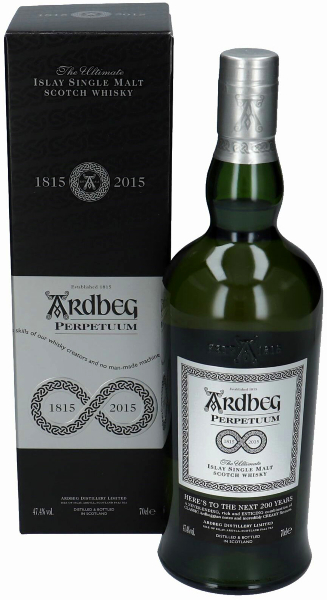
Ardbeg NAS “Perpetuum” (47.4%, OB, Bourbon & Sherry casks, 72.000 bottles, 30/03/2015)

Most of today’s Ardbeg core range has been featured on these pages now. I already liked Ardbeg in the past, but all modern Ardbeg’s seem to be to my liking as well, but they are quite different from the old ones obviously. I have to say that the core range of Ardbeg might be quite unusual to some; a 5yo (Wee Beastie), a 10 yo (Ten), and three NAS bottlings of which one has a lower strength (An Oa) and two are at a rather high ABV (Uigeadail and Corryvreckan). These bottlings show that Ardbeg is still a wonderful Whisky today. This prompted me to look beyond the core range and buy (at auction), some of the special releases Ardbeg has been doing for a while. First one up, is one that has been released for the 200th anniversary of the distillery, and honouring this fact, this must be a stellar release. Looking at auction, this might not be the case, since prices are still reasonable today, even at the time of writing. Sure 72.000 bottles is not really a limited release, but even with the popularity of Ardbeg, these are still widely available (at auction) and affordable, although at least twice the price of any of the core range bottlings.

Color: Light pale gold.

Nose: Right upfront soft peat and warm smoke from the fire place, soft wood and tar. Sea spray, barley sugar (quality Rum sweetness) with a hint of cardboard. Tarry rope. Salty, aromatic and balanced. After a while, more iodine is noticeable as well as some lemon notes. Grandma’s old bar of perfumed soap, found after many years in the back of a closet (behind her rather large knickers). Nice subdued yellow fruit. Green garden plants (not flowers, nothing blooming), just the leafy stuff. Black tea (the dry leaves) and do I detect some chlorine (mixed in with the lemon)? The “hefty” peat notes that jumped out of my glass before, dissipates rather quickly, making the nose rather soft. I’m guessing this is quite a young Malt or has at least quite some young stuff in the blend, without it being anyway near new make. Nothing wrong in that sense, because young Ardbeg can be damn good. When the peat takes a back seat, the iodine I already mentioned, is accompanied by some plastic and pencil shavings and some deeper older peat, so probably some older casks were used as well. Since this is another modern sea faring Malt, lets call it tarry nylon rope, shall we? The warm smoke I mentioned before, has some more staying power. More of the faint citrussy note, as well as some cold butter and maybe even some unripe yellow fruits, but as I said, it’s faint. Late in the mix another faint note of spices emerges. This is again a very nice smelling Ardbeg, still a force from Islay to reckon with. This promises a lot for what is to come next…

Taste: Sweet, soft and friendly. Somewhat fruity already with molten vanilla ice cream and toasted wood. Lots of licorice, black and white powder and chlorine on the palate as well. Salty. Fruit and fruity acidity. Initially lacking a bit of balance, and it seems overall simpler as well. It tastes a bit like a dram to which I’ve added a little bit too much water. (I haven’t added any water at this point). Wee hint of a bitter note in the back and traces of coffee. Quite tasty, but not truly powerful. A fruity Ardbeg. Crushed beetle, prickly smoke and not so soft peat. More fire and fireplace. Sometimes it seems like the fruit and the peat aren’t very happy with each others presence. For instance, the fruit and the peat did like each other much more in the Benriach Latada I reviewed recently. Also, the promise made by the nose, isn’t kept by the taste. A shame really, because the nose is really good. So what went wrong here? Has this suffered from too much reduction? I do think that might be one of it’s problems, as well as the youthy bit and therefore lacking some depth of the whole. Seems to me they tried to get too many bottles out of this batch. Maybe this should have had a higher ABV and maybe some more older casks blended in. I don’t know, I’m not a blender. However, having said that, I do like this expression quite a bit, there is a lot good stuff here, and it sure has some weak points, in the end it has more strong points. I had a lot of fun with this one. The Ardbeg quality is certainly there.

In the big world, this is quite an unloved Ardbeg, This is the quintessential Ardbeg, that in the beginning of gym class never gets picked for the side, even when it’s liked by everyone. It just doesn’t seem to perform or isn’t considered a winner, and we play to win now, aren’t we? There is most definitely nothing wrong with the nose, because this is a very nice nose with lots of nice things to smell. Taste wise, yes, sure, it is a bit weaker, reduced, but given some time to breath this Ardbeg do catches its breath and reaches a higher level. This would make for a nice addition to Ardbeg’s core range as a third high ABV, NAS bottling. But as is, this might be something of an underdog. Lets be clear, the nose is nothing short of wonderful and the taste, although lacking some oomph, is likeable and easily drinkable. An easy Malt to be around with. Soft and friendly, with a good character and tasty as well. If you feel, taking part is more important than winning, than this is still a good Ardbeg if you allow it to be. If you are critical and expect every Ardbeg has to be an absolute winner or stunner, than no, this is not for you. Get a Twenty Something instead, which is relatively recent and easily a 90+ points Whisky to boot.

Points: 86

Because its different from my two favourites out of the core range: Uigeadail and Corryvreckan, then sure, you can get this and it won’t fail you. It didn’t fail me. But in the end, both NAS bottlings are slightly better and both together cost more or less the same as this one Perpetuum by itself, definitely something to consider.

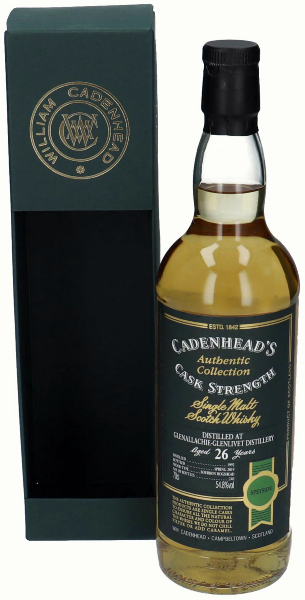
Glenallachie 26yo 1992/2019 (54.8%, Cadenhead, Bourbon Hogshead, 240 bottles)

Here is another example of a soft spot Whisky that has been aged for a good while in a (refill) Bourbon Hogshead, like the Glentauchers I just reviewed, although this Glenallachie is twice the age of the Glentauchers. In my recent reviews of Inchgower and Tormore, I mentioned Whiskies although they may be lesser known to the public, I particularly like. This may very well be, and most definitely is, a personal thing. I believe one of the interesting aspects of one’s Whisky adventure is finding a Whisky that suits you personally. One that clicks. Often these lesser known Whiskies come from work-horse distilleries built for the sole purpose of making whisky for some big volume blend. In the case of Glenallachie that was the Clan Campbell blend. Well, Glenallachie might just be another one of those work-horse distilleries that could suit my palate just right. Up ’till just recently, only bearded extremist, poncho wearing, aficionado’s had ever heard of Glenallachie and knew what the distillery was capable of, and sure enough, even Master Quill did only write about independent bottlings of Glenallachie until the recent review of the official 15yo. So the tradition has already been broken, but here is yet another independent bottling of Glenallachie, this time one bottled by Cadenhead.

Fairly recently things have changed considerably at Glenallachie. Billy Walker cashed in big-time by selling Benriach and Glendronach, and turned his eye upon Glenallachie for his next project. Similar to what has happened with Benriach and Glendronach, a lot of Single Cask bottlings and a new and extensive standard range, with lots of variants, is hitting the markets as we speak. Hot stuff! At the Whisky Show in London, I had the opportunity to try a lot of these newly released Glenallachie OB’s for the first time, and, I have to say, I was quite impressed and especially pleasantly surprised by the “younger” expressions. The 12yo OB as well as the first few batches of the cask strength versions of the 10yo were very good. I am liking the potential here and will keep an eye out for this distillery and its offerings.

Color: White Wine.

Nose: Spicy, fruity and appetizing. Smells a bit like (any) classic Cadenhead refill hogshead bottling I know from 20 years ago. Citrussy, almost the clean and cold citrussy (lemon) smell of a freshly cleaned toilet. Wonderful soft wood. Even the toilet paper seems to be here. It is definitely not as bad as it sounds, it is actually quite appealing, but I find a freshly cleaned toilet also appealing (and inviting). So fresh and clean it is (The Whisky). Next, a more warming and medium spicy wood smell next to the citrus. Pencil shavings. Nice development as well. It’s aromatic, but it is not big. Next, more sweeter (diluted honey). The fruit is never far away just like this impression of sweetness. Some seriously fine fruity aroma’s emerge. For instance, green apple emerges quite late. Damp forest floor as well as some plants in the summer. Slightly minty and hints of Calvados. Dry lavender pouch from grannies drawers and lots of fresh air too. The citrus I already mentioned, but also some ripe sweeter kinds of yellow fruits. This needs some time to open up. Excellent balance between the wood and the fruit. Probably from a (second, or more) refill Bourbon Hogshead. This one is just about the cask and the distillate, giving us some nice results. The recently reviewed Cragganmore 12yo Special Release, is also a Whisky built around this theme (as well as some unexpected smoke, in that particular case). A perfect example of a Whisky where the beauty lies in the details, which works excellently in a flight of Whiskies like these. Top Tip!

Taste: Hot entry, where the wood has a louder voice than it had on the nose. Alcohol first. Caramel, toffee, cold chocolate milk and a candied apple on a stick. Sweetness second. Starts with only a clear hint of wood. Sharpish (painted) wood (old paint), yet not a lot of it. Wood third. Quite pleasant. Sweet and lots of sugary sweet yellow fruits, very, very appetizing. The start of this Malt is really wonderful and well balanced. Very tasty. Towards the body of the Malt and especially in the finish, there is also quite some, lets say, some less hidden wood, which is no surprise after 26 years. The wood becomes quite pronounced towards the end of the body and especially in the finish. The wood shows quite some bitterness as well, which takes away a bit from this Dram. Plant sap and oak. A bit hot going down. Drying on my tongue, making the malt more astringent. The sweet start is entirely pushed away. The fruit is still there but the wood replaces the sweetness, making it less lively and less “tropical”. The bitterness has some staying power but not much. Actually, nothing has a lot of staying power, so this definitely is of medium length at best. A light bitter woodiness makes up the aftertaste.

Yes this is a good Malt and I understand the people who say they really like it. It has some really good traits. For me personally though, losing the sweetness along the way and the wood, and its bitterness, taking over like this, takes away a from this Malt. But hey, this is a 26yo Malt, so there is bound to be some wood in here, don’t you think? I wonder how this was when it was younger. Would the wood have less to say, less drying and less bitter? Would the fruit be still as developed as it is now or would it be more youthful and vibrant? Maybe we’ll find out some day from a sister cask that was bottled several years earlier. In the intro I was wondering if Glenallachie might be another work-horse distillery which would suit my palate? Well after the Glenallachies I tasted up ’till this point, I wouldn’t place it in that category with Tormore and Teaninich just yet…

Points: 86

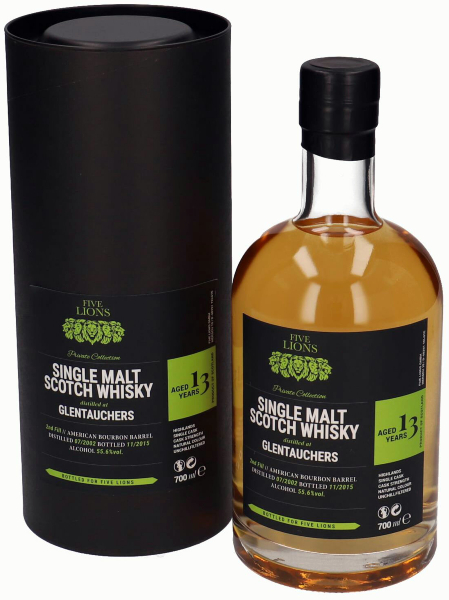
Glentauchers 13yo 2002/2015 (55.6%, Five Lions, Private Collection, 2nd Fill Bourbon Barrel)

Within the realm of Whisky one can find a lot of different tastes and smells. But hey, that is also true for Rum and many other aged distillates. This is one of the reasons one can never really stop talking or writing about it, because there is always a lot more to say. Whisky isn’t dead, there is a lot of evolution in Whisky as well. Once only Blended Whiskies were the ” thing” and most distilleries owe their life to being part of a big selling blend. There was also a big move towards ageing Whiskies in Spanish Sherry casks, butts and puncheons. Who doesn’t like those excellent 60’s and 70’s Sherry driven Malts like the Macallan, Glendronach, Longmorn and Strathisla to name but a few.

More recent and more evolved are Whiskies in less traditional casks like Red and White Wine casks. Today everything goes. Casks after Rum, Cognac, Calvados, Sweet Dessert Wines, or Sherry’s put on American Oak casks rather than the traditional European Oak. The Sherry drinking public finds these Sherry’s more friendly and accessible. The art being how to use all those different casks, and for how long. A fine example turned out to be this recently reviewed Deanston finished in Bordeaux casks. When talking to people who… well the world knows them as anoraks, aficionado’s or connoisseurs, when talking about the different styles of Whisky, these people always seem have a soft spot for Whiskies that have been aged for a good while in refill Bourbon barrels and Hogsheads. These casks tend to less dominate the distillate and add more creamy and vanilla flavours (coming from American Oak). Whiskies that have been aged this way always leave some room for the quality of the distillate, which differs from distillery to distillery, making these Whiskies extremely interesting.

Here we have an example of this. A Glentauchers, aged for 13 years in a second fill Bourbon barrel, nothing more. So what we have here is the distillate and a previously used cask, nothing more. I bought this one at auction and it didn’t break the bank, and I felt this would do just fine. Glentauchers makes a nice distillate, the cask is a second refill, so not worn out, not tampered with, recharred or something and always a plus, the Whisky was bottled at cask strength, giving it enough power to bring all those lovely flavours forth. Lets dig in!

Color: White Wine

Nose: Starts nutty and waxy. Dried out yellow fruits with a little bit of honey. Big breaths of fresh air and a citrussy acidic note as well. An ever so slight edge of smokiness. A huge layer of perfumed paper and a slight burnt note as well. Soft wood bordering on cardboard and the skins of almonds. Initially not as fruity as expected. So it seems not fruity nor woody at first. However, having said that, there is definitely some fruit here, but it is all fresh citrus notes. Oils from the skins. Hidden fruits. Thus the cask might have been less active, making this an excellent example of a malt where only time and the quality of the spirit determine the outcome, and the cask did do something as well obviously, but to a lesser extent than in most other cases. Still, this is a giving Malt, it is quite big on the nose, very fragrant and aromatic. Soft blend of licorice and spices in cold dishwater (a wee bit soapy), which isn’t as horrible as it sounds. This is a very laid-back Malt were nothing really stands out. A soft and quiet spoken Malt. The one that sits in the back at a birthday party, aptly dressed for a party and wearing fine floral cologne. It is more than happy to observe in stead of taking part in idle and utter boring conversation, biding his time until it’s time to finally go home again. Slightly (saw)dusty and the fresh air just keeps coming. Hints of cold gravy. After a while the floral note becomes clearer. Jasmine. not so much the fresh flower itself, but more like the scented rice or the tea. I’m actually still struggling a bit to distinguish the other fruits. Some unripe pineapple and unripe waxy mango skin. The malt is friendly and accessible, which often spells: “fruit”, but no, that doesn’t seem to be the dominant aroma this time (apart from the citrussy top note, and maybe some unripe fruits). Good one this though. Balanced, I like it.

Taste: Sweet and wood-spicy on entry. Hints of mocha cream on a cake. A friendly, and citrussy fresh, entry. Wood and wax and definitely more fruit than in the nose, the sweetness helps that along. Yet still not a very fruity Whisky though. The wood adds some restrained bitterness. Licorice all sorts, including the anise. Wow, remarkable. Quite hot going down. Lightly smoked toffee with some cumin and minty toothpaste. Light honey aroma’s make up the rest of the sweetness. Hints of wood, cardboard and a leafy note. Some smoke, pineapple and lemon hard candy. In the end the woody bitterness stays behind in the aftertaste. Sometimes it even tastes a bit soapy. Alcohol definitely there. Sweet, nice, and a very tasty Whisky indeed.

Even though one might consider this less interesting because of the cask used, and therefore one may find it even a bit boring. If you do, you might be missing the point. For me, this is a well made Whisky which does have a lot to offer. All is good and all is in its place. It’s a Malt of integrity and honesty and to be honest, this one pleased me a lot more than the dark coloured and Sherried Glenallachie 15yo I reviewed recently.

Points: 86

Kingsbarns “Dream to Dram” (46%, OB, First Fill Bourbon & First Fill STR barrique)

Happy 2021! After dry Januari, finally the moment has arrived to forget about the past year, may it never return, in no shape or form whatsoever. However, all is still not well with the world at the beginning of 2021. I hope this review reaches you in good health and sound mind. With this new year, I’ll kick off with a new dram from a new Distillery. Kingsbarns is the new distillery owned by the Wemyss-family, a name we already know as an independent bottler of Single Malts like the Bowmore “Aniseed Pastille” and the Clynelish “Cayenne Cocoa Bean“, Malts I reviewed earlier.

Kingsbarns Distillery lies approximately six miles from St. Andrews, close to the Kingsbarns Golf Links. This is not a coincidence since the distillery was the dream of former Golf Caddie Douglas Clement. Word is that clients of Douglas’ were asking for directions to the nearest distillery, for “refreshments” after a strenuous game of golf, and since there really wasn’t a distillery close by, Douglas came up with the idea of having a distillery much closer to the golf course. Douglas found a suitable site close to the Golf Links. He found the derelict East Newhall Farm that serviced Cambo House and Estate. The buildings originated from around 1800 as part of the East Newhall Farm. Owned by Thomas Erskine, the ninth Earl of Kellie, and were restored for the use as a distillery in the original style. The farm, now distillery, overlooks barley fields, what else do you need? Kingsbarns Distillery opened in November 2014 and began filling casks from March 2015.

Raising money for a distillery was too much for Douglas alone, so he looked for financial backing, eventually finding the Wemyss family. Some reports mention that Wemyss simply joined the project, where others mention Douglas was bought out by Wemyss. As far as I know, Douglas worked together with Wemyss to fulfil his dream. The Wemyss family themselves probably were interested in the project, because they already did have a Whisky business and thus know their way around, but also have a historical link with this site as well. The 7th Earl of Wemyss owned part of the Cambo Estate between 1759 and 1783.

Color: White wine

Nose: Very Malty and grassy, but also pleasant. Young and creamy with hay, cereal and citrus aroma’s. Yes. very Lowland. Somewhere between soft and fresh ‘n zesty. Young, but not really new make spirit young (so nothing like young Tomatin, which is more milky and acidic to boot). Vanilla pudding with a little bit of American oak (vanilla and some wood spice), soft wood. Sweet mint candy. Menthos and vanilla ice-cream. With some air more friendly floral notes emerge. Already quite balanced and accomplished for such a young malt, but young and simple nevertheless. The nose can be compared easily with something like Bruichladdich Organic (the vintage ones @ 50% ABV), which are around twice the age, and still those are considered to be very young. The Bruichladdich tastes much bigger though. Tiny hint of toasted oak and a winey top-note. What was STR-cask again Kato? (Shaved, Toasted en Re-charred). Nice nose, better than expected. After some more breathing a little bit of new make does show up, but not much. However once this note shows up, it never leaves again, so definitely a young expression, but that’s what we expected now, didn’t we? Perfumy and aromatic next, like a Dutch Korenwijn or Jenever. A light Whisky for springtime, an introduction.

Taste: Sweet and citrussy, floral and grassy, but also a bit (sugar) watery (with licorice) and simple. Again, this whiff of toasted cask, lemongrass and young sweet malt. The sweet note makes for an instant gratification Malt, be it a very simple one. Here the youth is even more noticeable. It definitely lacks a lot of complexity and some balls. What you taste is what you get. It doesn’t really evolve much in my glass. It’s very soft and friendly, like a soft spoken person. Humble and kind. Lowland-ish in style. Luckily, some backbone is offered by a peppery note and warm wood. Cold White Wine storage complete with a whiff of new cardboard. The higher ABV of 46%, does help to lift things a bit up, although I do believe this Malt could have done with an even higher ABV. Very short sweet finish, peppery and warming, dessert-like, with hardly any aftertaste.

The nose shows this distillate really has potential. I guess this will be very nice when it gets more years behind its belt. The Lowland quality is there, time and the people of Kingsbarns will do the rest. A Malt to start your evening with. Treat this as an introduction, a young whisky to present itself. We now know what style to expect. It is most definitely not a full blown Whisky yet, and if you buy a bottle expecting a proper aged Whisky, you’ll be disappointed. Nice one for building expectations. We’ll be watching this one to see how this develops further.

Points: 76

Thanks go out to Nico, for this sample of his Whisky.