Benromach Contrasts: Cara Gold Malt 11yo 2010/2022 (46%, OB, First Fill Bourbon Barrels, 20/01/22)

I almost forgot to write this review, because I though I’d already done it. Here we have the first Benromach on these pages after they revamped the look in to this slightly bulkier glass bottle, more straightforward cardboard box (easier to store) and last but not least the usage of the colour red. I was a bit hesitant at first because I really liked the copper they used in the previous package, but the red stands out, looks fresh, smart and traditional. So I do like the new look a lot now, and love having them around. If this one’s empty, I’ll probably replace it with another (red) Benromach. Most likely another one from the contrasts series, since it offers interesting takes on Malt. Here it is because of the usage of Cara Gold barley.

Most Benromachs that are on the market now are fairly young, sure there are some older bottlings like the 15yo and the 21yo, which are different yet not necessarily better. The Whisky at hand is 11yo and a nice choice for starting a flight of Whiskies or as a casual sipper. Not expensive and an honest pour. Benromach produces a heavier more meaty spirit, often slightly peated and sits well with knowledgeable anoraky aficionados, you know who you are, and since you are reading this, you’re probably one of them. This particular offering is partly made with Whisky made from Cara Gold barley as well as the normal Benromach lightly peated malt, both matured in first fill Bourbon barrels.

Color: Straw.

Nose: Sweet barley first, very appealing and very aromatic. Clean, fresh, fruity and malty with malt sugars and a nice layer of dust and paper-like aroma’s adding to the whole. Nice fresh wood tones, but nothing overpowering or off. Straightforward without any frills. Candied wood and candied yellow fruit, with hints of sweet smelling smoke, as well as some licorice. Clean and modern, although some yesteryear comes through as well. More wood (perfumed, highly aromatic) and wax with ripe yellow fruits. The label claims tropical notes, and sure enough… My perception of the fruit depends on the moment I’m smelling this. The first time around I wasn’t all too sure about the fruitiness, but the second time around, yes, here it is. I recently recovered from a nasty variant of the flu, and now that the nose is working again, I certainly pick up more on the fruit now! I’m very pleased with this Benromach. It smells very nice, accessible, balanced and its very aromatic and appealing. Well made, wonderful stuff and very affordable as well. After smelling this on many occasions over time, the fruity bit does wear off if you keep this for a while in your glass, focussing on the dusty and woody notes. Still soft and friendly though.

Taste: On entry, sweet smoke and sweet licorice. More subdued fruits. Candied Barley. You could smell it already, but it is most welcome tasting it. 46% ABV is a very nice drinking strength, definitely better, for modern Malts, than 40% or 43% ABV. Back in the day 40% ABV worked well, think of very old Gordon & MacPhail bottlings, like early Connoisseurs Choice bottlings (brown label, map label etc.) Yet Malts from this century definitely need a higher strength, higher than 43% if you ask me. Sweet, woody, spicy, somewhat bitter and slightly fruity (less so than in the nose). Tropical, well maybe. The wood has more to say here than it did on the nose. So more wood, slightly harsh even and showing some bitterness. The smoke is here as well and in the triangle between the wood, the smoke and the bitterness, it does take away a bit from the balance of the palate. A new sip with a fruity start masks the bitter bit for a moment. The finish is not very long and not a lot of it carries over into the aftertaste. But almost all you get is good (it turns out the bitterness has the longest staying power). No off notes. A very pleasant, fairly simple (it doesn’t develop a lot) and affordable dram. There is some diluted vanilla present, proving the maturation on (first fill) American oak. By the way, due to the bitter note this has, it isn’t entirely a casual sipper. Good, but I preferred the nose over the palate.

By itself a (partial) Cara Gold offering isn’t saying very much, it would be really interesting to have several Benromach bottlings, like this one, made with different barley varieties, open at the same time, to be able to compare them to each other. I checked my stash, but there isn’t another one at hand. A bere barley version would be nice, come to think of it, because bottlings like this remind me of the rebooted Springbank Local Barley series, where the Bere Barley version bottled in 2017 is my favourite. Yes I often prefer it over the 16yo and the dark 10yo. Sure the 16yo and the dark 10yo are great and definitely stellar as well, but the 11yo from 2017 is so good! Don’t be fooled by higher numbers or the colour of Whisky! Final remark, this particular Benromach worked best for me in a small tulip glass, a narrow, long stemmed Riedel for instance as opposed to a bigger glass, like the Holmegaard Perfection Spirit Glass. Both are very good, yet different. Good glassware always shows you more sides of the Whisky you’re drinking, so I do recommend to invest in good and several different pieces of glassware. It makes exploring your dram a lot more fun!

Points: 85

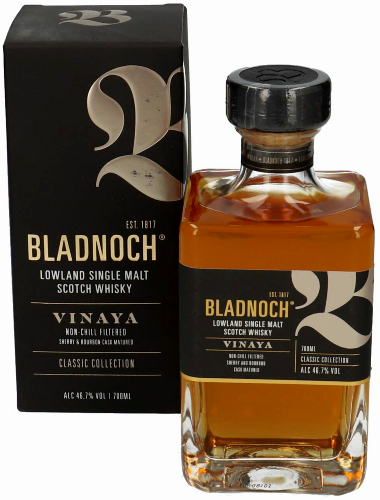
Bladnoch Vinaya (46.7%, OB, Classic Collection, 1st Fill Sherry & 1st Fill Bourbon casks, 2021)

Only the third review of a Bladnoch on these pages, I actually thought there would be more. I guess the first review of the 8yo Beltie Label was a true learning experience to get to know Bladnoch. Bladnoch had a bit of a reputation and that particular bottle when freshly opened just confirmed this reputation. If I’m not mistaken the 8yo fully came out of the production when Raymond Armstrong was the owner. He produced mostly between 2000 and 2009. However, the more I tried it and the more air went into the bottle, that’s when the magic started happening.

Fast forward all these years (since 2012) and now Bladnoch is one of those “obscure” Malts that I really like. Between that review and the next, Bladnoch Distillery changed hands, and the second review (in 2021) was the official 10yo bottled in 2018 by the new owner David Prior. David’s Bladnoch started production in 2017. Comparing both reviews you can clearly see I warmed up completely to Bladnoch. When I finished the 10yo I replaced it with the Vinaya, which is a NAS Bladnoch, again from the new owners, to see how I would feel about another young Bladnoch like the 8yo, now that I’ve become fond of Bladnoch. Would the Vinaya have a similar false start like the 8yo Beltie, or is it more like a NAS version of the 10yo I mentioned earlier. First of all the difference, apart from the age statement, is that Vinaya has in part matured in Oloroso Sherry casks, where the 10yo matured solely in Bourbon casks. Vinaya uses older casks from Raymond’s Bladnoch blended together with (probably 4yo) Whisky from David’s Bladnoch.

Color: Gold.

Nose: Malty, pleasant, with slight notes of diluted Red Wine, which is also noticeable as an added acidic note. Also candied lemon seems present. Fruity overall. Fruit syrup. Since we know that this has some young Whisky in the fold, I’m happy to report that there is no sign of new make spirit or anything that resembles that. Creamy notes from American oak also some notes of toasted oak. It has a slight “bite” to it, which is very nice in combination with the thick fruity aromas. Yet again a big smelling Lowland style Malt from Bladnoch. Lowlanders are often grassy and hay like (and so they should, its their heritage), yet Bladnoch in general are pretty creamy and Vanilla-like, and all of this in a big way. Maybe that’s why I always liked St. Magdalene (Closed) en thus Bladnoch (Very much alive again). So the nose is big, big on the traits of a Whisky matured in Bourbon casks. Bourbon definitely plays a larger part in the profile of this Whisky than the Sherry does. Quite surprising, since the Sherry casks are first fill as well. Candied pineapple, (yellow) fruity aroma’s emerge. Hints of paper as well as traces of burning paper, Wine again and warm butter. Dust and the wood of an old dried out cask. Pretty mature smelling for a NAS-Whisky. Very good nose this NAS-er has. Hints of old style Malt, which is a surprise considering the composition of this NAS. I foresee great potential in Bladnoch’s new production, which as mentioned above, started just in 2017.

Taste: Just like the nose this starts Malty. Warm super-ripe fruit mixed in with a lot of cardboard (Malt) and some young wood. Here the wood provides a “bite”. Warm apple compote in a soggy cardboard box. Yes, definitely a fruity Malt, just with this wood/cardboard edge to it, probably from the Malt of the younger production. Next sip, more of the cream and vanilla, as well as some sweetness, astringent wood and distant nuttiness. In a way dull, in a sort of basic Malt kind of way that is. Simple, without a lot of development (by the way, the nose does develop more than you would expect). Present also, luckily, this acidic note from the nose, only less so. The whole is definitely a lot simpler than the nose promised. Not very expressive to be honest, yet what you do get is nice. Dull is a fitting word, not to be confused with boring, although I can imagine some of you aficionados that are not (yet) into “back-to-basics” (again) would call this boring. Still, it is fatty, creamy. Not entirely sure this Whisky is 100% balanced though. I get the Sherry influence, but it doesn’t seem to be perfectly integrated. Medium to short finish (hey, it’s a NAS), again with this slight unbalance to it, somewhat paper-like. The aftertaste is slightly creamy with wood and warming, with something new: hints of gout de petrol. I wonder how much of the new production is in this and how it is on its own. By the way, don’t let this sit in your glass for too long, a fresh pour tastes the best.

An excellent nose for an NAS-Whisky, yet somewhat less thrilling to taste. It’s good, yet not spectacular. But hey, it isn’t very expensive now isn’t it? Definitely worth a go, I would say. Daily drinker kind of stuff. Personally I’m not a daily drinker, far from it, but if I would be, this will definitely be on the list, especially amongst others with a different profile. Sometimes one doesn’t feel like getting a peated Whisky or a Sherry-bomb, but something like this (lets call this a Bourbon+ profile, “+” for the added Sherry influence), is always good. I never grow tired of this back-to basics profile. I’m not sure the 10yo and 11yo Bourbon versions still are available, but I would recommend both over this one. The score might not reflect it entirely, but this is a fun Whisky nevertheless, so no regrets, worth the price of admission for sure.

Points: 84

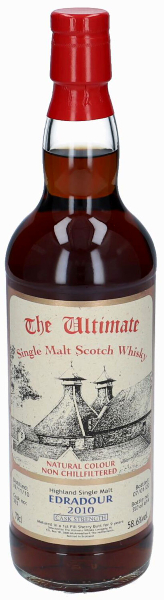
Edradour 9yo 2010/2020 (58.6%, Van Wees, The Ultimate, 1st Fill Sherry Butt #393, 614 bottles)

Seems to be some sort of a recurring theme on these pages to review a Whisky from a distillery I haven’t reviewed for a looooong time. This time around a Whisky from Edradour, which was last featured here in 2015. Edradour is a bit of a difficult Whisky. You don’t hear very often that someone calls it their favorite Whisky. Edradour is a picturesque distillery. As mentioned before, Edradour is owned by Andrew Symington, of Signatory Vintage Fame, since 2002. The distillery itself was founded by farmers in 1825 and who called it Glenforres. In 1837 the name Edradour is used for the first time. The distillery changed hands quite a few times. In a more recent history, 1982, the distillery is bought by Campbell Distilleries (Pernod Ricard), before being bought by Mr. Symington. Since Andrew is used to bottle quite a lot of Whiskies, quite a lot of Edradour Single Malts have been released since.

In 2018 Andrew commissioned a second distillery on site, So essentially Edradour isn’t just one distillery anymore. Interesting, interesting indeed. The Independent bottling at hand has been released by Van Wees of the Netherlands in their Ultimate range. Han van Wees himself has been a Whisky-icon since the sixties. The Ultimate range consists of Whiskies sourced from…yes you might have guessed it, from Signatory Vintage. The ultimate is bottled with almost always the same label, almost never in a box to keep prices reasonable. Because of this, (and the quality obviously), The Ultimate is a very popular range in The Netherlands. What did they always say about the Dutch, and the Scottish as well for that matter?…

Color: Orange brown.

Nose: Lets start by saying that initially this smells a bit metallic, a somewhat similar feel you get when tasting blood. Lots of warm, herbal and sometimes soapy wood. Dusty, dry dead leaves in the sun. Definitely somewhat vegetal, with sawdust and leather. Some raisins, honey and some indistinct red fruit aromas. Sometimes some whiffs of berry-like acidity are apparent. Coffee candy and mocha. Hints of water-based paint with some dish water, complete with some lemon-aroma. Sawdust again. Overall not really fruity, or it is masked by other stronger aromas. Some smoke and some rubber (orange air hose). Lots of fresh oak. Not really complex and not a lot of development over time, not in the bottle, nor in my glass. Overall pretty nice smelling though. For some maybe a bit to harsh, but the balance is unmistakably good.

Taste: Lots of wood, shrinking my oral cavity (a drying sensation). Right from the start, unbalanced and quite harsh. Sawdust from plywood. The nose left a way better first impression. Wood first and foremost, getting spicy and waxy with some licorice and tar next. It’s a bit punishing, but some of us like that. It’s like a Yorkie biting you in the ankles. It still hurts but you love it anyway, unless it’s not yours. Every sip starts very nice, but than the muscle comes in. A bit of a Jekyll and Hyde affair. The middle of the body fits the nose better, which is probably its true identity, yet the finish can be strangely acidic. Strange stuff this sometimes is. I’m actually amazed that for the amount of wood this shows, it isn’t bitter. The aftertaste is not the best part of the experience, yet acceptable and at times depending on the taster, it can be quite nice. Could have fooled me this is not molasses based, which obviously it isn’t.

Another difficult Edradour, which is definitely not for everybody. Works really well though right after robusto coffee. After a strong black coffee, the start is sweeter (toffee, caramel), more fruity (ripe red fruits), more tarry. Still an emphasis on wood, fresh oak, making for a very dry Whisky, somewhat peculiar after the initial sweetness.

Points: 84

The bottle was gifted to me by Auke, who thought it was just too much and is not a coffee drinker.

Ledaig 9yo 2005/2015 (56.8%, Signatory Vintage, Cask Strength Collection, 1st Fill Sherry Butt #900146, 664 bottles)

After Caol Ila and two cask strength Laphroaig’s, lets stay with peat for a while (winter is coming) and check out this peated offering from Ledaig. Yes I know, Ledaig isn’t from Islay. Why should it? You can distil with peat anywhere on the planet, or in this case, Scotland. There is already a lot happening on Islay, lots of distilleries, and isn’t Mull more unique? Not a lot of distilleries on Mull. Ledaig as we all know by now, is the peated Whisky made at Tobermory Distillery. You did read all my previous reviews on Ledaig, in preparation to this one, now did you? So you should know by now, yes? Tobermory distillery also releases unpeated Whisky, calling it…well…Tobermory, how did they come up with that! You could fool me sometimes with this statement though. Seems to me some Tobermory’s are peated as well, maybe less so than Ledaig, yet peated. Maybe they’re just not as good at line clearance as they are in making Whisky? Who knows, and who cares if the output can be this good. By the way, not even that long ago Tobermory did have some sort of a wonky reputation concerning the quality of their Whisky.

Earlier I reviewed a fantastic 11yo Cadenheads offering distilled in 2005 which has matured in a Sherry Butt. This time around I went for this 9yo 2005 Signatory Vintage offering, that also matured in a Sherry Butt, expecting and hoping for more of the same and wanting that all 2005’s are somewhat created equal. I just wonder why Cadenheads only managed to draw 450 bottles at cask strength from a Butt and Signatory 664 bottles. That’s quite a considerable difference. By the way, Cadenheads bottled two other casks from 2005, yielding 510 and 516 bottles. Still no 664 bottles though. Different oak with more evaporation or different warehousing conditions? Who knows.

Color: Orange gold.

Nose: Fatty, fragrant and delicious peat. Slightly Sherry sweetness. Full on sweet smoke with some toffee. A little dirty yet sexy. Licorice smoke. Salty and smoked licorice candy. Prickly smoke, with a minty side to it. Smoked menthos. Nom, nom, nom. I have to say, a peated spirit like this, aged in a Sherry butt, what a combination. The start was peat which morphs slowly into smoke. Hints of anise seeds and cumin. In the background dried beef, gravy and salty smoked fish. This has also an underlying fruity side to it, but again, just as in the Caol Ila I just reviewed, this is masked by the usual suspects of peat and smoke. What a wonderful smelling Ledaig again. Utterly amazing smelling Malt and it’s only 9 years old. Glowing embers, warm glowing charred wood. Hot barbecue before anything is put on it, burning off the last spots of fat left behind from the previous session, right before putting something on it again. Or imagine sipping this near the fireplace high up in the mountains. This nose never stops giving. Warm oil emanating from a steam locomotive (a fresh experience from two months ago in Quedlinburg, Germany).

Taste: Starts sweet and peaty, yet also somewhat unbalanced. The peat and the smoke have a bitter edge here right from the start, but also something fresh like a cola has. Nutty and some burnt fat from the barbecue. This note smells better than it tastes, by the way. Very warming and hot going down. Now I do notice quite some dry wood underneath, tucked away neatly between the peat and the smoke. So it might be a bit hidden, but the cask is quite active as well. More towards burning plastic now and again the minty note. The peat note is more bitter and together with the smoke, also less dominant. The Sherry comes trough some more. Dried salty fish. This one needs some time to breathe, but not too much. When standing around in my glass for a long time, the taste deteriorates a bit (the bottle is also nearly empty by the way, so I notice the air did play its part). This will be of no concern with a freshly opened bottle, because then, this Malt still does need a lot of air. Crushed beetle in the finish, and overall still warming. Also some caramel comes forth.

Are all Sherry Butt matured Ledaig’s from 2005 created equal? Nope they aren’t. The Cadenheads rose to the occasion much more than this Signatory initially, but, oh boy, when this got enough time to breathe in an open bottle, yeah man! The nose is up to par with the Cadenheads, alas on the palate, the Signatory falls apart a bit and the Cadenhead is the clear winner. Sure it’s different from the Cadenheads offering as well. That one was tasty from the first poured dram until the last, and this Signatory one did need some time to find its place, which luckily it did, although it never reached those highs of the Cadenheads, and deteriorated a bit when nearly empty. Nevertheless two big peated hits in a row from Tobermory. I’m suspecting an album of greatest hits now, so for the time being, I will be replacing every emptied Ledaig with another one. Can’t wait to open up the next one now. I have to look in my stash for one matured in a Bourbon cask after these two Sherried ones.

Points: 86

Glen Garioch 16yo 1995/2012 (55.3%, OB, Batch No. 10, 1st Fill Bourbon Barrels, L122205)

Onwards with another Glen Geerie. This is the fourth review of Glen Garioch on these pages. Until now, all are OB’s and all are modern OB’s presented in the bottle pictured. Earlier we had the “Founder’s Reserve” (yes a NAS), a “Virgin Oak” (yes, another NAS) and finally one with an age statement, the wonderful 15yo “Sherry Cask Matured”. This time around a 16yo “Vintage 1995” a.k.a. “Batch No. 10”. As the label states, this is from the very last production prior to the shut down of the distillery in October 1995. The label doesn’t say what happened next, but a quick dive in the Whisky history books reveals that the after the closure the Japanese owners (Suntory) tried to sell off the distillery. This failed and production was resumed again in June 1997. 1995-1997, could be worse, no mayor changes (apart from halting the use of the malting floor), so I guess after the restart the Whisky should have been more or less the same. See how marketing works? By the way, Suntory is still the owner (in the form of Beam Suntory now).

Color: Pale gold.

Nose: Malty and creamy. Lots of vanilla ice cream and some creamy pudding aroma’s. Initially, nice, friendly and appetizing. Mocha and soft vanilla-like oak. Wet biscuits, cereal-like and dust. Old books in a dry warm wind. Damp earthen warehouse floor. If you let this stand for a while, more spicy wood aroma’s prop up, helped along with some potent alcohol. Infused wood. Deeper down a more meaty bit, some cold gravy. Distant yellow fruits, ripe, aromatic yet not sweet smelling. Distant sweetness. Still this has a woody backbone to it all, with charcoal as well as a breath of fresh air. Sort of a combination of modern sharpness and some older style American oak aroma’s. Very fragrant. There is a lot coming out of my glass. After some more breathing, more of the fruits emerge, making for a very pleasant nose.

Taste: Big explosion of flavour with the first sip. Spicy, prickly, it almost seems carbonated. Hot going down, with already a vegetable bitter note, right upfront. Initially some fruity syrupy sweetness as well. It seems my wind pipe reveals some paper and bitter wood (this strengthens the gravy bit hidden deep down in the nose). Yes, dry, yet less dusty but more like vanilla powder. These must have been very active casks, because a lot of the mouthfeel is wood and there is a plethora of bitter notes in here as well, making this less of an any-occasion Whisky. Bitterness dominates the otherwise waxy finish and the aftertaste as well. Now we know what dominates this Whisky, it still is a fruity one as well.

Definitely a wood driven and somewhat bitter Glen Garioch. Lots of wood notes and lots of shades of bitterness, although non of them are really overpowering, yet it does makes me wonder if this wasn’t kept in the casks too long. It is here, yet it is also do-able. However do-able is not why we sip Whisky now do we? So again an anorak-y Whisky. Very good, but please read the manual, because again, this is not for everyone. I liked it quite a bit, with some reservation about the bitter notes. I’m not regretting buying it, but I wouldn’t buy another one anytime soon. The Tormore of the previous review is friendlier and definitely more approachable then this Geerie, even though I said that one wasn’t for everyone as well…

Points: 85

This review has been written from a nearly empty bottle. I feel like the many different bitter notes evolved a bit after extensive breathing. Initially it wasn’t as bitter as it was now.

MacDuff 10yo 2000/2010 (56.5%, The Creative Whisky Co, The Exclusive Malts, First Fill Sherry Butt #3525)

Just like the Dailuaine from the previous review, Macduff is featured quite some times on Master Quill already, twice in 2012 and twice in 2014. That’s certainly a while back. What also isn’t new on these pages is a Whisky featured from David Stirk’s old company: The Creative Whisky Company. Earlier I tried a 20yo Bunnahabhain and much later a quite quaffable 10 yo Girvan and not so long ago a very good 14yo Highland Park, I had to work hard for to get the most out if it. The Bunnahabhain was bottled in 2011, the last two mentioned offerings bottled somewhere around 2017.

This time we’ll have a look at a 10 yo Macduff distilled in 2000, and bottled in 2010, in a different style bottle than the Girvan and Highland Park yet the same as the Bunnahabhain. The bottle I bought is an example with an over-glued back label. The original back label mentions that the Whisky was selected by our Belgian friends of The Bonding Dram (200 bottles for them) and that this Whisky shows what can happen when a great Malt Spirit is put in an excellent Sherry cask. The rest of the cask was bottled probably at the same time, with some of them (or the rest of them) with the over-glued label. The label also learns us that the bird on the label is a Eurasian Jay (Vlaamse Gaai, a bird common to Belgium). See the bottle on the right here. The over-glued label that’s on the bottle I have, mentions non of this all, not even what kind of bird is on its label, yet it does mention that Macduff produces a strong Spirit used in major Blends. From my label we can also find out that the Sherry Butt is a First Fill, hardly a surprise looking at the colour of this Whisky. David would never tamper with his Whisky, so the colour does say something in this case. The label promised that the Whisky will have rich stewed fruits, raisins and plums and sweet syrupy-flavours. Knowing The Bonding Dram (a very knowledgeable bunch) as well as David (an even more knowledgeable man), I’m sure I will be in for a treat with this one! (I know I am, I’ve had this one several times before…).

Color: dark orange, almost brown.

Nose: Soft and sometimes a bit harsh at the same time. Soft fruits with vanilla and some harsh fresh oak. Harsh might be a slightly too big of a word to describe what I am smelling here. Smells very tasty and red fruity. Dusty and chilly fruits still in the cold shop. Cold cooked vegetables, cold dishwater, Rhum Agricole (closest to J.M from Martinique). In a way also a bit floral, like a nice floral perfume in a fine detergent. Well kept in check, so not a problem (I know, it may sound horrible, but believe me it isn’t). It’s not soapy. Sometimes even hints of honey, pine, horseradish and cola. Well masked wood spice. Sometimes animalesk and sometimes farmy. How’s that for complexity. What a wonderful combination. The wood smells like pencil shavings and after a while more green and leafy. After this, whiffs of fresh air. Starts to smell somewhat elegant after breathing. A rich and wonderful nose. Definitely more special than a hard hitting all-overpowering Sherry monster. Quality stuff this one, with amazing complexity.

Taste: Big, sweet and sour. Tasty! Big, yet also lively and fresh. Fruity cherries, black coal and some tar (woody bitterness). Chewy (not always though, it seemed thinner when tasted late in the evening) and some late, mouthwatering, spicy and prickly bits with just enough oaky bitterness. A good kind of bitterness. Tarry and toasted oak. Unlit cigarette tobacco. Slightly minty feel. Ever so slightly soapy, masked well by dark syrupy fruit. This is a big one, but not a monster. This is, as well as the nose is, and the whole of the Whisky, very well balanced. Very nice spirit and a very nice cask did come together in this one. This is better than many 10yo Whiskies from first fill Oloroso Sherry casks that see the light of day these days. Whiskies that taste like they only are used to season the cask for use as a refill, where the refill is more important than the first fill. This one tastes fantastic. It just stays on the right side of being over the top. With some notes it hints at the past, yet in an entirely different way than the old skoolness of Dailuaine 16yo and Strathisla 25yo mentioned in the previous review.

By the way, I mentioned the knowledge of David in the intro. He has a new book out, and if you are interested in independent bottlers please check it out, since it is about… well… independent bottlers (he should know, he is one). Here is a link, but there are many others that are selling his crowdfunded book as well.

I originally planned to compare this one to the Flora and Fauna Dailuaine 16yo of the previous review, still some drops left in that one, but this wouldn’t work, both are so different and actually incomparable. The difference in ABV’s also wouldn’t help. As a whole, both Whiskies are entirely different. Yet again the Macduff is a whisky that smells really good but tasted even better. Dirt cheap when it came out, now worth looking for at an auction.

Points: 89

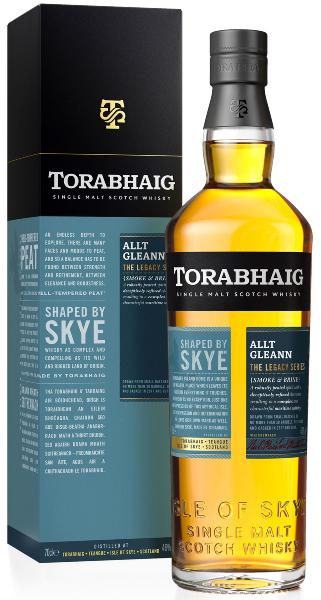
Torabhaig Allt Gleann (46%, OB, The Legacy Series, First Fill Bourbon & Refill Bourbon Barrels, Batch 001, 2021)

Not too long ago when thinking about Whisky, Skye was Talisker, and Talisker was Skye. Not any more, since a second Distillery came about on the island. Production at Torabhaig started in January 2017 and this particular bottling contains Whisky from the opening year as well as from 2018. The back label is a treasure trove for info: Barleys used for this bottling are Concerto and Laureate. Yeasts used are Pinnacle MG+ and Safspirit M-1. For me a first. I have never seen the yeast being mentioned, nor do I possess any knowledge about yeast strains that are used today. So useful info I’m sure, just not right now. The in-grain phenol content was 77 ppm, off the still, it was around 60 ppm, with a residual peating level of around 17 ppm, so this is then a heavily peated Malt. The Whisky underwent no chill filtration, nor was it coloured. Before the Allt Gleann came the 2017 vintage in the Legacy series, which was also bottled @ 46% ABV. The difference between the two probably the usage of 2018 spirit in the Allt Gleann, and by now there is also a second release of Allt Gleann called Batch 002.

Color: Pale White Wine

Nose: Modern, soft with slightly sweet peat. Very clean, including a breath of fresh air, maybe even slightly Menthos-like minty. Salty smoke (this makes my lips go dry, only by smelling it), tobacco, dust and soft wood (not virgin, yet slightly creamy and vanilla-like). Quite mature actually for such a young Whisky. Nice spicy and green notes. Slightly perfumy. Nicely peated, yet not over the top. Black tea with a slight leather note as well. Distant fruitiness and the smell of baking cookies, an ashtray and cold roasted pork. This is much better smelling than I thought it would be, well made stuff. The smell gets somewhat softer and more malty (and sweeter) after extensive breathing. If this tastes anything like it smells, we have a winner on our hands. Even the Lagavulin 12yo, I recently reviewed, showed more hints towards new make than this. Quite amazing. I only hope the reduction to 46% ABV didn’t harm it in any way.

Taste: Aiii, right from the beginning rather thin. Tastes oily and fatty, but doesn’t have the matching texture. Nice soft peat, wood and some liquid smoke and yes, quite sweet and fruity. Yellow fruits with lots of unforeseen licorice notes. Thin it is yet balanced and tasty. Quite strange and unexpected since the nose is quite big and aromatic. Elements of crushed beetle and maybe some lemonade or cola mixed in with the smoke and the peat. Less salty than the nose predicted. No new make in the taste as well. Not entirely Islay in its approach, but not far from it either. Good stuff, I hope for a bright future for Torabhaig.

I think this is already amazing stuff for a Whisky of three to four years old and definitely better than I though it would be. The quality is there, even at this reduced ABV. I’d like to try a similar product of Torabhaig at cask strength, that should be nice!.

Points: 86

Thanks go out to Auke for his sample.

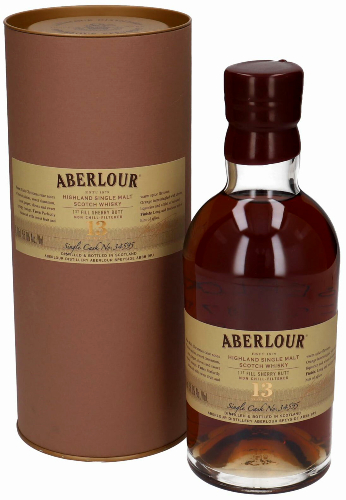
Aberlour 13yo (58%, OB, First Fill Sherry Butt #34595, 2017)

So what do you do after a few reviews of mostly Ex-Bourbon cask matured Whiskies? Yep, you’ve got it, you try to find a Sherry bomb to review, and as luck would have it, I just have such a thing still waiting on my lectern to be reviewed. Back in the day when one wanted a very good Sherried Whisky, one would turn to the likes of Longmorn, Strathisla and Macallan. After that, I remember Glendronach 15yo, (not the Revival one, no the one before that), was a nice alternative to Macallan 18yo (and the 15yo when it existed in some years). In more recent years, Macallan changed direction somewhat, so, Glendronach, Tamdhu and even more recently Glenallachie seem to be the, more affordable, go to Sherry bombs these days. Glenallachie 15yo seems to be rather popular, although it didn’t really convince me (yet).

Many independent bottlers are coming out with a lot of young first fill Sherry bottlings as well. Parallel to all this Sherry Bomb activity, there has always been Aberlour, especially with their A’Bunadh bottlings, and to a somewhat lesser extent with some single cask bottlings, which are less available and more expensive. Simply because they aren’t flooding the market with those, it’s giving me the feeling that if they do release a single cask bottling, it must be something of an exceptional single cask, a stunner so to speak. So when this was sold locally, I just couldn’t resist the looks of it, and bought it. I’m a sucker for those dumpy bottles, I just had to have it. Now the time has come to find out if this is an exceptional single cask or not, and if #13330 and #4934 are anything to go by, both are first fills as well by the way,…well you’ll understand that expectations run high by now.

Color: Orange-red-brown.

Nose: Sherry alright. Dusty oak and meaty. Cold gravy and animal fat. Quite heavy Sherry and a cellar type smell, yet also vibrant and fresh. Dull dishwater and fresh air, here a wonderful combination. Rhum Agricole from Martinique, not funky enough for Réunion. Very aromatic and again a well balanced nose. The stars seem aligned a bit in my house, since a lot of the previously reviewed Whiskies showed some really good balance as well. Seems a bit syrupy and muddy at times, but not all the time. Quite clean otherwise, due to its freshness and lemony aroma’s. Old dry nuts still in their shell, lying in a bowl on the table, not touched for a while since the nutcracker broke. Still fresh with sometimes a more organic (slightly farty) whiff flying by. Almonds and Sinaspril (an artificial smell of old orange powder). This is a Whisky that needs the warmth of your hand to unlock all the fine aroma’s. So don’t hold your glass by the stem of foot, but just keep it in your hand, moving it around a bit. If anything, this lacks the promise of a wee bit of sweetness or creaminess, although some of this is emerging, (honey notes now), if you keep the glass around for half an hour or so. Only after sipping a tiny hint of spicy sulphur comes forth, mixed in with licorice (Bassett’s, which emerges even later). It’s a bit strict, like teachers used to be. In comes Pink Floyd now…

Taste: Medium syrupy and hot, woody, spicy start. Tarry vanilla powder, somewhat soapy and some artificial cherries, making it less exceptional on entry, but still quite good, don’t get me wrong here. Let’s say right of the bat, that this is not recommended for novices. Next, fruity syrup, some spices and some good old wood. Cinnamon, cola, star anise and a light to medium, (depends on the moment), and soft, woody bitterness, in this case maybe taking away even some more from the exceptionalness (if that’s a word). Still, I have to mention this doesn’t bother me all that much every time around and on some days my perception of this differs from other days. Some hidden sweetness. On entry this might be a bit strange, not exactly perfectly balanced, the body is good though, but the finish shows a sort of fruity acidity which doesn’t fit the Whisky all that much, hurting the balance some more. Maybe the Sherry that was previously in this Butt wasn’t the best? I notice a slight soapy edge (again) on the sides of my tongue some time after swallowing. Medium length finish with some soap to it and this lingers on even longer in a long warming aftertaste. Seems older than 13yo.

This is a bit of a chameleon Malt, on some days I like it more and get something else out of it than on other days, yet another point why this might not be for novices. I wouldn’t even recommend an A’Bunadh for novices though, all of the batches, especially with these kinds of ABV. It definitely has quite a few good sides, but to be honest, when looking at the wonky bits, I’m not entirely sure why this cask was picked out for a single cask bottling, not for the general public I guess. It’s just not exceptional, although it is most definitely a very interesting bottling for anoraks. Sure it has its strange bits, but in a way I do like it, it is another take on Aberlour. Case closed.

Points: 86

Ardmore 20yo 1996 (49.3%, OB, 1st Fill Bourbon and Ex-Islay casks, L817757B)

Sometimes Ardmore can be quite stellar. Once, I even wrote that it has the potential to be the new Brora. Back then, there weren’t any plans to reopen Brora, so today probably Brora itself has more potential to be the new Brora than Ardmore. However, the owners of Ardmore don’t do a lot with this Malt and most independent bottlers, bottle Ardmore at quite a young age. Why is that? In comes this official 20yo. I immediately bought two of those, guided by my own statement and hoping for, (expecting), the best. As I said, Ardmore can be great, and this one has some pretty decent age to it and a nice ABV to boot.

When I opened this bottle, it was very much closed and stayed like that for a long, long, and even longer, time. I even left the cork off for several days, and still it wouldn’t budge, bumming me out. Disappointing and annoying, and along the way it never really became a favourite of mine. I usually wait until the bottle is half full/half empty to write a review so that the Whisky had a chance to grow with air and over time. This bottle is now 1/3rd full, and still I’m not sure how it really is. I usually can remember Whiskies I tasted a decade ago, but every time I return to this Ardmore, I haven’t got a clue how it actually is. This is really a difficult one. So for some reason or another, I once tasted it in the morning et voilà, there is more to this in the morning, than in the evening with a tired palate. This is a delicate morning Whisky, with the emphasis on delicate, so I had to write some things down in a wee morning session! How unusual (and how nice actually).

Color: Light gold.

Nose: Quite fruity, with already a little hint of smoke and slightly rubbery peat. Very nice combination of old style, yellow half-dried fruits and wax. Whiffs of old style Malt yet sometimes also a whiff with a lack of balance, a strange or less well integrated fruity bit. Luckily this phenomenon doesn’t happen on every occasion. Quite light as well. Fruity sugared pineapple, shiny apple skins. Mocha with walnuts, hazelnuts in whipped cream. More of the nice waxy note comes forth and still it knows how to improve over time with more airing in the glass. This Malt really is dependent on air, it needs truckloads of it. This is therefore not an easy Malt. You really have to work at it a lot to get everything out, and don’t be fooled, this really has quite a lot more than meets the eye (?) initially. The waxy bit interacts quite well with a nice and soft woody note (American oak style), especially when the little bit of smoke somewhat stings the insides of your nose. The waxy bit finds a companion in some clay. After a while, good balance is reached as well at the end of the development. It just suddenly stops giving off new layers. Hardly any alcoholic notes in the nose, seems lower than the 49.3% ABV. With a lot of time and air, this nose does deliver. Quite wonderful.

Taste: Soft and creamy. Somewhat sweet vanilla and diluted whipped cream. Do I detect some faint notes of strawberry ice-cream? The sensation of cream with a little bit of water. Fruity yes and even the peat from part of the casks is noticeable. Prickly smoke on the sides of my tongue. Waxy and peaty. Almonds? After a while the oak starts to show more and more of itself, along with its bitterness, yet it never really overpowers. For twenty years, this has been in contact with wood alright. All of this, not in the greatest of balances to be honest. Also somewhat simpler than I would have expected from Whisky of this age. Lacking the complexity of a 20 year old malt, as well as the development. The finish is medium at best, actually quite short, whit a decent and warming aftertaste though. Very delicate stuff. Brittle, apart from the wax and the wood.

Technically, this must have been one of the most delicate Whiskies I have ever tried (when also analysing it). This one has managed to learn me something. You can sip your way through a bottle over a prolonged period of time in the evening and essentially having no clue what the Whisky really had to offer. Just this freak accident to have a sip in the morning, showed me that there is a lot more to this Ardmore. Treat this as a morning Whisky. Still, perfect it is not, not by a long shot. But hey, most of us usually sip our drams not-in-the-morning, so please take this into account. This is definitely not a casual sipper. Not bad at all, but should have been better than it actually is.

Points: 85

Loch Lomond 17yo Organic (54.9%, OB, First Fill Bourbon Casks, L2 120 18, 30.04.2018)

After all those unhealthy and environmentally unfriendly products we have been putting into our bodies, finally some Organic Single Malt Whiskies start to emerge onto the market sporadically. The first Organic Malt I reviewed on these pages was an Organic Bruichladdich, This Loch Lomond is just the second. I have checked my stash, but I could only find a 12yo Organic Loch Lomond and a 14yo and a 15yo Organic Deanston, and that’s about it, no more. I should investigate if there are some more to get. I know there were a few Springbanks and some (young) Benromachs, but beyond that, who knows? Apart from the Deanston’s, this is the only well aged one out there. I did some quick and dirty research, so don’t expect something very deep now, but Nc’Nean also has Organic Whisky in its portfolio, but after that, its mostly American made Whisk(e)y that is also organic. Quite surprising from the land of fast food and a huge overweight problem. Wall-e was no joke. And before you start sending me hate-mail, or even worse, Will Smith, I’m quick to add that I am overweight as well. The Organic Bruichladdich was young and simple, easy, yet tasty. Scored rather high, since it was a high quality Malt, but could have done with some more ageing. Well, if you are after a better aged Organic Malt, than a 17yo Loch Lomond is quite a step up! Yes Loch Lomond, ahhh no, please no, you’re not going to talk about a certain Captain now, don’t you? Well, OK, let’s not. I’ll finish off this introduction with the fun fact that this was distilled in a combination of a swan neck and a straight neck pot stills.

Color: Light gold.

Nose: Barley, dusty and woody. Classic Bourbon casked Single Malt Whisky nose. Sure, we’ll throw in Organic as well, although I have no clue whatsoever how “Organic” is supposed to taste. Smells very clean and honest. Artisanal. A bit sweetish as well, resembling, bot only in a small part, a Grain Whisky. A nice combination of dust, wax and light citrus skin notes. Fruity and lively. In a way delicate and also a bit old skool. Soft wood, mocha and slightly spicy. Light smell of an old aired out, weathered, stock cube. All nice and well integrated. Better now than when freshly opened. Sometimes a short soapy whiff passes by. After a while in my glass even more balance is reached between a waxy note that got company from some peanuts and more fruits. By far, the best smelling Loch Lomond I ever had. You probably think it’s the only Loch Lomond I ever had, but this is not the case. Not at all. Especially nice when you are of an older generation, like me, and remember the old stuff filled from an Ex-Bourbon cask. A classic. The spicy notes in this nose are just excellent, especially when this is sniffed outside. Fresh air helps this one along quite a bit. Great stuff for sure.

Taste: Sweet on entry, The spicy notes from the nose are right up front here as well. Grassy and wonderful. Here it is a bit accompanied by some licorice. Creamy yet also a bit hot. A slight metallic note, reminding me of Tormore. In fact, if I would have tasted this one blind, I would have probably thought this was a Tormore. Tormore distillates in casks like these perform rather well IMHO. Similar spices too. Both this and such Tormore’s bring a smile to my face. These suit me very well, but that is a personal thing, and might not be true for you. Again, what an amazing balance this Whisky has. Nothing short of a must-have for me. Perfect for some quiet me time (and a book). After the first sip, the nose develops even more in the cavity of your mouth. Good quality stuff this one. Amazing, remember the times when Loch Lomond had this awful reputation, well they certainly managed to turn that around with this one. Well done! Medium body with all these wonderful woody, spicy and woody aroma’s. The ABV of almost 55% carries this Whisky beautifully. Really good stuff. Must find me another one.

This Whisky is very good. When consumed carelessly, often within a flight of other Whiskies, I didn’t pick up on the all the wonderful bits this Whisky has on offer. When reviewing it, it is usually reviewed on its own (on occasion H2H with another somewhat similar example for comparison). For obvious reasons, one tends to give the subject a lot of attention when reviewing. So, when this is given your full attention, this Whisky reveals a lot more than meets the eye at first. It deserves to have your full attention and you might also give it some time to breathe and you’ll be able to pick up on some delicate and wonderful old skool classy aroma’s. Recommended.

Points: 89