For a long time now I have been opening two Paul John bottles at once. One peated and one unpeated, once a mix of both. Very often single cask offerings, simply because they interest me the most and beauty lies in the details. As far as know, all the single cask offerings I came across are ex-Bourbon casks, so no Sherry or Port stuff here. As many aficionados or anoraks know, Paul John appeared on my radar because of the wonderful tornado that is Shilton Alameida, currently of Tel Aviv outfit Milk & Honey. If you ever visit a good Whisky Festival go over and visit Shilton! Paul John does not seem to bottle a lot of single casks anymore, so most of the reviews that will appear on these pages in the future are bottles from my stash. These older single cask offerings will disappear more and more from retail shelves although they still do appear in auctions with decent hammer prices. Decent from the buyers perspective that is.
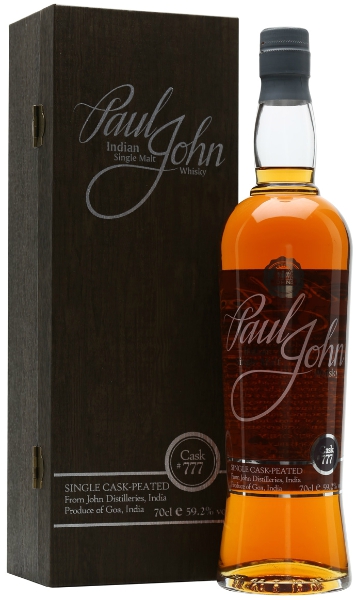
I’ve had plenty of Paul Johns open, and thus Paul John is no scarcity on these pages, with even several independent offerings from Malts of Scotland and Cadenheads. However the focus now lies on Officially released Single Casks and as has been the case earlier, I will review one peated and one unpeated expression. Until now, three unpeated OB expressions have been reviewed earlier (scores between brackets): cask #1444 (89), cask #1906 (87) and cask #1051 (84). Two peated OB expressions have been reviewed earlier: cask #745 (89) and cask #777 (90). As can be seen the peated expressions right now seem to be “better” than the unpeated ones. So lets see how the next pair will turn out. Let’s start with the peated expression: cask #4914.
 Color: light, middle gold.
Nose: Initially quite malty, with fatty, smoky vegetal notes of peat. Clean and smoky, bonfire style. Light (and deep), yet also very balanced, fragrant and laid back. Ever so slightly meaty, more gravy-like actually. Slightly fruity with hints of warm plastic and distant vanilla. Soft wood and fresh almonds. Pencil shavings later on in the mix, and I might add, these are the shavings of a very old pencil. Its warming, fresh and clean at the same time. The nose has a pudding-like quality to it and is actually very nice, not raw or harsh in any way, nor is the smoke sharp. If the taste is anything like the nose is we’ll have yet another peated winner from Paul John. Its almost like a breath of fresh air. Seaside, a strong and windy day kind-a fresh air, mixed in with some minty notes and horse radish, that’s how fresh this smells. This smells different from all other Paul Johns I had before. Much cleaner, and this time around, when sniffed “blind”, I probably wouldn’t have guessed this is Indian Whisky. I struggle to find the six-row barley in this one, its there, but less apparent than in most other ones. Still an amazing Whisky considering it still must be a young spirit, although we know by now how ageing works in the Goan climate.
Taste: Quite an unexpected start after smelling this one for a while. It starts sweet and nothing in the nose prepared me for that. Sweet and fruity and the almonds from the nose are present as well. First sip is very warming going down. Sweet with vanilla and slightly bitter wood. Very tasty, yet also a bit thin and a lot less complex than the nose was. The balance seems slightly off towards the finish, since not everything you taste seems to fit together perfectly. The wood becomes more paper-like, as well as slightly acidic, but not in a fruity way at all. It’s the acid you get from oak. You can almost smell this acidity in freshly cut oak. So the start and most of the body are more than OK, it’s the finish and especially the aftertaste where things start to go slightly wrong. It is layered, but in this case the layers won’t stick to each other. A sort of unpleasant tension is happening between the layers. I have plastic in the finish, and if I smell it right after that, the nose shows this plastic edge as well. Plastic is not uncommon for Paul John, but it usually isn’t a problem. It is actually a bit of a shame the palate can’t keep up with the nose, especially since the nose promised so much, and this is not even a heavy hitter, so go figure. Hey don’t get me wrong, this is still a tasty Whisky, but it certainly does have its flaws. The wood is slightly too bitter, and it goes downhill in the finish and the aftertaste. It loses its sweetness and fruitiness, to be replaced by acidic wood. Easy to pick up on when one’s somewhat experienced with Paul John.
As luck would have it, I still had a sample lying around from cask #745, the liquid of which is quite a bit darker, way more creamy and pleasant and way more balanced. Yeah, cask #745 is really good stuff. Based an a quick comparison on the nose, cask #745 is the clear winner. It has a lot more going on for it. It’s quite a big difference as well for two bottles you would expect to be similar. To sum things up, not all single casks are created equal. If you come across one, you might want to pass up on unpeated cask #1051 and thus this peated cask #4914, both are sub-par compared to the rest, yet still not bad. On the palate, cask #745 is also much better, bigger and way more balanced. The peat is different and more special as well. It also has some off-notes, but these work well with in stead of working against the Whisky, and only adds to the experience.
Do I regret getting #4914? No, not at all. After a few of those single casks, one might think all are quite similar and also might get a bit boring. However cask #4914 is still a good one, and trying it is still a great experience because of the different feel it has, and it also shows me how good #745 really is. By the way, cask #745 also has the same plastic note as cask #4914, and is much better. See, off-notes aren’t necessarily bad, they can work. This review has again been quite educational, and when these two bottles are gone, I will more than happily replace them with two other single casks, one peated and one unpeated. I guess the 89 points for cask #745 still stand, although 90 points would feel good as well.
Points: 85
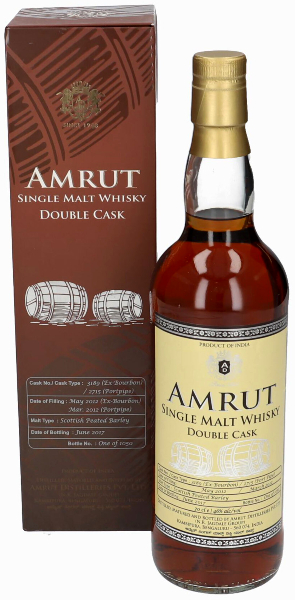 Color: Dark orange brown.
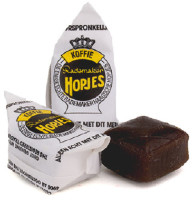 Haagsche Hopjes, a Dutch hard coffee candy. Well isn’t this turning into a treat? Very nice. With a taste like this, who needs complexity? In the end, this one is on the palate still a wee bit too thin. Could have done with slightly more points on the ABV-scale, 50% seems about right, but this is just a minor gripe. I haven’t tasted this at 50%, so I really don’t know if it would have been better. The finish and the aftertaste retain quite a lot of fruity sweetness. To be hones it could have done with slightly less of it. Highly drinkable every time, but not one keep pouring one after the other. If your glass is empty refill it with another Amrut. I’ll finish this like I started, really sad there aren’t any more Amrut Double-casks around. Please Amrut do some more, surprise us. I’ll even forgive you if you keep them at 46% ABV, for continuity purposes.
 Color: Copper gold.
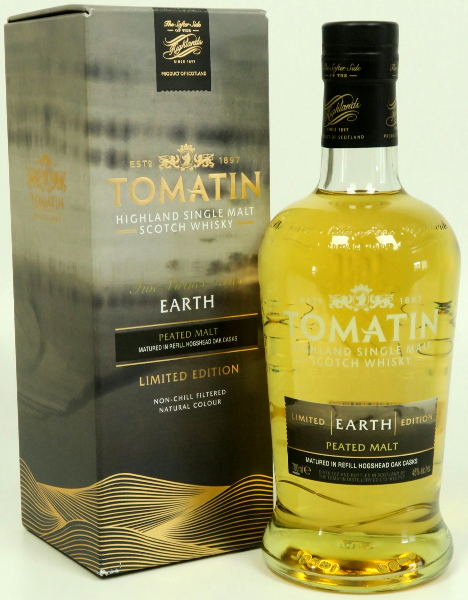 Color: White Wine.
 Color: Very light, lightly coloured water, not even White Wine.
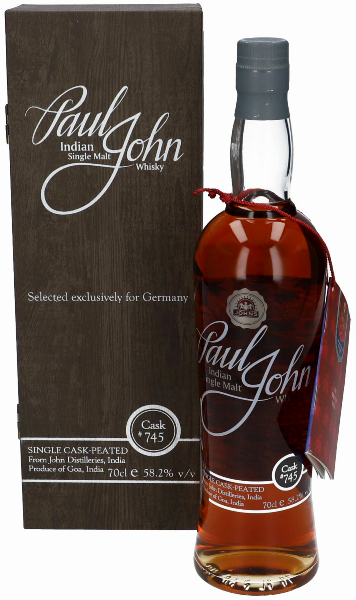 Color: Orange golden brown.
 Color: Full gold.
 Color: Orange gold.
 Color: Orange-brown gold. Bourbon.
 Color: Gold
 Master Quill