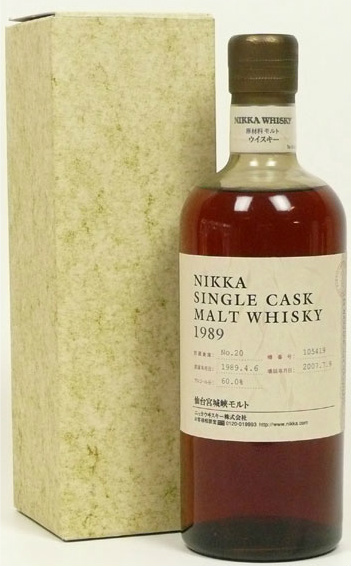
 On the third day of the Japanese Whisky Week, I tried a fairly standard Miyagikyo 15yo at the reasonable strength of 45% ABV. That one turned out to be very good. Today we’ll have another look at this distillery, but this time a single cask at the more samurai strength of 58% ABV. As I said before, Miyagikyo is one of my favorites from Japan, ánd I’ve stated before that Japanese whiskies need to be cask strength to show their…ehhh strength. So here we go!
 Color: Copper
Nose: Musty sherry. Malty, muddy and sweaty. Smells a bit like your local ditch on a good day. So it doesn’t stink, but smells… organic. Mushrooms. Dry. Sea spray freshness and something burnt. Probably from a Fino Sherry cask. The nose isn’t typical Miyagikyo.
Taste: Strong. Yellow jam with apricots. Chewy. Lots of wood spice. It’s a whisky that wants to be sweet, but isn’t. It’s half sweet, half dry. Sherried. Not completely a Miyagikyo profile but very nice! Clay. Slight imbalance in the finish, due to the sour wood. It’s not very woody, but still it dominates the finish.
Yes these bottles come in a blank and ugly box. Just think the box protects the bottle and the whisky from scratches and light. The good stuff is in the bottle and luckily is not in the packaging. Still I like the smoke glass bottle Nikka also uses for Ben Nevis Whiskies.
I have a feeling this one doesn’t like to breathe too much. Ok, bad example, or there goes a prejudice? It’s Miyagikyo and it’s cask strength, still it scores the same as reduced and standard or even pure malts… We’ll see what happens with the next one…
Points: 87 (yes again 87).
 Color: Gold
 Taste: Very dry and oaky. Toast and a hint of soap. The soap returns in the texture that otherwise is pretty thin. Sherried. Seems old. Red & black fruits, mocha and coffee. Dry teeth. Unfortunately this has a short slightly burnt, oaky finish. In this case it’s probably a good thing it got reduced, because if this would have been 55% ABV or even higher, with all these thick aroma’s and all that oak, it probably would have been very hard to drink. It’s a syrup (just not in the texture).
 Color: Orange gold.
 Color: Full gold, almost copper.
 In 1918 one
  Nose: Musty gravy. Nice slightly burnt wood. Sweetish fruits with pineapple. Sweat ánd men’s cologne. Powdery, almost like sawdust. Greenish. It smells a bit like those hard candies made out of fruity powder pressed into little pills. Sometimes a whiff of soap. All in all, very nice.
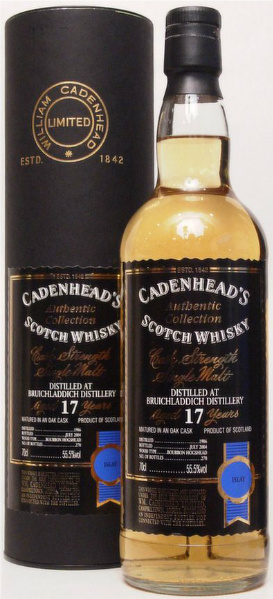 Also from 1986 but several years younger, a 13yo to be precise. Even though it was younger, this bottle showed more character to it. The 13yo was almost empty and maybe these Bruichladdich’s need a lot of air. Let’s have a look in my controlled environment and using my glass of choice, how this Bruichladdich really is. (This bottle, just open).
 The other day, I reviewed a reduced
  that means this Tormore was bottled around the time previous reviewed Tormore was distilled (1996). Both Tormore’s are about the same age too. Let’s see if thís Tormore is any feminine.
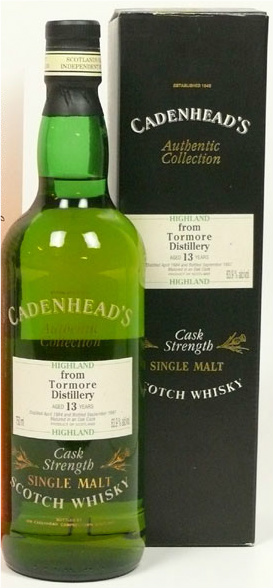 Color: White wine.
 In 1984 the heating system for the stills was converted, so that it could be heated with… woodchips to heat the stills. Officially only a 10yo was released, later replaced by the current 12yo. For a short while also a 5yo and a 15yo existed. So mostly independent bottlers issue Tormore Single Malt today. Still, over the years not a lot was issued this way, nor does it usually score very high. I guess it’s time to have a look into Tormore. First a Tormore bottled by Dutch bottlers
  Color: White wine
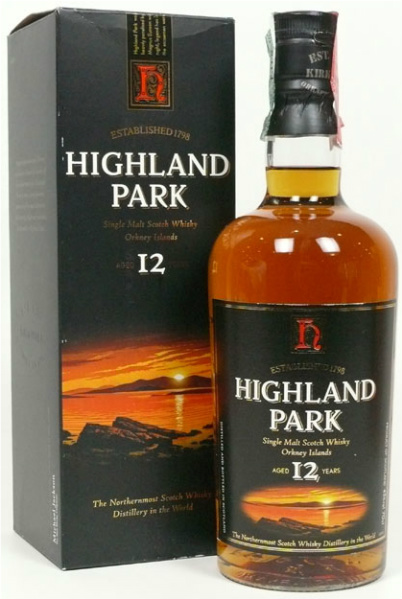 Remember this one? Before this came the nice broad-shouldered bottle with the big knob cork. And somehow they changed it into this. We hated the looks of it back then, but looking at it today it doesn’t look that bad. Well this version of the bottle is also no more and again they changed the looks completely into something that looks oval from above.
 Master Quill