Although Tres Hombres sounds very “Spanish” and the Rum hails from the Dominican Republic, this is a Dutch brand with a nice story behind it. Tres Hombres are three Dutch friends called Andreas, Jorne and Arjen who in 2007 started the world’s first emissions free shipping company. Today the company is called Fairtransport and has five ships in their fleet, one of which is called “Tres Hombres”. Apart from the ship and their nickname, Tres Hombres is obviously also a brand, put on Rum, coffee and chocolate. So when your cargo is shipped west, no ship returns empty. Sailing emissions free, the company also focusses on transporting special products which are organic, or crafted traditionally, like olive oil, Wine and Rum. When sailing back from the Caribbean, powered only by the wind, the journey takes a while and it is said that the Rum ages on the ocean, adding to the flavour.
This particular example, edition 05, from 2013, is a solera 15, so it is not a true 15yo Rum. The Rum is made by Oliver & Oliver. A company we already came across when reviewing Presidente 23 Años, also the Atlantico Reserva and Private Cask I reviewed earlier are sourced from Oliver & Oliver, this time for a Miami based brand owner. Even though Rums like this might be sweet, and you get duped a bit with the “age”statement, all examples mentioned were good for the style they represent.
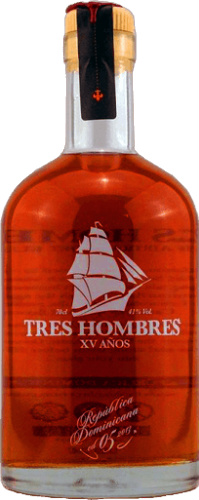 Color: Light gold.
Nose: Smells like a typical Rum. Warm with a promise of some vegetal dirty sweetness. Soft. All is here, wood and leather, but again soft and laid back. Vanilla powder, maybe even powdered coffee creamer. Virgin oak. After letting it sit for a while, the wood gets more assertive, and sharper, which I welcome very much, still underneath the feel of warm sugar-water. Now we also get some unlit cigarette tobacco and even a more spicy feel. A breath of fresh (sea?) air even. Dry leaves, wood and tea. Vegetal with tiny hints of latte macchiato, tea and hot chocolate. Very late in the mix some red fruits sweets. A nice Rum, yet overall it smells a bit simple, maybe less complex would be a better way to describe it. Likeable nevertheless.
Taste: On entry a bit thin. It isn’t thick nor cloying, which is good. I expected something different. Spicy oak. Vegetal again, but different from the nose. This time it’s autumn forest floor (on a sunny day, so without the damp and the rot). Cold tea with hints of chocolate powder. Hardly sweet, people! It drinks like the Epris I reviewed recently. With this I do not mean it resembles the Epris because it smells entirely different and the taste is quite different as well. It’s a different style altogether. I guess you need a bit more experience to wrap your head around the Epris. The Tres Hombres may lack complexity, and it’s not in your face, nor is it big (or sweet) like a Demerara or a funky Jamaican, but it is likeable, like a puppy is. Amazing. I love the way the soft wood presents itself here. Were the casks on deck, stewing in the sun?
When you pick up some experience along they way, I have to say this smells a (more than a) bit in the same line as the other Oliver & Oliver Rums I mentioned above. Tastewise however, this one does show that the people at Oliver & Oliver are perfectly capable in making (blending) different Rums. Lovely puppy, and puppies aren’t 15yo nor is this Rum.
Points: 84
 Well, what can I say, we’re in a flow now with the Vieux and the Vieille Réserve, so why not continue with the next de Querville in line, the Hors d’Age. Where the Vieux was 3yo, and the Vieille Réserve has a minimum of 4 years, this Hors d’Age was aged for a minimum of 6 years. So we get not only one year more, but a full two years more! I’ll bet you, lots of older distillates got thrown in for good measure as well. Again I expect a step up from both younger siblings, so by now I expect a lot!
 Color: Gold.
 Color: Almost gold.
 Color: Gold.
 Color: Red brown.
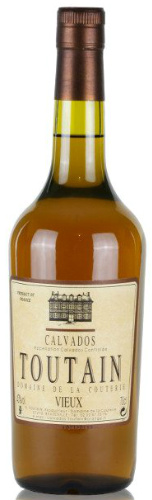 Color: Light gold with a slight pinkish hue.
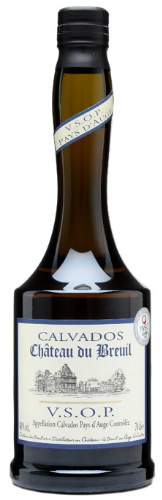 Color: Light gold, almost gold.
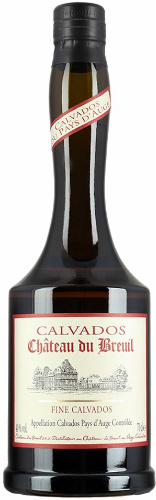 Color: Full gold.
 Color: Pale gold.
 Color: Copper gold.
 Master Quill