Next up is this Douglas Laing bottling of a 1974 Caol Ila and most probably from a Hogshead, but you never know. 1974 is a pretty special year for Caol Ila because from 1972 through 1974 the whole of the distillery was rebuilt, completely! Everything, apart from the warehouses, was demolished and completely rebuilt. In 1974 six new stills were installed, so here we can have a taste of the first whisky that ran off the stills in 1974. This is the first of the “modern” Caol Ila as we know it today. Is it new and improved?
 Color: Gold
Nose: A very refined yet fatty peat, quite sweet and floral. Fantastic organics! Grassy, lemongrass actually, in perfect harmony with excellent (fishy) peat. Do I detect some tarred rope? Pretty light for a Caol Ila, but so elegant and fresh, it does have some sea breeze to it. Oil spill on water. Beautiful bonfire smoke and leafy. Nice elegant wood. Bushes in summer in the rain. Nothing oomph or in your face, this a very refined Islay Whisky. I already like this very much, but the nose just keeps developing…
Taste: Again quite sweet, light peat and clay. A little bite from the smoke, than the wood and the smoke again (in that order), after that slightly sweet and a thin palate of yellow fruits. Very balanced. Lemonade fruitiness combined with fatty elegant peat (again) and nice smoke. The saltiness these old Caol Ila’s often have is absent from this 1974. medium finish that gets thinner, which underlines the brittleness of this malt. Old age. Still it is so good, the initial taste and the body are that nice, that I don’t care about the weaker, but not short finish. This is a lovely dram.
What a fantastic Caol Ila this is. Sure Ardbeg, Port Ellen, Laphroaig and Lagavulin all have fantastic old drams, and are big names, but those seventies and early eighties Caol Ila’s are right up there with them. How nice Douglas Laing had a 1974 Caol Ila, a shame only that it was only one cask… I would have wanted more.
Points: 91
Thanks Andries for the sample!
 This is a widely available inexpensive blended wine from Cortona (an Etruscan settlement) in Tuscany, Italy. The first bottle of
  olor: Dark ruby-red.
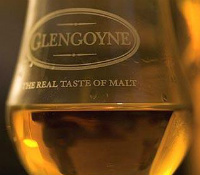 Oh no, we’re already at the end of the Glengoyne week, quelle misère! This is always the moment with a little bit of melancholy. That moment when you’ve been with a good friend for a week and you know he or she has to leave. Waving goodbye at the train station or the airport. Going home alone with a little tear in the corner of your eye.
 Color: Sparkling gold.
 with an almost equally briljant and newer ‘summer’ edition in the runner-up position. Actually the odds were a bit uneven since this Glengoyne is from the seventies and therefore well older than the rest of the contenders, but who said it was a contest? Through the rest of the offerings reviewed in this Glengoyne week, it can be clearly seen that Glengoyne makes a high quality whisky with multiple facets to it. Keep up the good work!
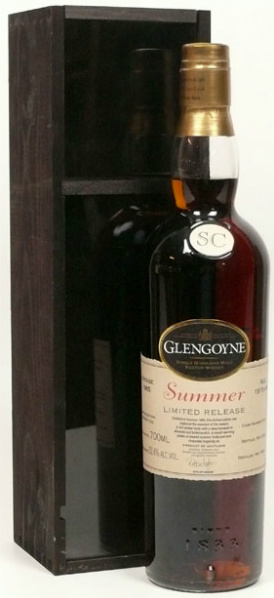 Color: Dark orange brown.
 Color: Light gold.
 The fabulous list of ingredients: Rum? Nope. Star Anise? Nope. Lemon? Well, no. Cinnamon? Not really. Cloves? Again no. Snowdrops? I haven’t tried snowdrops yet, have you? Pears? Nope. Honey, nope it’s more sugary sweet. As I said, a wonderful piece of literature, by someone who obviously had a cold, or maybe I have a cold right now? I wish it was summer already.
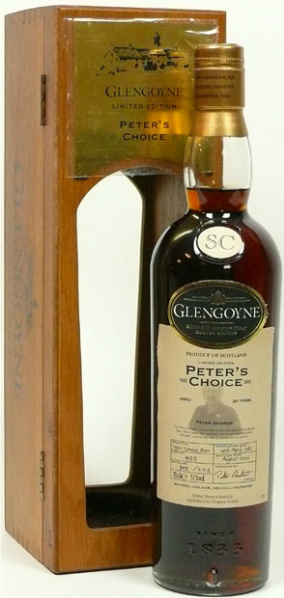 Color: Sparkling copper brown, almost with a red tinge.
 * Shoogle is a Scottish word which means to gently shake or agitate.
 “In my time at Glengoyne this is the best cask I have tasted. Heaps of complexity with no rough edges.”
 Robbie is the distillery manager and Deek and Billie are warehousemen.
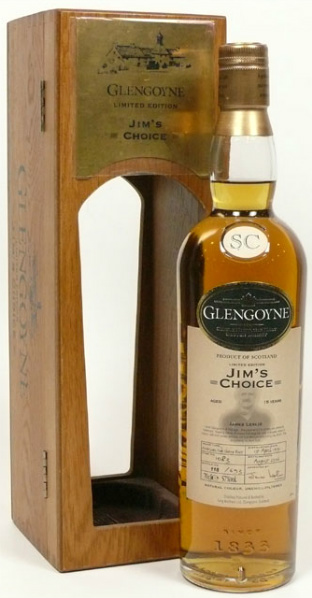 Color: Gold.
 Color: Gold
 Well lets end this month with something different. Wow! Look at the label. Pure Grain Scotch Whisky! Today we call this a Single Grain Whisky. North British was founded in 1885 and lies near Edinburgh, on the site of a former pig farm. North British is a joint venture between Diageo and The Edrington Group. I don’t think Diageo needs an introduction, but the Edrington Group today is best known for their Highland Park and Macallan distilleries and The Famous Grouse and Cutty Sark blends.
 Most important is that this still operates continuously as opposed to a pot still. The alcohol from a continuous still is much cheaper to make. The spirit is made at a higher strength (ABV) and has less flavor, more neutral. This kind of whisky is made for blended whisky, and is not often bottled by itself. If bottled by itself, like this single grain, almost all of it is aged for a prolonged period of time, to get as much flavor as possible from the cask is matures in.
 Color: Gold
