Glenrothes 2007/2021 (64.3%, Berry Brothers & Rudd, Sherry Butt #1120, for Kirsch Import Germany, 646 bottles)

Glenrothes, I always liked the look of those bulky cannon ball bottles. Many of the highly reduced vintage offerings weren’t really all that interesting. Earlier written reviews of Glenrothes prove this. Just have a look at these vintages: 1979 (85 points), 1987 (83 points), 1989 (84 points) and 1992 (79 points), not to mention this Select Reserve (81 points), a NAS, not even a vintage. Where is the world coming to? Nope, I still somehow believe in the distilled spirit of Glenrothes, so I sometimes buy one at auction. I do prefer Independent bottlings at cask strength (and officially released cask strength versions as well). Until now, all independent offerings on these pages scored higher than their official counterparts. Although I have to admit that I tasted quite a few older vintages in my beloved cannon ball bottlings that were actually quite good (even after reduction), maybe that’s why I still believe? This time around we’re going to have a look at a Glenrothes bottled by indie bottler Berry Brothers and Rudd.

Those of you with a talent for reading every letter on labels, front and back, especially those that have one of those official cannonball bottlings at home, will have noticed that Berry Brothers and Rudd are also mentioned on the front label in fine print. In 1999 the Edrington Group (mainly known today for The Macallan and Highland Park) acquired Glenrothes. I have to specifically mention right now, that I mean the distillery ánd the brand by this. Since the main Single Malt focus was on the two aforementioned distilleries (and brands), and times were different back then, Edrington sold the Glenrothes brand to Berry Brothers and Rudd in 2010, yet retaining the distillery and the cooperage. Edrington acquired Cutty Sark (The Blended Whisky) from Berry Brothers in return. In 2017 Edrington bought the brand back and thus acquired a well known Speyside brand they could give the Macallan and Highland Park ultra premium treatment to. Funny then (or sad), that their old business-partner couldn’t even use the Glenrothes name (or should I say, brand) on the label…

Color: Copper Gold.

Nose: Initially milky, very a-typical and definitely not what you would expect. Vegetal and big raisins next. Modern, slightly sharp oak. Tea and old, worn down vanilla powder. The initial “strangeness” wears off quite quickly, making room for a more herbal feel. By now I would have expected more red fruits, but still not the case. This is more dusty, tobacco like with old sawdust. More black tea notes emerge. I’m quite happy with this nose, because it develops a lot in the glass, and it shows traits you don’t smell all that often. The longer you have it in your glass, the drier it gets. Cold Cuban tobacco and standing on the edge of a forest in the mist. After a while a more creamy nose emerges and dissipates again. Well I’m sure you all now feel this is a complex piece of work. Old books, dust. Very distinguished. Hints of cocktail cherries in the distance, followed by a fantastic mix of cold tobacco and herbs. Sometimes a dry smell of orange whiffs by, almost artificial orange. Definitely not from the freshly peeled fruit. Like a dried out tangerine. The dust now moves into the territory of dry grass and hay, and some more elegant wood. A truly wonderful and layered nose. A warm indoor fire in the back of the room.

Taste: Hot, yes, who would have thought at almost 65% ABV, nudge, nudge, wink, wink. Initially this reminds me a bit of Damoiseau Millesime 2009, and not only because of the ABV. Next comes the wood and I’m happy to report, it is again the lovely elegant wood from the nose. I’m already really liking this one, now that I have tasted it. Here some more red fruits. Combining quite nicely with the wood. Second sip very similar. Here it doesn’t have the complexity of the nose, nope, it’s simpler than that. However, this is still a Whisky with a high fun factor. Nothing off, and the taste in combination with the high ABV turns out to be a pleaser (for me), but not everybody copes well with Whiskies with a high ABV. The color gave it away, this is not a Sherry monster, but it did come from Sherry and it is a bit of a monster. A friendly giant. Warm (sea) sand, well I have never tasted that, but it does remind me of that. I lived near the beach once, so maybe I did taste sand, one’s subconscious works in mysterious ways. It surely reminds me of it. Next some fruity sweetness becomes noticeable. Great balance to this. Puts some color on your cheeks.

Yet another good example of a Whisky that is not an easy one. The ABV is high and you need some experience and patience to get all out of it. Come to think of it, I even never tried this one with water. Novices would be put off by the initial aromas from the nose. This is not for casual sipping, but you need to work it and give it a lot of time. I bought this at auction and probably forgot about it, because I got myself second one at auction again (both were quite affordable). Definitely not regretting it, but then again, I also hardly ever open a bottle for the second time, always more interested in the next thing than going back. But it does happen, and sometimes one gets into this melancholy mode many years later, and than it is nice to have the possibility to get back to this one.

Overall a great deal. The bottle and the label look nice. The nose is very special, the taste is very well balanced and the high ABV works well. I should get me another one, ah, yes, I already got one, nudging and winking again. On my lectern I have a Macduff of similar ABV. The Macduff is closed as I’ve never encountered before, and this Glenrothes definitely is not. Final remark. Work this one, casually sipping you will never get everything out of all that it has to offer. Final remark, a disclaimer of sorts, nowhere on the bottle of the packaging is it ever mentioned this is a Glenrothes. The label states: “A Secret Speyside Distillery”, I’ve been assured this is a Glenrothes, and it surely does taste like Glenrothes, however there is always this small chance it is not, which would surprise me a lot.

Points: 88

Longrow 10yo 2007/2018 (56%, OB, Fresh Sauternes Hogshead, for The Nectar, Belgium, 258 bottles, 18/437)

Nico got a mention in the previous review of the Springbank 12yo Port. So this Nico dude once made me aware that he really, really likes a particular Longrow 10yo Sauternes. So here we are again, going to have a look at yet another Whisky from the stills at the Springbank distillery that has matured in an ex Wine cask. Sauternes is a sweet White Wine from Bordeaux, France. Do I really need to mention this is French? Isn’t Bordeaux already famous enough? Well, just in case you didn’t know.

Although Longrow is also famous enough, as is its distilling regime. Just in case you don’t know, I am still going to tell you that Longrow is peated Whisky from the Springbank distillery that has been distilled just two times, where Springbank is 2.5 times distilled. Half the spirit is distilled 2 times and the other half 3 times, so the Gandalf’s at Springbank call it a 2.5 distilled spirit, sounds like wizardry to me. Add to that some more peat than they use for “Springbank” and you have Longrow: the heavily peated expression, 50 – 55 ppm (parts per million) phenol content of the malted barley after kilning.

Color: Copper Brown.

Nose: Fantastic fruity and sweaty peat, really bold and amazing. Could Sauternes also be one of the best wine casks for Whisky? What a classic, big and utterly wonderful nose. Sweetish and fruity. Clay, dust, white pepper and some more earthy and peaty aroma’s. Rotting leaves lying in the garden. All the aroma’s here are perfectly integrated with the peat. It almost smells chewy as well. Where fruit aroma’s usually give off a summery feel, here it seems to be the opposite. Yes it is fruity, but in a dark and broody way. Nice soft and velvety peat leaps out. As I said, fruity, but in this dark and broody way. Its fruity yes, yet also very much industrial in its feel. This is an amazing smelling Whisky. After a while a smoky note pops up. The whole is dry and fruity at the same time. I think this might very well be very special stuff. I already like it a lot. The next day the empty glass still has some big aroma’s to it. Lots of peat and smoke and some hints of plastics and a fatty aroma, for that industrial feel.

Taste: Fruity, nutty at first and than some wood, with a nice spine tingling, spicy bitterness. Black coal and iodine. Chewy peat and the smoke itself is more upfront here. Big and bold again. Seems like the Wine underlines the peat somewhat more in this expression than in other Longrows. In comes toffee, so it has some sweetness to it, with lots of carbon and peat inside. Tasting this Whisky, I’m really missing some of the funkiness the nose showed. The taste is drier and less chewy. Fruit toffee. Nutty. Semi-sweet ripe red fruits, mixed in with a healthy dose of peat (and nuts). The taste of burning off garden waste. Even though there is enough fruit here, the whole is still quite dry. Towards the aftertaste this bitter note slightly coated my tongue and shows quite some staying-power. This bitterness is actually hindering a score into the 90’s. Sometimes a bitter note can work wonders, this is just not one of those cases. Nevertheless a very nice and special Longrow for sure.

Wishing you all a very good and healthy 2024!

Points: 89

Tomintoul 12yo 2007/2020 (65.7%, OB, Single Cask, Bourbon Barrel #11574, 235 bottles)

After all these years here we have another first on these pages. Recently Speyburn showed up here and now Tomintoul is featured here for the first time, so another old, yet not all that old distillery, since it was founded (only) in 1964. In this case, for me, Tomintoul is a very well known distillery and should have featured earlier, since I have already tried a lot of stellar bottlings from this distillery. Here we also have an official bottling. Not one of the core range, but one form the Single Cask series. I haven’t seen it here in shops in mainland Europe, so I guess this is some sort of an UK exclusive. I have managed to receive some drops of this at a Whisky festival. It were the last few drops from the bottle, so I hope it is enough for a full blown review.

Color: Light Gold.

Nose: Typical Bourbon cask, yet an especially very fragrant offering. Very big and aromatic, floral and nutty, making it quite special, setting it off from the typical Bourbon cask offerings. Appetizing. Fresh, like a cold day after lots of rain. Wood but in a soft way. No harsh oaky notes. So floral but also fruity. Quite citrussy. Seems like a simple refill barrel, but a very good one. Right out of the gate, quite big, aromatic and complex. There is a lot happening at once, as well as more than enough evolution, whilst sitting in my glass. The aromatic are a bit Christmassy. Bonfire and Christmas perfume. Toffee and caramel, yet also slightly woody and waxy. The fruity citric acidity sometimes drops out and comes back, like a turn signal or a neon sign. The nose is very good and also very interesting for a “simple” Whisky from a Bourbon barrel, well, let me assure you, simple it is not! The amazing complex floral aroma just keeps giving and expanding like a budding flower, but it is a big aroma, not a delicate small flower, but a big overpowering one, yet the smell is not overwhelming in this Whisky. The Whisky just keeps opening up, give more and more. This is a really big complex thing! Amazing stuff. I hope it is similarly great on the palate as well.

Taste: Fruity on entry, also sweet on entry. Very fruity and much more fresh and acidic than the nose alone promised, Sweet yoghurt with peach and some hints of licorice. Fresh, yet not really virgin oak. Yes at times it is a bit hot, but I wouldn’t give it the ABV it has. Wow! Hints of ashes and toasted cask. Vegetal and very well balanced. Slight woody bitterness in the finish and especially in the aftertaste. It starts fruity and sweet, turns dry quite quickly and then it shows its third tier with the woody bitterness, which sits a little bit outside of the balance for this Whisky. Layered. Nutty toffee. When finally tasting this (I smelled it for a long time), the nose just keeps evolving more and more. The profile and the ABV makes this a Whisky not entirely suitable for novices. I believe, experienced “drinkers” will appreciate it, and will appreciate it a lot. Medium length aftertaste, which is nice and tasty.

Not a lot more I can add to that. This is a remarkable Whisky, which is finished after only 12 years and coming from a “simple” Bourbon barrel. I want a full bottle!

Points: 89

Thanks Ben.

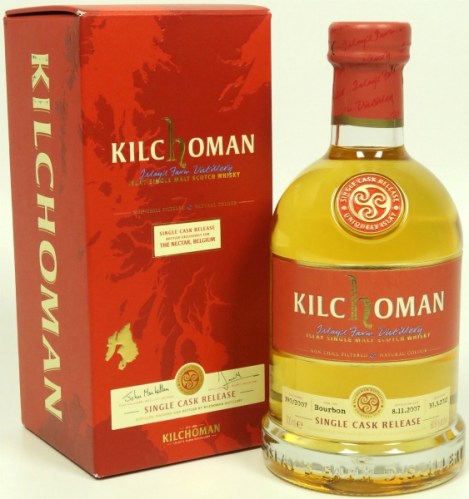
Kilchoman 4yo 2007/2012 (60.9%, OB, Bourbon Cask #390/2007, for The Nectar Belgium)

The Kilchoman I’m about to review was just bottled when I wrote the last Kilchoman review on these pages. When I bought the bottle I’m about to review, it was already an oldie in Kilchoman-time. Both this bottling and my two previous Kilchoman reviews came from 2012, the year I reviewed the 2010 Spring and 2010 Summer editions. All this already 8 years ago! Well, a lot has happened at Kilchoman since then, mostly good (f.i. they make terrific Whisky), but unfortunately also some bad (a kiln fire and an exploding boiler to name but a few).

Kilchoman is a farm distillery on the isle of Islay (Scotland). You know, the place where legends are like Ardbeg, Laphroaig, Lagavulin and a few others that are also well known in the world of Whisky. In comes this “new” distillery (Founded in 2005). Today we have a bottle that is a mere 4 years old (and some months), all the other distilleries on Islay have mostly properly aged Whiskies on the market, so can this offering be anything good at so young an age, from a fairly new distillery? I already know the answer to this, but please read on to find out for yourself.

Color: White Wine, with microscopic small cask sediment particles. Macro flavour molecules, probably a good sign!
Nose: Thick fat peat, and lots and lots of smoke. Licorice. Black and white powder. Salmiak and crushed beetles. Smoked (white) flowers and more peat. More smoke, sweet smoke and an underlying citrussy note. Fresh air, combined with a zesty citrussy aroma. Not the oily bits from the skin, but the fruit within. The fresh air then gets accompanied by whiffs of the smell of a fireplace in winter. Don’t you just like to be outside on a cold winter evening, or night, where people are burning logs in their fireplace at home? Don’t you feel the warmth of family now? Next, (fresh) oak and some dried fish, but foremost sweet licorice. This just screams peat and smoke. However, the smoke may have started out sharply, but it is not sharp now, it’s quite soft and very well integrated into the peat notes. Its almost as if the whisky itself is smoked. Very big, yet not brutal. Hints of vanilla from American oak underneath and cold sweet black tea. Very well made Whisky by these ‘novices’. It already smells the part. It may very well be only 4 years of age, but the profile of the smell remind me of Whiskies from another time. Underneath all this, there is also this sweet fruity aroma. A highly aromatic Malt altogether. Wow!

Taste: Thin toffee with lots of fresh oak, green youthful oak and quite sweet on entry. Hints of wax and cardboard. Dare I say a snuff of Talisker pepper, yes? Peat and crushed beetles are present here as well. What amazing balance in this expression. Eventually the sweetness oozes away a bit, leaving room for the body to be taken over by peat, smoke and quite some (slightly bitter) wood for a 4yo. On top, a fruity acidity, which combines just nicely with the wood and the waxy notes this Malt has. The aforementioned beetle has some staying power in to the less big of a finish than expected. The aftertaste is warming and spicy.

Well, this 4yo from the new kid on the block can really blow many offerings from the big guys right out of the water. For me, this is better than f.i. the Laphroaig Lore, which, compared to this seems a bit boring, for me anyway. You might prefer the more elegant side of the Lore, so please don’t send me any hate-mail over this. Just to be sure, the ‘Lore’ isn’t a bad Whisky at all…

Points: 87

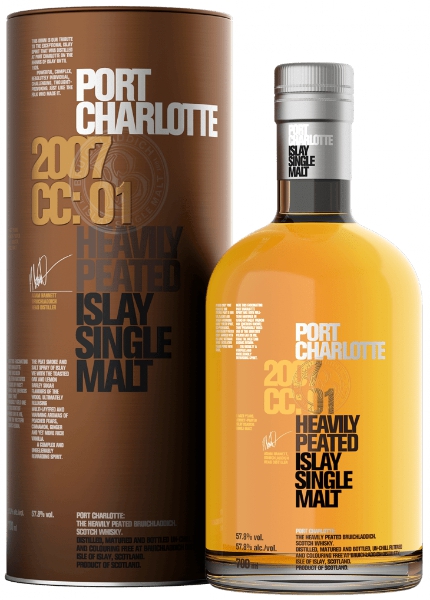
Port Charlotte 8yo 2007/2018 “CC:01” (57.8%, OB, Heavily Peated, Cognac Casks, 18/006, 2018)

Those of you who have checked the title meticulously will have a question. How can this be 8yo (so stated on the bottle), when this is distilled in 2007 (so stated on the bottle) and bottled in 2018 (so stated on the bottle)? Has it been transferred into glass after 8 years or as often happens, the Whisky in the bottle is (and is allowed to be) older than the stated age. We may never know. This expression is abbreviated as CC:01, meaning that this is the first (01) release of Whisky, fully matured in Cognac Casks (CC). I’m sure there will be more of these abbreviations reviewed on these pages in the foreseeable future.

Finally, this is one of those bottles which I almost missed reviewing before it is gone. One of those bottles I reach for easily, despite the high ABV. One of those bottles I believe to have reviewed earlier already, even being surprised I can’t find the review on these pages. So from the last drops in the bottle, here it goes.

Color: Gold

Nose: Bonfire, spicy wood, creamy but not really vanilla like. Big. Paper and smoke. More bonfire. Beautiful, perfumy smoke notes. Wonderful smelling Malt this is. Hints of medium sweet Rhum Agricole. (J.M style). Next leafy, autumn garden. Extremely well balanced and very appetizing. All just fits together so well. Some breaths of fresh air, bonfire smoke next, with a luxury feel to it. And this nice lazy hidden sweeter and fruitier note (lime juice). Lazy, because it lets me know its there, but allows me to enjoy the other notes first. Soft yet spicy wood. In no way harsh. Creamy, leafy with mocha. It keeps developing. Black tea. Dry, old, dusty oak. Hints of raspberry ice-cream, the vanilla notes emerge after all just before the first notes of pencil shavings. Good one, I love it. No it’s not finished yet. Notes of well aged Calvados now. Will it ever end? Let me just say, nothing really Cognac-y or winey or peaty. Capiche?

Taste: Spicy and sweet on entry. Skip that last remark though, maybe there is some Cognac to it after all. Quite hot going down. Some indistinct fruity notes come next, on top of dry oaky notes. Both are on top of each other, so a bit less well integrated, or maybe the cement between the bricks is missing. Sweetish yellow fruits, partly dried, combined with a nice ashy note and maybe some old licorice. Notes of bitter oak towards the finish and a bit of waxiness emerges. See Lagavulin, this is younger than your 10yo and no milky, too young tasting Whisky here. Nice restrained smoke. Earthy or maybe grounded is a better word. Slightly less balanced than the nose, and also less beautiful, but still very good nevertheless. Fairly long finish, but after that it all went down, leaving just a medium amount for the aftertaste.

Well, what can I say, me likey. It didn’t take me all that long to buy me another one of these. Very good Port Charlotte. I Hope Bruichladdich will do more Cognac Casks in the future (and release them, obviously).

Points: 88

Glenfarclas 16yo 1990/2007 (58.9%, OB, The Family Casks, Sherry Butt #9246, 617 bottles)

And we’ve already reached the end of our short journey of Whiskies left behind by Erik. Professional work has almost ended at our house (the ceiling has yet to be done) and the time has come for me to finish up in true amateur style. The final chapter of this brief tour will be this vintage Glenfarclas. This is the 1990 vintage from the original release of the Family Casks back in 2007. In that year The Grant Family released 43 cask strength single cask bottlings, with vintages between 1952 up to 1994. Many different casks were used, like ex-Bourbon casks, first to even fourth-fill Sherry casks, but also Port pipes can be found in this series, or the many series that followed later. This first 1990 vintage is from a pretty hefty Sherry Butt, I can tell you that!

Color: Warm orange brown. Definitely mahogany.
Nose: Big and spirity. If caught off guard, it almost seems as if whiffs of acetone pass by. Fresh oak, Earthy next. Spicy and meaty, with lots of gravy notes. Honey (The Bee stuff). Perfect thick and cloying Sherry nose. Fresh and woody. Lots happening, with already signs of excellent balance. Soft warm wood, nothing like the sharper style I found in the 25yo Cadenhead Highland Park. No, this is entirely different and also a bit younger. Sometimes it smells like a Bourbon from a very heavily charred cask. George T. Stagg style. Fruity, nutty, yet this still carries those nail polish remover notes. Weaved into the fabric of the aroma’s I mentioned above is a wonderful, and sometimes odd smell of happy red fruits. I tried to describe it differently, but it just smells fruity, sunny and happy to me. The Highland Park, mentioned earlier, could be thick, dark and brooding, more like a gray rainy day. This Glenfarclas, on the other hand, also is a big Sherried Whisky, but happier, livelier, with a more acidic fruity bit. Sometimes this smells like food, chewy, substantial. Hey after the first sip I smell some Jasmine in here too. So a hidden floral bit rears its pretty little head. Nice.

Taste: Yeah big again, very big, definitely loads of wood, with rich tannins and also some bitterness. Oak and ashes. Fruits overpowered and pushed back. Warming. Quite hot with rough edges. You even could call it harsh. Yes this takes no prisoners, and is definitely not for everyone. Very hot going down, this is beyond warming actually. Cola notes, and also some burnt notes. Underneath fruity and because of its age, an oaky bitterness kept well in check. Its only so…hot. Coal, licorice, oaky, its big and harsh but also shows quite some beauty. Something you know is bad for you, but still you can’t help yourself and keep being drawn to it. Very interesting. Its in many ways over the top, woody, drying tannins, yet not all that bitter. Already towards the end of the body, this gets very simple and good. Not a lot of development though. The Highland Park had a lot more going for it, especially after some (extensive) breathing. The finish of this Glenfarclas is about wood, oak, fresh oak, virgin oak, Fresh sanded oak planks, but definitely less bitter then the Highland Park. So chocolate yes, dark chocolate, no, not exactly. Milk chocolate then? Nope, lacks the sweetness of that. No, it’s more like cocoa powder. Yes that’s it. Wood, leather, gentleman’s club. Rich, but in the taste not fruity. For fruity Sherry I turn to old Longmorns and Strathislas.

If I’m not mistaken, Erik brought this bottle with him when our Whisky club went abroad and did a tasting in Hamburg, Germany some years back. When freshly opened this was considered almost to harsh to drink and we all tried to find out why it was actually being released in this new and prestigious The Family Casks series. It’s more do-able now, but still not a Whisky to tackle without gloves. A full bottle of this would last me for many, many years to come.

Points: 85

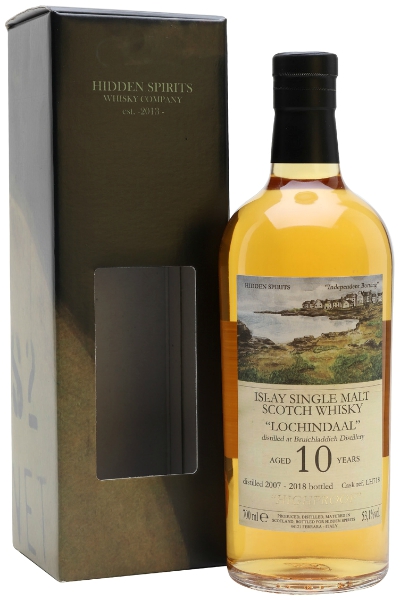
Lochindaal 10yo 2007/2018 (53.1%, Hidden Spirits, 235 bottles, LH718)

Bruichladdich, today, is known for their three brands of Whisky. The “unpeated” Bruichladdich, the heavily peated Port Charlotte (40 ppm), and the super heavily peated Octomore (80 ppm and higher). In november and december of 2007 Bruichladdich also made a heavily peated distillate at 50 ppm called Lochindaal. The Lochindaal spirit is named after a distillery. Lochindaal is one of the names, Rhinns was another, for a distillery we now know better as Port Charlotte, which started up in 1829 and closed in 1929. The Octomore spirit is also named after a distillery which operated between 1816 and eventually closed in 1854, Operations halted much earlier around 1840.

There were plans to reopen/rebuild the Lochindaal/Port Charlotte distillery and for this purpose in 2005, the Spirit and Wash stills from the Dumbarton complex, that once made Inverleven Whisky, were acquired. Dumbarton closed down. The Lomond Stills from Dumbarton (making a Single Malt called ‘Lomond”) are now used at Bruichladdich for The Botanist Gin. Lomond was mothballed in 1985 and Inverleven in 1991. In the end the whole Dumbarton complex was closed in 2002 and demolished in 2005 and subsequently the stills transferred to Bruichladdich. The Inverleven wash still was put outside the distillery on show, and the wash still was put in the Lochindaal/Port Charlotte distillery. Both stills never ran on Islay and were yet again transferred, this time to Ireland for the new Waterford Distillery, so I guess the reopening of Port Charlotte is put on ice for the time being.

Lochindaal was made available to the public, at the time, for £1850 a cask. The plan was to fill around a 100 casks a year and to keep making this distillate. Hardly any information can be found on that plan, so I have to ask around. By now we know that Lochindaal never really saw the light of day as a brand for themselves (yet), because in truth, what would it have added for the discerning Malt aficionado, or the public in general, when you already have Port Charlotte which is also a heavily peated Malt. Nevertheless, examples of Lochindaal, made in 2007, in 2009 (september) and 2010 (december) were bottled, and maybe more will be bottled in the future. So casks do exist, and maybe casks are still filled with the Lochindaal spirit. Most Lochindaal is bottled by independent bottlers or as private casks, by the people who bought the casks mentioned above. Be warned, since it seems to be quite rare, prepare to pay a little extra for a bottle of Lochindaal.

Color: Light gold, piccalilli yellow, when the sun hits it.
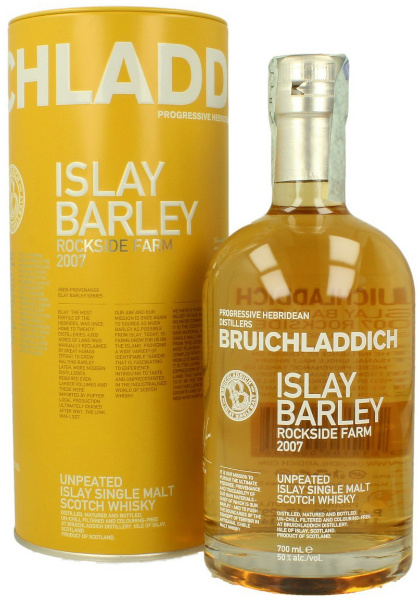
Nose: Creamy. Pudding, custard, warm butter and vanilla with smoke on top. Excellent. This creamy bit really reminds me of the Bruichladdich Islay Barley expressions. Like the 2007. I If you ask me it’s essentially a peated Bruichladdich (in style). Hints of soft black pepper and soft wood and mocha. Very appetizing. Fresh and somewhat fruity, but the creamy bit is where this Malt is all about. Give it some air and it develops even more, with an even more floral note. Salt and pepper come to mind on more than one occasion whilst nosing this. The oak, nice because it gives a backbone, shows itself quite late. The creamy bit is quite dominant. yet, if given even more time, still more is revealed, and the balance grows as well. more oak and paper notes. Spices adding depth. With even more time, a funky acidic note comes forth. Interesting. The peat is wonderful, soft and brooding and on top of that some fatty smoke to finish it off.

Taste: Fatty peat and stinging smoke. Big aroma. Black pepper attack like the best of Talisker. Peat lingers in my mouth. Warming and brooding upon a layer of toasted barley. Winter warmer this is. Almonds and ashtray aromas develop in my mouth. Hot motor oil, and a more winey note? All this accompanied by some lemon and lime freshness, zest and acidity. Big upon entry, but somewhat less big in the body-department. less creamy bits making for a slightly thinner experience, making room for the sharper smoky notes. However the pepper and the peat and the half-strength creamy backdrop do steal the show here. Long finish with an even longer aftertaste. It goes down like treacle!

I really like the 2007 Islay Barley Bruichladdich and I also liked the 10yo Port Charlotte and Octomore is nice as well. This Lochindaal is no exception. Easily recognizable as a product from this distillery. A rarity at 50 ppm. Well made but as I said, not terribly different from the rest of the output from this distillery. It’s very good, I really like this Lochindaal, but if you want to pay, or do you need to pay an elevated price for this and most other scarce expressions, is entirely up to you.

Points: 87

Grazie mille, Andrea!

Bruichladdich 6yo Islay Barley 2007 (50%, OB, Rockside Farm, 13/126, 2013)

If you click on Bruichladdich in the right column, you’ll find that the last few reviews of “Bruichladdich” were written about an Islay Gin and two Rums. Yes, Bruichladdich is quite a progressive and busy operation, not only distilling three different kinds of Whiskies (The unpeated Bruichladdich, the heavily peated Port Charlotte and the insanely peated Octomore). They also bottle a range of Rums under the moniker of the Renegade Rum Company, mostly if not all finished in a wine casks. Yes, before I forget, they make a Gin as well, and not any Gin, it’s Gin made with botanicals from the Island of Islay. So a local Gin, and as Bruichladdich say themselves, Terroir matters. A now I have a chance for a bridge, al be it a terribly un-smooth one. Since we are on the subject of terroir…

Where Springbank lead the way with Whisky made from “Local Barley” Bruichladdich takes it one step further. Whisky-nerds always want a lot of information about their dram and Bruichladdich is sure one of those who are happy to provide, combine this with the “terroir” philosophy here we have a Whisky of which we now know it’s not only made from local Barley, but we also know how local. The barley used, Optic, was grown on Mark & Rohaise French’s Rockside farm, and not on the whole 2,500 acre farm, no, it was grown exclusively on one particular field called ‘Minister’s Field’. Two years after this 2007 Islay Barley was released, the French’s decided to sell their farm to Kilchoman, which is built on Rockside Farm land, and leave the Island…

Color: Light Gold.

Nose: Barley, bread and cereal. Warm and sweet-smelling. Vanilla, custard and pudding. Although supposedly unpeated, this still has some peat, paper and smoke. Fresh and fruity, and quite honest. A lot happening already after 6 years. Develops in my glass. Hay, citrus and fresh ripe Cherries. Appealing and appetizing. Depending on the moment, sometimes, and it’s not often, I pick up some petrol. Brings back moments of a warm silent summer in the countryside. No wind and being alone. On top of the fresh and fruity notes lies this sharper smoky note. The whole experience is less broad than the 2006 Bere Barley offered by Bruichladdich as well. Sure this is 6 years old and I guess this makes lots of people thinking it is probably simple or doesn’t offer a lot of complexity. Bollocks. I feel, this offers an amazing complexity. Yes it’s 6yo and it has youthful elements to it, but not typical youth, as in hints of new make. A nice drinker, but this time an even better one for comparison to others like it from Bruichladdich (different vintages of Islay Barley and Bere Barley), Kilchoman 100% Islay, or even the likes of the aforementioned new Springbank Local Barley’s. Yes you need more of these open at the same time. a terrible thought indeed!

Taste: Sweet, with cookies, cereal, and very fruity right out of the gate. Tiny hint of soap and wax. Nothing to worry about. Big, dirt, soil, oil and rural notes, but also creamy with vanilla powder and old dried out toffee bits. Sweet. Hard to imagine now that the Bere Barley was even more aromatic than this one. Just like Springbank, this needs some breathing before showing its true potential, but when it does, it delivers nicely. Nice presentation too by the slightly higher ABV. 50% instead of the new standard which seems to be 46% ABV. Both are great improvements over “old” 40% ABV. Yes, the alcohol is noticeable people. Mocha and milk-chocolate come next. Vegetal, grassy, linseed oil and butter. A healthy sensation gets over me now. The finish could have been better balanced and longer. First of all the Alcohol (sometimes) slightly anasthetizes my tongue and the roof of my mouth. Secondly it gives off a slightly acidic aftertaste which somehow doesn’t really fit the profile. It’s not an off-note but it just doesn’t fit in this picture. It gives too much separation (of tastes and balance) and leaves the finish in a bit of confusion. (gets better with more air). Hardly any aftertaste, which means youth I guess… This luckily doesn’t spoil the fun though, and I still love this dram. Not as complex as the nose but more than enough, especially considering, again, that this is a mere 6yo. It’s a way to go with modern Whiskies. I love this series as well as I do the Bere Barley series. Well done Bruichladdich.

It is quite nice to try several different releases from the Islay Barley series side-by-side. The differences are bigger than one would expect beforehand. In my Whisky Club we also compared this 2007 Islay Barley to the 2006 Bere Barley 2nd Edition. Both are in their own right quite good Whiskies (can we get some older examples too please?), but trying the one right after the other was for me te true way to try these, hence I feel you need several of these open at the same time. They complement each other quite well. The differences are big enough to warrant this…

Points: 86

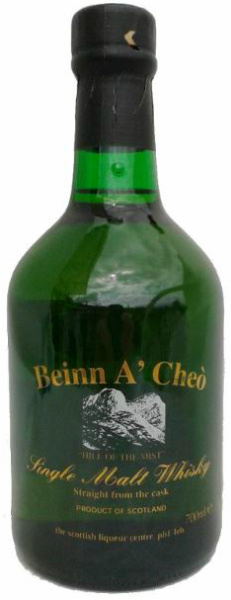
Glenallachie 11yo 1995/2007 (59.4%, The Scottish Liqueur Centre, Beinn a’Cheò, Bourbon Hogshead #33, 273 bottles)

And here is already the third Glenallachie of 2015. Earlier contenders for the Glenallachie award were a 2007 distillate of Dewar Rattray (83 Points), and not so long ago an 1995 offering from Kintra (82 Points), so both scoring low 80’s, which makes them nice, but not great in my book. This time around we’ll have a look at a Glenallachie bottled by The Scottish Liqueur Centre. Yes I know, they are not the most widely known independent bottlers around. The Scottish Liqueur Centre is owned by Morrison & Mackay. Still no bells ringing? What about one of their other brands: Carn Mor, surely you have heard about that! More recent bottlings of Beinn a’Cheo (mountain of mist) no longer have The Scottish Liqueur Centre on their labels, making Beinn a’Cheo a true brand of Morrison & Mackay, just like Carn Mor is.

Glenallachie 11yo 1995/2007 (59.4%, The Scottish Liqueur Centre, Beinn A'Cheò, Cask #33)Color: White wine.

Nose: Spicy and fruity and lots of other traits you know from typical Refill Bourbon casked high strength Whiskies. Remember all those Cadenhead bottlings? Fresh and slightly soapy. Old lavender soap, which only adds to the nose, not disturbing it. Whiffs of rural organics. And nice warm barley. Typical oak. Hints of vanilla from the American oak. When all that is out-of-the-way and the Whisky settles down in my glass, some nice fruits emerge along with a nice fatty creaminess. I won’t say it’s simple, but it is typical, well and it’s not really complex either. Not bad though. The oak really gets out when you warm it up in your hand. Wait a minute, warming it in your hand and giving it some time to breathe it really opens up. Finds balance. Nice fruit agian, but the sweeter fruits are now accompanied by citrus fruits. Sometimes this nose reminds me of Angostura 1919, a Rum.

Taste: Sweet. with almonds and fruit. Quite a surprise after the “typical” nose. This goes to show, that nosing isn’t everything. It’s sweeter than usual, but never crosses the line. However it’s sweet enough never to make it your daily drinker, the ABV is too high for that anyway. The wood is here too. Bit mocha and oak, milk chocolate. The wood forming a spine for the big sweet fruity body of the Whisky. Lovely stuff. I also like the almond that returns for the finish, although the oak plays a bigger part, turning herbal with air. After the heat passes your throat. The finish is nothing more than the fruity sweetness, some paper and overall “shortness”. The finish is definitely the weak part of this Glenallachie. Not a lot remains.

There is a lesson to be learned here. This is no spectacular Whisky when freshly opened. It’s closed and seems very simple. This is maybe thé example to let a Whisky breath to unlock its full potential. If you do, this ugly duckling turns out to be quite special after all.

Points: 86

Glendullan 14yo 1993/2007 (46%, Murray McDavid, for Malts and More, Bourbon/Rioja Tempranillo, Cask #05/0052, 493 bottles)

After the Murray McDavid Rhosdhu, here is the second of three bottlings by Murray McDavid. This time we’ll have a look at Glendullan. The Edradours I reviewed last had their first appearance on Master Quill, and now we can cross off Glendullan as well. Here we have a fine example, where Murray McDavid were taking the independent bottler. Specializing in Wine cask finishes. In the early 2000’s Wine finishes were snuffed at, since most of them were overdone and the Original Whisky was probably dull (pun intended). It was just the industry trying Wine finishing out and learning on the go. They still have to wait many years to find out where their experiment were taking then. This particular Glendullan started its life as a regular Whisky aged in Bourbon casks (most likely a Hogshead).  After a while the contents were transferred into a wine cask. Tempranillo te be precise. Tempranillo is a red grape most common to Spanish Wines like Rioja.

Glendullan itself is a distillery owned by Diageo. A bottle of Glendullan is not the most common find of all distilleries, especially considering Glendullan is one of the largest distilleries Diageo owns.

GlendullanColor: Dark gold, slightly orange.

Nose: Spicy wood and a slightly acidic winey note. Very spicy oak, slightly burnt. Nutmeg, and herbal as well. Some faint odd acidic citrussy dishwater aromas. Applesauce, de Querville Calvados! Quite dusty and old smelling, like an old Whisky aged in a Bourbon cask. Behind that a more restrained fruity note, but again acidic fruit combined with hard candy versions of that fruit with added cherry and raspberry candy flavours. Almond pastry, cinnamon and nougat. It’s not quite a replacement for a Sherry aged Whisky, but not bad nevertheless. The Wine turned out very soft on the nose. I do get some grape skin, but from white grapes, not red. In the end, all aroma’s are built upon a wealth of wood, but no, it’s not woody. Needs a lot of air (time) to develop, but in the end it will not disappoint.

Taste: Fruity lemonade and warming. Citrussy again and to a lesser extent so are the apples. Present, but not so much in the Calvados way. Also grenadine and quite a lot of licorice. Old rotting wood. The kind that has been submerged for a long time in a forest. Quite thick. Some raisins. Lots of influence of the wine cask. Maybe a bit too much? The Bourbon casked Whisky isn’t really recognizable anymore. Is that bad? Nope not really. This is still a nice tasting Whisky. Less complex than the nose, but overall quite pleasing. It doesn’t show its best bits right from the start. Pour it and leave it for a while.

Quite stunning what Murray McDavid have achieved with Tempranillo. No wonder Tomatin has gone that way lately too. Complex stuff, with a stunning nose, with quite some development.

Points: 85