I almost forgot to write this review, because I though I’d already done it. Here we have the first Benromach on these pages after they revamped the look in to this slightly bulkier glass bottle, more straightforward cardboard box (easier to store) and last but not least the usage of the colour red. I was a bit hesitant at first because I really liked the copper they used in the previous package, but the red stands out, looks fresh, smart and traditional. So I do like the new look a lot now, and love having them around. If this one’s empty, I’ll probably replace it with another (red) Benromach. Most likely another one from the contrasts series, since it offers interesting takes on Malt. Here it is because of the usage of Cara Gold barley.
Most Benromachs that are on the market now are fairly young, sure there are some older bottlings like the 15yo and the 21yo, which are different yet not necessarily better. The Whisky at hand is 11yo and a nice choice for starting a flight of Whiskies or as a casual sipper. Not expensive and an honest pour. Benromach produces a heavier more meaty spirit, often slightly peated and sits well with knowledgeable anoraky aficionados, you know who you are, and since you are reading this, you’re probably one of them. This particular offering is partly made with Whisky made from Cara Gold barley as well as the normal Benromach lightly peated malt, both matured in first fill Bourbon barrels.
 Color: Straw.
Nose: Sweet barley first, very appealing and very aromatic. Clean, fresh, fruity and malty with malt sugars and a nice layer of dust and paper-like aroma’s adding to the whole. Nice fresh wood tones, but nothing overpowering or off. Straightforward without any frills. Candied wood and candied yellow fruit, with hints of sweet smelling smoke, as well as some licorice. Clean and modern, although some yesteryear comes through as well. More wood (perfumed, highly aromatic) and wax with ripe yellow fruits. The label claims tropical notes, and sure enough… My perception of the fruit depends on the moment I’m smelling this. The first time around I wasn’t all too sure about the fruitiness, but the second time around, yes, here it is. I recently recovered from a nasty variant of the flu, and now that the nose is working again, I certainly pick up more on the fruit now! I’m very pleased with this Benromach. It smells very nice, accessible, balanced and its very aromatic and appealing. Well made, wonderful stuff and very affordable as well. After smelling this on many occasions over time, the fruity bit does wear off if you keep this for a while in your glass, focussing on the dusty and woody notes. Still soft and friendly though.
Taste: On entry, sweet smoke and sweet licorice. More subdued fruits. Candied Barley. You could smell it already, but it is most welcome tasting it. 46% ABV is a very nice drinking strength, definitely better, for modern Malts, than 40% or 43% ABV. Back in the day 40% ABV worked well, think of very old Gordon & MacPhail bottlings, like early Connoisseurs Choice bottlings (brown label, map label etc.) Yet Malts from this century definitely need a higher strength, higher than 43% if you ask me. Sweet, woody, spicy, somewhat bitter and slightly fruity (less so than in the nose). Tropical, well maybe. The wood has more to say here than it did on the nose. So more wood, slightly harsh even and showing some bitterness. The smoke is here as well and in the triangle between the wood, the smoke and the bitterness, it does take away a bit from the balance of the palate. A new sip with a fruity start masks the bitter bit for a moment. The finish is not very long and not a lot of it carries over into the aftertaste. But almost all you get is good (it turns out the bitterness has the longest staying power). No off notes. A very pleasant, fairly simple (it doesn’t develop a lot) and affordable dram. There is some diluted vanilla present, proving the maturation on (first fill) American oak. By the way, due to the bitter note this has, it isn’t entirely a casual sipper. Good, but I preferred the nose over the palate.
By itself a (partial) Cara Gold offering isn’t saying very much, it would be really interesting to have several Benromach bottlings, like this one, made with different barley varieties, open at the same time, to be able to compare them to each other. I checked my stash, but there isn’t another one at hand. A bere barley version would be nice, come to think of it, because bottlings like this remind me of the rebooted Springbank Local Barley series, where the Bere Barley version bottled in 2017 is my favourite. Yes I often prefer it over the 16yo and the dark 10yo. Sure the 16yo and the dark 10yo are great and definitely stellar as well, but the 11yo from 2017 is so good! Don’t be fooled by higher numbers or the colour of Whisky! Final remark, this particular Benromach worked best for me in a small tulip glass, a narrow, long stemmed Riedel for instance as opposed to a bigger glass, like the Holmegaard Perfection Spirit Glass. Both are very good, yet different. Good glassware always shows you more sides of the Whisky you’re drinking, so I do recommend to invest in good and several different pieces of glassware. It makes exploring your dram a lot more fun!
Points: 85
 Guadeloupe is an overseas department and region of France and it consists of threes. It has three main islands and has three Bellevue distilleries. From west to east we first have the island of Basse-Terre, easy to recognize because of its mountains and an active stratovolcano called “La Grande Soufrière”. Last eruption: 1977 (phreatic eruption, steam). The last magmatic eruption was in 1580 (give or take 50 years, sice nothing was recorded). The soil of Basse-Terre, and this probably doesn’t come as a surprise any more, is volcanic and thus fertile, very suitable to grow many variants of sugarcane. More to the east lies the island of Grande-Terre, separated from Basse-Terre by a narrow body of water called Rivière Salée. Grande-terre is flat and has a limestone soil. A bit farther away to the east and more to the south lies Marie-Galante. Also flat with a limestone soil and thus akin to Grande-Terre.
 As said above, then there are three Bellevue distilleries. Don’t worry, there are many more distilleries on the three islands that are not called Bellevue. The first Bellevue is Bellevue au Moule better known under it’s Rum-brand name: Damoiseau, located on Grande-Terre. The second Bellevue is Bellevue Sainte Rose, better known under it’s Rum-brand name: Reimonenq, located on Basse-Terre. And finally Bellevue Marie-Galante located on…do you really want me to spell it out for you? So we have three islands and all three have their own Bellevue Rhum Distillery. How’s that for order in the universe?
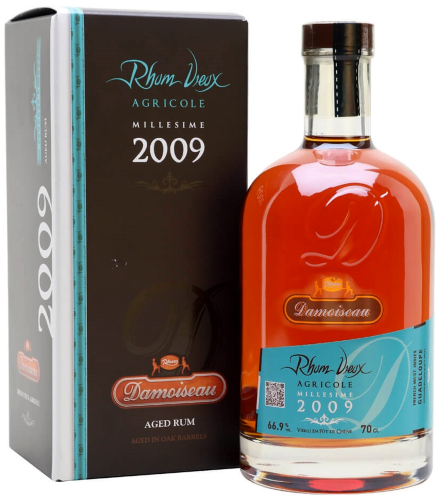 Color: Orange gold.
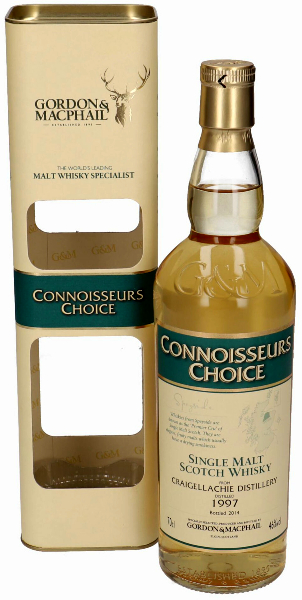 Color: Light White Wine.
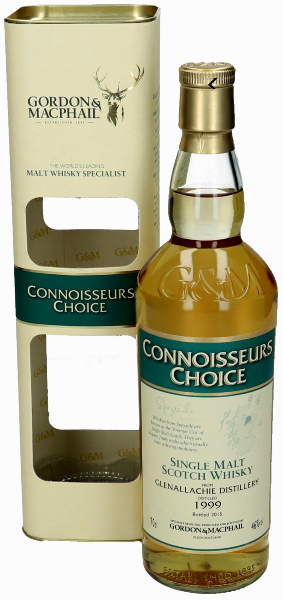 Color: White Wine
 Color: Pale gold.
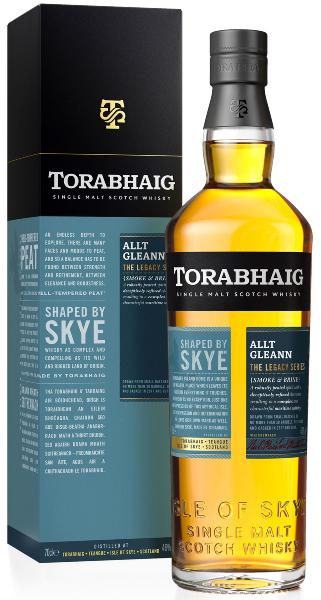 Color: Pale White Wine
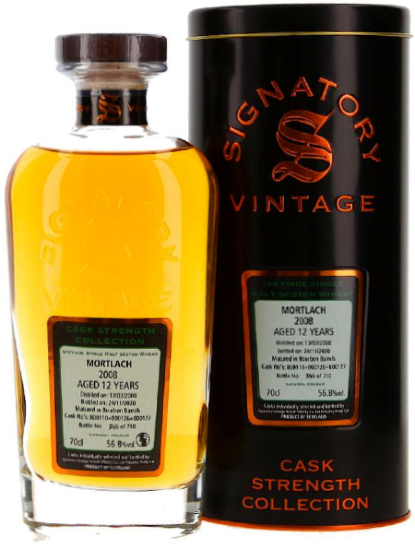 Color: Light gold.
 Color: Copper gold, like a Bourbon, definitely not the colour of water.
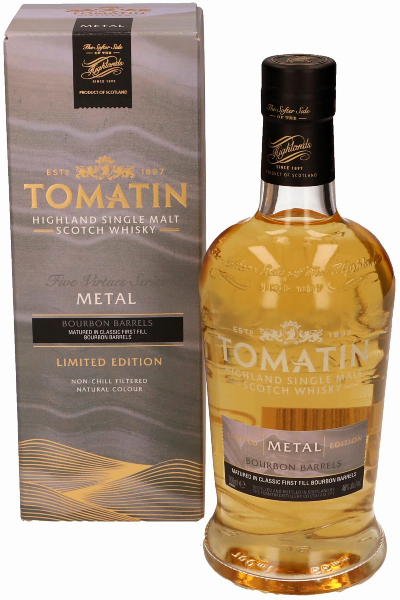 Color: White Wine.
 Master Quill