Cragganmore 12yo (40%, OB, Circa 2002)

A short introduction: Cragganmore was founded in 1869 by Glenfarclas’ John Smith and stays within the family untill 1923 when it is sold to the newly formed Cragganmore Distillery Co. In 1927 Cragganmore is 50% owned by DCL, one of the precursors of todays Diageo. In 1965 DCL buys the second half of Cragganmore to become 100% owner. In 1988 this Cragganmore 12yo becomes part of the Classic Malts Series, and in 1998 the Cragganmore Distillers Edition sees the light of day (more about that later), but let’s not get ahead of ourselves and have a go at this 12yo that was bottled back in 2002…
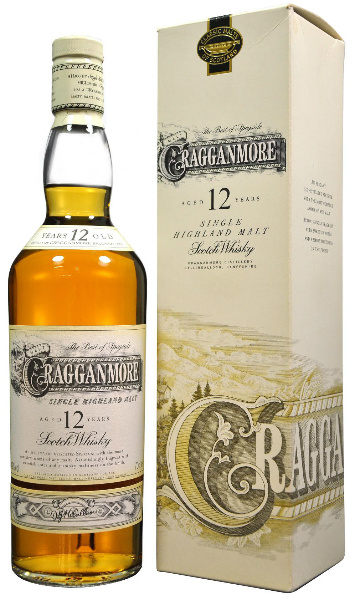
Cragganmore 12yo (40%, OB, Circa 2002)Color: Gold.

Nose: Fruity and malty. Quite some hints of caramel. Chilled produce, sugared yellow fruits and some candied orange. Waxy with an air of menthol. Hints of cardboard and toasted oak. Perfumy and vegetal. Fern on a dry forest floor. Sweetish, but also some oak acidity. Give it some time and the oak turns more spicy. Otherwise it is light, with creamy vanilla, wax and candied sweet yellow fruits.

Taste: Waxy and toffeed. Quite fruity and light. Dried peach and old dried apricots. Hints of clay. Warming. Damp earth from the forest again. Maybe some mushroom? Yellow fruit sweet yoghurt. A funky acidity creeps in. Very soft warm oozing caramel. Soft distant wood. Cigar box wood. Simple, light and likeable. Tiny hint of beer and hops in the finish, which comes as a surprise, also quite sweet with a burnt wood edge too it.

In the end I still feel that it is bit anonymous really. The distillery character is somehow hidden behind fruity sweetness, caramel and wax. Nice fruitiness though. Very easily drinkable. Again an entry-level malt to get you going. Nothing wrong with it, but also nothing special. One you’ll finish quite quickly and you’ll start wondering afterwards where it has gone. If anything, it does invite you to take another sip, as I will do right now..

Points: 81
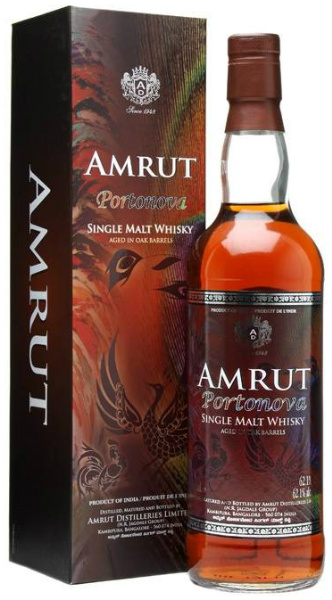
Amrut Portonova (62.1%, OB, Batch 5, 2014)

Ahhh, another Amrut. Nice. I had the pleasure to try some Amruts in the past and was very nicely surprised by the Intermediate Sherry (which I then bought) a Single PX Sherry Cask #2699 (which I then bought) and the Kadhambam (which I have yet to buy). I also tried the “plain” cask strength version, and although pretty nice, I preferred the former ones. Now this Portonova crosses my path. This time a Port finished Amrut, and yes, I have high hopes for this one too…

Amrut Portonova Batch 5Color: Light orange gold. No typical Port pinkishness.
Nose: Although this has a huge ABV, this doesn’t leap out of the glass. Give it some time and some dust and cinnamon emerges. Wow. Cookie spices, dried plums and raisins. Exotic and Christmas in a bottle. Fresh air after rain. Creamy and soft oak. Hot metal. Barley, but different from barley you get from (young) Scottish Whisky. Sweet milk chocolate and red fruit juice. Apart from this all, it has a sweet and deep feel. Exotic spices, curry, cardamom, but where is the Port? I already missed the pink hue, but I also miss its smell. Complex stuff this because there is even a lot more happening in the nose than what I noted here.

Taste: Condensed red fruits. Thick, but initially simpler than the complex nose promised. Obviously quite hot with this high ABV. The wood tastes more like paper and cardboard, than any kind of wood. Not a lot of the wealth of spices shine through on the palate, and that’s a shame. Its more a fruity Whisky with maybe some faint hints of Port. Vanilla comes next. With time if becomes more outspoken and creamy. Nice evolution though. Hints of banana in the aftertaste. Lovely.

First I have to air a disappointment. This would be a stellar malt if the spices from the nose were noticeable so more in the taste as well, without being overpowering of course. Missing the spices on the palate makes the taste of this Whisky a bit simpler than it could have been. Now that we have that out-of-the-way. The whole is still an utterly good Whisky. Very much recommended. An excellent winter warmer I would say. I will have to get me one of these soon.

Points: 88

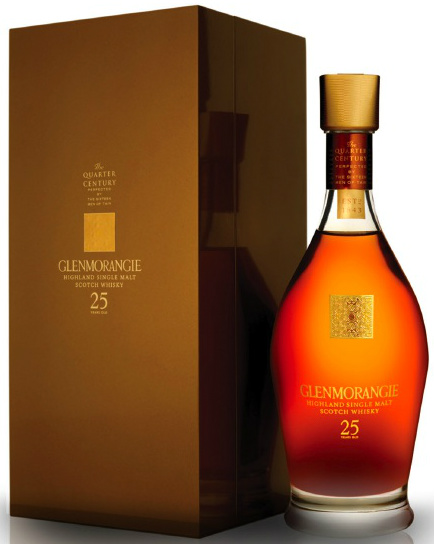
Glenmorangie 25yo “Quarter Century” (43%, OB, Circa 2012)

And here is another entry-level malt. Anyhow, it is when you give your wife a Luis Vuitton bag very month. If you’re more middle class, or like me, no class at all, you might want to get the 18yo “Extremely Rare” which isn’t actually extremely rare but compared to this 25yo is extremely affordable and quite nice. The 18yo scored a quite nice 87 Points. The 18yo has spent all of it’s time in Bourbon casks, save for 30% of the Whisky which was transferred into Oloroso Butts (or Puncheons) after 15 years, to get a three-year Oloroso finish. This 25yo is a blend of Whisky from Bourbon and Oloroso casks, but also contains Whisky from casks that once held Burgundy Wine. Pinot Noir (red) and/or Chardonnay (white). It is unclear if the Burgundy part is a full maturation or only a finish, well the same goes for the Oloroso Sherry as well.

Glenmorangie 25yoColor: Orange gold.

Nose: Waxy, dusty with old wood. Old bottle. Well if anything, this does show its age.  A sharpish winey note. Burnt oak and a distinct sweetish toffee note. Very creamy mocha and milk chocolate with hints of creamy latex paint. Duo Penotti. Hints of oak, cigarette smoke and wine acidity. paper dust. The aroma’s seem to weaken with time. Fragile.

Taste: Strong sweet entry. Red sweet and sugared cherries, so quite some wine influence. Toffee is in here too. Liquid candy. Light, slightly too low in ABV if you ask me. Similar burnt note to the nose. Old wood. Easily recognizable is the American oak ageing. Creamy vanilla and mocha coffee. Slight hint of oaken bitterness. Easily drinkable. Seems simpler that I initially thought and the finish has medium length.

This proves is for me. If you want a Glenmorangie from the current range, I prefer the ones with an age statement, the older ones that is, over the ones that are named after Hyundai cars. The secret here is that the 18yo is maybe a better and definitely much affordable Whisky than this 25yo. Sure, this 25yo is a great piece of work and compared to the 18yo is slightly more complex, but the 18yo seems to be the better balanced Whisky of the two. Did I mention the humongous price difference between the two?

Points: 86

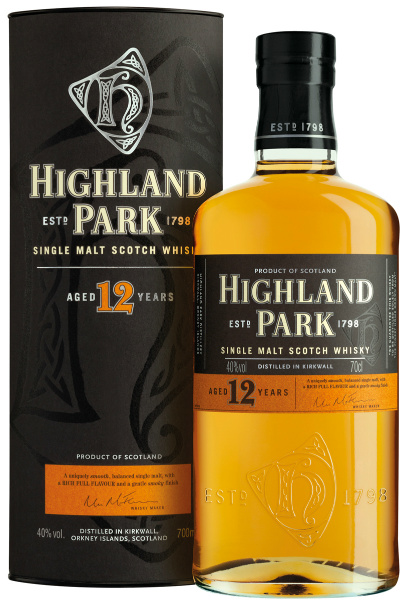
Highland Park 12yo (40%, OB, 2015)

Three years ago I already reviewed a Highland Park 12yo. That one was bottled in 2003 at 43% ABV. Today we’ll have a look at another Highland Park 12yo, only this time we have one that was bottled this year at 40% ABV. if you look closely on the (modern) bottle, a laser printed code is discernible. For instance, on this bottle, the code is L0042T L4. The thing to watch for is the letter T. I won’t go to deep into this here, but following the alphabet, P stands for 2012, (Q was skipped), R is 2013, S is 2014 and T, which we have here stands for 2015. So lets see if the people behind Highland Park were able to maintain the quality of their 12yo.

Highland Park 12yo 2015Color: Gold.

Nose: Barley. Oxidized funky Sherry. Yes, Heather and honey, so it’s still Highland Park people. Nice hint of smoke. Fresh, a breath of fresh air, with plenty of aromatics thrown in. Next a floral and sweet candied yellow and red fruit note appears. Forest strawberries fruit gello. The hints of smoke, the toasted cask, almonds, the funky Sherry, and obviously the heather and honey make this instantaneously recognizable as a Highland Park Whisky. No doubt about it. Do I detect a sort of rural smelling sulfur compound?

Taste: Very sweet and thin. Alas. Smoke and toasted wood, and also some Heather and honey. Just like the Balvenie 12yo, this is a very easily drinkable malt that will not last long. You’ll finish the bottle in no time, no time at all. Nice smoky taste and some woody bitterness. Dark chocolate. This would be a good one to compare to the Benromach 10yo, which also has a smoky note.

Just like the Balvenie, they made this into the entry-level bottling of the range. It is sugary sweet but it does show that it is a Highland Park, and that’s a big plus. Easily recognizable. Compared to Highland Park 12yo’s of the past, it lacks a bit of depth, or maybe that’s because this was bottled at 40% ABV. It has become more user-friendly because it is more sugary and fruity sweet to lure you in like they do with children and candy. But I have no problem with that, since this should be the introduction to Highland Park. If you ask me this is a very modern and popular take on an introduction to a brand of Whisky. Just try the Springbank 10yo as an introduction to Springbank and you’ll know what I mean.

Points: 82

The Balvenie 12yo “Doublewood” (40%, OB, Circa 2014)

Somehow a lot of Balvenies were already reviewed on these pages. However not the most popular one, the entry-level 12yo “Doublewood”, yes not a NAS bottling yet. Before the 12yo, the 10yo “Founder’s Reserve” was the entry-level Balvenie, but that one was discontinued in favour of this “Doublewood”. As I said before, Balvenie is a Single Malt I like to like, or like to love if you prefer, but somehow I don’t buy a lot of them anymore. Sometimes a bit weak and if they are really good, they are also really expensive. Once I had my own bottle of “Doublewood”,long, long ago, and it was very nice. I had several “Doublewood’s” since, but just like the 15yo “Single Barrel” I found the quality to be somewhat slipping, but they always stayed true to the Balvenie style, and for me that is elegance. Time to fill in one of the gaps on these pages and finally review the 12yo “Doublewood”. I can only hope this recent bottling does the trick for me again…

The Balvenie 12yo DoublewoodColor: Bright ocher gold.

Nose: Lots of caramel to welcome you, and hints of sugared orange skins. Creamy with slightly spicy oak. Sweet sawdust and sweet whipped cream. Hints of Cream Sherry, but the American oak donated a lot of vanilla to this Balvenie. It’s almost like there is also some virgin oak in this one. Hints of dried crushed leaves in autumn and a tiny burnt note. Smells fresh and well-balanced, although it does remind me of a heavily caramelized Whisky.

Taste: Nice but also rather thin. Sugary sweet and again caramel and cream. Yes, loads of vanilla are present as well as fresh almonds. It’s an ice-cream of a Whisky. The creamy aroma’s are quite big so it seems ok at 40% ABV. The lowest possible ABV to call itself Whisky, does show in the short finish. It hardly leaves any after taste. The finish itself seems to be built around a toffee flavour.

So this is probably a very nice entry-level Whisky. Very appetizing and sweet, with all the sweet markers. Toffee, caramel, Sugar and vanilla. Nothing to scoff at. Pretty good balance, but also quite simple. Not for analyzing, but for drinking without giving it too much thought. The only beef I have with this one is the short finish.

Points: 83

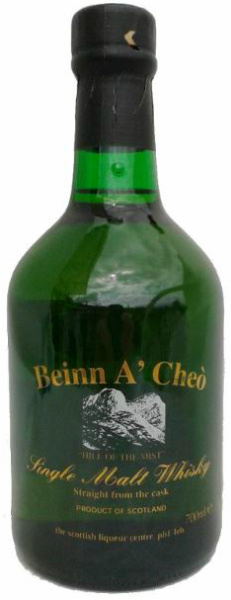
Glenallachie 11yo 1995/2007 (59.4%, The Scottish Liqueur Centre, Beinn a’Cheò, Bourbon Hogshead #33, 273 bottles)

And here is already the third Glenallachie of 2015. Earlier contenders for the Glenallachie award were a 2007 distillate of Dewar Rattray (83 Points), and not so long ago an 1995 offering from Kintra (82 Points), so both scoring low 80’s, which makes them nice, but not great in my book. This time around we’ll have a look at a Glenallachie bottled by The Scottish Liqueur Centre. Yes I know, they are not the most widely known independent bottlers around. The Scottish Liqueur Centre is owned by Morrison & Mackay. Still no bells ringing? What about one of their other brands: Carn Mor, surely you have heard about that! More recent bottlings of Beinn a’Cheo (mountain of mist) no longer have The Scottish Liqueur Centre on their labels, making Beinn a’Cheo a true brand of Morrison & Mackay, just like Carn Mor is.

Glenallachie 11yo 1995/2007 (59.4%, The Scottish Liqueur Centre, Beinn A'Cheò, Cask #33)Color: White wine.

Nose: Spicy and fruity and lots of other traits you know from typical Refill Bourbon casked high strength Whiskies. Remember all those Cadenhead bottlings? Fresh and slightly soapy. Old lavender soap, which only adds to the nose, not disturbing it. Whiffs of rural organics. And nice warm barley. Typical oak. Hints of vanilla from the American oak. When all that is out-of-the-way and the Whisky settles down in my glass, some nice fruits emerge along with a nice fatty creaminess. I won’t say it’s simple, but it is typical, well and it’s not really complex either. Not bad though. The oak really gets out when you warm it up in your hand. Wait a minute, warming it in your hand and giving it some time to breathe it really opens up. Finds balance. Nice fruit agian, but the sweeter fruits are now accompanied by citrus fruits. Sometimes this nose reminds me of Angostura 1919, a Rum.

Taste: Sweet. with almonds and fruit. Quite a surprise after the “typical” nose. This goes to show, that nosing isn’t everything. It’s sweeter than usual, but never crosses the line. However it’s sweet enough never to make it your daily drinker, the ABV is too high for that anyway. The wood is here too. Bit mocha and oak, milk chocolate. The wood forming a spine for the big sweet fruity body of the Whisky. Lovely stuff. I also like the almond that returns for the finish, although the oak plays a bigger part, turning herbal with air. After the heat passes your throat. The finish is nothing more than the fruity sweetness, some paper and overall “shortness”. The finish is definitely the weak part of this Glenallachie. Not a lot remains.

There is a lesson to be learned here. This is no spectacular Whisky when freshly opened. It’s closed and seems very simple. This is maybe thé example to let a Whisky breath to unlock its full potential. If you do, this ugly duckling turns out to be quite special after all.

Points: 86

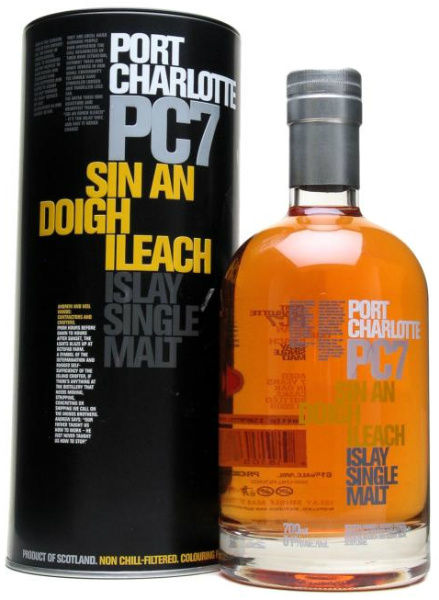
Port Charlotte 7yo 2001/2008 PC7 “Sin An Doigh Ileach” (61%, OB, 24.000 bottles)

Since 2006 with the release of PC5, once a year a PC edition is released. All distilled in the first year of distillation. As we know by now, the first distillation of Port Charlotte was done on the 29th of May 2001. In 2007 we saw the release of PC6 and in 2008 we saw the release of PC7, which we’ll review here. At this moment, I don’t have any more PC editions around, but it would be nice to follow the evolution of PC’s someday…

Port Charlotte PC7Color: Full gold.

Nose: Funky and meaty. Can this be Sherry influence? Pudding. Pencil shavings and mild fatty peat. Very creamy with small hints of banana. Nice interaction between the wood and vanilla. Cold black tea. Perfumed tea mixed with breaths of fresh air. Hints of sweetish yellow fruit yoghurt, what? Peach, passion fruit & maracuja. Heaps and heaps of aroma carried by a menthol/mint concoction. Hints of, wood, hay, ashes and again licorice like the An Turas Mor I reviewed last. Again good stuff to nose.

Taste: Powerful ABV yet not as warming as the An Turas Mor. It’s ABV does dry out the throat a bit. Creamy. It’s all there again. Lets call this vanilla pudding, shall we? Vanilla pudding with salt and pepper, that is. The way the peat comes across in Port Charlottes, makes them very tasty. Aloe Vera lemonade and hints of florality. Nicely integrated wood. Here we have some more wood to function as a backbone. Vegetal notes whiff in and out and the wood is somewhat floral. Slightly salty. Latex paint and mocha. Hardly any bitterness at all. Port Charlotte is growing more and more complex. Still its quite youthful and that shows in the weaker finish compared to other Islay Whiskies. But don’t worry, there is a lot going on before the finish.

Really nice distillate Port Charlotte. Well made stuff.

Points: 88

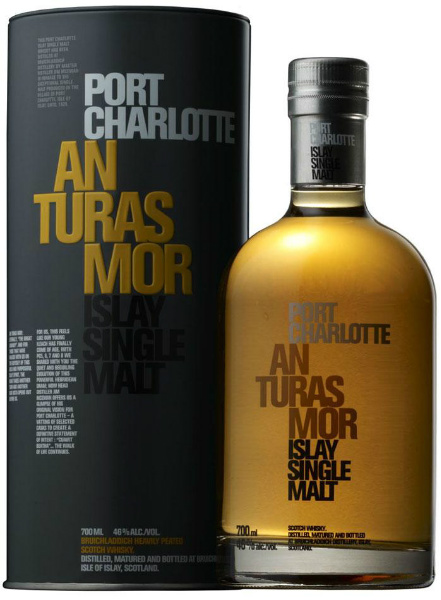
Port Charlotte “An Turas Mor” (46%, OB, American Oak Casks)

In 2000 Murray McDavid bought Bruichladdich for £6.500.000 (from Jim Beam, current owners of Bowmore and Laphroaig). After acquiring the distillery guess what was the first distillate made? Yes! Port Charlotte, not the unpeated Bruichladdich itself. The guys behind Murray McDavid are no fools. We all know Mark and Jim to be very shrewd guys. So the first stuff they wanted to make with their new distillery was peated Whisky. On the 29th of May 2001, the first Port Charlotte was made. The first Bruichladdich under new ownership was somewhat later distilled in July. (2001 which was also the year the first newly bottled Bruichladdich was released; the 10yo I just reviewed, the 15yo and the 20yo). Finally on the 23rd of October 2002 the first Octomore was distilled.

Port Charlotte "An Turas Mor" (46%, OB, American Oak Casks)Color: Pale gold.

Nose: Mild, fatty vegetal peat, with butter and vanilla, pepper and salt. It smells like lavas was one of the plants that makes up the peat. Quite soft and unobtrusive. Some smoke and a tiny hint of burnt plastic and traces of soap. Sappy licorice twig. Wood lying around in the forest. Fresh (air) and un-complex. Dry kippers with hints of tar. Dusty vanilla and some paper. Nice to smell. The nose is worth the price of admission.

Taste: Sweet and peat. Sugar water with slightly bitter peat. Sweet licorice and black and white powder (yes, licorice again). Slightly warming. Licorice and licorice twig. Very tasty (the sweetness helps it along), but not very complex, but who cares when it’s so drinkable. Reduced, brooding peat that resembles coffee a bit. After a decent body, comes alas a sort of weak finish. A finish full of paper, barley, hints of soap and sweet licorice, but I guess we can blame its youth for that.

Lots of young Whisky is noticeable in An Turas Mor, but it shows a lot of potential though. This will become a great peated Islay Whisky when it becomes of age. I feel that Port Charlotte is a sweet Whisky that can be high on aroma, but struggles a bit with its length when it’s young. Highly drinkable, likeable and definitely worth its money. Get it, it’s not as expensive as the PC’s.

Points: 84

Bruichladdich 10yo (46%, OB, 2003)

Earlier I reviewed the most recent, standard range, Bruichladdich from the Dumpy OB era: the Scottish Barley bottling. Today we’ll have a look at the one that started it all for the previous owners. A short recap is in order I guess. In 1994 Bruichladdich was closed (again) since not a lot of Malt Whisky was needed back then. In 2000 Bruichladdich was taken over by a group of people fronted by Mark Reinier (of Murray McDavid), who in turn, asked Jim McEwan to take on the post of master distiller and (progressive) production director. Who would have thought Jim to ever leave the Bowmore building. In 2001 Bruichladdich was reassembled, without making it a computer driven modern distillery and without disturbing the Victorian bits as well. If memory serves me correctly, by 2001, three bottles were released as some sort of core range. A 10yo (this one), a 15yo and a 20yo. So this 2003 bottling, is one of the next batches after that. Yes no NAS bottles back then yet!

Bruichladdich 10yo 2003Color: Light gold.

Nose: Light, sweet barley. Extremely dusty. Paper. Dishwater citrus, but also perfumy wood, otherwise not a lot of wood noticeable. Pretty fruity. Thick sugared yellow fruits. Some pineapple and papaya with a slight hint of mint and cardboard. Somehow it smells sugary with hints of toffee and caramel. No peat.

Taste: Paper and a sweet woody note. Also something metallic. Perfumy too. It tastes almost the same as it smells. A bit hot on entry, but quickly dissipating the heat. Citrus fresh, but not of the dishwater kind. Rhubarb and again some caramel, which moves into toffee towards the finish. Hints of mocha and wood. Some woody bitterness helps the Whisky along. To my amazement, the dishwater component returns.

The current entry-level Bruichladdich is the NAS Scottish Barley and as luck would have it, I still have that one here too! The Scottish Barley has a lot of butter on the nose, but the fruit reminds me of the 10yo (but only the fruit). Definitely a younger Whisky. More raw and closer to new make spirit. It even has a tiny amount of smoke (and a wee bit of peat and oil, since it resembles Springbank a bit), which is nice. Tastewise the NAS is even simpler than the 10yo, more on barley and lacks some of the off notes of the 10yo.

I was never a fan of the 10yo, and after more than ten years, I still don’t like it that much. The Scottish Barley however, reminds me of Springbank, and even though it is simpler, less complex, in this case I prefer the NAS over the 10yo. (The “Yellow Submarine” I had next, was definitely better than both)

Points: 78

Bunnahabhain 35yo 1976/2012 (48.8%, The Whisky Mercenary, 80 bottles)

500I almost missed it, but this is already the 500th post on masterquill.com. Three and a half years have passed since the moment I wanted to see with my own eyes how a blog was made, so I never intended to continue after the first few reviews. The next few months no new posts were written, but after a while I picked it up again, never to let it go again. It’s too much fun to do, and it still is. It is a never-ending quest for the nicest of drinks that are available on the planet. So much more to discover.

I don’t have to post every day, but I try to have something up every other day. Once in a while I let it be, due to sickness (a.k.a. the nose doesn’t work properly), WiFi-less vacation or other reasons, and I don’t feel bad about it, so it doesn’t feel like something I must do. I have no plans of getting bored with it, or plans to retire after a while. There are so much more drinks around, and so much more to explore and learn, that I fear I will never get bored with it at all. Still, you never know, there have been others I loved to read that have stopped (and some have continued after a while). Here’s to the next 500. Let’s take it one step at a time.

Bunnahabhain 35yo 1976/2012 (48.8%, The Whisky Mercenary, 80 bottles)Time for the 500th post then. I had to pick something special, so why not a nice and old Bunnahabhain. Islay is hot, and so are the picks of Jürgen Vromans. Our beloved Belgian independent bottler. Nothing wrong with his nose, so I have high hopes for this 35yo Bunna. Cheers!

Color: Light gold.

Nose: Soft vanilla and wood, Definitely slowly matured on a slightly active cask. Some sweetness and a tiny hint of what seems to be a sort of waxy peat. light old elegant wood. Hints of chalk and a nice restrained fruitiness (yellow fruits). Old dried out paint dust and a great deep vegetal note. Excellent wood, creamy wood almost. Nothings really sticks out. It all is light and elegant and held back. Tread tenderly with this one. Old skool with excellent balance. Lovely. Should have come with a label in Paisley motif.

Taste: Quite spicy with a burst of sweetness coming from a dried licorice twig. Otherwise the Whisky has a great dry/sweet balance to it. Dry on the nose and dry on the mouth too, with some nice sweet and fatty touches to it. Creamy wax. Vanilla and half-dried pudding. Again a delicious fruity taste, again yellow fruit, mixed with a hint of sweetish black tea. Well integrated woody notes with just a small amount of woody bitterness.

This is a lovely old Whisky, well worth its initial Retail price. Jürgen picked a wonderful old and delicate or even fragile Bunnahabhain. Wonderful stuff. No heavy hitter and lots of nice details. Good balance with decent complexity. I should have gotten me one of these when I had the chance…

Points: 90