 And we’ve come already to the last day of the Bowmore Week. Up untill now we’ve had some pretty good new Bowmores and two Indie Bowmores from Cadenheads that were pretty good too, albeit somewhat different. What to pick to finish off this week. Yes why not, why not get an old bottle of Bowmore to have a small glimpse of what Bowmore was about in the old days. Pre FWP if I may say so.
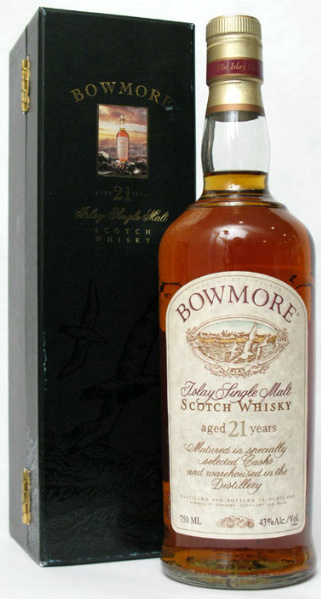 Color: Copper gold.
Nose: Fat, creamy peat. Even if you put the glass away across the table. this aroma will find your nose. Very well balanced, and has a great sweetish underlying sweetness to it. Hints of paper and cardboard. No problem here. Sweat and most definitely some old bottle effect. Smallest hint of smoke and an even smaller hint of ashes. Most definitely no FWP nor is it perfumy. Clay and raspberry jam. No heavy or in your face peat but candy sweet, elegantly peated Bowmore. Compared to newer expressions, this is more about fruit, less about the flowers.
Taste: Peat with a little bite. Dryer than expected and less balanced than the nose. It’s about (old) peat and estery, fruity, sweetness. The clay emerges here too, and even some putty. Finishes even a bit bitter on wood (and earwax).
The sample I tasted here came from an almost empty bottle, and maybe this Whisky doesn’t take air so well, because if memory serves me well I found this one better earlier (more fruit on the palate), or maybe this Whisky is a victim of batch variation. Still this is a good Bowmore and I guess, a fresh-er bottle would score higher.
And the Bowmore week is now (almost) over. What conclusions can we make? First of all there are a lot of Bowmores out there, with lots of different profiles, ages and strengths, so the seven I tasted here are far from representative, but we could conclude that Bowmore is getting pretty good again. The standard 12yo is very good and an easy pick for any bang-for-you-buck list. The Tempest range is looking good, and the same goes for the Devil’s Casks. Let’s finish off, that I’m glad to see a late nineties Sherry Butt destined to be hand filled at the distillery (#1215) only shows, even more than the notorious Devil’s Casks, how good Bowmore on Sherry can get. More please!
Points: 87
Thanks Andre (Forrest) for bringing this bottle to my Tomatin (& Bowmore) tasting event.
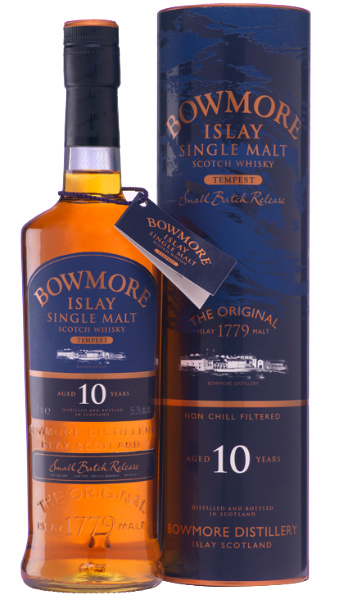 Color: Gold
 Color: Deep ruby red
 with that, they were the first indian distillery to do so. In 2004 Amrut released its first Single Malt Whisky in Glasgow Scotland, (in the lion’s den you might say). Today and that isn’t even a decade later, Amrut already released a lot of different Single Malt Whiskies. Peated and non-peated, matured in Bourbon, Sherry, Brandy, Cognac, Port and all sorts of different casks. Amrut have even released in one bottle, Whisky matured in India and in Europe, or using malts from different continents. Lots of thinking out-of-the-box.
 Color: Full ocher gold.
 Christophe Ogier had a wine shop established in 1859 called Ogier et Fils. In 1872, his son Etienne took over the company and he passed it over to his grandson Antoine in 1914. In the 1950’s the company joins with Bessac Caves des Papes in Châteauneuf-du-Pape. Their combined estates are all located around Châteauneuf-du-Pape.
 Color: Dark ruby-red.
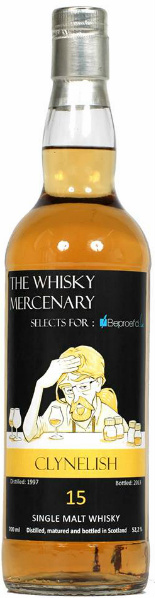 This Clynelish caught me completely by surprise, since Jürgen didn’t tell me he was sending this, and getting free Whisky in the post is, niiiice 🙂 We all know Jürgen from his series of Whiskies he picks out and releases under his
 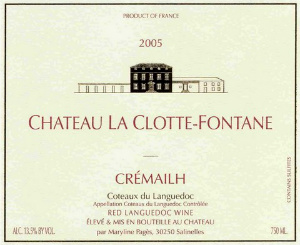 The domaine is situated near Salinelles, between Nimes and Montpellier and spreads over 130 ha and has two types of soils. One, on the sunny eastern side, contains large pebbles. The second is rather flat and is made up of clay and limestone.
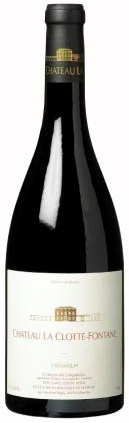 Color: Intense deep red, almost black. Lets only sunlight through.
 Linkwood is another example. Luckily this also happens the other way around. For most people Teaninich is nothing out of the ordinary, but I really do like my Teaninichs…
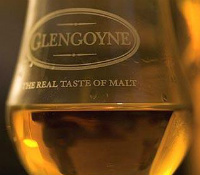 So, after three ‘Mashman’s choices’ from 2006, we now move into even (c)older bottlings. Next up is this Glengoyne “Winter” that was distilled in the winter of 1984, and bottled in 2004. This bottle is a limited edition of 576 bottles so most probably a Sherry Butt (or Puncheon). 1984 is also a year not a lot of official Glengoynes come from, I actually know of only one other, Sherry Cask #790, that was bottled already in 1998.
 Color: Light gold.
 The fabulous list of ingredients: Rum? Nope. Star Anise? Nope. Lemon? Well, no. Cinnamon? Not really. Cloves? Again no. Snowdrops? I haven’t tried snowdrops yet, have you? Pears? Nope. Honey, nope it’s more sugary sweet. As I said, a wonderful piece of literature, by someone who obviously had a cold, or maybe I have a cold right now? I wish it was summer already.
 This is number three in Tomatin’s true affordable core range. If you’re new to Tomatin and don’t want to break the bank, Tomatin offers you the 12yo, 15yo and this 18yo. This 18yo is matured in Refill Bourbon Barrels and finished in Oloroso Butts (and maybe even some Puncheons and/or Hogsheads, who knows). A Oloroso Sherry cask used to be thé cask to age your whisky in, but here the whisky was only finished in Oloroso casks.
 Color: Gold with a slight pinkish hue.
 Master Quill