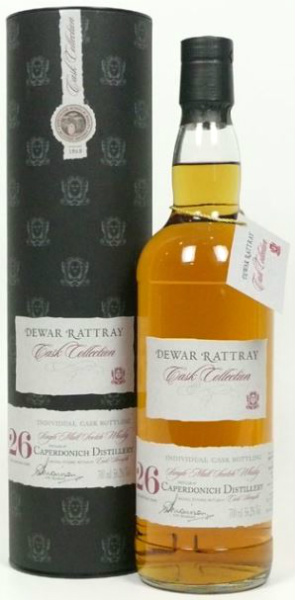
Campbeltown Loch 30yo (40%, Springbank Distillery, 09/507)

I get this all the time. “You always write about Single Malt Whisky, as if there is no other Whisky”. Yes, those people might have a point, but I do prefer Single Malt over today’s Blends, but forgetting about blends altogether, would be a mistake. Just have a go with a blend from the olden days to convince yourself. Mind you, most of them still are very inexpensive at auctions, so it doesn’t cost a lot to be adventurous.

Here we have a Blend that was brought to you by the good people of Springbank. Hence the use of the standard Springbank bottle. For now, let’s give this 30yo blend a go, and more about the ingredients of this Blend later…

Campbeltown Loch 30yoColor: Gold.

Nose: Grainy, dull at first, with some paper notes. Cola freshness. The whole is very malty and light, so there probably is a lot of Grain in this Blend. Not a lot of old Whisky aroma is oozing out of my glass. Hints of old Sherried Malt, yeast and cardboard. Next some old wood emerges with dusty and, slightly smoky, notes of very dried out apricots. So slightly fruity and waxy, typical for old Bourbon casked Malt. Oak spice and some woody mint, but not as much as you would expect after 30 years.

Taste: Grainy, Malty and sweet. Very light. Light mocha and milk chocolate notes. Nice cookie dough and waxy depth and although quite thin, it has a bit of chewiness to it. Still, the body remains very light and fragile, grainy and lightly fruity. Towards the end a vegetal and a soury note from the oak leads into the weakish and quite short finish. It comes across as watered down, and hardly seems 40% ABV at all. You know what my next remark would be…

Before we continue, here is what Springbank had to say about this Blend: “Around 45% of the Campbeltown Loch 30yo is made up of the old 25yo, which was allowed to mature on. That 25yo blend was almost 100% malt and contained some 1964 Springbank along with other single malts including 1977 Ardmore, 1977 North Port, 1978 Tomatin, 1977 Imperial, 1976 Glengarioch, 1976 Ardbeg and 1976 Glen Grant. 30yo grain from Girvan was added to that, to complete the new 30yo Campbeltown Loch.“ Well I couldn’t have said that any better myself.

The old 25yo they mention was made from almost 100% Malt Whisky, so it almost was a Blended Malt, or Vatted Malt we used to call it back then. This 30yo however, contains only 40% Malt Whisky, so a lot of that Girvan was added to the old 25yo.

Yes it’s nice, but also very light. This Blend has a lot of fans and why not, just read the list of its contents again. Check out the age again. Personally, I don’t really get a lot of the old malts in this blend and I don’t think the Girvan was matured in very active casks, that mask the old Malts even more. Nevertheless, nice stuff and I won’t have a problem finishing this, but I can’t help but feel this could have been even better by adding less Girvan and bottling fewer bottles, since there weren’t any more old Malts available. I do hope I get to try the old 25yo Blend someday…

Points: 85

Ledaig 16yo 1997/2013 (56.8%, Gordon & MacPhail, Cask Strength, for The Whisky Exchange, Refill Sherry Hogshead #465, AC/AEHI)

Third of October and right now the doors are opening for the 2015 Whisky Show in London, England. As many years before I’m attending this wonderful Whisky fest, the best few days of the year. Maybe not even the Whisky, but the people. I really can’t wait for it to begin. For those of you that are not there I’ll have a go here at a Ledaig (a.k.a. peated Tobermory) that was picked by The Whisky Exchange. This was a Whisky that was bottled a few weeks after the Whisky Show 2013, but luckily I got a chance to try from Gordon & MacPhail, before it was bottled. People from the Netherlands will know its sister cask #464 which was also excellent but much lighter in color.

Ledaig 16yo 1997/2013 (56.8%, Gordon & MacPhail, Cask Strength, for The Whisky Exchange, Refill Sherry Hogshead #465)Color: Copper orange gold.

Nose: Fatty peat and candy sweetness. Animalesk and organic. Wild stuff. Hints of burnt cable. Unlit tobacco and dark chocolate powder. Very vegetal. Thick and full of itself. Big. Hints of vanilla and cream. Some dried grass and yes some wet grass from a muddy field in October as well. Funky fresh fungi. This never stops giving. Great peat that is balanced out nicely by the Sherry, but the former is the more dominant in this bottling.

Taste: Excellent entry. Sweet, mixed perfectly with licorice and lots of almonds. Even the wood is almondy. Utter and perfect balance. What a great integration of flavours. Red fruits and berries and hints of Gin. Fresh at times. Sea spray and hints of blobs of fresh fatty tar. Remember Lightning McQueen? Hints of stable (cow) and a bit of wood, but not much. Strange enough, with this amount of aroma and at almost 57% ABV., this only  has a medium finish, it gone sooner that you would want. Great aftertaste though. Almonds and red fruit. Salty lips!

If this would be older (tasting), had a longer finish and had even more added depth it would score well into the nineties. If it had more notes of curry and red peppers you could eat this dram. What a near-perfect modern dram this is. Excellent stuff can still be made. I’m happy I had some prior knowledge to snap this up when it was released.

Points: 90

Buffalo Trace (45%, OB, Circa 2013)

A new month, and maybe it just is time for something different. Different from Single Malt Whisky that is. More than three years ago, I reviewed a Single Barrel version of Buffalo Trace, selected by Binny’s. A barrel that otherwise would have been used for the standard bottling of Buffalo Trace. Up untill now, I even haven’t tried the standard Buffalo Trace bottling, so here it is, maybe long overdue on these pages, so without further ado, straight from Frankfort, Kentucky, USA, here is Buffalo Trace.

Buffalo Trace 45%Color: Orange Gold.

Nose: Yeasty with lots of honey. Hints of bread and some great fresh and sappy oak. Glue and corn. Toasted cask, sweet and spicy and slightly soapy. Hints of red fruits and dried apricots in white chocolate and a tiny hint of cherry liqueur. Next some dried leaves on the pavement (in November). Glue and soap don’t sound very nice, but I can assure you, it all fits together quite nicely. It smells quite modern and fresh, although some old planks from an old grocery shop are there.

Taste: Sweet and toffee. Creamy vanilla. Yes, toffee and caramel, with some prickling wood spice, soon to be countered by the initial sweetness of the Bourbon. However, this sweetness seems to come and go, switching places with a dry oak sensation. Hints of acidic red fruits, and some light candied oranges. It is quite mellow and much simpler than the nose was. I no way would I have guessed this to be 45% ABV. It seems lower, mellower. In the taste there isn’t a lot of evolution and there isn’t a lengthy finish, but it does leave a nice aftertaste. Don’t get me wrong. This is a nice Bourbon, that is easily drinkable. Definitely a very good entry-level Bourbon.

Here I will compare this Buffalo Trace to the Binny’s Single Barrel version I reviewed earlier. On the nose, The Binny’s version seems to me to have more depth and has an addition of florality to it (Lavender, fresh, not lavender soap). It also has more caramel and smells sweeter. Heavier on the fruit too. It simply has more aroma. Much less virgin oak but it does have some paper in stead. The rest of the nose overlaps with the standard version. In the taste it seems more similar to the standard version. Not a lot of difference in age or “thickness”. Just a little bit more added depth and slightly sweeter. The wood has a tiny hint of pine that is quite nice. The wood itself is less of the virgin type, and more of the old grocery shop plank type. It seems to be mellower and it doesn’t have the attack and the glue of the standard version. In the end, the Binny’s version offers a different take on the standard Buffalo Trace, but the quality is there in both.

Points: 82

Bruichladdich 10yo (46%, OB, 2003)

Earlier I reviewed the most recent, standard range, Bruichladdich from the Dumpy OB era: the Scottish Barley bottling. Today we’ll have a look at the one that started it all for the previous owners. A short recap is in order I guess. In 1994 Bruichladdich was closed (again) since not a lot of Malt Whisky was needed back then. In 2000 Bruichladdich was taken over by a group of people fronted by Mark Reinier (of Murray McDavid), who in turn, asked Jim McEwan to take on the post of master distiller and (progressive) production director. Who would have thought Jim to ever leave the Bowmore building. In 2001 Bruichladdich was reassembled, without making it a computer driven modern distillery and without disturbing the Victorian bits as well. If memory serves me correctly, by 2001, three bottles were released as some sort of core range. A 10yo (this one), a 15yo and a 20yo. So this 2003 bottling, is one of the next batches after that. Yes no NAS bottles back then yet!

Bruichladdich 10yo 2003Color: Light gold.

Nose: Light, sweet barley. Extremely dusty. Paper. Dishwater citrus, but also perfumy wood, otherwise not a lot of wood noticeable. Pretty fruity. Thick sugared yellow fruits. Some pineapple and papaya with a slight hint of mint and cardboard. Somehow it smells sugary with hints of toffee and caramel. No peat.

Taste: Paper and a sweet woody note. Also something metallic. Perfumy too. It tastes almost the same as it smells. A bit hot on entry, but quickly dissipating the heat. Citrus fresh, but not of the dishwater kind. Rhubarb and again some caramel, which moves into toffee towards the finish. Hints of mocha and wood. Some woody bitterness helps the Whisky along. To my amazement, the dishwater component returns.

The current entry-level Bruichladdich is the NAS Scottish Barley and as luck would have it, I still have that one here too! The Scottish Barley has a lot of butter on the nose, but the fruit reminds me of the 10yo (but only the fruit). Definitely a younger Whisky. More raw and closer to new make spirit. It even has a tiny amount of smoke (and a wee bit of peat and oil, since it resembles Springbank a bit), which is nice. Tastewise the NAS is even simpler than the 10yo, more on barley and lacks some of the off notes of the 10yo.

I was never a fan of the 10yo, and after more than ten years, I still don’t like it that much. The Scottish Barley however, reminds me of Springbank, and even though it is simpler, less complex, in this case I prefer the NAS over the 10yo. (The “Yellow Submarine” I had next, was definitely better than both)

Points: 78

Linkwood 18yo 1991/2010 (52.9%, Bladnoch Forum, Hogshead #10346, 252 bottles)

Another Linkwood then. Linkwood is quite a difficult distillery for me. Somehow I don’t seem to like Linkwood that much, and I don’t buy any of Linkwood without tasting it first. This one I did buy blind. First of all I like Raymond Armstrong (the former owner of Bladnoch Distillery) and just like Dutch independent bottlers The Ultimate were/are able to bottle some great Whisky at very fair prices. Luckily a lot of my tasting is done blind, so it’s not the name that makes for a lower score. Don’t get me wrong, I did come across some good Linkwoods as well. So with an open mind let’s have a got at this 18yo Linkwood.

Linkwood 18yo 19912010 (52.9%, Bladnoch Forum, Hogshead #10346, 252 bottles)Color: Light gold.

Nose: Acetone, unmistakable. Nail polish remover. Lots of sappy leaves too. Quite nutty as well. Well not dull isn’t it. This spirit jumps right out of my glass. The acetone seems to “remove” itself, but it’s just me not smelling it anymore since it tries to anesthetize me. Put it away for a minute and smell it again, and you’ll be hit in the head again. Even though some might like it, it most definitely is flawed. Nice wood underneath it all. Coffee, cloves and some mocha-cream. Hazelnut pastry. Vanilla, hints of lemon and even a bit perfumy after a while. If you factor out the solvent, this is quite a bold body from a highly active and spicy cask. Quite nice but with a rather unusual defect. No I don’t hate it. Maybe this needs to oxidize a bit?

Taste: For a brief moment there is a solvent. It is quite hot, but the solvent (not ethanol) is quickly replaced by a more woody and leafy aroma. Woody and nutty. Sweet, with a lot of vanilla. Even though the solvent part seems to dissipate for a while, the whole stays quite hot and overpowering, just as it did with the nose. Freshly painted wood and freshly sawn, not entirely dry, oak. The feeling something other than Whisky is going down my throat. Medium finish.

In a way this was difficult to score (but not really). First of all I liked it maybe a bit more than I scored it, but I don’t think this isn’t one to finish quickly. Quality wise this couldn’t score very high since it has some obvious flaws, not exactly from the middle cut maybe? (although hard to imagine).

Points: 79

Linkwood 13yo 1990/2003 (43%, Jack Wiebers Whisky World, Castle Collection, Cask #1922, 120 bottles)

This time we will have a look at a Linkwood from the rather obscure Castle Collection by one of Germany’s finest: Jack Wiebers Whisky World. Not a lot of pictures can be found of any bottle from this series. I still have the Linkwood bottle, but it is rather empty, so not so nice for a picture. Alas no true picture of this particular Linkwood. Most Whiskies for this series were reduced to 43%, although the odd cask strength version does exist. Besides reduction it doesn’t seem to me, that the whole cask was bottled. Usually only around 105 to 120 bottles are bottled per bottling. Yes I did that on purpose. It’s rather hot today.

Castle CollectionColor: Light gold.

Nose: Spicy oak and vanilla. We know already what that means don’t we? Next aroma is quite meaty. Diluted gravy combined with a salty caramel or toffee note, Just like the previous Linkwood this has some sort of herbal smelling wood. This also has a freshness that borders on ozone. Have you ever been in an ozone cleaned pool? Right after that the Whisky becomes more floral and retains its freshness. Creamy, powdery, not spectacular but at least very decent and reliable.

Taste: Light, very light, slightly alcoholic and fatty. Still meaty though and right after that some water diluted licorice. The wood turns slightly acidic and even a bit bitter. A kind of bitterness that is not welcome every time around, if you ask me, especially when combined with a floral note. But hey, that’s Whisky. It’s spirit aged in wood, and sometimes the wood impairs wonderful flavours to the spirit and sometimes not so great. Vanilla and watered down, molten vanilla ice cream and flower-water. Spicy and herbal again. Simple, so not a big body on this one. Short finish too. For me a bit too light and weak, but I’m not convinced it would be better after less reduction, or even at cask strength.

This Linkwood is pretty simple and straightforward and it is sold that way in a reasonably priced series and reduced to 43% ABV, to cut the cost even more. Not great, even with this nice nose, but not bad either. I imagine this to be emptied in one evening over a game of poker. It beats a lot of overpriced NAS bottlings of today though.

Points: 78

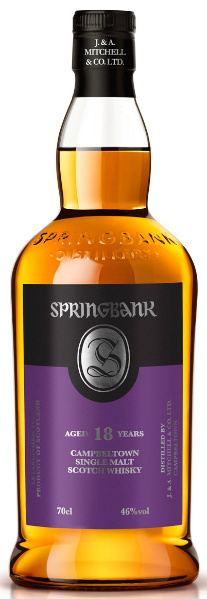
The Benriach 18yo “Dunder” (46%, OB, Limited Production, Peated, Dark Rum Finish. 1888 bottles, 2015)

After the Irish Teeling Blend and the Old Malt Cask Clynelish, why not make it a trio and try this new release from Benriach, wich was also finished in Rum casks. Out of the closet it came and onto my lectern, where I popped the cork of this Benriach “Dunder”. Dunder is the name of the residue left behind in the still after distilling Rum in Jamaica. The Dark Rum finish was done in casks that once held Jamaican Rum. I love Jamaican Rum, so I’m very interested what the Rum casks did for this peated Whisky! Yes you’ve read this right, peated Benriach, finished in dark Rum.

This is the second release in Benriachs new series called “Limited Production”. The first release was another peated 18yo, finished in PX casks, which was called “Albariza”.

Benriach DunderColor: Full gold with a slight green tint.
Nose: Nicely vegetal, soft and peat, reminding me of black coal. Niiiiice. Good peat. Lots of depth and quite juicy. Smoke, earthy and full of spices. Meaty smoke and a minty/menthol note. Not a lot of Dark Rum is noticeable though. The peat is simply the main marker here. If anything, the Rum brings balance to the nose. The peat aroma is quite strong without being hit in the face with it. Its strong and laid back at the same time. Balanced. Behind the peat is a sweeter, more creamy note that acts as a vehicle for the peat. Big peat, small vehicle. Like an elephant on the roof of a mini (the original mini, not the BMW giant mini). This needs a lot of air, and I just opened the bottle. This will get better over time. Over time the peat retreats a bit, letting through more smoke and a more buttery, creamy smell as well as some fruity acidity. Citrus (but not the skins). This is getting better and better (but still no high ester Jamaican dark Rum).

Taste: Estery sweetness, thick, you can cut it with a knife, but it’s not as sweet as those sugary Rums, since the overall taste is pretty dry and smoky. Spicy. Hints of paper. Lots of smoke, licorice and a not completely integrated acidity (like drops of lemon juice on fresh butter). All of this is combined with hints of banana. Intriguing. Extremely well-balanced. Warming. The right amount of time was used for finishing this, although it may have benefitted from a little bit more Jamaican Rum (and sweetness) in the mix. Maybe it should have aged a little while longer. Vanilla and Demerara sugar are present, still not very sweet. The Rum does show itself, especially in the finish, without it being typically Jamaican, apart from the high ester entry mentioned above. Hints of red berries with vanilla and smoked almonds (without the salt). What a nice surprise this is.

Points: 88

Springbank 18yo (46%, OB, 14/301)

Reviewing the utterly wonderful Glenfarclas 29yo I came across some notes and hints of coconut. Coconut is something I always found a lot of in old Springbanks, so Springbank stuck a bit in the back of mind, when I was tasting the Glenfarclas. Very conveniently, I have an open bottle of Springbank 18yo on my lectern, so lets see if this Springbank still has a hint of the old coconut up its sleeve. If I’m not mistaken, this Springbank is made from 80% Sherry casks and just 20% Bourbon. Lets hope the Springbank coconut is not (only) from the Bourbon casks.

Springbank 18yo (2014)Color: Gold.

Nose: Ferns and leafy. Garden bonfire (smoldering grass). Lots of forest floor aroma’s. Partly creamy. Sowing machine oil and slightly smoky. Sweet cold black tea. Give it some time and this actually is a beautiful nose. Red fruit juice and sweet red apples, but also some Golden Delicious, combined with hot metal. The smell of dead, old steam equipment. When given some more time to breathe some nice yellow fruits come through. Dried apricots combined with mint. Very fruity Sherry, almost a sweet white Sherry. It also reminds me a bit of Sauternes and sweet Moscato. Fabulous balance. Wonderful batch of Springbank 18yo. However, no coconut in the nose.

Taste: Sweet, oily and nutty. Fruity as well. Strange enough when the fruity part comes the sweetness hops into the back seat, so even though the fruity bit is highly aromatic, it isn’t sweet. So not a lot of fructose nor thick fruit, but a thin kind of yellow fruit. Slightly perfumy as well. Well balanced and everything stays in its place. Not a lot of development over time. Nice smoky note too and the sowing machine oil is present as well, but alas no coconut.

This is great stuff, but I still think this is not a Whisky for everybody. It’s not a lovely, fruity and soft Whisky. This is more a Whisky with muscles. A masculine dram with oil and smoke. Although almost three times distilled, it is miles apart from the typical triple distilled grassy and citrussy Lowlanders. Artisan Whisky from a lovely distillery.

Points: 88

Caperdonich 26yo 1980/2007 (56.2%, Dewar Rattray, Bourbon Cask #7349, 164 bottles)

Earlier this month my Whisky club reconvened again and this time we picked Glen Grant and Glen Grant 2 as the subject of choice. Glen Grant 2 is better known as Caperdonich. This 1980 was my entry into the line-up and got a lot of thumbs up. Not the winner in the end, because what Whisky could compete with the great Glen Grant, Gordon & MacPhail bottled to celebrate the wedding of Charles and Diana (the clear winner in my opinion). Also present was a highly praised Duncan Taylor Caperdonich from 1972 and two Murray McDavid Missions from 1968 and 1969…

Caperdonich 26yo 1980/2007 (56.2%, Dewar Rattray, Bourbon Cask #7349, 164 bottles)Color: Dark gold.

Nose: Vanilla, but a very strict kind of vanilla. Lots of influence from the wood. Spicy vanilla. Buttery and creamy. Demerara sugar. This also has a nice luxurious paper like quality to it. Old warehouse full of ageing Malts. A wonderful old Malt this turns out to be. The (dried) spiciness is quite complex. Light honey and nutmeg. Have you ever treated yourself at home to a quality vanilla ice-cream and didn’t do the dishes right away? Remember the smell of the dried out ice-cream at the bottom of the bowl? It’s in this very Whisky. Nice! Dried leaves partly from forest plants and partly from dried herbs and to a lesser extent: pencil shavings.

Taste: Vanilla again, but also a hoppy character. You also try the occasional beer don’t you? Toffee and caramel. Just the right amount of sweets, combined with a very zesty, although, tiny hint of fruity acidity. Red fruits, little forest strawberries, half-dried raspberries and other red berries. Where in most cases the acidity isn’t all that well-integrated, here it works like a charm. The fruitiness continues well into the long finish where the hoppy (cannabis?) bit returns. Is there even a tiny, tiny hint of coconut? All of this is given a good and astringent backbone of oak, that is aiding the Whisky along and giving it character. It’s not overpowering, just, but definitely in there. The high strength is noticeable but the Whisky is never hot.

What a great Malt this is. Fantastic development over the time you’re trying it and what wonderful flavours this gives off. This may take water very well, but I have never been feeling the need to do that yet. Thankfully I still have quite some left in this bottle to play around with and mostly, to enjoy myself with it. A great buy. Sad this distillery is no longer producing Whisky. But you never know how modern Caperdonich would have turned out in the first place. Luckily the old Caperdonichs are often stellar, especially from Bourbon casks.

Points: 88

Longmorn 17yo 1996/2013 (60.8%, The Ultimate, Sherry Butt #105091, 588 bottles)

Another year is almost over so this here is already the last post of 2014. What to review I asked myself? Maybe something incredibly special, something super premium or something outrageously expensive? Nothing like that. In the end I choose this Longmorn. Why? It seems like a good idea, to do none of the above, and I happened to have only one  open bottle left om my lectern that I hadn’t reviewed yet. Tying up loose ends. I hope this last year was a nice one and of course that the next one will be even better! Hope to see you back in the new year!

Dutch outfit Van Wees bottled eight heavy Sherry Longmorn’s distilled in 1996. These bottlings were rather popular, to put it mildly, since all didn’t need a lot of time to sell out. Highly collectible, but also good drinking Whiskies. Earlier, I already reviewed two casks from this series #72315 (the first release) and #72319 (the third release). Both were similar yet different, and both scored 88 points. This third review will focus on Sherry Butt #105091 (the seventh release). The first five were all sister casks #72315, #72318, #72319, #72323 and #72324 distilled on the first of May 1996. After that, three more Butts were bottled: #105092, #105091 and finally #105084. The latter was released during the Pot Still Festival 2014 in the Netherlands, making it the only one to be bottled in 2014, yet still at 17 years of age. Those last three butts were distilled on the 25th of June 1996 and yielded less bottles than the earlier butts but are higher in alcohol. There have been more butts bottled from the 723xx and 1050xx series, but those were bottled by Signatory Vintage for their own brand. Lets see if this will be another 88 points for Longmorn…

Longmorn 17yo 1996/2013 (60.8%, The Ultimate, Sherry Butt #105091, 588 bottles)Color: Copper brown.

Nose: Honey and quite vegetal. Especially the wood and honey make this Whisky not very distant from a very good Bourbon, although both Whiskies couldn’t be more different. Dry wood, old saw dust and dusty altogether. Burnt caramel and lots of sugared red fruits. Deep brooding and syrupy Sherry. Dark stuff from the gas light era. Elegant but more mysterious than the earlier bottlings.

Taste: Hot wood. Lots of wood and a sour note from fruit and Sherry. Coffee and dark chocolate with just the right amount of bitterness. Small hint of a sulphur compound, but the rest of the aroma’s are so powerful, Sulphur doesn’t stand a chance in dominating this Whisky. This Whisky also has a lighter side to it with paper and fern. Dark mahogany furniture with layers and layers of wax put on in its history to form this brittle woody and waxy nose.

Although I own both earlier reviewed Ultimate Longmorn’s, I haven’t opened the bottles. Both reviews were done from 6 cl samples. This bottle however, is one from my own collection I dared to open (curiosity killed the cat). The bottle is luckily still more than half full, but I had a fair chance in trying this without having to analyze it. In comparison, I do believe this #105091 is very drinkable and always leaves a good impression, but this time I won’t be giving another 88 points. The earlier releases, if memory serves me correctly, seemed to be more balanced, less dry and more fruity, than this one does. This time the added paper and fruity acidity do meddle with the balance of this Whisky, still good and I will not have any problem finishing this, but just not as good as the earlier one’s I have tried.

When compared to the Gordon & MacPhail Highland Park that also scored 87 points, the Highland Park has more raisins (dominant), coal and seems to be more accessible. It is less dry and sweeter on the palate. It is similar in quality, not higher in sulphur and actually quite nice. It is seems to me they are made for one another. I will only have to try them now in reversed order…

Points: 87

This one is for Cyril, great to hear you’re doing well!