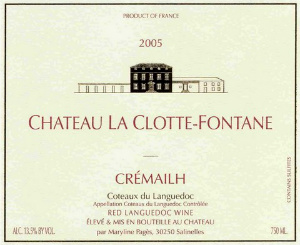
Château La Clotte-Fontane Crémailh 2007

After quite some Beers, time for another Red Wine in what turns out to be my 250th post. I’ve noticed that a lot more Whites got a chance on these pages than reds. Yet after this Château La Clotte-Fontane the next Wine will probably be a White (again) from one of my favorite regions, but more about that later. Let’s not get ahead of ourselves and have a look at his Red Wine from Languedoc. Languedoc is a Wine region in the southernmost part of France. It probably is the region that is the fastest growing in popularity by improving itself annually. Not so long ago, it was probably known only by the vast amounts of Wine produced and not especially for its quality. But as said before, that is rapidly changing.
The domaine is situated near Salinelles, between Nimes and Montpellier and spreads over 130 ha and has two types of soils. One, on the sunny eastern side, contains large pebbles. The second is rather flat and is made up of clay and limestone.

Château La Clotte-Fontane Cuvée Crémailh AOC Coteaux du Languedoc is a Red Wine with an ABV of 13.5%. It is made with two grape varieties: 60% Syrah and 40% Grenache. The Wine ages for 12 months in new French oak barrels in an underground cellar. Next to this Crémailh, the domaine also produces two other reds: Mouton La Clotte and Mathierou, but also one Rosé and one White.
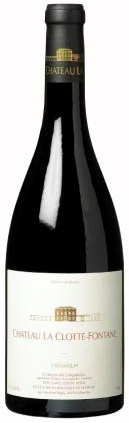
Color: Intense deep red, almost black. Lets only sunlight through.

Nose: Deep and brooding, dry earth, from the clay and limestone soil. Quite modern, stylish. It presents itself as heavy, with its almost black color, but it really isn’t. Some hints of cacao and vanilla. Some fresh oak. It is almost like sharpening a pencil. The fruits are deep and sugared (not meaning sweet), plums come to mind, dried ones too. Excellent.

Taste: Full but not intense. It will probably accompany a red meat dinner perfectly, but drinking this on its own will most certainly do. Not heavy on the tannins, slightly acidic and warming. On the back of my tongue some hints of black pepper ánd clove, which gives the wine a nice ‘effect’. Fruits are more the usual reds: raspberry and essence of cherry.

After this Crémailh I’m definitively interested in the other two reds La Clotte-Fontane produces. This Crémailh is very tasty and well made. The added bonus is in the complexity (not overly complex, but there is a lot happening here) and the detail of the wine. Well done. Drink it now, it’s at it best.

Points: 87
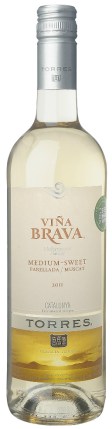
Torres Viña Brava Parellada Muscat 2012

And here we have yet another summer Wine brought into our lives by my mother. This time from spanish giants Torres. Viña Brava is a series that convey the flavors of the mediterranean coast and in this case Catalonia. For 2013 the Parellada grape is combined with Garnacha Blanca to form a semi sweet white Wine, but this 2012 expression combines Parellada with the Muscat grape for a medium sweet white Wine. 11,5% ABV.

Torres has a nice website where this expression I’m about to review isn’t present. Advised drinking temperature for this wine is 10ºC (for fish and seafood), but with these 30ºC temperatures we have outside at the moment, this wine can be very well drunk with ice-cubes (as an aperitif or hot-weather refreshment).

Color: Light white wine.

Nose: Sweet, peaches and apricots (fresh ones and dried ones). It has a nice refreshing acidity as well. Lime juice and spicy. Nice.

Taste: Lemony and half-sweet. Good balance and very refreshing (I’m tasting this at the advised temperature without ice-cubes). Quite simple, but that isn’t a problem with this kind of wine in these circumstances. A very nice summer wine, like a lemonade. Clear apple juice.

Again thumbs up from my mother and my wife, and who am I to say something different! It’s easy and laid-back, luckily not too sweet with a nice acidity to it. Good.

Points: 79

Santa Cristina Cipresseto 2007 Rosato Toscana

Summer has arrived here finally and lasts for almost two weeks now.  That is a first! Probably a record has been broken for the last 5 years, since summers lately were less interesting than spring. That gives me lots of chances to try some summery wines in their natural habitat, meaning outside in the garden to be drunk in nice weather. Well I won’t let the sun cloud my palate, so I’ll stay critical. This is already the second wine of Santa Cristina to grace these pages. Earlier I reviewed the Santa Cristina Toscana IGT 2009.

Santa Cristina Cipresseto 2007 Rosato ToscanaColor: Beautiful red salmon.

Nose: Grounded coffee, dust and wet earth. It has a nice depth to it. Next up is the fruit. Some sweet apple juice. Classy stuff. Some floral hints. Meaty, not sweet and not acidic. Well balanced nose, that has a lot to offer.

Taste: Licorice, and a very thin acidity. Some bitterness and some wood. Taken in big gulps, a little bit of meaty body and a hint sweetness come through. The body is even less interesting than the finish, but still as nice as the nose was, the palate is rather disappointing. Totally unbalanced and a bit weak. Tastes a bit as a watered down red wine…

The landscape of Tuscany is utterly stunning, and the nose of this Rosato promises a lot. I’m almost in tears that the palate is…rather weak. It’s almost a dream gone bad! Having said that, the wine is not thát bad. It just could have been better. I have another bottle of this (from the same year). If that one turns out to be different from this one, I’ll rewrite this review. For the moment this one stands. In defence of this Rosato I have to say I probably let this lie around the cellar for to long, but I can’t image that’s it.

Points: 73

Stormhoek Moscato 2013

And here is another wine favoured by my wife and my mother! Again a white one, but this time without bubbles but a lot sweeter. Master Quill already reviewed a white wine from the Western Cape region of South Africa. I have the feeling there is quite a lot of marketing going one here, since the label states as with the best of cosmetics: London Cape Town New York. Wow! The wine has the following enlightened text on the back label: Be Moved. Love. Encourage and Excite. Be enthusiastic. Motivate. Change the World or go Home…

Stormhoek can be found on the internet, but also on Facebook and Twitter.

Color: Ultra light white wine.

Nose: Sweet, artificial fruity sweet. Lots of peaches and apricots. Slightest hint of acidity. lemons. Lemonade. Very very fruity (and sweet-smelling).

Taste: Very sweet and really a peach drink. It’s so sweet and fruity I can hardly notice it is made with grapes. Funny that the back label stresses that it ís made with grapes, and tastes of grapes. I have drank wine made with muscat grapes before, but never so fruity as this one is. Deep down there is some acidity that very much resembles Vitamin C.

Going by the nose and the taste I would almost call this a children’s wine. Still this summer wine does have 8.5% ABV, so nevertheless it isn’t suitable for children. Recommended by my mother and my wife. I will recommend this a s a compote! Definitely designed for a young public (read women), hence the marketing.

Points: 75

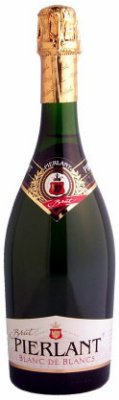
Pierlant Blanc De Blancs Brut

Here we have some bubbles from Landiris France, and again a wine both my wife and my mother love. My wife loves champagne, but with a plethora of Champagne houses and really how many of them are really good, sometimes we venture into other sparkling wines, especially for those occasions when the lively conversation makes you almost forget what you have in your glass. So for those carefree moments we buy sparkling wines like this. Nice to drink, nothing complex, and it doesn’t mean you have to get a second mortgage.

Pierlant Blanc De Blancs BrutThis wine is 100% Blanc de Blancs and produced with the following white grapes: Chardonnay, Colombard, Ugni Blanc (Trebbiano) & Gros Manseng harvested from: Bordeaux, Charentes and the Loire Valley. The wine has an ABV of 11%.

Color: White wine, with a fine mousse.

Nose: Slightly sour and sunny green apple skins, lightly fruity and elegant. Hints of spice, but overall very light. Nice aperitif wine.

Taste: The same here, light aperitif wine, without any off notes. Half sweet and slightly acidic. Nice balance. Very easy and simple and extremely drinkable. Light wine, with a light and dry finish. When drinking a lot of this the wood like bitterness gets noticeable and starts to dominate. So I wouldn’t drink a whole bottle by myself.

In our case, this wine accompanied a nice light tuna and past dinner, with a lot of fresh vegetables. and I have to say that this wine accompanied such a diner very well. Excellent match! In the end this is excellent summer stuff.

Points: 82

Backsberg Sauvignon Blanc 2010

Lets start the summer month of July with a nice and Sunny white wine from South Africa. This Backsberg is made with the Sauvignon Blanc grape variety. Sauvignon Blanc is right behind Chardonnay for the title of most popular white grape variety, and therefore can be found all across the globe. Like the Chardonnay originates from Burgundy France, Sauvignon Blanc originates from Bordeaux France. Thus we have a derby on our hands. Sauvignon Blanc is known to be dry, crisp, elegant and refreshing, but also is used to make the sweet wines from Sauternes. The terroir is, especially with Sauvignon Blanc, very important in how the wine will eventually taste. A very versatile and popular grape variety. Meant to be drank when young, most Sauvignon Blancs are not for (extensive) ageing, unless aged in oak.

Backsberg comes from Paarl. Paarl being the second largest city in the cape region. You just get one guess what is the biggest city in the South-African Cape region. Grandpa Back was a refugee from Lithuania, who eventually got the chance to buy a farm. Part of the farm were wine grapes which more or less started the wine business for Grandpa C. Back. His son S. Back first worked alongside Grandpa C. and concentrated more and more on the wine business of the farm. S. Sold the stock, equipment and the name: Back’s wines (to pay off some debts) and started fresh with the name Backsberg. The first 10 years selling peaches off the farm! Remember that, because the peaches will return! Next in line was M. Back, he made the wine business big again, to the point it is today. The fourth generation of Back is already knocking at the gate: S.

Color: White wine, light.

Nose: Peaches in yoghurt and more peaches in (sweet and creamy) yoghurt. Behind that a mineral note is noticeable, but it is hard to get past the peaches in yoghurt. I somehow have to reset my mind. Second time around, I guess the peaches in yoghurt come forward when the wine is a little bit warmer than it should, now it is colder and it’s more, clean and mineral and with a nice lemony acidity to it. The peaches in yoghurt are still there.

Taste: This is at first pretty sour, but that does not stay, well, it actually does in the sides of your mouth, but right in the middle, a more estery and sweet profile emerges. Perfect balance I would say, but I have to admit that I like my acids in white wine. Not too much, but it is the defining part of the palate. There have to be some good acids to interact with some elegant sweetness to achieve perfect balance. Besides the acids, a light hint of wood and a little bitterness, grapefruit. Finish could have been better, but overall not bad this one!

In fact I liked this one better when it was slightly higher in temperature, so don’t chill this too much. It got more fruity and creamy, and when chilled, it was more clean and…typical. The wine has an ABV of 14%.

Points: 80

Domaine Louis Moreau Chablis ‘Domaine de Biéville’ 2011

After the Chardonnays from Languedoc and Chile, now we return to France for the Mother of all Chardonnays, or maybe the Stepmother of all Chardonnays: Chablis! (the mother being Montrachet).

Domaine de Biéville, located in Viviers, was founded in the 70’s by Jean-Jacques Moreau. The Domaine comprises of one piece of 65 ha, and its orientation is south /south-west. It has a mild climate. Today his son Louis with his wife Anna lead the company (it’s also a wine traders).

Domaine de Biéville has great terroir (former Truffel grounds) and orientation, which often makes it as good as a Premier Cru. The grapes for this wine grow on 40 year old vines (vieilles vignes). By the way this Chardonnay has an ABV of 12%. The website of Louis Moreau is full of Premier Cru and Grand Cru wines, so if this Domaine de Biéville is any good, it is probably safe to say that the rest is even better, or so it should…

Domaine Louis Moreau Chablis ´Domaine de Biéville´ 2011Color: White wine

Nose: Fresh citrussy (lemon) and flinty. Slight hint of meat (beef). Typical Chablis, but a bit dirty, and I like that. It the meaty/gravy bit that does that. The more I nose this, the better it gets. Fruity (hints of apricot) and creamy

Taste: Nice acidity and when that rolls of the tongue, again that fabulous flintyness and depth emerge. Even the dirty part from the nose is here. The nose and the taste match up completely, how’s that for balance. The acidity is quite up front in this one, but a very nice touch to this Chablis is that long into the finish some sweetness emerges. The aftertaste is great. Well made.

Nicely balanced Chablis. Nice acids that play the biggest part in this wine, but hiding after that  is some great meaty dirtiness and of course a typical flintiness. No off notes and for fans of Chablis, well this will come as no surprise. Very easily drinkable and not too complex. Since the acids are quite prominent, this wine can age for a few years more. Recommended with fish, crustations and some cheeses.

Points: 85

Merci beaucoup, Richard!

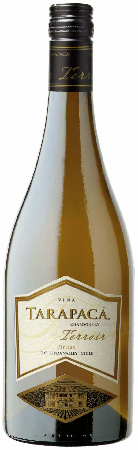
Tarapacá Chardonnay Terroir Piritas 2011

Last time we tried a Chardonnay from Languedoc, made by a Burgundian winemaker. All French thus. This time let’s fly halfway across the world and have a taste of Chilean Chardonnay. This Chardonnay comes from Maipo Valley that has a cool climate, granite soil and is located near the pacific. Like I said before, Chardonnay is an easy grape variety and can be found all over the world.

Viña Tarapacá, as it is called today, was founded in 1874 by Francisco de Rojas y Salamanca. It was then named Viña de Rojas. In 1892 the winery got a new owner, Manuel Zavala-Meléndez and gave it its current name. Today the winery is owned by Chili’s largest matchstick producer!

Tarapacá Chardonnay Terroir Piritas 2011 Color: White wine

Nose: Sweet and fresh, typical Chardonnay. Promises a nice balance between the acidity and the sweetness. Estery, meaty and flinty with a slight floral perfume. Dried apricots and maybe some pear, nectarine and banana. The fruity sweetness is quite thick. Licorice.

Taste: A dirty kind of sweetness. Its acidity is quite raw and different from what I expected, but then again, this is no Chablis. Quite good when it get in the mouth, but the middle and especially the finish are not very strong. The acidity is matched with a slight hint of bitterness which takes away the elegance. It’s a bit like a Roter Vitamin C tablet. This still needs some work.

At first this appears to be a pretty decent Chardonnay, but for me it has more than one rough edge. The sweetness is a little bit strange, and the acids are not refined. Sometimes it can attack you, hidden away behind the initial fruity sweetness. Add to that the hint of bitterness in the finish. Still, it’s pretty good, but not excellent. There ís a lot going on, but to me it almost tastes like a work in progress. We’re on  our way, but not quite there yet. Especially the second part could have been better. The wine has an ABV of 14%.

Points: 77

And yes, this wine was also provided by Richard, muchas gracias!

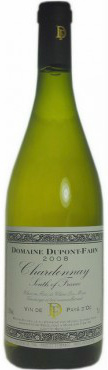
Domaine Dupont-Fahn Chardonnay 2011 Vin de Pays d’Oc Languedoc

While we’re at it, why not try another gem (hopefully) by Michel Dupont-Fahn. This time his Chardonnay from…Languedoc! For those of you who are alarmed, don’t worry, this Chardonnay is well made into the Burgundy style (whatever that is).
Chardonnay is a relatively easy grape variety. It doesn’t need a lot of care, and it does well in a lot of places and terroirs. Therefore the Chardonnay grape can be found all over the world. The wines made with the Chardonnay grape, can be utterly different, just compare Chablis to a Montrachet. Yes both from Burgundy, where Chardonnay is BIG.

The Chardonnay grapes are manually harvested. After pressing and fermentation the wine stays for six to ten months in oak casks. 80% of them are used casks and 20% are newly made casks. This Dupont-Fahn Chardonnay is 13.5% ABV.

Color: White wine

Nose: Light and acidic. Grassy with lime. Small hint of peach. Actually the nose is not very outspoken, yet very fresh. Small hint of new wood. Good balance. Light and flowery. It becomes fruity and slightly vegetal, when it warms up a little bit. Lovely nose.

Taste: Definitely sweeter than expected. Again good balance and the sweetness counterparts the (lemony) acidity very well. Lovely light aperitif wine that also will do pretty well with fish. The fruity sweetness is a bit syrupy, as if a drop of PX Sherry somehow found its way into this wine. Very fresh and lively, and not a lot of wood influence. A little bit of new wood, but nothing bitter.

Easy drinkable and not overly complex. This is a quality wine. Drink young and preferably outside in warm weather. Thoroughly enjoyable. Lovely light quality wine from Languedoc, made by a Burgundy winemaker. Recommended (just like the Dupont-Fahn Cuvée Rosée reviewed earlier).

Points: 84

Thanks again Richard for the wine.

Domaine Dupont-Fahn Auxey-Duresses 2011 Cuvée Rosée Bourgogne

Michel Dupont-Fahn is a wine producer from Burgundy. He makes modern wines like ​​Meursault, Puligny-Montrachet and some other wines. Michel makes modern wines that are meant to drink young.

As rumour has it, some ten years ago, Michel used part of the Pinot Noir harvest to make this Rosé Wine. Dad was not happy! Obviously red Burgundy Wine fetches more money than a Rosé would.

The grapes are harvested manually and quite late, pressed lightly and fermented in oak barrels that previously held, for ten months, Michel’s Meursault.

Color: Pink salmon, grapefruit.

Nose: Fresh, half acidic, citrus fruits, but also a brooding darker meaty element, that funnily enough, makes the whole very elegant. This smells the business! Perfect fruit-perfume nose (strawberries and blood oranges) and some most. There is actually a lot happening here. Fantastic balance.

Taste: Slightly more acidic at first sip, but that quickly is counteracted by some sweetness (not a lot) and a hint of wood. Taste wise it’s more in the vicinity of a red wine (Pinot Noir) than other Rosé wines. It still keeps its refreshing traits (without the tannins). No off notes whatsoever. The sweetness of the Wine that emerges near the finish is of a deep maple syrup nature, very classy! Great as an aperitif, with fish and salads. This goes down nicely, bring on the sun, I say!

I have to admit, I never was a big fan of Rosé wines, probably that so much of these wines are tampered with, or just not good enough. It’s treated as a sort of B-product after red’s and whites. This one however ticks all of my boxes. Maybe from the tasting notes it is not quite clear why I like this one so much, but I find this a real find! At this time by far my favorite Rosé. I know it’s a bit more expensive than the usual suspects, but in my opinion well worth the money. Recommended! By the way, the ABV on this one is 13%.

Points: 86

Thanks to Richard for the Wine!