 Grimbergen is somewhat of a (commercial) giant amongst Belgian Abbey Beers. Only Leffe sells more beer. It already was big when Scottish & Newcastle were the owners but when that company was bought by Dutch Beer Giants Heineken, well… Next question, is Grimbergen any good? At this point I don’t know, but I picked this Optimo Bruno to find out. Optimo Bruno saw the light of day in 1988 as a beer specially made for easter. Grimbergen Beers are made by Alken-Maes from Waarloos, not to far from the abbey. The top fermented Beers are made L’Union in Jumet. (Top fermenting means that the yeast lies on top of the wort). Last but not least, the beer did not receive post fermentation in the bottle, so even extended ageing (2 years past its best before date) kept this beer “clean” and there is no deposit.
The order of the Premonstratensians (White Canons) was founded in 1120 by Saint Norbert. Saint Norbert also founded the Abbey of Grimbergen, and in that way the abbey is quite unique. In its history, the abbey was ruined four times! But every time the abbey was rebuilt, therefore the label of the beer has a Fenix on it and the credo: ‘Ardet Nec Consumitur’ (Burnt but not consumed).
 Color: Brown, a little bit of cream-colored foam.
Nose: Fresh and acidic. Candied sugar. Yeasty and absolutely murky! Not the nicest smelling beer around. Funky stuff, but not off-putting.
Taste: Deep and brooding. Again yeasty and some acidity. Nice warming taste. Hints of toast and burned sugar in the aftertaste. Dried plums and dates. When Belgian beer is called Belgium’s answer to wine, they probably had this in mind, or should I say, in their mouth. Very distinct beer. Quite bitter finish and especially in the aftertaste. A bitterness like this just fits the speciality this beer is. Unique stuff. Nice balance between the toasted Sugar and the acidity.
Again a well aged beer, so I can’t tell you how a fresh one tastes yet. Definitely not your every day drinker and maybe not for everyone, but when you choose the moment perfectly, you’ll know this is special. Best tasted in big gulps (again).
Points: 84
 In the early eighties Pierre Gobron and Chris Bauweraerts (Brothers in law, and thus Brothers in Beer) started brewing beers as a hobby, and founded Brasserie D’Achouffe near Houffalize in 1982. Houffalize is in the Ardennes, where lots of stories are about elves (They call the leprechaun an elf).
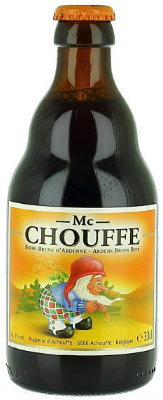 Color: Brown. Not a lot of foam, but a lot of CO2
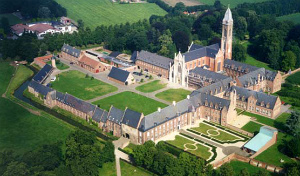
 The Tongerlo beers are brewed by brewery Haacht, and they are doing so since 1990 (when they got the rights to this Abbey beer). I’m sad to report that a few years ago, brewery Haacht, in all its infinite wisdom, have decided to delete
  Even this new Tripel got the chance to age for 2,5 years after it’s best before date. You may think I’m mad, but with most Belgian beers it only adds to the character, don’t worry you, won’t get sick. Breweries are obliged to put a short-term on the label, but are starting to add the bottling date. Frank Boon decided to stretch the best before date far beyond the standard three years and easily puts best before dates twenty years into the future!
 Color: Orange yellow with some flakes (due to ageing). Almost white foam.
 Color: Dull light gold.
 Color: (Dull) gold.
 Color: White wine, light.
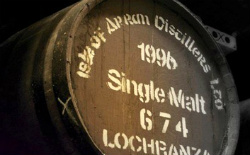 Linkwood is another example. Luckily this also happens the other way around. For most people Teaninich is nothing out of the ordinary, but I really do like my Teaninichs…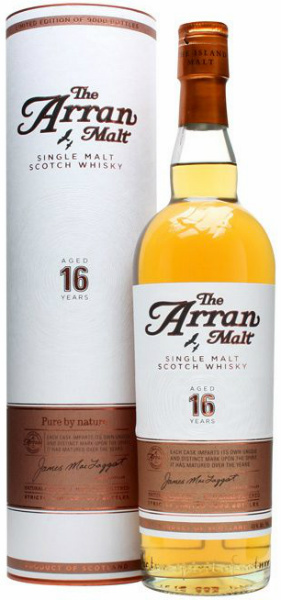
 Not so long ago, this was the new-look entry-level malt from Tomatin, but in the quickly changing Whisky-world and especially the trend of releasing Whiskies without an Age Statement (NAS), Tomatin issued
 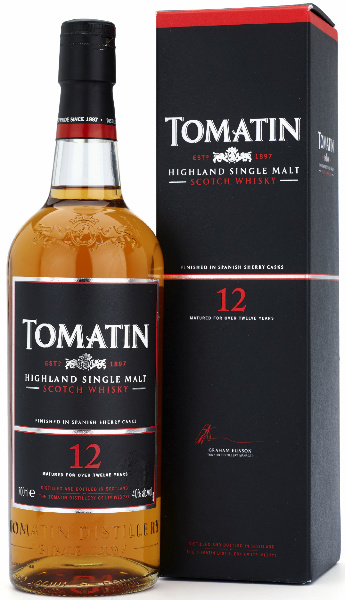 Color: Ochreous gold (Chewbacca golden hairdo).
 Domaine de Biéville, located in Viviers, was founded in the 70’s by Jean-Jacques Moreau. The Domaine comprises of one piece of 65 ha, and its orientation is south /south-west. It has a mild climate. Today his son
  Color: White wine
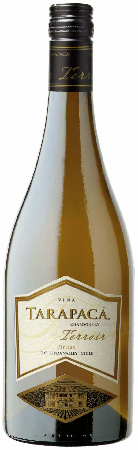 Color: White wine
 Master Quill