Actually, Glen Elgin is one of my favourite lesser known Whiskies. Being somewhat partial to the stuff, mostly from independent bottlers, I’m actually amazed this is only the second review on these pages. The only other review of Glen Elgin I did, was in 2017, being a 19yo Signatory Vintage bottling, that wasn’t as special as I expected, especially for its age. Hmmmm, never mind, I still stand with what I just said. Building started in 1898 just months before the Pattison Crash and it was also the last Distillery designed by Charles Doig (the foremost distillery architect of the time).
After the Pattison Crash, Whisky found itself in a sort of 50 year long slump, that more or less ended in around 1949 when William Delme Evans built the first distillery after Glen Elgin: Tullibardine. Fast forward a bit and cutting this history lesson short; Glen Elgin is now owned by Diageo and mainly used for its White Horse blend and currently is investing heavily in it by rejuvenating it. Back to the Whisky at hand, since this time around we have a bottling from Sukhinder’s outfit Elixir Distillers. Being a independent bottler foremost, I wonder what they actually distil. Elixir distillers is mostly known for their Single Malts of Scotland range of independent bottlings but also for their Port Askaig bottlings of undisclosed Islay bottlings (often Caol Ila).
 Color: Pale White Wine.
Nose: Barley and biscuity. Cereal, crackers and bread. Dusty with hints of cardboard. Starts big and in your face. Good and honest Whisky, no frills, no funny business. The next wave is more fruity (dry citrus skins), with the tiniest hint of cask toast and pencil shavings. Warm wind in summer, slightly grassy and vegetal. Hints of rainwater. The third wave adds a more perfumy note as well as grandma’s old soap note, never losing sight of the fruits though. Quite fresh overall due to a slight minty and green nose. Well balanced and straightforward. A very effective and highly drinkable Glen Elgin. It may be somewhat simple, but don’t be fooled by this, since there is quite a lot happening in this one, and as said earlier, its also quite big. It’s layered, so it might be even more complex than I initially thought. I always liked Glen Elgin and this is definitely an example why. The fruity note becomes sweeter, not only ripe fruit sweetness yet also a more honey-like aroma. I know sweetness is something for the palate to discern, but I hope you know what I mean here. In the end this is quite a nice (not modern) nose. I like it a lot.
Taste: On entry half-sweet but easily overpowered by a spicy and woody note. Prickly oak, only ever so slightly bitter and soapy. Maybe an odd red chilli pepper found its way into the cask? Nah. Warming going down. After the first sip, the soapy note on the nose becomes more like cold dishwater. Second sip shows a more complex sweetness, fruity and honeyed. (The nose is now more old-skool and melancholic). Less syrupy than expected. Some peach emerges as well, retaining the relative hotness from the first sip. Lots of paper and cardboard comes next which does get in the way a bit of the fruity notes. Where this is a miss on the palate, the nose, even now, keeps developing further still. Hold on now, after a while it does become slightly more bitter and slightly acidic as well, which in the case of the paper and cardboard do less for the palate than it sometimes can do. It also shows some new make spirit notes now (that fit the colour of this Whisky well if I might say so). Next some sun-tan lotion, you didn’t see that one coming now didn’t you? Although not a biggy, this part of the palate is not the best. By the way, I get some cheese on the nose now, how is that? This turns out to be quite a surprising Glen Elgin. Definitely not boring this one. Still, this one has much nice things going for it, so the score is warranted. Peach yoghurt in the finish as well as a peppery note, some might call hot. The finish as a whole is of medium length and especially the minty bit seems to have some staying power here. It’s alright, it’s good, but the nose was better.
Yes the Mortlach I reviewed just before scores slightly higher, but in comparison this Glen Elgin is slightly more drinkable. Even though this one has a very diverse, unusual and layered nose it is even more accessible than the Mortlach. Mortlach has always been a more anorak-y kind of Whisky anyway. Still, I wouldn’t recommend this one either if you are a novice, just like the 19yo Glen Elgin I reviewed in 2017.
Points: 86
 Guadeloupe is an overseas department and region of France and it consists of threes. It has three main islands and has three Bellevue distilleries. From west to east we first have the island of Basse-Terre, easy to recognize because of its mountains and an active stratovolcano called “La Grande Soufrière”. Last eruption: 1977 (phreatic eruption, steam). The last magmatic eruption was in 1580 (give or take 50 years, sice nothing was recorded). The soil of Basse-Terre, and this probably doesn’t come as a surprise any more, is volcanic and thus fertile, very suitable to grow many variants of sugarcane. More to the east lies the island of Grande-Terre, separated from Basse-Terre by a narrow body of water called Rivière Salée. Grande-terre is flat and has a limestone soil. A bit farther away to the east and more to the south lies Marie-Galante. Also flat with a limestone soil and thus akin to Grande-Terre.
 As said above, then there are three Bellevue distilleries. Don’t worry, there are many more distilleries on the three islands that are not called Bellevue. The first Bellevue is Bellevue au Moule better known under it’s Rum-brand name: Damoiseau, located on Grande-Terre. The second Bellevue is Bellevue Sainte Rose, better known under it’s Rum-brand name: Reimonenq, located on Basse-Terre. And finally Bellevue Marie-Galante located on…do you really want me to spell it out for you? So we have three islands and all three have their own Bellevue Rhum Distillery. How’s that for order in the universe?
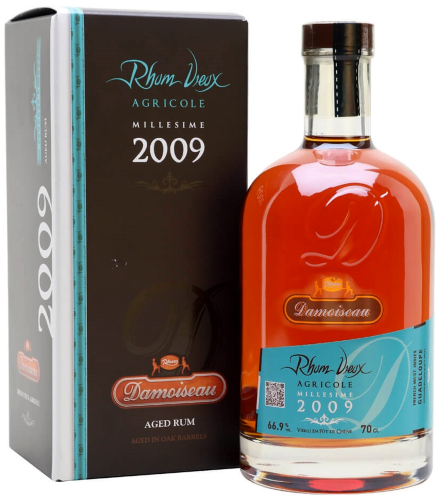 Color: Orange gold.
 Color: Medium gold (and seemingly not filtered to death).
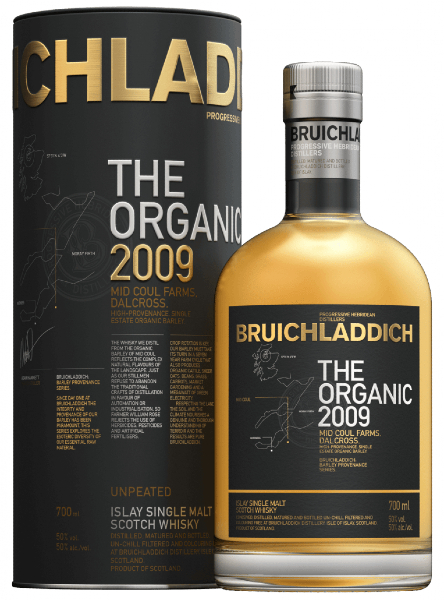 Color: White Wine
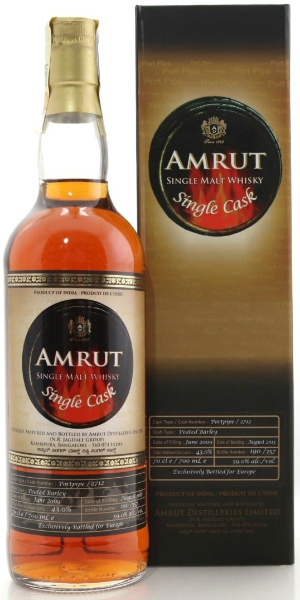 Color: Orange-brown gold. Bourbon.
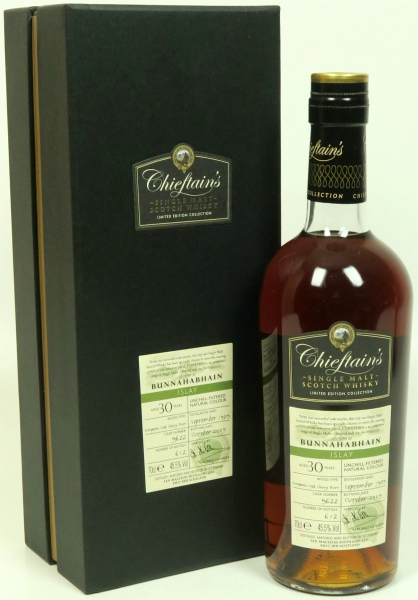 Color: Dark Brown.
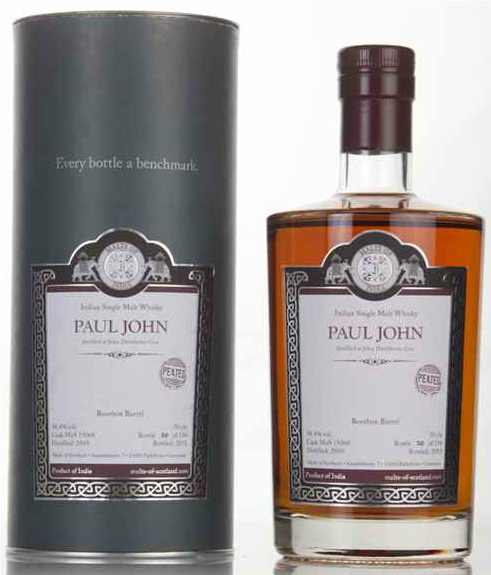 Color: Orange gold.
 Color: Orange brown.
 Ahhh, finally a Bolívar. This is a first one on these pages. Bolívar isn’t a big global brand for Habanos, but it is available in a lot of markets nevertheless. Not a big brand, but it has a specific and fanatical following under seasoned Cigar smokers. Bolívar is known for heavy and strong Cigars.
 Master Quill